Whether Male Labradors Are More Affectionate
One of the most common questions new Labrador owners, or even seasoned enthusiasts, ponder is whether the gender of their beloved companion will dictate how affectionate they are. It’s a completely natural thought to have – we all want a dog that will shower us with love, snuggle close, and be that warm, fuzzy presence in our lives. This guide will dive deep into this fascinating topic, exploring whether there's any real truth to the idea that male Labradors are inherently more cuddly or devoted than their female counterparts, and more importantly, what truly shapes a Labrador's capacity for affection.
The Enduring Charm of a Labrador's Affection
There’s just something about a Labrador Retriever that draws us in, isn't there? Their soulful eyes, their wagging "otter tails," and that boundless enthusiasm for life. When we bring one of these wonderful dogs into our homes, we're not just looking for a pet; we're looking for a family member, a loyal friend, and often, a furry confidante. And a huge part of that connection, for many of us, is the dog's affection.
Why We Crave Affection from Our Dogs
Let's be honest: who doesn't love a good dog hug or a happy face nuzzling into their hand? The affection we receive from our dogs isn't just a nice bonus; it's a fundamental part of the human-animal bond. It lowers our stress, boosts our mood, and creates a sense of belonging and unconditional love that's hard to find elsewhere. We project our desire for emotional connection onto our pets, and a dog's willingness to give and receive affection often solidifies their place as a cherished member of the family. It's why we spend hours browsing pictures of puppies, imagining those sweet moments of connection.
The Labrador Reputation for Friendliness
Labradors have earned their reputation as one of the friendliest, most outgoing, and most affectionate breeds around, and for good reason. They are renowned for their gentle nature, their patience with children, and their desire to be involved in whatever their human family is doing. This inherent Labrador Temperament and Personality makes them excellent companions, whether they're retrieving ducks in the field or snuggling on the sofa. People often say Labradors love everyone, and while that might be a slight exaggeration, their general disposition certainly leans towards openness and warmth rather than aloofness. This breed was developed to work closely with humans, and that bond is deeply ingrained in their genetic makeup, expressing itself as a strong desire for connection and companionship.
Disentangling Affection from Gender: Is There a Real Difference?
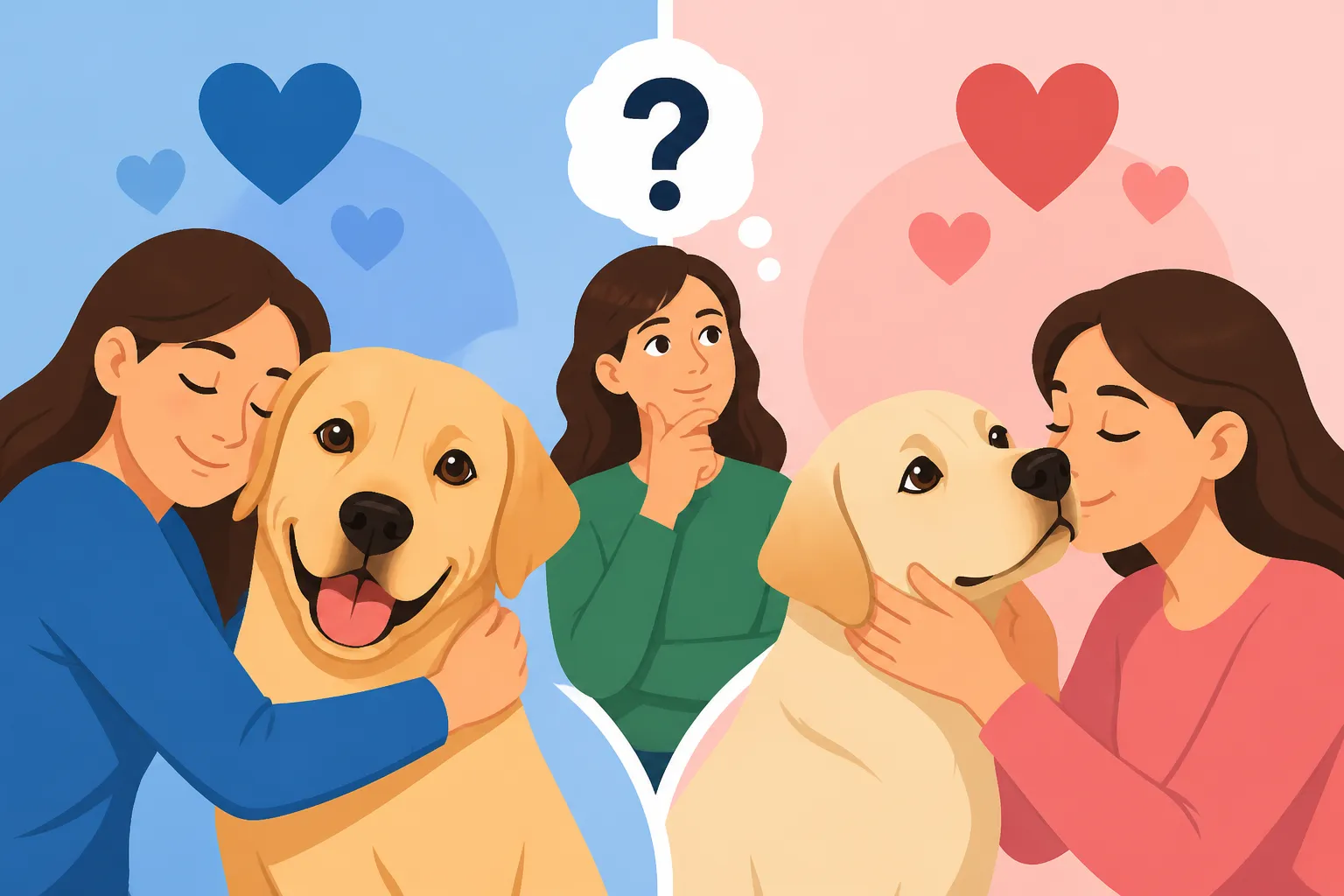
So, back to the big question: are male Labradors more affectionate? It's a common belief, and you'll hear it debated in dog parks and online forums everywhere. But is it actually true, or is it more of a perception shaped by our experiences and biases?
The Anecdotal Evidence: What Owners Often Report
Many Labrador owners will swear that their male Labs are bigger "mush-balls" than their females. They describe their boys as being more prone to leaning against them, demanding pets, and generally being more overtly demonstrative with their affection. "My male Labrador is a total Velcro dog," you might hear someone say, "always needing to be touching me." Conversely, some describe female Labradors as being a bit more independent or "dignified," perhaps seeking affection on their own terms rather than constantly soliciting it. These anecdotal stories are powerful because they come from personal experience, but it's important to remember that every dog is an individual. What one person experiences with their male or female Lab might not be universal.
The Science (or Lack Thereof) on Canine Gender and Affection
When we look to scientific studies on canine behavior, the evidence for a definitive link between gender and affection levels is largely inconclusive. While there are some general behavioral differences observed between male and female dogs (for example, intact males are more prone to roaming or marking, and intact females have heat cycles), inherent differences in affection are much harder to quantify and are rarely attributed solely to sex. Most canine behaviorists and trainers will tell you that factors like genetics, early socialization, and individual personality far outweigh any minor predispositions related to gender. It’s challenging to design a study that purely isolates affection from all other variables, and what we perceive as "affection" can also be interpreted differently by different people.
Beyond Gender: What Truly Shapes a Labrador's Personality
If gender isn't the primary driver of affection, what is? Think of it this way: just like people, dogs have their own unique personalities. Some are naturally more outgoing and physically demonstrative, while others are more reserved, even within the same litter. These traits are a complex interplay of genetics inherited from their parents, early life experiences, and the environment they grow up in. A confident, well-socialized female Labrador might be far more openly affectionate than a shy, poorly socialized male Labrador. It's never as simple as "all boys are cuddlers" or "all girls are aloof." The Labrador Retriever Breed Explained has a general temperament, but within that, there's a wide spectrum.
Factors That Actually Influence a Labrador's Affection Levels
Instead of focusing on gender, let's turn our attention to the factors that genuinely shape how affectionate your Labrador will be. Understanding these can help you choose the right puppy or foster the best possible relationship with your current dog.
Early Socialization and Puppyhood Experiences
This is perhaps one of the most critical elements. A Labrador puppy that is exposed to a wide variety of positive experiences, people, and other friendly animals during its crucial socialization window (roughly 3 to 16 weeks of age) is much more likely to develop into a confident, friendly adult. If a puppy has positive interactions with many different people, being gently handled and receiving praise, they learn that humans are sources of comfort and joy. A puppy that is isolated or has negative early experiences might grow up to be more timid or less openly affectionate, regardless of whether it's male or female. This is why a reputable breeder focuses so much on Socializing a Labrador Puppy from day one.
Training and Consistent Interaction
The way you interact with your Labrador day-to-day plays a huge role. Positive reinforcement training, where you reward desired behaviors with treats, praise, or toys, builds a strong, trusting bond. A dog that feels safe, understood, and loved by its owner is more likely to express affection. If you spend time playing, training, and simply being with your Labrador, you're reinforcing that connection. If you're wondering how to motivate your Labrador, Treats That Motivate a Food-Driven Labrador can be a great starting point, but remember, your attention and approval are often the greatest rewards. Dogs thrive on routine and consistency, and regular, positive interactions create a foundation for affection.
Individual Temperament and Genetic Predisposition
Even within the same litter, you'll find puppies with vastly different personalities. Some might be bold and adventurous, others shy and reserved, and some might be immediate lap-seekers. These individual temperaments are heavily influenced by genetics. A puppy from a line of highly outgoing, people-focused Labradors is more likely to inherit those traits, regardless of its sex. Conversely, a puppy from a more independent or working-line background might naturally be less demonstrative, even if perfectly bonded with its family. When choosing a puppy, observing the parents' temperaments and the individual puppy's disposition can be more informative than its gender. You can find many products to support training and enrichment for all temperaments on Chewy.
Spay/Neuter Status and Hormonal Influences
While gender itself might not directly dictate affection, the hormonal changes associated with spaying or neutering can certainly influence a dog's behavior. Intact male dogs, driven by hormones, may be more focused on seeking out females or marking territory, which might seem like less focus on their human companions. However, after neutering, many male dogs become calmer and more settled, often redirecting that energy and focus back towards their human family. Similarly, intact female dogs experience hormonal fluctuations related to their heat cycles, which can temporarily alter their behavior and perceived affection levels. Discussing When to Spay or Neuter a Labrador with your vet is important, as these decisions can impact overall behavior and health. However, these changes are more about managing sexual behaviors than fundamentally altering a dog's capacity for love.
Fostering a Deep Bond with Any Labrador, Male or Female
Ultimately, the most important thing is to cultivate a strong, loving relationship with your specific Labrador, regardless of their gender. Affection is a two-way street, and the more you put into the bond, the more you'll get back.
Building Trust Through Positive Reinforcement
Every Labrador thrives on clear communication and positive reinforcement. Instead of harsh corrections, focus on rewarding the behaviors you want to see. When your Labrador leans into you, quietly praises them. When they rest their head on your lap, gently stroke their fur. These small, consistent acts of kindness build trust and show your dog that you are a safe and loving presence. Whether you're working on basic obedience or advanced skills, positive reinforcement is key to Training a Labrador From Puppy to Adult. Remember to always have some delicious Chewy treats on hand for those teachable moments and spontaneous cuddles.
Meeting Their Needs: Exercise, Mental Stimulation, and Nutrition
A happy, well-adjusted Labrador is an affectionate Labrador. This means ensuring they get plenty of appropriate exercise – Labradors are energetic dogs, and a bored Labrador can develop unwanted behaviors that might be misinterpreted as a lack of affection. Daily walks, games of fetch, and opportunities to swim are crucial. Mental stimulation through puzzle toys, training sessions, or scent work also helps keep their intelligent minds engaged. Providing high-quality nutrition, perhaps from brands available at Chewy, tailored to their life stage, is also fundamental to their overall well-being. A dog that feels good physically and mentally is more likely to be relaxed and open to interaction. Check out Labrador Energy Level by Age for more specific guidelines on exercise.
Understanding Their Unique Love Language
Not all dogs express affection in the same way, and it's important to learn your individual Labrador's "love language." Some might be constant cuddlers, always seeking physical touch. Others might show their affection by simply being in the same room as you, resting their head on your foot, or bringing you their favorite toy. A soft gaze, a gentle nuzzle, a happy sigh when you pet them – these are all signs of affection. Some Labradors are naturally more demonstrative, while others have a quieter way of showing their devotion. Learn to read your dog's subtle cues, and you'll discover the depth of their love, whether they're male or female. Don't worry if your Labrador isn't a constant shadow; even subtle signs indicate a strong bond. If you have a particularly sensitive or timid dog, focusing on Building Confidence in a Timid Labrador can help them feel more secure and, in turn, more openly affectionate.
In conclusion, while you might hear tales of male Labradors being bigger "softies," there's no conclusive evidence that gender dictates affection levels. Instead, focus on raising your Labrador with love, consistent training, proper socialization, and by meeting all their physical and mental needs. You'll find that a well-cared-for Labrador, regardless of whether they are male or female, will fill your life with boundless joy and affection.
| Factor | Influence on Affection Level | Notes |
|---|---|---|
| Early Socialization | High | Positive experiences with diverse people/environments build confidence and trust. |
| Consistent Positive Training | High | Builds a strong, trusting bond; dog learns humans are source of good things. |
| Individual Genetics/Temperament | High | Some lines/individuals are naturally more outgoing or reserved. |
| Spay/Neuter Status | Moderate (indirect) | Affects hormone-driven behaviors that can mask affection; less impact on core capacity. |
| Exercise & Mental Stimulation | Moderate | A well-exercised and mentally stimulated dog is happier and more relaxed. |
| Owner Interaction/Bond | High | Time spent together, play, and attention deepen the connection. |
| Health & Comfort | High | A dog in pain or discomfort may be less outwardly affectionate. |
Disclaimer
This article is for general informational purposes only and does not constitute professional advice. Laws, prices and regulations vary by location and change over time. Consult a qualified professional for guidance on your specific situation.