OFA and PennHIP Screening for Labradors
The worry of a beloved Labrador struggling with painful joint issues like hip or elbow dysplasia is a heavy burden for any owner. These conditions, unfortunately, are all too common in our active, loving Retrievers. This comprehensive guide aims to demystify the two leading orthopedic screening methods – OFA and PennHIP – helping you understand how they work, what their results mean, and how these vital tools help ensure a healthier future for our Labradors.
Understanding Canine Hip and Elbow Dysplasia in Labradors
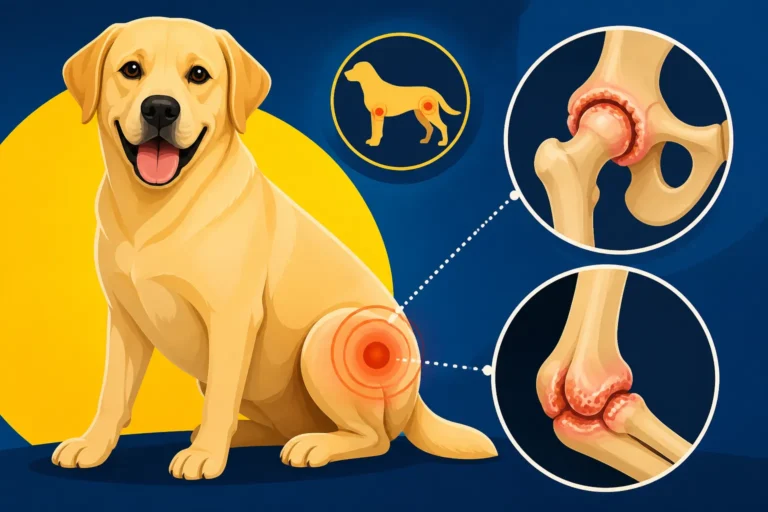
It's a heart-wrenching reality that Labradors, for all their wonderful qualities, are predisposed to certain joint conditions, particularly hip and elbow dysplasia. These aren't just minor aches; they are developmental abnormalities that can cause chronic pain, limit mobility, and significantly impact a dog's quality of life. Understanding why our Labs are at risk and recognizing the early warning signs is the first step in proactive care.
Why Labradors Are Prone to Joint Issues
Labradors were bred to be powerful, athletic dogs, capable of retrieving in challenging terrain and cold water. This genetic blueprint, while creating an amazing companion, also comes with certain vulnerabilities. Hip and elbow dysplasia are complex conditions influenced by both genetics and environmental factors. Genetically, the shape of the hip socket and the fit of the ball (femoral head) within it, or the alignment of the bones in the elbow joint, can be imperfect from birth. Add to this the rapid growth rate of Labrador puppies, and you have a recipe for potential trouble. Too much stress on developing joints, like excessive high-impact exercise, or poor nutrition during their formative months can exacerbate an already predisposed condition. It's a cruel twist of fate that the very enthusiasm and athleticism we adore in our Labs can sometimes contribute to the wear and tear on their joints. For a deeper dive into the specifics, you might find our article on Labrador Hip and Elbow Dysplasia incredibly informative.
Early Signs and Symptoms to Watch For
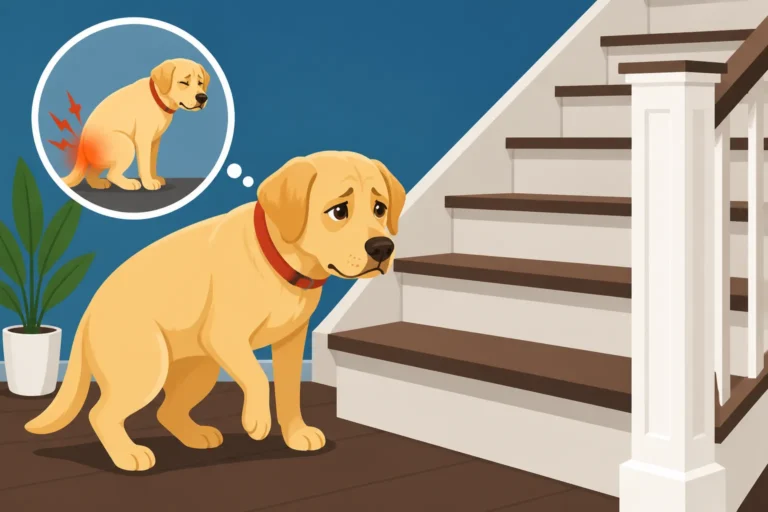
Our Labradors are famously stoic, often hiding discomfort until a condition is quite advanced. This makes it crucial for owners to be vigilant about subtle changes in their dog's behavior or movement. You might notice your energetic pup becoming less enthusiastic about their daily walks or hesitant to jump into the car or onto furniture. A tell-tale sign of hip discomfort, often referred to as a "bunny hop," is when your Labrador uses both back legs simultaneously to propel themselves forward, rather than alternating them. Difficulty rising from a resting position, especially after a long nap, or a noticeable limp after exercise are also red flags. Watch for stiffness, especially in the mornings, or a reluctance to climb stairs. Sometimes, the only sign is a change in gait, a slightly awkward swing of the hips, or an altered stance where they might hold their weight differently. If you observe any of these symptoms, it's essential to consult your veterinarian promptly. Early intervention can make a significant difference in managing these conditions, and you can learn more about specific indicators in Labrador Hip Dysplasia Signs and Onset.
The Orthopedic Foundation for Animals (OFA) Screening
The Orthopedic Foundation for Animals (OFA) is a well-respected organization that has been at the forefront of canine health screening for decades. Their certification process is widely recognized, particularly among breeders, as a benchmark for assessing a dog's orthopedic health. It provides a standardized way to evaluate hips, elbows, and other joints, giving both breeders and prospective puppy owners valuable insight into a dog's genetic predisposition for certain conditions.
How OFA Evaluations Work for Hips
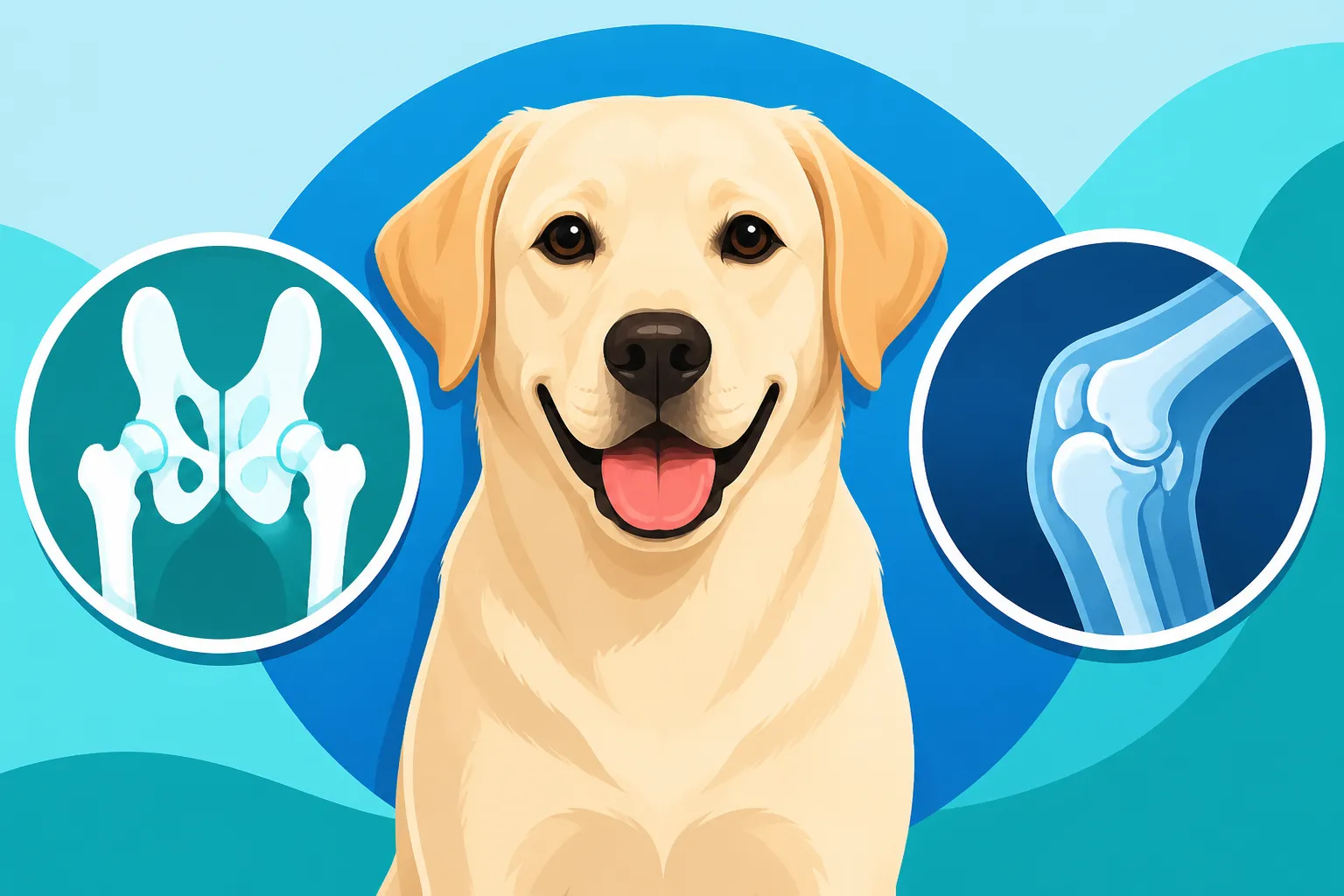
The OFA hip evaluation process is quite specific, designed to provide consistent, reproducible results. It begins with your veterinarian taking a very precise X-ray of your Labrador's hips. The dog must be positioned perfectly on its back with its hind legs extended straight and parallel, and rotated inward. This position is crucial for accurately visualizing the hip joint and is often done under sedation to ensure muscle relaxation and proper alignment. The X-ray is then sent to OFA, where it is reviewed by three independent, board-certified veterinary radiologists. These experts evaluate the X-ray for specific anatomical markers related to hip dysplasia, such as the depth of the acetabulum (hip socket), the fit of the femoral head (ball) within the socket, and evidence of degenerative joint disease.
Based on these evaluations, the hips are graded into seven categories: Excellent, Good, Fair (all considered "passing" or "normal"), Borderline, Mild, Moderate, or Severe (these last four indicate some degree of dysplasia). To receive a final OFA certification number, your Labrador must be at least 24 months old. This age is critical because it allows the growth plates to fully close and for any early signs of degenerative joint disease to become apparent. Before this age, "preliminary" readings can be obtained, but they are not considered final certifications and are generally used for early screening or making provisional breeding plans. Understanding these clearances is a key part of choosing a healthy puppy, as detailed in Health Clearances a Labrador Breeder Must Show.
OFA Evaluations for Elbows and Other Joints
While OFA is perhaps most famous for hip evaluations, they also provide crucial screening for elbow dysplasia, another prevalent condition in Labradors. Similar to hip evaluations, an OFA elbow screening involves specific X-ray views. These X-rays are also submitted to OFA and reviewed by multiple radiologists. Elbows are graded as Normal, or with varying degrees of dysplasia: Grade I, Grade II, or Grade III. A "Normal" rating means there is no evidence of elbow dysplasia. Grades I, II, and III indicate mild, moderate, and severe dysplasia, respectively. Just like with hips, final elbow certifications are only issued for dogs aged 24 months or older.
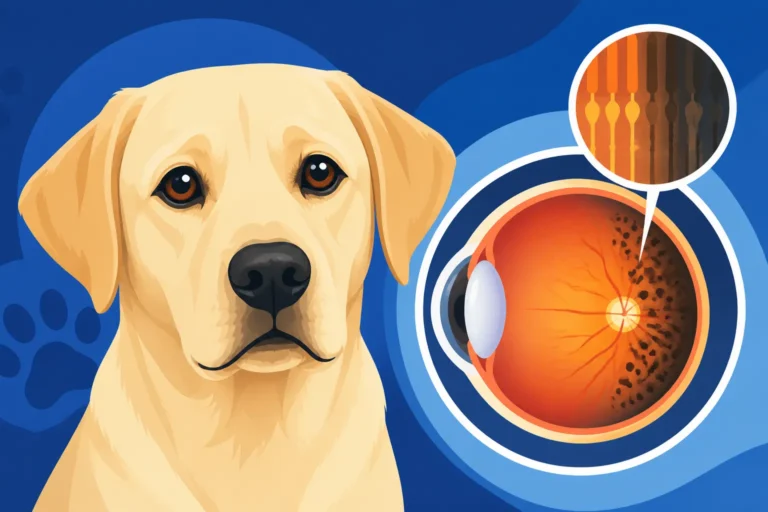
Beyond hips and elbows, OFA offers screenings for a wide array of other genetic conditions common in various breeds, including patellar luxation (kneecap dislocation), cardiac diseases (heart conditions), and various eye conditions (through their Canine Eye Registration Foundation, or CERF, now often part of the OFA Eye Certification Registry). This comprehensive approach allows breeders to screen for multiple hereditary diseases, offering a more complete picture of a dog's genetic health. Regular eye exams are particularly important for Labradors, which are prone to specific issues, as discussed in Progressive Retinal Atrophy in Labradors.
Reading a Labrador's OFA Hip Certificate
When you're considering a Labrador puppy, or even if you just want to understand your own dog's history, being able to read an OFA certificate is incredibly useful. The certificate, issued by the Orthopedic Foundation for Animals, will clearly display several pieces of vital information. At the top, you'll usually find the dog's registered name, breed, sex, and often their AKC registration number. Crucially, it will list the "OFA Number," which is a unique identifier for that dog's certification.
For hip evaluations, the certificate will state the "Hip Certification" as Excellent, Good, or Fair, along with the date of the evaluation and the dog's age at the time of the X-ray. It's important to note the date and age—a preliminary reading for a young dog will be clearly marked as such and should not be confused with a final certification. For elbow evaluations, you'll see "Elbow Certification" as Normal or graded I, II, or III. Many breeders will also provide a link or direct you to the OFA public database, where you can verify these results yourself by searching for the dog's registered name or OFA number. This transparency is a hallmark of responsible breeding practices and empowers prospective owners to make informed decisions about their puppy's potential genetic health.
PennHIP Screening: A Different Approach
While OFA is a gold standard, PennHIP offers an alternative, and in some ways, complementary approach to evaluating hip health in dogs. Developed at the University of Pennsylvania School of Veterinary Medicine, PennHIP focuses on quantifying hip laxity, providing a different perspective on a dog's predisposition to hip dysplasia.
The Science Behind PennHIP
PennHIP takes a fundamentally different scientific approach to hip evaluation compared to OFA. Instead of primarily assessing the conformation (shape and fit) of the hip joint in one static position, PennHIP measures passive hip laxity—the degree to which the ball (femoral head) can be displaced from the socket (acetabulum) when the joint is stressed. This is achieved through three distinct X-ray views: a standard extended view (similar to OFA's), a "compression" view to assess the optimal hip joint conformation, and most importantly, a "distraction" view. During the distraction view, a specialized device is used to gently push the femurs apart, measuring how loosely the femoral heads sit in the sockets.
The underlying principle is that greater hip laxity correlates with a higher risk of developing hip dysplasia. PennHIP is highly regarded for its predictive power and its ability to identify hip laxity in dogs as young as 16 weeks old. This early assessment is a significant advantage for breeders, allowing them to make informed decisions about breeding stock much sooner than the 24-month requirement for OFA final certification. This focus on objective measurement rather than subjective scoring provides a valuable tool for understanding the mechanics of a Labrador's hips.
Understanding PennHIP Scores and What They Mean
Unlike OFA's descriptive grades (Excellent, Good, Fair), PennHIP provides a quantitative measure called the "Distraction Index" (DI). This index ranges from 0 to 1, where a DI closer to 0 indicates very tight hips with minimal laxity, and a DI closer to 1 signifies very loose hips with a high degree of laxity. A lower DI is always better, indicating less susceptibility to hip dysplasia.
What makes PennHIP particularly powerful is that it provides a breed-specific percentile ranking for your dog's DI score. So, a score might tell you that your Labrador's hips are tighter than, say, 70% of other Labradors evaluated by PennHIP. This statistical comparison is incredibly valuable, as what might be considered a "loose" hip in one breed could be "average" in another. PennHIP doesn't offer a simple "pass/fail" but rather a risk assessment, allowing for a more nuanced understanding of a dog's hip health. This detailed data helps owners and breeders understand not just if a dog has laxity, but how much it has relative to its peers.
How PennHIP Can Guide Breeding Decisions
The early and objective nature of PennHIP screening makes it an invaluable tool for responsible Labrador breeders striving to improve the breed's genetic health. By being able to assess hip laxity in puppies as young as 16 weeks, breeders can identify dogs with tighter hips that are less likely to pass on genes for hip dysplasia. This allows for more informed decisions on which puppies to retain for future breeding programs, potentially reducing the incidence of hip dysplasia in successive generations.
For breeders, the breed-specific percentile ranking from PennHIP is a critical piece of information. It enables them to select breeding partners whose combined genetics are likely to produce offspring with an even lower Distraction Index, effectively "breeding out" hip laxity over time. This proactive approach, coupled with careful selection for temperament and other health clearances, demonstrates a serious commitment to the long-term well-being of the breed. When selecting a puppy, breeders who utilize PennHIP alongside other health checks are often indicating a higher level of dedication to genetic health, a concept explored further in Genetic Panels Worth Running on a Labrador.
Comparing OFA and PennHIP for Your Labrador
Deciding between OFA and PennHIP for your Labrador can feel a bit overwhelming, as both systems offer significant benefits. They are not mutually exclusive and, in many cases, breeders and owners choose to utilize aspects of both to get the most comprehensive picture of a dog's joint health. Understanding their key differences, methodologies, and philosophies is crucial in making an informed choice that aligns with your goals for your beloved companion.
Key Differences in Methodology and Philosophy
The fundamental difference between OFA and PennHIP lies in their primary focus and the way they gather information. OFA traditionally focuses on the conformation of the hip joint in a single, extended view. It’s a qualitative assessment, with radiologists looking for specific signs of degenerative joint disease or poor fit. The grading system (Excellent, Good, Fair) provides a pass/fail-like certification, but it's ultimately a subjective interpretation by three experts. The required age of 24 months ensures that skeletal maturity is reached, giving a clearer picture of the fully developed joint.
PennHIP, on the other hand, emphasizes hip laxity as a predictor of hip dysplasia. It's a quantitative measurement, using a distraction device to gauge how much the femoral head can be pulled out of the socket. This results in a numerical Distraction Index (DI) and a percentile ranking, which is an objective, statistical measure. Its ability to screen dogs as young as 16 weeks offers breeders an earlier insight into a puppy's potential for developing hip dysplasia.
Here’s a simplified comparison in a table:
| Feature | OFA (Orthopedic Foundation for Animals) | PennHIP (University of Pennsylvania Hip Improvement Program) |
|---|---|---|
| Primary Focus | Hip/elbow conformation, presence of degenerative disease. | Quantitative measurement of hip laxity as a predictor of HD. |
| Age for Final Cert | 24 months and older | Can be assessed as early as 16 weeks (though 4 months is ideal for prediction). |
| X-ray Views | One extended hip view; specific elbow views. | Three distinct hip views: extended, compression, and distraction. |
| Scoring Method | Subjective grading (Excellent, Good, Fair, Mild, etc.); pass/fail. | Objective Distraction Index (0-1) and breed percentile ranking. |
| Interpretation | A veterinarian, then 3 board-certified radiologists. | A specially trained and certified PennHIP veterinarian. |
| Cost | Generally lower per screening (X-ray + OFA fee). | Often higher due to specialized training and equipment. |
| Elbow Screening | Yes, separate evaluation and grading. | No, exclusively focuses on hip laxity. |
Which Screening is Right for Your Labrador?
Choosing between OFA and PennHIP, or even opting for both, depends on your specific needs and goals for your Labrador. For a pet owner simply seeking peace of mind, or for a dog whose breeding history is less certain, an OFA screening at 24 months is a widely accepted standard. It provides a clear "normal" or "dysplastic" result that is easy to understand and is accepted by most canine health databases and breed clubs. Many breeders will offer OFA certifications as part of their puppy packets, giving you a baseline understanding of the parents' joint health.
However, if you are a breeder looking to make the most informed decisions about your breeding program, or if you simply want the earliest and most precise assessment of your Labrador's hip laxity, PennHIP offers significant advantages. The ability to screen puppies at 16 weeks means you can identify potential issues much sooner, allowing for intervention or adjustments to breeding plans. Some reputable breeders will even have both OFA and PennHIP clearances on their breeding dogs, offering a truly comprehensive look at their joint health. It's not uncommon for these clearances to be part of what's expected from a responsible breeder. Regardless of which screening method you choose, remember that these are tools to assess risk and guide decisions, not guarantees against future joint issues. When considering the potential costs associated with diagnostics and treatments for joint conditions, whether identified through OFA or PennHIP, having robust pet insurance like Healthy Paws can provide immense financial relief, cushioning the impact of unexpected veterinary bills.
Beyond Screening: Proactive Joint Health for Labradors
While orthopedic screenings like OFA and PennHIP are invaluable for assessing and reducing the genetic predisposition to joint issues, they are just one piece of the puzzle. Proactive care throughout your Labrador's life, from puppyhood to their senior years, plays an equally critical role in maintaining optimal joint health and ensuring they lead a comfortable, active life.
Managing a Labrador With Dysplasia
If your Labrador is diagnosed with hip or elbow dysplasia, it's not the end of the world, but it does mean a commitment to careful management. The primary goal is to minimize pain and maintain mobility. Non-surgical management often forms the first line of defense. Weight management is paramount; even a few extra pounds can put immense strain on compromised joints. Regular, controlled exercise, such as swimming or leash walks on soft surfaces, can help build muscle mass to support the joints without excessive impact. Physical therapy, including hydrotherapy or therapeutic exercises, can significantly improve strength and range of motion. Joint supplements containing glucosamine, chondroitin, and MSM can help support cartilage health, and your vet may prescribe anti-inflammatory medications or pain relievers when flare-ups occur. Acupuncture and cold laser therapy are also growing in popularity as complementary treatments.
For more severe cases, or when non-surgical options are no longer sufficient, surgical interventions might be considered. These range from FHO (femoral head ostectomy) to total hip replacement, which can offer excellent long-term outcomes but come with significant recovery times and substantial costs. It’s worth noting that if you have pet insurance, a comprehensive plan like those offered by Healthy Paws can be incredibly beneficial, potentially covering a large portion of these expensive treatments, diagnostics, and long-term medications. You can explore more non-surgical strategies in Managing Labrador Hip Dysplasia Without Surgery and get an idea of potential expenses from Cost of Hip Surgery for a Labrador Retriever.
Supporting Joint Health from Puppyhood
The foundation for a Labrador's joint health is laid in puppyhood. It's a critical time when their bones and joints are rapidly developing, making them particularly vulnerable to injury and improper growth. First and foremost, proper nutrition is key. Feeding a high-quality, large-breed puppy food specifically formulated for their growth rate is essential. These foods are designed to ensure a slower, more controlled growth, preventing the rapid weight gain that can put undue stress on developing joints. Our article How Fast Growth Damages a Labrador's Joints elaborates on this.
Secondly, appropriate exercise is paramount. While Lab puppies are bundles of energy, it's crucial to avoid high-impact activities like excessive jumping, long-distance running, or intense agility work until their growth plates have fully closed, usually around 12-18 months. Short, frequent play sessions, controlled leash walks, and swimming are excellent ways to build muscle and stamina without overstressing delicate joints. Maintaining a lean body condition throughout their life, starting in puppyhood, is perhaps the single most important factor in preventing or mitigating joint disease. Regularly checking your puppy's weight and body condition score can help ensure they're growing at a healthy pace. For more on their initial stages, check out Labrador Puppy Health in the First Year. As your Labrador moves into their golden years, continuing this proactive approach with supplements and modified exercise becomes even more vital, as discussed in Slowing Joint Decline in an Older Labrador and Caring for a Senior Labrador.
Disclaimer
The information provided in this article is for general informational purposes only and is not a substitute for professional veterinary advice. Always consult with a qualified veterinarian regarding any medical concerns or before making any decisions about your Labrador's health or treatment.