Whether a Labrador Tears the Second Knee Too
When your beloved Labrador tears a cruciate ligament, it's an incredibly stressful and heartbreaking experience. Beyond the immediate pain, surgery, and long recovery, a haunting question often looms large for us Labrador parents: is the other knee next? This guide is here to walk you through the realities, offering an empathetic and detailed look at why Labradors are prone to these injuries, the likelihood of a second tear, and what proactive steps you can take to protect your furry family member.
Understanding Cruciate Ligament Tears in Labradors
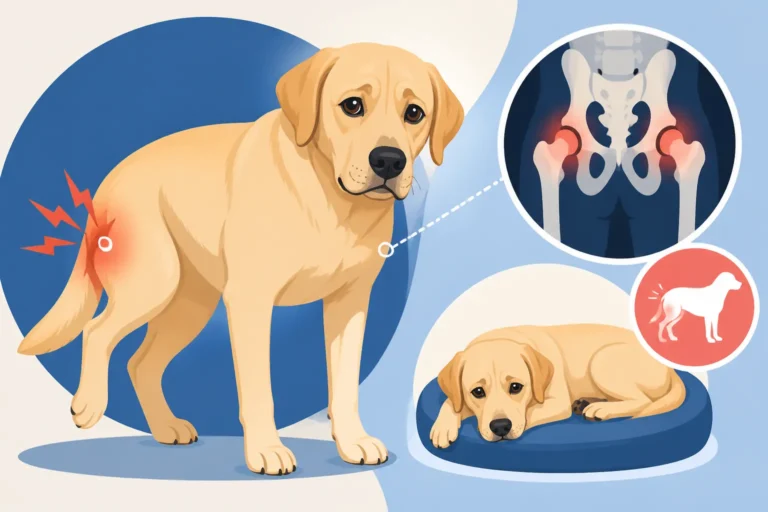
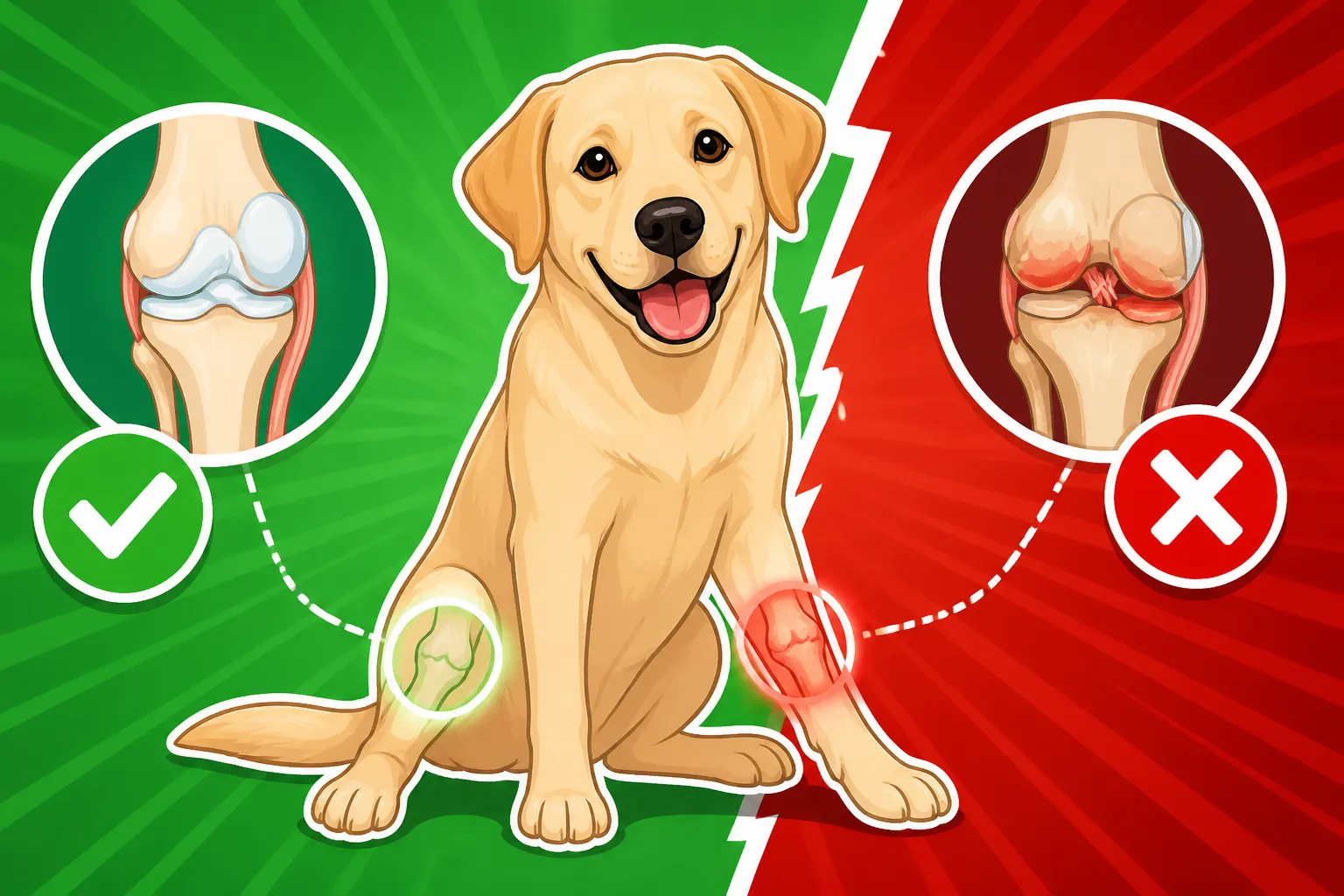
Cruciate ligament tears, often referred to as ACL tears (though technically CCL for cranial cruciate ligament in dogs), are one of the most common orthopedic injuries in active, large breed dogs like Labradors. It's not just a freak accident on the agility course; sometimes, it's a gradual degeneration that culminates in a full rupture. The cruciate ligament plays a critical role in stabilizing the knee joint, preventing the tibia (shin bone) from sliding forward relative to the femur (thigh bone). When this ligament is compromised, the joint becomes unstable, leading to pain, lameness, and eventual arthritis.
Why Labradors Are Especially Prone to These Injuries
Labradors, with their enthusiastic, high-energy nature and robust build, seem almost engineered for fun, but this also puts them at a higher risk for certain orthopedic conditions. Their powerful hindquarters, combined with their propensity for sudden stops, twists, and jumps during play, exert immense force on their knee joints. But it’s not just their athleticism; there's a strong genetic component at play too. Many veterinarians and orthopedic specialists believe that in Labradors, cruciate tears are often more of a degenerative disease rather than purely traumatic. This means the ligament slowly weakens over time, often without clear signs, until a seemingly minor activity causes it to rupture. It's a cruel twist of fate for such an active breed.
The Anatomy of a Tear and Its Impact
The cranial cruciate ligament (CCL) in dogs is analogous to the anterior cruciate ligament (ACL) in humans. It runs diagonally through the knee joint. When it tears, the knee joint becomes unstable, causing the characteristic "drawer sign" that vets check for. This instability causes pain, inflammation, and damages other structures in the knee, particularly the menisci (cartilage pads that act as shock absorbers). Over time, this chronic instability inevitably leads to the development of arthritis, which is why surgical intervention is often recommended. Without surgery, the joint continues to deteriorate, and the long-term prognosis for comfortable mobility is significantly reduced. This initial injury sets a precedent and often raises concerns about the health of the other knee, especially given the shared genetic predispositions and lifestyle factors.
The High Risk of Contralateral Tears in Labradors
The fear of the "other knee" tearing is a very real, and unfortunately, often justified concern for Labrador owners. It's a conversation most veterinary surgeons have with owners after the first diagnosis because the statistics are compelling. Many Labradors that experience a cruciate ligament tear in one knee will, at some point, suffer a similar injury in the opposite limb. This isn't just bad luck; there are several underlying reasons that make the second knee highly vulnerable.
Startling Statistics on Second Knee Tears
While exact percentages can vary slightly depending on the study, it’s commonly cited that anywhere from 40% to 60% of dogs that tear one cruciate ligament will go on to tear the other within two years. For breeds like Labradors, known for their genetic predisposition and similar conformation across both limbs, this number can lean towards the higher end. Imagine the relief you feel when your Labrador is finally recovering from their first surgery, only to be hit with the devastating news that the other knee is now failing. It's a crushing blow, both emotionally and financially. This high likelihood underscores the need for vigilant care and proactive management even after the first knee has been addressed. The stress placed on the uninjured limb during recovery, as it compensates for the weaker leg, only exacerbates any underlying issues.
Why the Uninjured Leg Becomes Vulnerable
When one knee is compromised, the body naturally shifts weight and reliance to the healthier leg. This compensatory mechanism, while necessary for mobility, places undue stress and strain on the "good" knee. If that knee already has underlying, subclinical degeneration of its cruciate ligament – a common scenario in breeds predisposed to these tears – the increased workload can accelerate the degenerative process. Think of it like a tire on your car; if one is flat, the others have to work harder, and if one of them was already worn, it’s much more likely to blow out next. The biomechanics shift, muscle imbalances develop, and the ligament that was perhaps already weakened by genetics or body weight is now under constant, elevated pressure. This is a critical period where proactive measures can make a significant difference.
Factors Increasing the Risk for the Second Knee
Understanding the common statistics and biomechanical shifts is one thing, but pinpointing the specific factors that increase your Labrador’s risk for a second cruciate tear can empower you to take more targeted action. These aren't just isolated issues; they often interact and compound each other, creating a perfect storm for joint instability.
Genetic Predisposition and Breed Lines
As we touched upon, genetics play a massive role in a Labrador's susceptibility to cruciate ligament disease. It's not always a single gene, but a complex interplay of genetic factors that influence joint conformation, ligament strength, and inflammatory responses within the joint. Some Labrador lines are simply more prone to these issues than others. If your Labrador is from a line with a known history of cruciate tears, or if their parents or siblings have suffered from them, then your dog inherently carries a higher risk for both the first and second knee to go. This makes it crucial to look into a breeder's history and Health Clearances a Labrador Breeder Must Show. While you can't change genetics, being aware of this predisposition allows you to be extra diligent with preventative care and monitoring.
Body Weight and Conditioning
This is perhaps one of the most modifiable and impactful risk factors. Labradors are notoriously food-driven and, unfortunately, can easily become overweight or even obese. We even have a detailed article on Why Labradors Gain Weight So Easily because it's such a common struggle. Every extra pound your Labrador carries puts additional stress on all their joints, especially the knees. Imagine carrying a backpack filled with bricks all day, every day – that's what excessive weight feels like on their ligaments. This constant load accelerates wear and tear, exacerbating any underlying ligament weakness. Maintaining a lean, healthy body condition is paramount not just for overall longevity, but specifically for preserving knee health and significantly reducing the risk of a contralateral tear. Your vet can help you assess your Labrador's Labrador Body Condition Scoring to ensure they're at their ideal weight.
Activity Levels and Type of Exercise
While Labradors need plenty of exercise, the type of activity can impact joint health. High-impact activities involving sudden stops, sharp turns, and jumping (like intense frisbee sessions or competitive agility without proper conditioning) can put immense strain on the cruciate ligaments. This is especially true if the dog isn't properly warmed up or if they have an underlying, undiagnosed weakness. While we never want to discourage a Labrador's joyful enthusiasm, especially for games like fetch, finding a balance and incorporating lower-impact exercises like swimming can be incredibly beneficial. For dogs recovering from a first tear, returning to high-impact activities too quickly or without adequate muscle rebuilding can be detrimental to the remaining healthy knee. Gradual return to activity and proper conditioning are key.
Biomechanical Factors and Post-Surgery Compensation
Even after a successful surgery on the first knee, the way a Labrador moves changes. Their gait might be slightly altered, and they will naturally compensate, even subtly, by favoring the operated leg or shifting weight to the other side. This subtle compensation can continue to stress the "good" knee. Furthermore, studies suggest that dogs with a certain tibial plateau angle (the slope of the top of the shin bone) might be more predisposed to CCL tears. Surgical techniques like Tibial Plateau Leveling Osteotomy (TPLO) or Tibial Tuberosity Advancement (TTA), while highly effective, address the mechanics of the joint to reduce stress on the remaining or repaired ligament but don't change the underlying conformation of the other knee. This is where meticulous physical therapy and careful monitoring of gait post-surgery become critical to minimize compensatory stress on the healthy limb.
Proactive Measures and Management for Knee Health
Preventing a second cruciate ligament tear, or at least delaying its onset, is a major goal for any Labrador owner. While some factors are out of our control, there's a lot you can do to support your Labrador's joint health. This comprehensive approach involves managing weight, appropriate exercise, physical therapy, and even considering how financial planning can ease the burden of such costly conditions.
Weight Management and Nutrition
Keeping your Labrador at a lean, healthy weight is the single most important thing you can do to protect their joints. This means careful portion control and choosing a high-quality, balanced diet. For a food-motivated breed like Labradors, it can be a constant battle, but it's a battle worth fighting. Use a measuring cup for kibble, resist over-treating, and opt for healthy snacks like carrots or green beans. Talk to your vet about the ideal weight range for your specific Labrador, as this can vary by build and activity level. If your Labrador is already overweight, work with your vet to create a safe and effective weight loss plan. It’s an investment in their long-term health and directly impacts their vulnerability to joint issues. We discuss this more in How Much Longer a Lean Labrador Lives.
Appropriate Exercise and Physical Conditioning
While Labradors need significant exercise, it's about quality and type, not just quantity. Focus on low-impact activities like swimming or long, steady walks on soft surfaces. Avoid sudden, twisting movements or intense, repetitive jumping, especially if your Labrador is recovering from a previous injury or is getting older. Incorporate controlled exercises that build core strength and hindquarter muscles, which provide better support for the knee joints. Your vet or a certified canine physical therapist can recommend specific exercises tailored to your Labrador's needs. Maintaining strong muscles around the knee can offer crucial stability and reduce stress on the ligament itself. Even short, consistent sessions are better than sporadic, high-intensity bursts.
| Risk Factor | Impact on Second Knee | Preventative/Management Action |
|---|---|---|
| Genetics | Predisposition to weak ligaments | Choose reputable breeder, monitor closely, early intervention |
| Obesity | Increased joint stress, accelerated degeneration | Strict weight management, balanced diet |
| High-Impact Exercise | Acute trauma, cumulative strain | Focus on low-impact, controlled activities; proper warm-up/cool-down |
| Compensatory Stress | Overload on healthy limb during recovery | Rigorous physical therapy post-surgery, controlled activity, gait assessment |
| Age | Natural degeneration of ligaments | Joint supplements, regular vet check-ups, modified exercise |
Post-Surgery Rehabilitation and Ongoing Joint Support
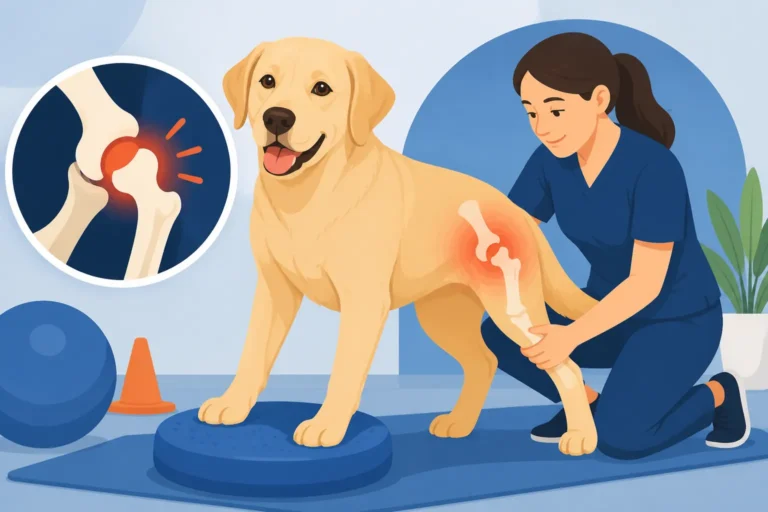
If your Labrador has already had surgery on one knee, a comprehensive rehabilitation program is non-negotiable for the best long-term outcome. This isn't just about recovery for the operated leg but also about strengthening the entire body and preventing excessive strain on the opposite limb. Physical therapy often includes hydrotherapy, therapeutic exercises, laser therapy, and massage. This specialized care helps rebuild muscle, improves balance, and ensures your Labrador regains proper gait mechanics, minimizing the stress on the "good" knee. Many of these principles apply to general joint health, which we cover in Physical Therapy for a Labrador With Bad Hips.
Beyond rehab, consider ongoing joint support. Supplements containing glucosamine, chondroitin, and MSM can help support cartilage health and reduce inflammation. Omega-3 fatty acids, like those found in fish oil, are also excellent anti-inflammatories. Discuss these options with your veterinarian, as they can recommend the best products and dosages for your individual dog. For senior Labradors, or those with established arthritis, your vet might also suggest specific medications to manage pain and inflammation. Early intervention and consistent care are vital for Slowing Joint Decline in an Older Labrador.
Financial Planning and Pet Insurance
Cruciate ligament surgeries are incredibly expensive, often costing several thousand dollars per knee. The thought of needing to pay for two such surgeries can be financially overwhelming for many families. This is where pet insurance can be a lifesaver. Companies like Healthy Paws offer comprehensive plans that can cover a significant portion of these unexpected veterinary bills, including diagnostics, surgery, and even rehabilitation therapy. Having pet insurance can provide immense peace of mind, allowing you to make medical decisions based on what's best for your Labrador, rather than being solely driven by cost.
It’s crucial to understand policy details, including waiting periods and whether pre-existing conditions are covered. Typically, once a cruciate tear occurs in one knee, any subsequent tear in the other knee may be considered a pre-existing condition if it happens too soon after the first or if the policy terms dictate. However, many policies will cover a contralateral tear if a sufficient waiting period has passed without signs in the second leg, or if the initial tear was covered. It's always best to get pet insurance for your Labrador as early as possible, ideally when they are puppies, to ensure maximum coverage before any issues arise. Investing in a plan from a reliable provider like Healthy Paws means you're prepared for potential future orthopedic challenges, including that dreaded second knee tear. Regular wellness checks and preventive care, even with insurance, are also key to long-term health.
Regular Veterinary Check-ups and Early Detection
Consistent veterinary care is fundamental to monitoring your Labrador’s overall health and catching any subtle signs of joint issues early. During routine exams, your vet can assess your Labrador's gait, palpate their knees for instability or discomfort, and discuss any changes in their activity or mobility that you might have observed. Early detection of a partial tear in the second knee, for example, might allow for less invasive management or better preparation for eventual surgery. Never underestimate your role as your Labrador's primary caregiver; you know their normal behavior best. If you notice any limping, stiffness, or reluctance to jump, even minor ones, don't hesitate to consult your vet. Early intervention can make a world of difference in the prognosis and recovery from these challenging injuries.
Disclaimer
This article is intended for informational purposes only and does not constitute professional veterinary advice. Always consult with a qualified veterinarian for any health concerns or before making any decisions about your Labrador's medical care.