Testing Labrador Puppies for CNM
There's nothing quite as heartbreaking as seeing a vibrant Labrador puppy, full of potential and mischief, begin to show signs of a serious health problem. When those issues stem from a genetic condition like Centronuclear Myopathy (CNM), the blow can be especially hard, not just on your wallet, but on your heart. This guide will walk you through everything you need to know about CNM in Labradors, from understanding its impact to the crucial steps of testing your puppies and navigating the results.
Understanding Centronuclear Myopathy CNM in Labradors
Centronuclear Myopathy, or CNM, is a hereditary muscle disease that specifically affects Labrador Retrievers. It's one of those silent threats that can lurk in a breed line, sometimes undetected until a litter arrives. As a dedicated Labrador owner, understanding this condition is paramount, especially if you're involved in breeding or considering a puppy from a specific lineage.
What Exactly is CNM and How Does It Affect Puppies?
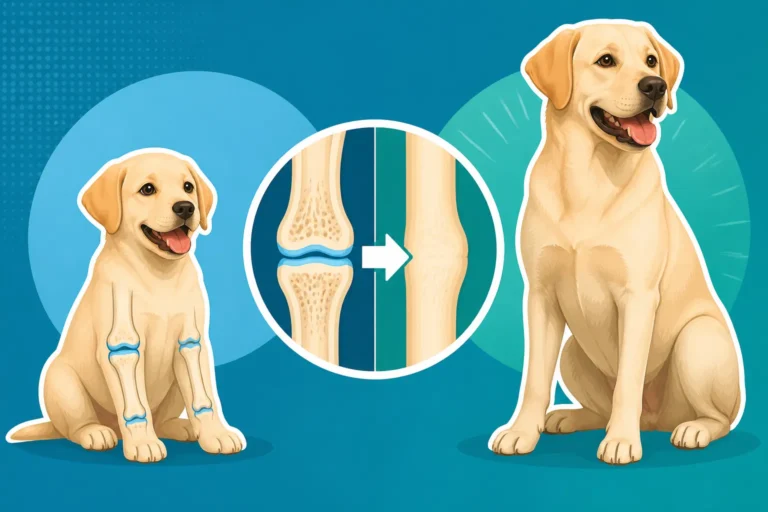
CNM is a fascinating, yet devastating, genetic disorder that impacts the muscles of a Labrador. Essentially, it causes the muscles to develop abnormally. Puppies affected by CNM often appear perfectly healthy at birth, which can be incredibly deceptive and make early detection challenging without genetic testing. Typically, the first signs begin to emerge between 2 to 5 months of age, though sometimes it can be a little earlier or later. Imagine bringing home a playful, seemingly healthy Labrador puppy, only to notice subtle changes in its gait and energy levels as it grows.
These initial symptoms might include a general weakness, especially in the hind limbs, and an unusual gait. The puppy might stumble more often, seem less coordinated than its littermates, or struggle with activities that other puppies handle with ease. As the condition progresses, the muscle weakness worsens, leading to muscle atrophy – a noticeable wasting away of the muscle tissue. Affected puppies might have difficulty standing, walking, and even eating. Their ability to exercise, play, or even manage basic movements becomes severely compromised. It truly transforms a potentially robust, active Labrador into one facing significant physical challenges. The long-term prognosis for affected dogs means a severely reduced quality of life, and unfortunately, most affected puppies do not live to adulthood due to the progressive nature of the disease and associated complications.
The Heartbreaking Reality of a CNM Diagnosis
Receiving a CNM diagnosis for a beloved Labrador puppy is, without exaggeration, devastating. It's a moment when dreams of long walks, retrieves, and joyful companionship can feel shattered. Owners often describe a deep sense of helplessness as they watch their once-energetic puppy gradually lose strength and mobility. The emotional toll is immense, as you grapple with the unfairness of the situation and the difficult decisions that often follow. It's a constant battle to balance the puppy's comfort and quality of life against the progression of the disease.
For a breeder, a CNM diagnosis in a litter represents a significant setback and a profound responsibility. It underscores the critical importance of rigorous health screening and ethical breeding practices. The frustration comes from knowing that, despite the best intentions, a hidden genetic flaw can surface, impacting innocent lives. This is precisely why genetic testing before breeding is not just recommended, but absolutely essential. It’s about preventing this heartbreak for both the puppies and the families who adore them. Without proactive testing, breeders are essentially rolling the dice, and the cost of that gamble is paid by the affected puppies and their future owners.
The Science Behind CNM Genetic Testing
Genetic testing might sound complicated, but it's a powerful tool that helps us understand and ultimately combat diseases like CNM. For Labrador owners and breeders, it’s a beacon of hope, providing clear answers and guiding responsible decisions.
How the DNM1 Gene Mutation Causes CNM
Centronuclear Myopathy is caused by a specific mutation in the DNM1 gene. This gene is responsible for producing dynamin 1, a protein crucial for nerve function and muscle development. When there's a mutation in this gene, the protein either isn't produced correctly or isn't functional, leading to the characteristic muscle weakness and atrophy seen in CNM-affected Labradors. It's inherited in an autosomal recessive pattern, which is a fancy way of saying a puppy needs to inherit two copies of the mutated gene—one from each parent—to be affected by the disease.
Here’s where it gets interesting and why testing is so vital:
- Clear dogs have two normal copies of the DNM1 gene. They won't develop CNM and cannot pass the mutated gene to their offspring.
- Carrier dogs have one normal copy and one mutated copy of the gene. These dogs are perfectly healthy and will never develop CNM themselves. However, they can pass the mutated gene on to 50% of their offspring. This is where the "hidden threat" comes in—a carrier looks completely normal, giving no outward sign that they carry this genetic possibility.
- Affected dogs have two copies of the mutated gene, meaning they inherited a mutated copy from both parents. These are the puppies that will develop CNM, exhibiting the debilitating symptoms we discussed earlier.
Understanding this inheritance pattern is fundamental to preventing CNM. If you breed two clear dogs, all puppies will be clear. If you breed a clear dog with a carrier, about half the litter will be clear, and half will be carriers, but none will be affected. The real danger arises when two carrier dogs are bred together. In that scenario, roughly 25% of the puppies will be clear, 50% will be carriers, and a heartbreaking 25% will be affected by CNM. This is why thorough Genetic Panels Worth Running on a Labrador are so important for any breeding program.
When and How to Test Labrador Puppies for CNM
The beauty of genetic testing is its simplicity and accuracy. For CNM, puppies can be tested at a very young age, often as soon as a reliable sample can be obtained, which is typically before they even go to their new homes. This proactive approach allows breeders to identify affected puppies early and, more importantly, to inform potential buyers of their puppy’s genetic status. The ideal time for breeders to test is before breeding the parents, but if that hasn't happened, testing the puppies individually is the next best thing.
The process itself is straightforward and non-invasive. Most genetic testing companies, like Embark, Optimal Selection, or Paw Print Genetics, offer CNM screening as part of a larger Labrador panel or as a standalone test. The most common method involves collecting a buccal swab—a simple, pain-free swab taken from the inside of the puppy's cheek. This collects enough cells to extract DNA. Some vets might prefer a small blood sample, but the cheek swab is generally preferred for ease and minimal stress, especially for young puppies. The collected sample is then sent to a specialized laboratory for analysis.
Results usually come back within a few weeks, clearly stating whether the puppy is "Clear," a "Carrier," or "Affected." This critical information empowers breeders to make responsible decisions regarding puppy placement and informs new owners about any potential health considerations. For anyone looking for a Labrador puppy, asking about parental CNM test results, or the puppy's individual test results, should be a standard part of your inquiries with any reputable breeder. It's a small step that can prevent immense heartache down the line, and can even save on potential Labrador Emergency Vet Bills if a serious genetic condition is avoided.
Interpreting CNM Test Results and What They Mean for Your Labrador
Once you receive those test results, it’s crucial to understand what they truly signify, not just for the individual puppy, but for any future breeding considerations. The terminology is quite standard across genetic tests, making interpretation relatively easy once you know the basics.
Deciphering "Clear," "Carrier," and "Affected" Results
Let's break down those critical terms from your Labrador's CNM genetic test results:
-
"Clear" (or "Normal"): This is the best possible result! A "Clear" Labrador has two healthy copies of the DNM1 gene. This means your dog will not develop Centronuclear Myopathy, nor will they ever pass the CNM mutation on to their offspring. If you are a breeder, a clear dog is highly desirable as they can be bred to any other clear or carrier dog without the risk of producing affected puppies. For a pet owner, it provides immense peace of mind, knowing that CNM is one health concern you don't have to worry about with your furry friend. They're genetically sound in this regard and can live a full, active life without the shadow of this debilitating muscle disease.
-
"Carrier": A "Carrier" Labrador has inherited one normal copy of the DNM1 gene and one mutated copy. The good news is that carriers will not develop CNM themselves. They are typically as healthy and active as any clear Labrador. However, they carry the potential to pass that single mutated gene on to approximately 50% of their puppies if they are bred. This is why carriers play a crucial role in preventing the spread of CNM. While they are healthy, responsible breeders will only ever breed a carrier dog to a dog that is "Clear" of CNM. Breeding two carriers together is a recipe for disaster, as it risks producing affected puppies. For pet owners, having a carrier Labrador means you don't need to worry about the disease affecting your dog, but if you were ever considering breeding, you'd know exactly what precautions to take.
-
"Affected": This is the result no one wants to see. An "Affected" Labrador has inherited two copies of the mutated DNM1 gene, one from each parent. This means the dog will develop Centronuclear Myopathy. As discussed earlier, these puppies will begin to show symptoms of muscle weakness and atrophy between 2-5 months of age, and the condition is progressive and debilitating. Sadly, their prognosis is poor, and they typically do not live long, comfortable lives. For breeders, an affected puppy means an immediate re-evaluation of the breeding pair and a commitment to never repeat that pairing. For owners, it means a difficult and emotionally taxing journey of providing supportive care, making tough decisions, and dealing with the reality of What Centronuclear Myopathy Does to a Labrador. The purpose of widespread testing is to eliminate this "Affected" category entirely through responsible breeding.
Here's a quick table to summarize the outcomes:
| Parent 1 Status | Parent 2 Status | Offspring Probabilities (Approx.) |
|---|---|---|
| Clear | Clear | 100% Clear |
| Clear | Carrier | 50% Clear, 50% Carrier |
| Carrier | Carrier | 25% Clear, 50% Carrier, 25% Affected |
| Clear | Affected | 100% Carrier |
| Carrier | Affected | 50% Carrier, 50% Affected |
| Affected | Affected | 100% Affected |
Implications for Breeding and Responsible Ownership
For breeders, the implications of CNM test results are clear and critical. If you have a breeding pair, both parents absolutely must be tested for CNM before any breeding takes place. This is part of doing your due diligence and providing Health Clearances a Labrador Breeder Must Show. Knowing the genetic status of your breeding stock allows you to make informed pairing decisions that guarantee no affected puppies are produced. The gold standard is to breed only "Clear" to "Clear," ensuring all offspring are clear. However, sometimes a valuable breeding dog might be a "Carrier." In these cases, that carrier dog can only be bred to a "Clear" dog. This ensures that while some puppies might be carriers themselves, none will be affected by the disease. Any offspring produced from a carrier x clear pairing should ideally be tested themselves before being considered for future breeding.
For responsible pet owners, especially those not planning to breed, understanding CNM testing is still vital. When you're looking for a puppy, always ask the breeder about their genetic testing protocols. A reputable breeder will be transparent about the health clearances of their breeding dogs, including CNM status. They should be able to provide documentation from laboratories like Optimal Selection or Embark. Choosing a puppy from parents who have been tested clear, or from a clear x carrier pairing, means you can rest easy knowing your puppy won't develop CNM. This due diligence not only protects your future companion but also supports ethical breeding practices within the Labrador community. It helps drive down the prevalence of genetic diseases, contributing to the overall health and longevity of the breed. Furthermore, having a healthy puppy from the start helps minimize unexpected costs down the line, which can be particularly reassuring when considering pet insurance like Healthy Paws.
Living with a CNM-Affected Labrador or Managing Carrier Status
While our goal is always prevention, sometimes life throws us a curveball. Knowing how to care for a CNM-affected dog or manage a carrier’s status responsibly is crucial for any dedicated Labrador owner.
Caring for a Puppy Diagnosed with CNM
If, despite all precautions, a Labrador puppy is diagnosed with CNM, the focus shifts entirely to compassionate care and maximizing their quality of life. This is an incredibly challenging road, both emotionally and practically. Because CNM is a progressive and incurable condition, treatment primarily involves supportive care aimed at managing symptoms and providing comfort. This might include:
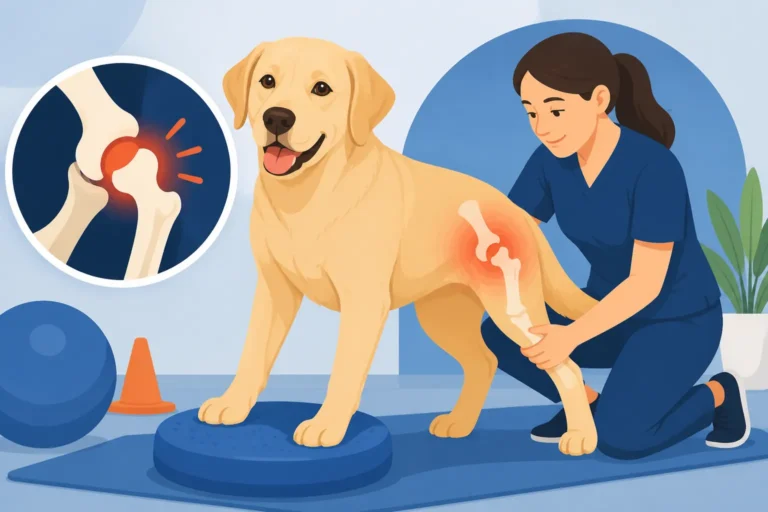
- Physical Therapy: Gentle exercises and massages can help maintain muscle mass and prevent contractures, improving mobility for as long as possible. A veterinary physiotherapist can guide you on appropriate routines.
- Nutritional Support: Ensuring the puppy receives adequate nutrition is vital, especially if muscle wasting impacts their ability to eat or maintain weight. High-quality, easily digestible food may be recommended.
- Mobility Aids: As weakness progresses, mobility aids like slings, harnesses, or even custom wheelchairs can help maintain some independence and allow the puppy to move around.
- Pain Management: While CNM itself isn't typically painful, secondary issues from muscle weakness or unusual gait can cause discomfort. Your vet might prescribe anti-inflammatory medications or other pain relief.
- Environmental Adjustments: Making your home easier to navigate with ramps, non-slip mats, and easily accessible food and water bowls can greatly reduce frustration and physical strain for an affected puppy.
The reality, however, is that CNM significantly shortens a Labrador’s lifespan, often leading to euthanasia before adulthood due to severe loss of function and diminished quality of life. This is one of the hardest decisions any pet owner will face, and it requires careful consultation with your veterinarian, focusing on the puppy's welfare above all else. During such difficult times, having a pet insurance plan that covers chronic conditions, such as those offered by Healthy Paws, could provide some relief regarding the extensive veterinary care costs, although conditions related to genetic issues often have waiting periods or specific clauses.
The Role of Health Clearances in Preventing CNM
The prevention of diseases like CNM truly lies in the hands of responsible breeders and informed prospective owners. Comprehensive health clearances for breeding dogs are the cornerstone of a healthy breed population. This isn't just about CNM; it extends to other prevalent Labrador health issues such as Labrador Hip and Elbow Dysplasia, various eye conditions, and certain cancers. A breeder who proudly shares their dogs' health clearances, including genetic panel results for conditions like CNM, Exercise-Induced Collapse (EIC), and Progressive Retinal Atrophy (PRA), demonstrates a commitment to the long-term well-being of the breed.
When you’re seeking a Labrador puppy, always ask to see the health certifications for both parents. These certifications should come from recognized registries like the Orthopedic Foundation for Animals (OFA) or PennHIP for hip and elbow evaluations, and from reputable genetic testing labs for DNA-based conditions. A breeder who hesitates or makes excuses about providing these documents is a major red flag. By choosing a puppy from thoroughly health-tested parents, you significantly reduce the risk of bringing home a puppy burdened by preventable genetic diseases, contributing to the overall health of the breed. It’s an investment in a healthy, happy future with your Labrador, and an active step in supporting responsible breeding, ultimately lessening the burden on individuals and the need for extensive medical interventions that may not be fully covered even by comprehensive plans like Healthy Paws.
Disclaimer
This article is intended for informational purposes only and does not constitute veterinary advice. Always consult with a qualified veterinarian for any health concerns or before making any decisions about your Labrador's care.