Finding a Reputable Labrador Breeder
Bringing a new Labrador into your home is an incredibly exciting time, but the journey to finding the right puppy can feel overwhelming, riddled with confusing information and even outright scams. Many prospective owners get caught between well-meaning advice and less-than-ethical breeders, making it hard to discern who truly puts the dogs first. This comprehensive guide is here to walk you through precisely how to find a reputable Labrador breeder, ensuring you bring home a healthy, well-adjusted companion from someone you can trust implicitly.
Why Finding a Reputable Labrador Breeder Matters So Much
Choosing a Labrador puppy is a commitment for the next decade or more, and where that puppy comes from profoundly impacts its entire life, and yours. The difference between a reputable breeder and a less scrupulous one isn't just a matter of price; it's about health, temperament, and the ethical responsibility we have to these wonderful animals.
Avoiding Health Heartache and Costly Vet Bills
One of the biggest heartbreaks for any dog owner is dealing with a sick puppy or an adult dog plagued by preventable genetic conditions. Labradors, while generally robust, are unfortunately prone to certain hereditary health issues, and a responsible breeder actively works to minimize these risks. When you choose a puppy from parents who haven't undergone proper health screenings, you’re essentially rolling the dice on their future well-being.
Take, for instance, conditions like hip and elbow dysplasia, which can lead to debilitating arthritis and expensive surgeries, or inherited eye diseases that can cause blindness. A reputable breeder invests significant time and money into screening their breeding dogs for these and other issues. They'll readily show you proof of certifications from organizations like the Orthopedic Foundation for Animals (OFA) or the PennHIP program for joint health, and current eye clearances from a veterinary ophthalmologist. Without these crucial steps, you could unknowingly adopt a puppy predisposed to a lifetime of pain and veterinary intervention. The financial burden alone for treating these conditions, which can include surgeries, long-term medication, and specialized care, can be staggering. We've seen countless stories of families facing impossible choices because their beloved Labrador developed severe, preventable conditions. Understanding the commitment to these clearances is why it's vital to grasp Health Clearances a Labrador Breeder Must Show and even prepare for Which Labrador Problems Cost the Most to Treat if you choose unwisely.
Securing a Predictable Temperament and Trainability
Beyond physical health, a Labrador's renowned temperament is one of its most cherished traits. They're known for being friendly, outgoing, eager to please, and highly trainable. This isn't accidental; it's the result of generations of selective breeding by conscientious individuals who value these qualities. However, temperament is also heavily influenced by genetics and early socialization. A breeder who doesn't prioritize sound temperament in their breeding stock, or who raises puppies in an isolated, unstimulating environment, can produce dogs that are fearful, anxious, overly reactive, or even aggressive.
Imagine bringing home a Labrador, expecting a laid-back family companion, only to find yourself with a dog constantly on edge, struggling with strangers, or displaying inappropriate behaviors due to poor genetics or early neglect. This can be incredibly frustrating and emotionally taxing for a family. Reputable breeders understand that the first eight weeks of a puppy's life are critical for shaping their future personality. They raise puppies in a rich home environment, exposing them to various sights, sounds, people, and experiences. They also carefully evaluate the temperaments of both parent dogs, ensuring they are stable, confident, and true to the breed's ideal. This diligence contributes immensely to the wonderful Labrador Temperament and Personality that makes them such popular family dogs and working partners.
Supporting Ethical Breeding Practices
When you purchase a puppy, you're not just buying an animal; you're supporting a system. Choosing a reputable breeder means you are directly contributing to ethical breeding practices that prioritize the health, welfare, and preservation of the Labrador Retriever breed. Conversely, buying from a "backyard breeder" or, worse, a puppy mill, perpetuates practices that are often detrimental to dogs.
Backyard breeders typically breed their pets without adequate health testing, genetic knowledge, or an understanding of temperament. Their primary motivation might be to "make a little money" or "just have one litter." Puppy mills, on the other hand, are large-scale commercial breeding operations where profit overshadows animal welfare. Dogs in these facilities often live in squalid conditions, receive minimal veterinary care, and are bred continuously until they are no longer productive, then discarded. Puppies from these sources frequently suffer from health issues, behavioral problems, and are often poorly socialized. By supporting reputable breeders, you're not only getting a healthier, happier puppy, but you're also helping to combat these inhumane practices and ensure the future integrity of the Labrador Retriever breed.
Understanding What "Reputable" Truly Means
The term "reputable breeder" gets thrown around a lot, but what does it actually signify? It’s far more than just someone who sells puppies with papers. It implies a deep commitment, extensive knowledge, and an ethical framework that guides every decision.
Dedication to the Breed Standard and Health
At its core, a reputable breeder is a steward of the Labrador Retriever breed. This means they are intimately familiar with the official breed standard, such as that set by the American Kennel Club (AKC) in the United States, and strive to produce dogs that exemplify these characteristics in terms of conformation, temperament, and working ability. They aren't just breeding any two Labradors; they are carefully selecting breeding pairs with complementary qualities to improve the breed with each generation. This isn't about vanity; it's about ensuring the dogs are functionally sound, robust, and capable of fulfilling the roles they were originally bred for.
Their dedication to health is paramount. It means going beyond the bare minimum of vaccinations and deworming. It involves understanding genetic predispositions, utilizing available genetic tests, and often participating in health databases. They're not just looking for a puppy to sell; they're looking to place a sound, healthy dog in a forever home. This long-term vision is what separates them from those simply trying to make a quick profit. For a deeper understanding, familiarizing yourself with The AKC Labrador Retriever Breed Standard offers valuable insight into what these breeders are striving for.
Transparency and Open Communication
A hallmark of a reputable breeder is their transparency and willingness to communicate openly with prospective puppy buyers. They understand that bringing a puppy home is a significant decision, and they want you to be fully informed and comfortable. This means they should be eager to answer all your questions, no matter how many you have, and should also be asking you plenty of questions in return.
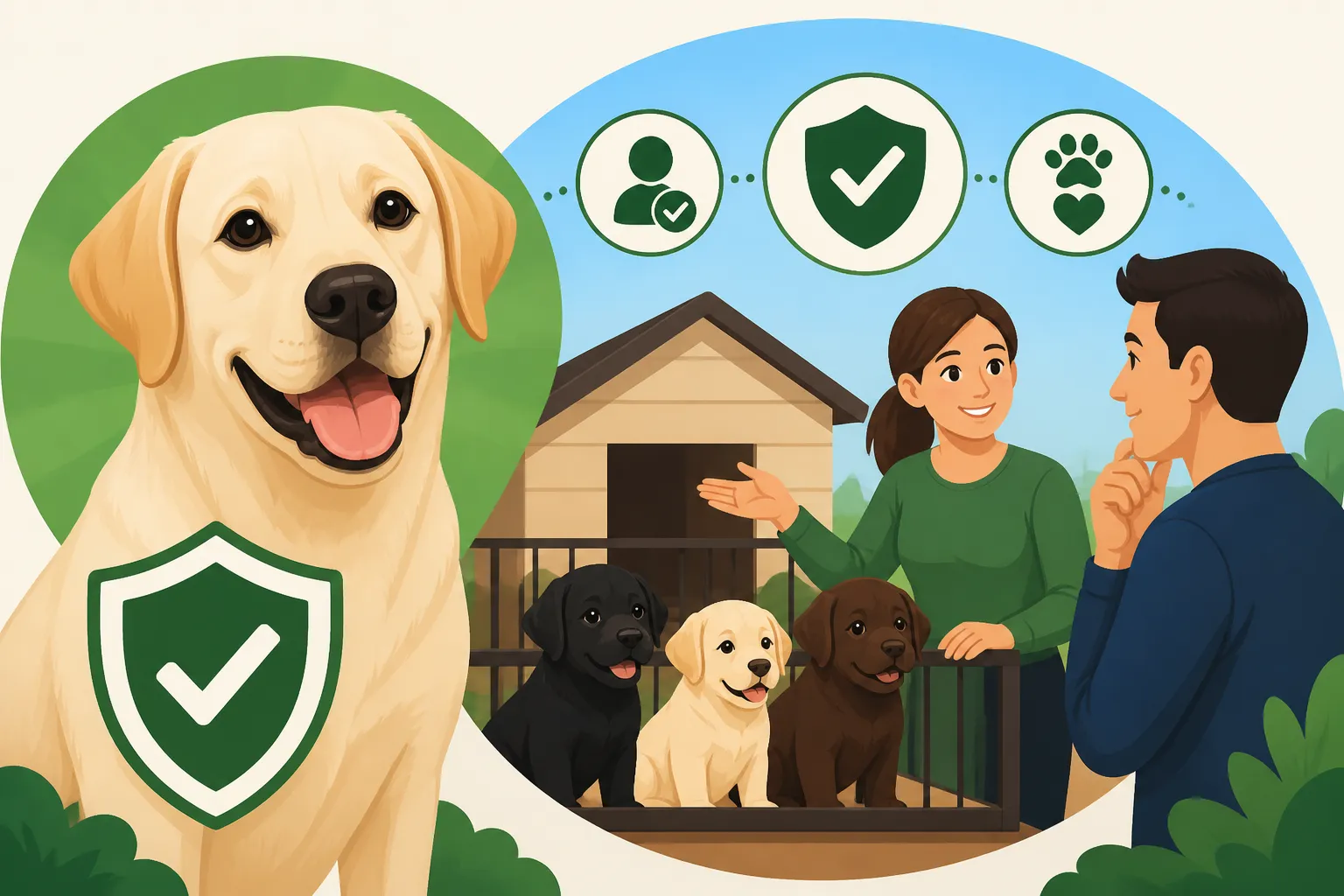
You should expect them to invite you to visit their facility, meet both parent dogs (if available, sometimes the sire lives elsewhere), and observe the puppies in their home environment. They should be forthcoming with all health clearances, pedigrees, and any relevant information about the lineage. They won't pressure you into making a quick decision or try to hide anything. Instead, they'll act as a valuable resource, offering advice and support before, during, and long after the puppy goes home. If a breeder is evasive, resists visits, or is unwilling to provide detailed information, these are major red flags that should prompt you to walk away. It's often said, "a good breeder interviews you more than you interview them," and this holds true for their commitment to finding the right home.
Lifelong Support and Take-Back Guarantees
Perhaps one of the most defining characteristics of a truly reputable breeder is their lifelong commitment to every dog they bring into the world. They view themselves as responsible for their puppies for their entire lives, not just until they leave for their new homes. This commitment is often formalized in their contract through a "take-back guarantee."
This means that if, at any point in the dog's life, you are unable to keep it – whether due to unforeseen circumstances, changes in living situation, or any other reason – the breeder will require the dog to be returned to them. They will either rehome the dog themselves or assist you in finding a suitable new home, ensuring none of their dogs ever end up in a shelter. This isn't just a safety net for you; it's a testament to their profound dedication to the welfare of their animals. It shows they truly care about where their puppies end up and are invested in their well-being throughout their entire existence. Such a guarantee provides immense peace of mind and underscores the ethical foundation of their breeding program.
The Health Clearances Every Labrador Parent Should Have
When you're looking for a Labrador puppy, the health clearances of the parent dogs are non-negotiable. These are the tangible proof that a breeder is taking proactive steps to minimize the risk of passing on inherited conditions. Don't just take their word for it; ask to see the official certificates.
Hip and Elbow Dysplasia Screening
Hip and elbow dysplasia are two of the most common and debilitating orthopedic conditions in Labradors, leading to arthritis, pain, and potentially expensive surgeries. Reputable breeders will have their breeding dogs screened by recognized orthopedic organizations.
- OFA (Orthopedic Foundation for Animals): This is a widely respected organization in the U.S. that evaluates hip and elbow radiographs. For hips, dogs are rated Excellent, Good, Fair (all considered passing), Borderline, or Dysplastic. For elbows, they are rated Normal, Grade I, II, or III Dysplasia. You should only consider puppies from parents rated "Fair" or better for hips and "Normal" for elbows. The certifications are typically performed after the dog is two years old, as before that, their joints are still developing.
- PennHIP: This method uses a different radiographic technique and provides a quantitative measure of hip laxity (looseness), which is a key indicator of hip dysplasia risk. Scores are given as a distraction index (DI) ranging from 0 to 1, with lower numbers indicating tighter hips and less risk. Reputable breeders using PennHIP aim for dogs with a DI typically in the top 30% of the breed.
It's crucial to understand what these scores mean. A "passing" OFA or PennHIP score indicates a much lower likelihood of the parent dog developing or passing on these conditions. Seeing these certifications is absolutely essential when vetting a breeder, as it directly impacts your puppy's potential for a healthy, active life. For a deeper dive into these methods and what to look for, you'll want to read about OFA and PennHIP Screening for Labradors. These screenings are critical in preventing issues like Labrador Hip and Elbow Dysplasia and Elbow Dysplasia in Labrador Retrievers.
Eye Exams and Genetic Eye Disease Panels
Labradors can also be prone to various eye conditions, some of which are progressive and can lead to blindness. A responsible breeder will take steps to ensure the eye health of their breeding stock.
- Yearly OFA Eye Exams (formerly CERF): Breeding dogs should undergo annual eye examinations by a board-certified veterinary ophthalmologist. These exams screen for a range of conditions, including cataracts, progressive retinal atrophy (PRA), retinal dysplasia, and other abnormalities. The results are submitted to the OFA and indicate whether the dog is clear of observable inherited eye disease at the time of the exam. Since some conditions can develop later in life, these yearly checks are vital.
- Genetic Eye Disease Panels: Beyond physical exams, several genetic tests are available for specific inherited eye conditions. The most common one for Labradors is prcd-PRA (Progressive Rod-Cone Degeneration – Progressive Retinal Atrophy). This is a cruel disease that causes gradual blindness, typically starting in adulthood. Breeders can test their dogs to determine if they are clear, carriers, or affected by this gene. A reputable breeder will ensure that at least one parent of a litter is "clear" of prcd-PRA to guarantee that no puppy in the litter will ever be affected by this form of PRA. Understanding Labrador Eye Conditions and Vision Loss and specifically Progressive Retinal Atrophy in Labradors is key.
Other Important Genetic Tests
While hips, elbows, and eyes are often the first things discussed, several other genetic conditions can affect Labradors. Thanks to advancements in veterinary genetics, responsible breeders now utilize DNA tests to screen for these diseases, ensuring they don't produce affected puppies.
- Exercise-Induced Collapse (EIC): This is a serious condition common in Labradors, particularly field lines, where affected dogs can experience collapse and weakness after periods of strenuous exercise. It's an autosomal recessive trait, meaning a dog must inherit two copies of the defective gene (one from each parent) to be affected. Reputable breeders test for EIC, ensuring that at least one parent is "clear" so that no puppy can be affected. Carriers are fine to breed, provided they are bred to a clear dog. This condition is why learning about Exercise-Induced Collapse in Labrador Retrievers is so critical for any prospective owner.
- Centronuclear Myopathy (CNM): Also known as hereditary myopathy, this is a severe muscle disease that causes generalized muscle weakness and atrophy, often leading to a wobbly gait and difficulty eating. Like EIC, it's recessive, so breeders test for it to avoid producing affected puppies.
- Hereditary Nasal Parakeratosis (HNPK): This condition affects the skin of the nose, causing it to become dry, crusty, and inflamed, leading to discomfort and cracking. While not life-threatening, it requires lifelong management. Again, genetic testing allows breeders to avoid producing affected dogs.
- Dilute Gene (D Locus): While not a health condition, reputable breeders will often test for the dilute gene, which is responsible for "silver," "charcoal," and "champagne" colored Labradors. These colors are not recognized in the breed standard, and responsible breeders will ensure their dogs do not carry this gene to preserve the traditional Labrador colors.
A breeder who is diligent about all these tests is showing a profound commitment to the health of their bloodlines. Knowing about Genetic Panels Worth Running on a Labrador will empower you to ask the right questions.
Asking the Right Questions and Spotting Red Flags
Once you've done your initial research and perhaps identified a few potential breeders, it's time to engage with them. This interaction is your chance to gather crucial information and, just as importantly, to assess their integrity and knowledge. Don't be shy; a good breeder will welcome your questions.
Questions About Parent Dogs and Their History
The health and temperament of the parent dogs are the best indicators of what you can expect in their offspring. Always ask to meet the mother (dam) in person if possible, and inquire about the father (sire), even if he lives off-site.
- Age and Number of Litters: Ask how old the dam is and how many litters she has had. Reputable breeders typically wait until a female is at least two years old to breed her, ensuring she is mature and her health clearances are complete. They also limit the number of litters a female has over her lifetime, usually spacing them out to allow her to fully recover. Frequent, back-to-back litters are a sign of a puppy mill or an irresponsible breeder.
- Health History: Inquire about the parents' health beyond the standard clearances. Have they ever had any serious illnesses, injuries, or required surgery? How old are the parents? While health clearances indicate a lot, a full picture of their general well-being is important.
- Temperament and Personality: Ask about the personalities of both parents. Are they friendly, calm, and outgoing? Do they have any quirks or issues? Are they good with children and other animals? This gives you an insight into the genetic predisposition of the puppies. Observe the mother's interaction with her puppies and with you. She should be calm, attentive, and friendly, not fearful or aggressive.
- Pedigree and Titles: Ask about the dogs' pedigrees. Are there any champions or titled dogs in their lineage (e.g., in conformation, obedience, agility, or field work)? While titles aren't a guarantee of health, they indicate that the dogs have been evaluated by independent judges for their adherence to the breed standard and working ability. Seeing proof of these achievements provides confidence in the breeder's dedication to improving the breed.
Questions About Puppy Rearing and Environment
How puppies are raised during their first eight weeks is hugely impactful on their development, affecting everything from their house-training success to their confidence around new experiences.
- Where are the puppies raised? Reputable breeders raise puppies inside their homes, integrating them into daily family life. This exposes them to normal household sounds (vacuum cleaners, doorbells, children's laughter), which helps them develop into well-adjusted adults. Puppies raised in outdoor kennels, basements, or isolated sheds often lack proper socialization and can be fearful or undersocialized.
- What is their socialization plan? Ask about specific steps the breeder takes to socialize the puppies. Do they introduce them to different people (men, women, children), varied surfaces, gentle handling, and safe toys? Are they exposed to crates for short periods? This early exposure is vital for a puppy's confidence and adaptability. This early care is a crucial part of Labrador Puppy Health in the First Year.
- What is their diet? Inquire about the food the puppies are eating and what they recommend for continued feeding. Many reputable breeders use high-quality kibble or even fresh food options. For instance, some may recommend a brand like Ollie, known for its fresh, human-grade ingredients, to ensure the puppies are getting optimal nutrition. Understanding their feeding philosophy helps you prepare for your puppy's transition home.
- Vaccination and Deworming Schedule: Ask for a detailed veterinary record of vaccinations and deworming. Puppies should have received at least their first round of core vaccinations and several deworming treatments before going home, typically around 8 weeks of age.
Red Flags You Should Never Ignore
While asking questions is important, some answers (or lack thereof) are immediate deal-breakers. These red flags often indicate a backyard breeder or, worse, a puppy mill.
- No Health Clearances or Excuses: If a breeder cannot or will not provide proof of health clearances (OFA/PennHIP, eye exams, genetic tests) for both parents, walk away. Excuses like "the vet said he's healthy" or "we don't believe in those tests" are unacceptable. Always ask to see the physical certificates or verify them online via OFA's public database.
- Inability to Meet Parents or See Home Environment: If a breeder refuses to let you meet the mother or see where the puppies are raised, this is a huge red flag. They might be hiding unsananitary conditions, fearful parent dogs, or that the puppies aren't actually raised by them. You might be supporting a broker or a large-scale operation. This directly relates to the advice in What a Breeder Who Will Not Let You Visit Hides.
- Multiple Breeds or Too Many Litters: Breeders who offer several different breeds or constantly have multiple litters available, often of varying ages, are typically not focused on the quality of a single breed. This can be a sign of a commercial breeding operation.
- No Contract or Health Guarantee: A reputable breeder will always provide a detailed written contract outlining the terms of sale, health guarantees, and their take-back policy. A lack of such a document signals a lack of responsibility.
- Pushing for a Quick Sale or Meeting in Public: Be wary of breeders who pressure you to buy a puppy immediately, insist on cash-only payments, or want to meet you in a public place (like a parking lot) rather than at their home. These are common tactics used by unethical breeders to avoid scrutiny.
- Suspiciously Low or Exorbitant Prices: While prices vary, a price significantly below the average for a well-bred Labrador in your area (e.g., Why a Six Hundred Dollar Labrador Is a Warning) often indicates a lack of investment in health testing, proper care, and quality breeding. Conversely, an outrageously high price for a puppy without any additional proof of exceptional lineage or unique qualities can also be a scam.
The Importance of a Comprehensive Contract
A written contract is more than just a piece of paper; it's a legal agreement that protects both you and the breeder, and most importantly, the puppy. A reputable breeder will always provide one, clearly outlining responsibilities and expectations.
Health Guarantees and Return Policies
A key component of any good breeder's contract is the health guarantee. This section should detail what the breeder guarantees regarding your puppy's health and for how long.
- Genetic Health Guarantee: Most reputable breeders offer a guarantee against severe, debilitating inherited diseases (like severe hip/elbow dysplasia, certain eye diseases, or EIC) for a specified period, often until the dog is two years old, which is when most genetic issues would typically manifest. This guarantee might cover a refund, a replacement puppy, or assistance with veterinary costs, depending on the terms. Always clarify what conditions are covered and the exact timeframe.
- Initial Health Check Guarantee: The contract should also include a short-term guarantee, typically 48-72 hours, allowing you to have your new puppy examined by your own veterinarian. If your vet finds any significant health issues during this initial check, you should have the option to return the puppy for a full refund or exchange. This protects you from bringing home a puppy with an undiagnosed illness or congenital defect.
- Return Policy: As discussed earlier, a non-negotiable clause in a reputable breeder's contract is the "take-back" policy. This states that if you are ever unable to keep the dog, for any reason, you must return it to the breeder. This ensures their dogs never end up in shelters or rescue systems, and it's a clear sign of their lifelong commitment.
Spay/Neuter Clauses and Limited Registration
Many contracts from reputable breeders will include clauses regarding spaying or neutering and the type of registration your puppy will receive.
- Limited Registration: For puppies sold as pets, reputable breeders almost always provide "limited registration" with the AKC (or their respective kennel club). This means the dog is recognized as a purebred Labrador Retriever but cannot be shown in conformation events and any offspring cannot be registered. This policy is designed to protect the breeder's lines and discourage casual, irresponsible breeding.
- Spay/Neuter Clause: Often tied to limited registration, the contract will stipulate that you must spay or neuter your puppy by a certain age, usually between 12-24 months. The breeder might ask for proof from your veterinarian. This is another measure to prevent accidental or irresponsible breeding, ensuring that only dogs evaluated for health and temperament are used in breeding programs. You can learn more about these requirements in Spay and Neuter Clauses in a Labrador Contract.
- Breeding Rights (Full Registration): If a puppy is sold with "full registration" (meaning they can be bred and their offspring registered), this is a rare occurrence reserved for individuals who are also reputable breeders or who have a clear and established plan for breeding and showing. These puppies typically command a higher price and come with stricter contractual obligations.
What to Do If Things Go Wrong
Even with the best intentions and the most comprehensive contract, sometimes unforeseen issues arise. A good contract outlines the steps to take if a problem occurs, and a good breeder remains a resource.
- Communication is Key: The contract should emphasize that you must communicate with the breeder immediately if any health or behavioral issues arise, especially if they fall under the health guarantee. They often want to be involved in the diagnostic process.
- Breeder as a Resource: Beyond contractual obligations, a reputable breeder acts as a lifelong mentor. They want to hear updates about their puppies and are happy to offer advice on training, health, nutrition, or any challenges you might encounter. They are invested in the success and happiness of their dogs in their new homes. Their knowledge of the specific bloodlines can be invaluable if a genetic issue does crop up.
Where to Begin Your Search for a Reputable Labrador Breeder
Now that you know what to look for, where do you actually find these wonderful people? The search might take some time, but it’s worth every effort.
Breed Clubs and National Organizations
The absolute best place to start your search is through official breed clubs. These organizations are dedicated to the preservation and improvement of the Labrador Retriever and adhere to strict ethical guidelines.
- The Labrador Retriever Club, Inc. (LRC, Inc.): This is the AKC-parent club for the Labrador Retriever in the United States. Their website is an invaluable resource. They have a breeder directory or a list of regional member clubs, all of whom typically adhere to the LRC's strict Code of Ethics. Members are expected to complete health clearances and breed responsibly. You can find contact information for breeders or local club representatives who can provide referrals.
- Local and Regional Breed Clubs: Most states or regions have their own Labrador Retriever clubs (e.g., the Greater Boston Labrador Retriever Club, the Potomac Labrador Retriever Club). These clubs often host events, provide education, and maintain their own lists of reputable member breeders. Attending their meetings or events is a fantastic way to network.
- AKC Marketplace: While not all breeders listed on the AKC Marketplace are equally reputable, it's a starting point that requires breeders to comply with certain standards. Use it as a tool to find potential breeders, but always apply all the vetting criteria discussed in this guide. Don't assume an AKC registration alone guarantees a responsible breeder.
Attending Dog Shows and Field Events
Seeing Labradors in action and meeting their owners and breeders in person is an excellent way to connect with reputable sources and learn more about the breed.
- Conformation Dog Shows: Visit an AKC (or other national kennel club) dog show in your area. Look for the Labrador Retriever ring. This allows you to see many different Labradors, observe their conformation, and potentially meet the breeders or owners of dogs you admire. You can chat with them ringside (politely, when they're not actively showing) and ask for referrals. It gives you a great visual of what "type" of Labrador you prefer – whether it's the more robust "English" or "show" line or the leaner "American" or "field" line.
- Field Trials and Hunt Tests: Labradors were originally bred as working retrievers, and many reputable breeders still focus on preserving these instincts. Attending a field trial or hunt test allows you to see Labradors doing what they love best – retrieving. This is an excellent way to find breeders of "field line" Labradors, who often produce dogs with intense drive and energy. Observing their natural abilities is truly impressive and will give you an idea of the kind of exercise requirements your future pup might have.
Networking and Referrals
Sometimes the best leads come from personal recommendations. Don't underestimate the power of networking within the dog community.
- Talk to Other Labrador Owners: Strike up conversations with Labrador owners you meet at the dog park, vet's office, or even just on a walk. Ask them about their dogs, where they got them, and what their experience was like. Many owners are happy to share their stories and may offer valuable referrals or warnings.
- Ask Your Veterinarian: While most veterinarians won't directly endorse specific breeders due to ethical considerations, they might be able to tell you which breeders in the area have a reputation for bringing in healthy puppies and being proactive about their dogs' care. They often see the consequences of poor breeding firsthand.
- Online Communities (with caution): There are many online forums and social media groups dedicated to Labrador Retrievers. While these can be a source of information and community, exercise extreme caution. It's easy for irresponsible breeders to present themselves well online. Always cross-reference any information or referrals you receive with the vetting criteria outlined in this guide. Never rely solely on an online recommendation.
What to Expect from the Process and the Investment
Finding a reputable Labrador breeder isn't like buying a commodity; it's a process, an investment of time, and ultimately, an adoption into a larger community of Labrador enthusiasts.
The Waitlist and Application Process
Be prepared for a wait. Reputable breeders don't always have puppies readily available. They breed sparingly, only when they feel they have suitable homes lined up or when they want to keep a puppy for their own breeding program. This means there's often a waitlist, sometimes extending for several months or even a year.
- Application and Interview: Expect to fill out a detailed application. This isn't meant to be intrusive; it's the breeder's way of getting to know you, your lifestyle, your experience with dogs, and what you're looking for in a puppy. They want to ensure their puppies go to suitable, loving, and responsible homes. They'll likely ask about your living situation, family members (including children and other pets), how much time you can dedicate to a dog, and your understanding of Labrador needs. Be prepared for a phone interview, too. This detailed process is part of why understanding How Long a Labrador Waitlist Runs is important.
- Deposits: Once you've been approved and are placed on a waitlist, the breeder will usually require a non-refundable deposit to secure your spot for a future litter. This shows your commitment and helps the breeder plan. Ensure the deposit terms are clearly outlined in writing.
Understanding Labrador Puppy Prices
Well-bred Labrador puppies from reputable breeders come with a significant price tag, but it reflects the extensive investment the breeder has made.
- What You're Paying For: The cost of a reputable Labrador puppy (typically ranging from $1,000 to $3,000 or more, depending on location, lineage, and breeder reputation) covers much more than just the puppy itself. It reflects the cost of:
- Health Clearances: All the hip, elbow, eye, and genetic testing for both parents.
- Quality Care: Optimal nutrition, veterinary care, and health supplements for the breeding dogs.
- Puppy Rearing: High-quality food for the mother and puppies, vaccinations, deworming, microchipping, and early vet checks for the litter.
- Time and Expertise: The breeder's countless hours dedicated to researching pedigrees, whelping, raising, and socializing the puppies, as well as providing ongoing support to puppy owners.
- Ethical Practices: The commitment to the breed, the take-back guarantee, and ensuring the health and temperament of their lines.
- Comparison: Compare these costs to the much lower prices of puppies from backyard breeders or pet stores, which often skimp on health clearances and proper puppy care, leading to higher risks of future health issues and behavioral problems. For more detail, read Labrador Puppy Prices and What Moves Them.
| Feature | Reputable Breeder | Backyard Breeder / Pet Store |
|---|---|---|
| Parent Health Tests | Extensive OFA, PennHIP, Eye, Genetic Panels (proof) | Minimal or none; "Vet checked" only |
| Parent Temperament | Carefully selected; stable, typical of breed | Unknown; often reactive or anxious |
| Puppy Environment | Raised in home; rich socialization, clean | Isolated (kennel, garage); minimal socialization |
| Contract/Guarantee | Detailed, includes health & take-back clause | Minimal or none |
| Transparency | Open to visits, answers all questions | Evasive; meets in public; rushed sale |
| Support | Lifelong resource; dedicated to dog's welfare | Little to no follow-up support |
| Price Range | Higher (e.g., $1000-$3000+) | Lower (e.g., $500-$1000) or extremely high |
| Motivation | Improve breed, produce healthy, stable dogs | Profit, "experience" |
The Lifelong Commitment Beyond the Purchase
Bringing a Labrador into your home is just the beginning of a long and rewarding journey. The purchase price is merely the entry fee; the real financial and emotional investment comes with lifelong care.
- Ongoing Costs: Be prepared for the ongoing costs of owning a Labrador, which include high-quality food (you might continue with Ollie or choose another premium brand), veterinary care (yearly check-ups, vaccinations, parasite prevention), training classes, grooming supplies (like those available from Chewy), toys, and potential emergency vet bills. Understanding The First Year With a Labrador and What It Costs will help you budget effectively.
- Time and Training: Labradors are energetic, intelligent dogs that require significant time for exercise, training, and mental stimulation. They thrive on companionship and being part of the family. Be realistic about the time commitment involved in raising and living with a Labrador.
- Pet Insurance: Given the potential for genetic health issues and unexpected accidents, pet insurance is a wise investment. Companies like Healthy Paws offer various plans that can help mitigate the financial impact of costly veterinary treatments, providing peace of mind. It’s definitely something to consider for your new companion, and you can learn more about it in Pet Insurance for a Labrador Retriever.
Finding a reputable Labrador breeder is indeed a journey, not a sprint. It requires patience, research, and a willingness to ask tough questions. But by doing your due diligence, you significantly increase your chances of welcoming a healthy, happy, and well-adjusted Labrador into your family – a true companion who will bring immense joy for many years to come.
Disclaimer
Please remember that this article offers general guidance. Always consult with a qualified veterinarian or certified dog behaviorist for personalized advice regarding your Labrador Retriever's health and training needs. The mention of specific brands is for illustrative purposes only and does not constitute an endorsement.