Retrieving Games That Tire a Labrador
One of the most common frustrations Labrador owners face is feeling like their energetic companion has an endless battery. You throw the ball, they bring it back, you throw it again, and they're still bouncing off the walls while you're ready for a nap. This relentless drive, while endearing, can lead to boredom, mischievous behavior, and a generally overstimulated dog if not properly channeled. This guide will explore a variety of retrieving games and strategies designed to truly tire out your Labrador, engaging both their boundless physicality and their sharp minds, leading to a much calmer and happier household.
Understanding Your Labrador's Innate Drive to Retrieve
Before we dive into specific games, it’s helpful to truly grasp why Labradors are so obsessed with retrieving. It’s not just a cute quirk; it’s deeply ingrained in their very being, a remnant of centuries of selective breeding.
The Instinctual Retriever: A History Lesson
Labrador Retrievers weren't just born to look handsome or be great family pets; they were bred for a demanding job. Originating from the St. John's water dog, their ancestors worked alongside fishermen in Newfoundland, retrieving fish that had fallen out of nets, lines, or off boats, and later, bringing back downed game for hunters in Britain. This history explains their robust build, dense double coat, webbed feet, and, most importantly, their "soft mouth" – the ability to carry objects, even delicate ones, without damaging them.
This instinct means that retrieving isn't just an activity for a Labrador; it's a fundamental expression of their natural self. When your Labrador excitedly brings you a slipper, a remote control, or even a leaf, they're not necessarily trying to be naughty (though sometimes they are!), they're fulfilling an ancient urge. Understanding this deep-seated drive is the first step in harnessing it for effective exercise and mental stimulation. Because this drive is so powerful, simply ignoring it or trying to suppress it often leads to frustration for both dog and owner. Instead, we want to give them acceptable, structured ways to fulfill this core instinct.
Beyond Physical Exertion: The Need for Mental Engagement
It's a common misconception that just running a Labrador until they drop is enough. While physical exercise is undeniably important for these athletic dogs, it's only half the battle. A Labrador who is physically tired but mentally bored can still be a handful. Think of a child who runs around all day but then gets cranky because they haven't had anything interesting to do; dogs are much the same. Retrieving games are phenomenal because they marry physical activity with crucial mental stimulation.
Every time your Labrador has to watch where a toy lands, navigate terrain to find it, or even wait patiently for you to throw it, their brain is working. This mental engagement taps into their problem-solving skills, focus, and memory, and it can be just as tiring, if not more so, than pure physical exertion. A Labrador who has spent time actively thinking during a game is often calmer and more content than one who has merely sprinted for an hour. Varying the types of retrieves and adding elements of problem-solving keeps them engaged and prevents the games from becoming monotonous.
Classic Retrieving Games for Every Labrador
Let's explore some tried-and-true retrieving games that are sure to be a hit with your Labrador, offering varying levels of physical and mental challenge.
The Simple Game of Fetch: Elevated
"Fetch" might sound basic, but there are ways to elevate this classic to provide a more engaging workout for your Labrador. It's not just about throwing a ball; it's about strategic throwing, varying the environment, and perhaps even introducing a bit of a challenge.
Instead of just tossing a tennis ball across a flat yard, think about incorporating inclines or uneven terrain. A slight hill in a park means your Labrador has to work harder on the way up and maintain balance on the way down. Throwing into light brush or taller grass adds a scent-work element, forcing them to use their nose to locate the hidden toy rather than just their eyes. Varying the distance also helps; sometimes a short, fast throw, other times a longer one that requires a full sprint. Consider using multiple retrieve items as well. Start with one, then as your dog is bringing it back, toss another. This teaches them to return the first, and then immediately go for the second, building their focus and stamina. For a deep dive into balancing this popular game, read our article How Much Fetch a Labrador Actually Needs.
Water Retrieves: A Labrador's Paradise
It’s almost a cliché, but Labradors truly do adore water. Their webbed feet and water-resistant double coat make them perfectly suited for swimming, and for many Labs, a retrieve from the water is the pinnacle of joy. This isn't just a fun activity; it's an excellent low-impact way to tire them out, especially on warmer days, as swimming uses different muscle groups than running and is easier on their joints.
When introducing water retrieves, always prioritize safety. Start in calm, shallow water where your Labrador can easily touch the bottom. Use a floating toy that's easy for them to see and grab. As they become more confident, you can move to slightly deeper water or areas with a gentle current, but always remain vigilant about strong currents, boat traffic, and potential hazards. Ensure the water source is clean and free of harmful algae or pollutants. After a good swim, remember to thoroughly dry their ears to prevent infections, as their floppy ears can trap moisture. Our guide Water Retrieves for a Labrador in Summer offers more tips for safe and enjoyable water play.
Hidden Retrieves and Scent Work
While Labradors are known for their visual tracking of fallen game, their noses are incredibly powerful tools that need to be exercised just as much as their bodies. Incorporating hidden retrieves turns a simple game into a rewarding mental puzzle, engaging their keen sense of smell.
Start by having your Labrador sit and stay (or be held by another person) while you hide a favorite toy just out of sight in your yard or home. Begin with easy hides, where the toy is only partially concealed. Give them a release command like "find it!" and encourage them to use their nose. As they master this, you can increase the difficulty by hiding the toy completely, in more challenging spots, or even under objects they have to nudge. The satisfaction they get from using their natural scenting abilities to locate a "lost" item is immense and incredibly tiring. This is also a fantastic game for rainy days or when outdoor space is limited. It’s a quiet, focused activity that builds confidence and strengthens your bond. Learn more about engaging their nose with Scent Work for a Labrador Indoors.
Advanced Retrieving Challenges and Training Aids
Once your Labrador has mastered the basics, you can introduce more complex retrieving scenarios and leverage specialized tools to keep them engaged and challenged.
Dummy Training and Field Work Basics
For Labradors, especially those from working lines, dummy training is a fantastic way to tap into their heritage and simulate the challenges of actual field work. These aren't just toys; they're designed to mimic game birds in weight, texture, and scent-holding ability.
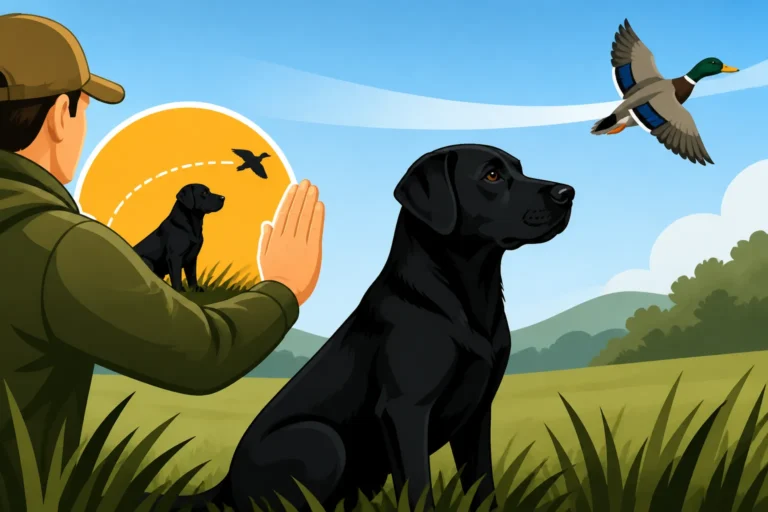
Start by introducing different types of dummies – canvas, plastic, or even scented ones. Begin with simple marked retrieves, where your Labrador watches the dummy fall. Gradually, you can introduce "blind retrieves," where you hide the dummy without your dog seeing it, and then guide them to it using hand signals and verbal commands. This requires immense focus, memory, and responsiveness from your dog. If you're looking for structured guidance on how to build these skills, online platforms like BAXTER & Bella offer comprehensive training programs that can walk you through the steps of dummy work and other advanced obedience. They often break down complex behaviors into manageable, easy-to-follow lessons, which is perfect for teaching your Labrador the intricacies of field retrieves. Engaging in this type of training not only tires them out but also strengthens their obedience and problem-solving skills. For those interested in pursuing formal training, our article Training a Labrador for Gundog Work provides an excellent starting point.
Using Tools to Enhance Retrieval Play
Sometimes, your Labrador's energy outmatches your own ability to throw or run! This is where some smart tools can come in handy, allowing you to extend playtime and provide consistent, high-energy retrieves without wearing yourself out.
Manual ball launchers are a game-changer for distance, sending a tennis ball soaring far beyond what your arm could manage. This allows your Labrador to cover more ground and achieve longer sprints, burning off significant energy. For even more hands-free fun, consider automatic ball launchers. These devices can be loaded with multiple balls and dispense them at intervals, providing continuous retrieving entertainment. When choosing these tools, always select durable, high-quality balls and toys that can withstand your Labrador's powerful jaws. Many excellent options for robust retrieving toys can be found on platforms like Amazon, offering a wide variety from rubber balls to rope toys and specialized dummies. For practicing recall and giving your Labrador more freedom in open, but not fully fenced, areas, a long line (a very long leash) is invaluable. It allows them to run a good distance for a retrieve while still keeping them safely connected to you.
Retrieve and Hold Games
Moving beyond simply bringing an object back, "retrieve and hold" games add an element of control and patience, which is excellent for mental discipline. This teaches your Labrador not just to retrieve, but to present the item to you and hold it until released.
Start by teaching a solid "hold" command with an item in their mouth while they are sitting calmly. Once they understand this, incorporate it into your retrieve games. When they bring the toy back, ask them to "hold it" before you take it. This requires them to exercise impulse control, preventing them from dropping the toy prematurely or trying to engage in a game of "keep away." It also reinforces their understanding that you are in control of the game. Practicing this in a relaxed environment, and gradually increasing the duration of the "hold," will build their focus and patience. It's a fantastic way to wind down a high-energy retrieve session into a calmer, more structured interaction. This skill is also fundamental for developing a reliable recall, a critical aspect of any Labrador's training. Our guide on Building a Labrador's Recall From Scratch can offer more tips on this crucial command.
Incorporating Retrieving into Daily Routine and Preventing Over-Exercise
While retrieving games are fantastic for tiring out your Labrador, it’s crucial to approach them thoughtfully, considering your dog’s individual needs and avoiding over-exertion.
Tailoring Games to Your Labrador's Age and Health
Not all Labradors are created equal, and their exercise needs, particularly for high-impact activities like retrieving, change throughout their lives. What's appropriate for a young adult might be detrimental to a puppy or a senior dog.
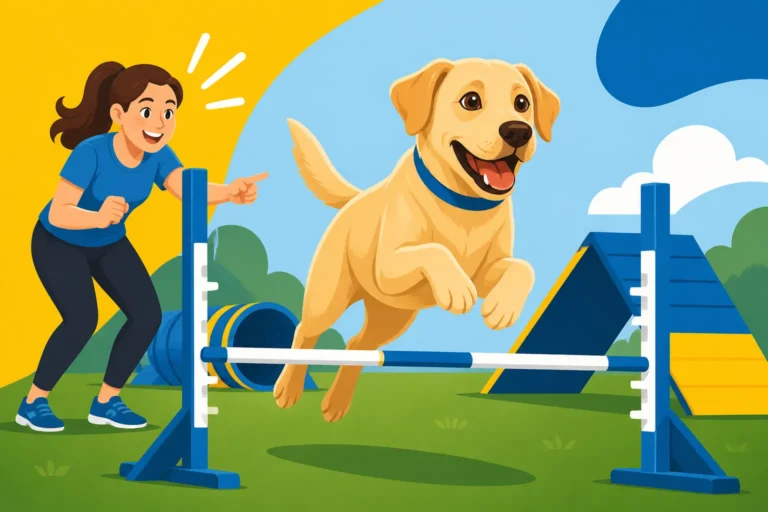
For Labrador puppies, it's vital to protect their developing joints. High-impact jumping, hard stops, and excessive running on hard surfaces should be avoided. Short, frequent retrieving sessions on soft ground are ideal, focusing more on mental engagement and positive association with the game. Forced exercise, like long runs or endless fetch, should be strictly limited until their growth plates have closed, usually around 12-18 months. Consult Exercise Limits for a Labrador Puppy for more detailed guidelines.
Adult Labradors (typically 2-7 years old) are generally robust and can handle more intense and prolonged retrieving sessions. However, even for them, variety is key to prevent repetitive strain injuries. Mix up land and water retrieves, and incorporate different types of movement.
For senior Labradors (8+ years), the focus shifts to maintaining mobility and mental stimulation with less physical strain. Gentle, shorter retrieving sessions, perhaps with softer toys, are best. Scent games and hidden retrieves are excellent for keeping their minds sharp without stressing their aging joints. If your senior Labrador has conditions like arthritis or hip dysplasia, swimming (in warm water if possible) can be a fantastic, low-impact way to keep them moving. Our guide on Caring for a Senior Labrador offers comprehensive advice for these golden years.
Here's a quick overview of age-appropriate activities:
| Age Group | Recommended Retrieving Activities | Avoid/Limit |
|---|---|---|
| Puppy (Up to 1 yr) | Short, gentle retrieves on grass; indoor scent games; soft toys. | High jumps, hard stops, concrete running, forced long runs. |
| Adolescent (1-2 yrs) | Gradual increase in intensity; controlled fetch; water retrieves; basic dummy work. | Excessive repetitive jumping; extreme long-distance running. |
| Adult (2-7 yrs) | Vigorous fetch, swimming, advanced dummy training, field work. | Over-training in extreme heat; single type of exercise. |
| Senior (8+ yrs) | Gentle, shorter retrieves; slow scent games; warm water swimming; soft toys. | High-impact jumps; long, intense sessions; slippery surfaces. |
Recognizing Signs of Fatigue and Overheating
It's easy to get caught up in the fun of a retrieving game, especially when your Labrador seems to have boundless energy. However, it's your responsibility to know when enough is enough. Labradors, particularly those from strong working lines, can push themselves past their limits, sometimes to their own detriment.
Watch for signs of fatigue: excessive panting that doesn't subside quickly, lagging behind, a change in gait, stumbling, or a decreased interest in the game. In warmer weather, overheating is a serious concern. Beyond heavy panting, look for bright red gums, thick drool, confusion, or weakness. Always provide access to fresh, cool water during and after play. If you notice any of these signs, immediately stop the activity, move to a cool, shaded area, and offer water. If symptoms worsen, seek veterinary attention. Our article on Signs of Heatstroke in a Labrador provides critical information on this emergency.
The Importance of Cool-Down and Rest
Just like human athletes, dogs need a proper cool-down period after intense exercise. Abruptly ending a vigorous retrieving session and putting your dog straight into their crate can lead to muscle stiffness or even stress.
After a high-energy game, transition to a calmer activity. A short, slow walk on a leash, allowing them to sniff around, helps their heart rate and breathing return to normal. Offer water, but don't let them gulp too much at once, as this can sometimes lead to bloat. Once their breathing has settled, give them a quiet space to rest. This rest period is crucial for muscle recovery and allows their brains to process the day's excitement. You might offer a long-lasting chew toy or a puzzle feeder during this time to provide continued mental engagement without physical exertion.
Common Challenges and Solutions in Retrieving Games
Even with the best intentions, you might encounter some common hurdles when playing retrieving games with your Labrador. Here’s how to address them.
The Labrador Who Won't Bring it Back
"He loves to chase, but he never brings it back!" This is a classic complaint. There are a few reasons a Labrador might not return the retrieved item: they might want to play "keep away," they might be guarding the item, or they simply haven't learned that bringing it back to you is part of the fun.
The key is to make returning the item more rewarding than keeping it. One effective technique is the "two-toy retrieve." Have two identical toys. Throw one, and as your Labrador picks it up, excitedly show them the second toy. When they come back for the second, praise them and, as they drop the first, immediately throw the second. This creates a cycle where dropping the toy leads to more fun. If your Labrador struggles with dropping, a long line can be useful to gently guide them back to you. Avoid chasing them; this just turns it into a game for them. Instead, turn and walk away, encouraging them to follow you with the toy. You can also incorporate the "drop it" command early on, rewarding them heavily for releasing the item directly into your hand. For comprehensive advice on this, check out Teaching a Labrador to Drop It Reliably.
Dealing with Destructive Chewing of Retrieved Items
Labradors love to carry things, but some take it a step further and start to chew on their retrieved items, destroying balls, dummies, and other toys. This can be frustrating and costly, not to mention a choking hazard if pieces are ingested.
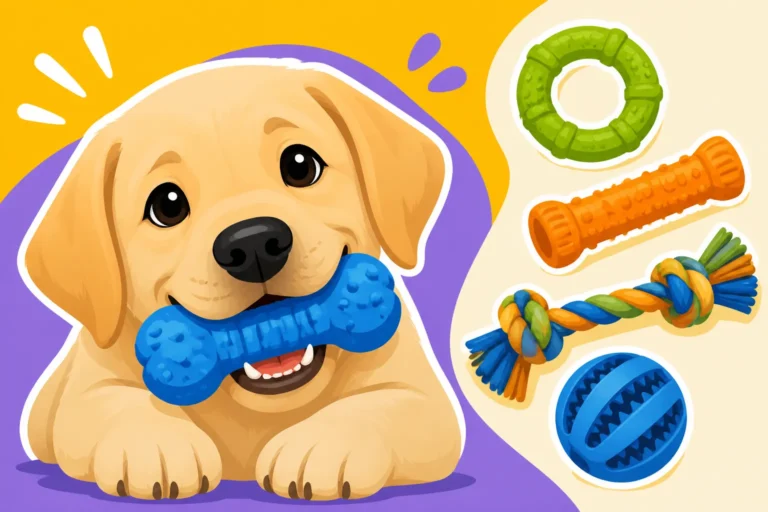
The solution here is twofold: choose appropriate toys and redirect chewing. First, invest in high-quality, durable retrieving toys specifically designed for powerful chewers. Avoid flimsy tennis balls for heavy chewers, as they can be easily shredded. Products from reputable brands, often available on Amazon, are designed to withstand enthusiastic play. Second, ensure your Labrador has plenty of appropriate chew toys readily available outside of retrieving games. If they start to chew a retrieve toy during play, immediately take it away and offer an appropriate chew toy. If the chewing persists, end the game for a short period. This teaches them that retrieving toys are for retrieving, while designated chew toys are for chewing. Our article Chew Toys That Survive a Labrador has some great recommendations.
Over-Arousal and Impulse Control
Labradors can get really excited during retrieving games. This high level of arousal, while fun, can sometimes lead to a lack of impulse control: jumping, barking excessively, or getting overly frantic before the throw. This isn't just annoying; it can make the game less enjoyable and harder to manage.
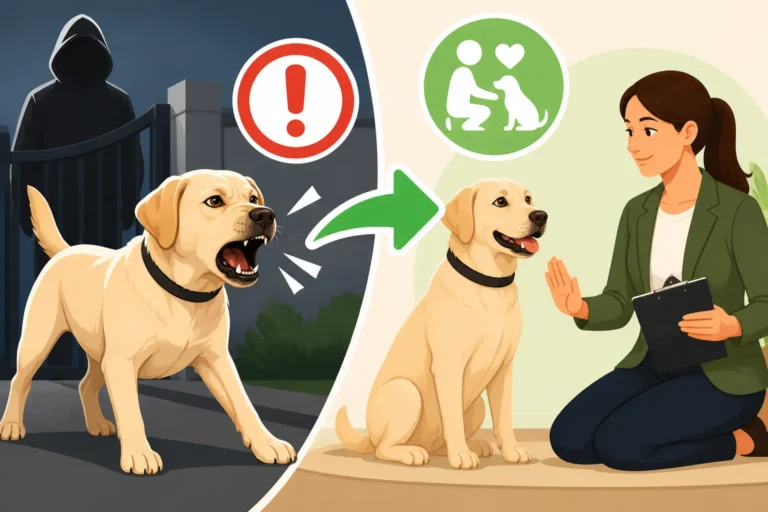
Building impulse control into retrieving games makes them more structured and teaches your Labrador patience. Start by requiring a "sit" and "stay" before every throw. Only throw the toy when they are calm and focused on you. If they break the stay or get too excited, put the toy away for a few seconds and try again. This teaches them that calm behavior gets the reward (the thrown toy). You can also incorporate short pauses during the game; have them bring the toy back, then ask for a brief sit or down before you throw it again. This breaks up the frenetic energy and reinforces that you're in charge. Gradually increasing the duration of the "stay" or the calmness required before the throw will help them manage their excitement, making retrieving games more enjoyable for both of you.
Disclaimer
This article is for general informational purposes only and does not constitute professional advice. Laws, prices and regulations vary by location and change over time. Consult a qualified professional for guidance on your specific situation.