When Labrador Puppy Mouthing Fades
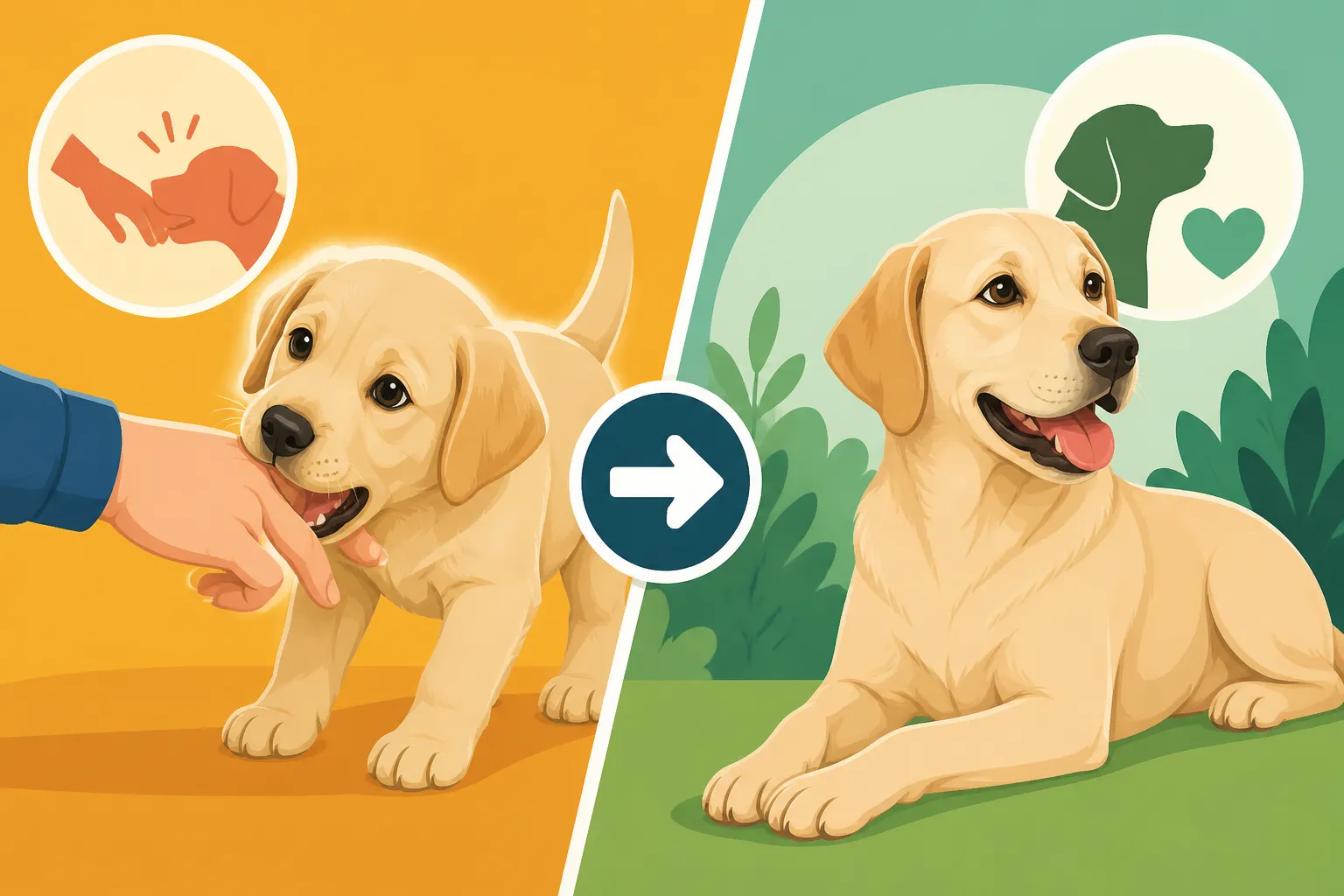
Oh, the joys of a new Labrador puppy! They're bundles of love and energy, but let's be honest, those razor-sharp puppy teeth and incessant nipping can turn your hands into pin cushions and your ankles into chew toys. It's a completely normal, if utterly exhausting, phase that many new Labrador parents struggle with, leaving you wondering if your sweet pup will ever learn to play gently or if you're destined to live with a furry piranha. This guide is here to shed light on when that relentless puppy mouthing typically starts to fade and, more importantly, what you can do to guide your Labrador through this perfectly natural but sometimes painful developmental stage.
Understanding Normal Labrador Puppy Mouthing
Before we dive into when the mouthing fades, it’s really helpful to understand why it happens in the first place. This isn't your puppy being naughty or aggressive; it's a fundamental part of how they explore the world and learn to communicate. Just like human babies put everything in their mouths, puppies use their mouths to gather information, test boundaries, and interact with their environment and littermates.
The Role of Play and Exploration
Think about a litter of Labrador puppies playing together. They mouth, nip, and wrestle. This rough-and-tumble play is crucial for their development. When one puppy bites too hard, another will yelp, and the play will pause. This immediate feedback teaches bite inhibition – the ability to control the force of their bite. Without this early learning, a puppy grows up not understanding how much pressure is too much. When your puppy mouths you, they're essentially trying to play with you like they would another dog. It’s their way of initiating interaction, and while it might not feel great on your skin, it's a sign they see you as part of their pack. It's also how they learn about textures, temperatures, and what's safe or not. This is why you'll often find them trying to mouth everything from your shoelaces to your hair. Why Labrador Puppies Mouth Everything goes into even more detail on the instinctual drivers behind this behavior.
Teething Pain and Relief Seeking
Another massive factor behind puppy mouthing is teething. Just like human babies, Labrador puppies go through a period where their baby teeth fall out and are replaced by adult teeth. This process starts around 3-4 months of age and can last until they're about 6-7 months old. During this time, their gums can be sore and itchy, and chewing, gnawing, and mouthing provide immense relief. They're not just being destructive; they're actively trying to soothe discomfort. If you've ever had a toothache, you can imagine what they're going through! Providing appropriate chew toys is absolutely vital during this phase to redirect their natural need to gnaw away from your hands, furniture, or anything else they shouldn't be biting.
The Timeline: When to Expect Mouthing to Fade
The million-dollar question for many tired puppy owners is, "When will this end?!" While every Labrador is an individual, there’s a general timeline you can expect for puppy mouthing to significantly reduce, though it might not disappear entirely until well into adolescence.
The Peak of Puppy Nipping (8-16 Weeks)
The most intense period of puppy mouthing typically occurs between 8 and 16 weeks of age. This is often when a puppy first comes home, and it can be a shock for new owners. At this stage, puppies are still very much in their "oral exploration" phase, and their baby teeth are needle-sharp. They haven't fully learned bite inhibition from their littermates or through human guidance yet. They're full of boundless energy, and their primary way of interacting is with their mouths. This is the period where consistent, gentle redirection and teaching appropriate chew items are most critical. It’s like teaching a toddler not to grab everything – it takes patience and repetition.
The Teething Transition (3-7 Months)
As mentioned, teething ramps up around 3-4 months and can continue for several months. During this time, you might notice a slight increase in mouthing and chewing as your puppy seeks relief for their sore gums. Don't be discouraged! This is a natural response to discomfort. However, the nature of the mouthing might change. Instead of playful nips, you might see more focused chewing on objects, and if they do mouth you, it might be more of a "gnawing" for relief rather than an attempt to play. The Labrador Teething Timeline provides a good overview of what to expect during this period. By around 6-7 months, most Labradors will have all their adult teeth, and the intense drive to chew for pain relief should start to subside.
Maturation and Learned Control (7 Months to 1.5 Years)
While the intense puppy mouthing typically fades significantly by 7-8 months of age, it's important to understand that some playful mouthing or enthusiastic grabbing with their mouth can persist well into adolescence, sometimes even up to 18 months or two years. Labradors are known for being "mouthy" dogs even as adults, often carrying items around or gently taking things with their mouths. This is part of their retrieving heritage. What changes is the intensity and control. An adult Labrador who has been taught proper bite inhibition will use a very soft mouth, if they mouth at all, and can be easily redirected. When Labrador Chewing Finally Slows talks more about the broader chewing behaviors that evolve over time. If you continue consistent training, you'll see a steady improvement in their ability to control their mouth and understand what's appropriate.
Strategies to Help Your Labrador Puppy Through Mouthing
You don't just have to wait it out; there are many proactive steps you can take to help your Labrador puppy learn good mouth manners and speed up the fading process. Consistency is key, and every family member needs to be on the same page.
Teaching Bite Inhibition
This is perhaps the most important lesson your puppy needs to learn. It’s about teaching them that human skin is fragile and that a hard bite means the fun stops immediately.
- The "Ouch!" or Yelp Method: When your puppy mouths you too hard, give a sharp, high-pitched "Ouch!" or yelp, just like another puppy would. Immediately withdraw your hand and stop playing for a few seconds. If the puppy pauses, you can cautiously re-engage. If they continue to mouth hard, remove yourself completely from the situation (e.g., step behind a baby gate or leave the room for 10-15 seconds). This teaches them that hard bites make the good things (your attention, play) disappear. Freezing for Ten Seconds When a Labrador Mouths explains this in detail.
- Redirect to Appropriate Chews: This is crucial. Always have suitable chew toys readily available. The moment your puppy tries to mouth your hand or clothes, immediately offer them an appropriate chew toy instead. Praise them enthusiastically when they take the toy. Quality chew toys are essential – look for durable options on Amazon that can stand up to a Labrador's strong jaws. Consider toys that can be frozen for extra relief during teething.
Providing Appropriate Outlets for Chewing
Since mouthing is driven by natural instincts and teething discomfort, providing plenty of alternatives is non-negotiable.
- A Variety of Textures: Offer a range of chew toys with different textures and hardness. Some puppies prefer softer, rubbery toys, while others love harder nylabones or natural chews (ensure they are safe and veterinarian-approved). Rotating toys can keep things interesting and prevent boredom. Ice cubes or frozen KONGs stuffed with dog-safe foods can also provide soothing relief for teething gums. Toys That Satisfy a Teething Labrador lists some excellent options that have stood the test of time with our Labs.
- Mental Stimulation: Sometimes, excessive mouthing can be a sign of boredom or pent-up energy. Mental exercise can be just as tiring as physical exercise for a smart Labrador. Puzzle toys, snuffle mats, or short training sessions can engage their minds and reduce the urge to mouth. Services like BAXTER & Bella offer fantastic online resources and training programs that incorporate mental enrichment, helping you channel that puppy energy constructively. A tired puppy (mentally and physically) is less likely to be a mouthy puppy.
Consistent Training and Management
Beyond redirection, integrating basic obedience and good management strategies can make a big difference.
- "Leave It" and "Drop It" Commands: Teaching your Labrador puppy reliable "leave it" and "drop it" commands is invaluable. These commands allow you to safely intervene when your puppy grabs something inappropriate or is mouthing too intensely. Practice these commands in low-distraction environments first, using high-value treats as rewards. This helps instill impulse control, which is vital for reducing unwanted mouthing.
- Managing Interactions with Children: If you have young children, supervision is paramount. Puppies don't understand the difference between an adult hand and a child's delicate skin. Teach children to offer toys, not their hands, and to understand when to give the puppy space. Consider using baby gates to create safe zones where the puppy can be separated from children for short periods, giving everyone a break. Labrador Puppy Nipping at Small Children offers specific guidance for these situations.
- Regular, Structured Exercise: Labradors are high-energy dogs, and a lack of appropriate exercise can lead to increased nipping and mischievous behavior. Ensure your puppy gets several short, supervised play sessions throughout the day. This could include fetch, short walks (appropriate for their age and vaccination status), or structured play in a secure yard. Remember to keep exercise appropriate for their age to protect their developing joints. Exercise Limits for a Labrador Puppy details safe exercise practices.
Here's a quick overview of the mouthing timeline and what you can do:
| Age Range (Approx.) | Behavior Description | Why It's Happening | Owner Actions |
|---|---|---|---|
| 8-16 Weeks | Intense, sharp nipping, exploring with mouth, playful biting. | Learning boundaries, exploring world, high energy. | Consistent "Ouch!"/yelp and disengagement. Redirect to chew toys. Supervise closely. |
| 3-7 Months | Continued mouthing, increased chewing on objects, seeking relief. | Teething pain and discomfort as adult teeth emerge. | Provide frozen chew toys, stuffed KONGs. Offer variety of appropriate chews. Continue bite inhibition training. |
| 7-18 Months | Decreased hard mouthing, softer play bites, carrying objects, occasional enthusiastic nipping. | Maturation, learned control, retaining natural "mouthiness" of the breed. | Reinforce "Leave It" and "Drop It." Continue to redirect to toys. Reward calm mouth behavior. Be patient, occasional slip-ups are normal. |
When to Seek Professional Help
While puppy mouthing is a normal part of development for Labradors, there are instances where the behavior might be escalating beyond what’s typical, or you might simply feel overwhelmed and unsure how to proceed. Knowing when to call in a professional can save you a lot of frustration and ensure your puppy develops into a well-mannered adult.
Signs of Problematic Mouthing
Most puppy nipping is playful and responds well to consistent redirection. However, pay attention if your puppy's mouthing seems to cross into more concerning territory:
- No Bite Inhibition Improvement: If, despite consistent efforts, your puppy doesn't seem to be learning to soften their bite, and they continue to chomp down with full force, it might be a sign they need more targeted help. A lack of improvement by 5-6 months, especially if the bites are breaking skin regularly, is a red flag.
- Growling or Snapping with Mouthing: While playful growls can be part of puppy play, if your Labrador puppy growls, snarls, or snaps with an intense, stiff body posture when you try to remove an item from them, or when you simply approach them while they're chewing, it could indicate early signs of resource guarding. This is a behavior that needs immediate professional intervention. Fixing Bowl Guarding in a Labrador offers some initial steps but a behaviorist is often needed.
- Fear-Based Biting: If your puppy is mouthing or biting out of fear (e.g., when cornered, startled, or when strangers approach them), rather than play, this is a more serious issue that needs expert guidance. Fear can escalate if not addressed correctly. Building Confidence in a Timid Labrador explores aspects of fear in young dogs.
- Excessive Aggression: While very rare in young Labradors, true aggression – bites that are intended to cause harm, repeated unprovoked biting, or targeting specific individuals – is a serious concern that requires immediate consultation with a certified professional dog trainer or a veterinary behaviorist.
Consulting a Professional
If you find yourself in any of these situations, or if you simply feel like you've tried everything and nothing is working, don't hesitate to reach out for help.
- Certified Professional Dog Trainer (CPDT): A good dog trainer can observe your puppy's behavior, identify potential triggers, and provide hands-on guidance for specific techniques to manage and modify mouthing. They can also teach you effective communication strategies to help your puppy understand your expectations. When choosing a trainer, look for certifications and positive, force-free methods. Choosing a Trainer for a Labrador offers advice on finding the right fit.
- Veterinary Behaviorist: For more complex or deeply ingrained behavioral issues, especially those with a potential medical component or significant aggression, a board-certified veterinary behaviorist is the most qualified professional. They are veterinarians who have specialized training in animal behavior and can prescribe medication if necessary, alongside behavior modification plans.
Remember, patience and consistency are your greatest tools during the puppy mouthing phase. It will pass, and with your guidance, your Labrador will learn appropriate mouth manners and grow into the gentle, loving companion you know they can be.
Disclaimer
This article is for general informational purposes only and does not constitute professional advice. Laws, prices and regulations vary by location and change over time. Consult a qualified professional for guidance on your specific situation.