When a Labrador Actually Calms Down
If you’re the proud, and perhaps slightly exasperated, owner of a young Labrador, you’ve probably found yourself wondering, with a sigh, when exactly your furry bundle of boundless energy is going to finally settle down and become the calm, dignified companion you always envisioned. It's a common frustration, seeing your pup tear through the house, mouth everything in sight, or demand constant attention. This comprehensive guide is here to shed some light on the Labrador's developmental journey and offer realistic expectations and actionable strategies for navigating their famously energetic years.
The Labrador's Extended Adolescence: More Than Just a Puppy Phase
It’s easy to think once your Labrador puppy leaves behind the tiny, clumsy stage, they should somehow magically transform into a well-behaved adult. But for Labradors, that period between puppyhood and true adulthood is surprisingly long, often stretching out for years. This isn't just a puppy phase; it's a full-blown adolescence, complete with all the challenges and learning curves that come with it.
Puppyhood Versus Teenage Years
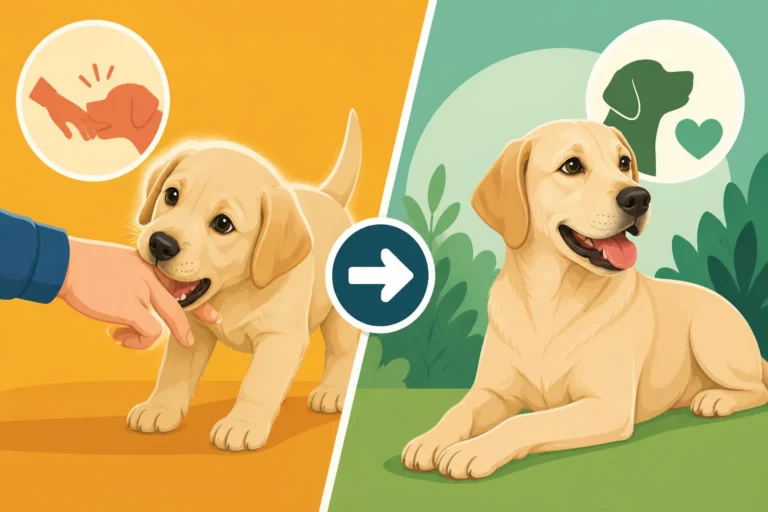
When we talk about a Labrador calming down, it’s important to distinguish between the end of chaotic puppyhood and the onset of genuine adult maturity. Puppyhood, typically up to six months or so, is marked by rapid growth, intense socialization needs, house training, and lots of mouthing. You're dealing with sharp puppy teeth and a desperate need to explore the world with their mouth, which means finding appropriate chew toys is crucial. If you're struggling with this, our guide on Labrador Puppy Mouthing and How to Redirect It can offer some excellent strategies.
Then, around six months, your Labrador often hits their "teenage" phase. This can last until they're two or even three years old. During this time, they’re physically almost full-grown, but their brains are still very much developing. They might seem to "forget" training they once knew, test boundaries, and show an increase in energy or mischievous behavior. This is often referred to as The Labrador Compliance Drop at Six Months, and it can be incredibly frustrating for owners who thought they had a well-trained dog. It's a period where consistency in training becomes more important than ever.
When the Brain Matures
Unlike some smaller breeds that might settle into a more adult demeanor by their first birthday, Labradors, being a large and intelligent breed, have a longer mental maturation curve. Their brains, particularly the parts responsible for impulse control, decision-making, and emotional regulation, continue to develop well into their second and even third year. This means that while they might look like an adult dog at 12 or 18 months, they still have the self-control and often the boisterousness of a teenager. They're still learning how to manage their excitement, how to react calmly to novel situations, and how to think before they act. This extended brain development contributes significantly to the feeling that your Labrador is "never going to calm down."
Breed-Specific Energy Levels
Labradors were originally bred as working dogs, specifically for retrieving game for hunters. This heritage means they have an innate drive to be active, to learn, and to work alongside their human companions. Their energy isn't just random; it's often purposeful, even if that purpose is just to chase a ball 500 times.
However, not all Labradors are created equal. There are generally two lines:
- Field Line Labradors (American/Working Lines): These Labs are typically bred for their athleticism, intense drive, and high energy. They often have leaner builds and a more "go-go-go" temperament. If you have a field-bred Labrador, you should expect a higher energy level and a longer period before they truly settle. They thrive on having a job to do and require significant physical and mental exercise, as detailed in our article Exercise a Field Line Labrador Needs.
- Show Line Labradors (English/Bench Lines): These Labs are bred more for conformation to the breed standard, often having a stockier build and a somewhat mellower temperament. While still active, their energy levels are generally lower than their field-bred counterparts.
Regardless of the line, all Labradors are naturally energetic dogs. Understanding your specific Labrador's lineage can help you set realistic expectations for their activity levels and when they might start to "calm down." A yellow Labrador from a strong working lineage will likely be far more exuberant than a stockier black Labrador from a line bred for the show ring, even at the same age.
Factors Influencing a Labrador's Calmness
While genetics certainly play a role, a Labrador's environment, training, and lifestyle are massive determinants of how quickly (or slowly) they appear to calm down. You have more influence than you might think!
Exercise and Mental Stimulation
This is perhaps the single biggest factor in managing a Labrador's energy. A tired Labrador is a good Labrador, but "tired" for a Lab means more than a quick walk around the block. They need a significant amount of physical exercise every day. This could include long walks, runs, swimming (which they typically adore!), or vigorous games of fetch. Our guide on Exercise a Labrador Needs Each Day explores this in depth.
Beyond physical exertion, mental stimulation is equally crucial. Labradors are intelligent and enjoy using their brains. If their minds aren't engaged, they'll find their own "jobs" – which often translates to counter-surfing, destructive chewing, or excessive barking. Think about how a human teenager gets bored and restless without enough to do; it’s similar for your Labrador. Puzzle toys, scent games, training sessions, and interactive play can all help. I've found that some of the best interactive toys and slow feeders, which are great for mental stimulation and portion control, can be found on sites like Amazon, making it easy to stock up on new challenges for your pup.
Consistent Training and Structure
A Labrador that doesn't understand boundaries or has inconsistent rules will naturally appear more chaotic. From the moment they arrive home, consistent training is paramount. This isn't just about teaching commands like "sit" or "stay"; it's about establishing a predictable routine and clear expectations.
Early and ongoing training helps your Labrador understand what you want from them. This includes everything from house manners, like not jumping on guests or stealing food off counters, to reliable recall and polite leash walking. Puppy classes are a great start, but the learning shouldn't stop there. Continuing with obedience classes, or even working with an online program like BAXTER & Bella, which offers lifetime access to their puppy training curriculum, can provide the structure and guidance needed to shape a well-mannered dog through adolescence and beyond. Reinforcing positive behaviors and redirecting unwanted ones with patience and consistency will make a world of difference. Our comprehensive guide on Training a Labrador From Puppy to Adult provides a roadmap for this journey.
Genetics and Individual Temperament
While training and exercise are powerful tools, it's also true that individual Labradors have their own unique personalities and genetic predispositions. Some Labs are naturally more laid-back, while others seem to have an endless well of energy.
Factors like the dog's parents' temperaments, the specific breeding lines, and even early life experiences in the litter can shape an individual Labrador's baseline energy and reactivity. A Labrador bred from calm, steady parents for a companion home might naturally be less rambunctious than one whose parents are champion field trial dogs. It's important to accept your Labrador for who they are, while still providing all the tools and guidance to help them be the best version of themselves. Understanding Labrador Temperament and Personality can help you appreciate these nuances.
Practical Strategies for Managing a High-Energy Labrador
So, what can you actually do to help your Labrador settle down and exhibit more calm behavior? It’s a marathon, not a sprint, but these strategies can make a significant difference.
Structured Exercise Routines
Instead of just letting your Labrador out in the yard, think about structured exercise. This means intentional activities that burn both physical and mental energy.
- Daily Walks/Runs: Aim for at least 60-90 minutes of vigorous exercise daily. This could be split into two or three sessions. If you enjoy running, many Labs make excellent running partners once they are fully grown and their growth plates have closed.
- Swimming: Labradors were practically born to swim! It's a fantastic full-body workout that's easy on their joints. A trip to a dog-friendly lake, river, or even a specialized canine hydrotherapy pool can be a game-changer. Just be sure to dry their ears thoroughly afterward to prevent infections.
- Fetch and Play: Long sessions of fetch with a sturdy ball or frisbee are ideal. Rotate toys to keep their interest. Ensure you're playing in a safe, fenced area.
- Dog Parks (with caution): While some Labs thrive at dog parks, others can become overstimulated or pick up bad habits. Gauge your dog's reactions and ensure they have a positive experience. Supervise closely and intervene if play becomes too rough.
Enrichment and Chewing Outlets
A Labrador's mouth is a key tool for interaction and exploration. Providing appropriate outlets for this natural behavior is vital, especially when they are going through Labrador Chewing Through Adolescence.
- Puzzle Feeders: These turn mealtime into a mental game. Instead of just gulping down their food, your Labrador has to work to get it out of a special toy. This slows down eating and provides mental engagement. There are many excellent options available on Amazon, from simple snuffle mats to complex treat-dispensing balls. Our guide on Puzzle Feeders That Slow a Greedy Labrador offers more ideas.
- Long-Lasting Chews: Bully sticks, natural bones (vet-approved), or sturdy chew toys like those made by Kong can keep your Labrador occupied for extended periods. This is especially important when you need them to settle down indoors or when you leave them alone for short periods.
- Scent Work: Hiding treats around the house or yard and having your Labrador sniff them out is incredibly mentally stimulating and tiring. Even 15-20 minutes of dedicated scent work can be as tiring as a long walk for many dogs. This falls under Mental Work for a Bored Labrador.
The Power of Impulse Control Training
Teaching your Labrador to control their impulses is fundamental to fostering a calmer demeanor.
- "Wait" and "Stay": These commands teach your Labrador to defer gratification. Make them wait before eating their meal, before going out the door, or before retrieving a thrown toy. Start with short durations and gradually increase the time and distractions.
- "Leave It": This is a lifesaver for preventing your Labrador from grabbing things they shouldn't, whether it's food on the counter or something potentially dangerous on the ground. Consistent practice with high-value rewards will make this command reliable. For more on this, check out Teaching a Labrador to Drop It Reliably.
- Loose Leash Walking: A Labrador pulling on the leash is expending a lot of energy and can be a frustrating experience for both of you. Teaching them to walk politely by your side, even with distractions, instills self-control. Our article on Loose Leash Walking With a Labrador provides detailed steps.
Remember, every training interaction, even seemingly small ones, contributes to your Labrador's overall understanding of expectations and boundaries.
When to Expect True Settling
This is the million-dollar question for many Labrador owners. The honest answer is: it varies, and it’s rarely an overnight transformation.
The "Magic" Age
There isn't a single "magic" age when all Labradors suddenly calm down. However, generally speaking, most Labradors start to show significant signs of maturity and a decrease in their puppy-like exuberance between two and four years of age. Some might start to settle closer to their second birthday, while others, particularly those from high-drive working lines, might not truly reach their calmest state until they are three or even four years old. Our post How a Labrador's Energy Changes at Three delves into this age-related shift.
It's important to differentiate between a reduction in frantic puppy energy and a mature, settled demeanor. By 18 months to two years, you should see a noticeable decrease in some of the more chaotic behaviors, but true impulse control and a consistent calm presence take longer to develop.
| Age Range | Typical Behavior | Owner Experience |
|---|---|---|
| 0-6 Months | Puppy energy, mouthing, rapid learning, short attention. | Exciting but exhausting, constant supervision needed. |
| 6-18 Months | Adolescence, testing boundaries, high energy, "zoomies," | Frustrating, perceived regression, inconsistent behavior. |
| growing independence, continued chewing. | ||
| 18 Months – 2 Years | Energy begins to moderate, better impulse control, | Signs of maturity, but still active, learning consistency. |
| more focus in training. | ||
| 2-4 Years | Peak maturity, calmer demeanor, reliable training, | Settled, enjoyable companion, still needs exercise/mental work. |
| less destructive, settled in routines. | ||
| 4+ Years | Consistent adult behavior, energy levels maintain or | Dependable, calm, engaged, less demanding. |
| gradually decrease with age. |
Signs of Maturity
As your Labrador matures, you’ll start to see specific changes that indicate they are settling down. These aren't just about less barking or chewing; they reflect a deeper internal shift.
- Improved Impulse Control: They can wait patiently for food, for the door to open, or when asked to stay. They don't immediately react to every squirrel or passing dog.
- Better Focus and Attention: Training sessions become more productive, and they can focus on you for longer periods, even with distractions.
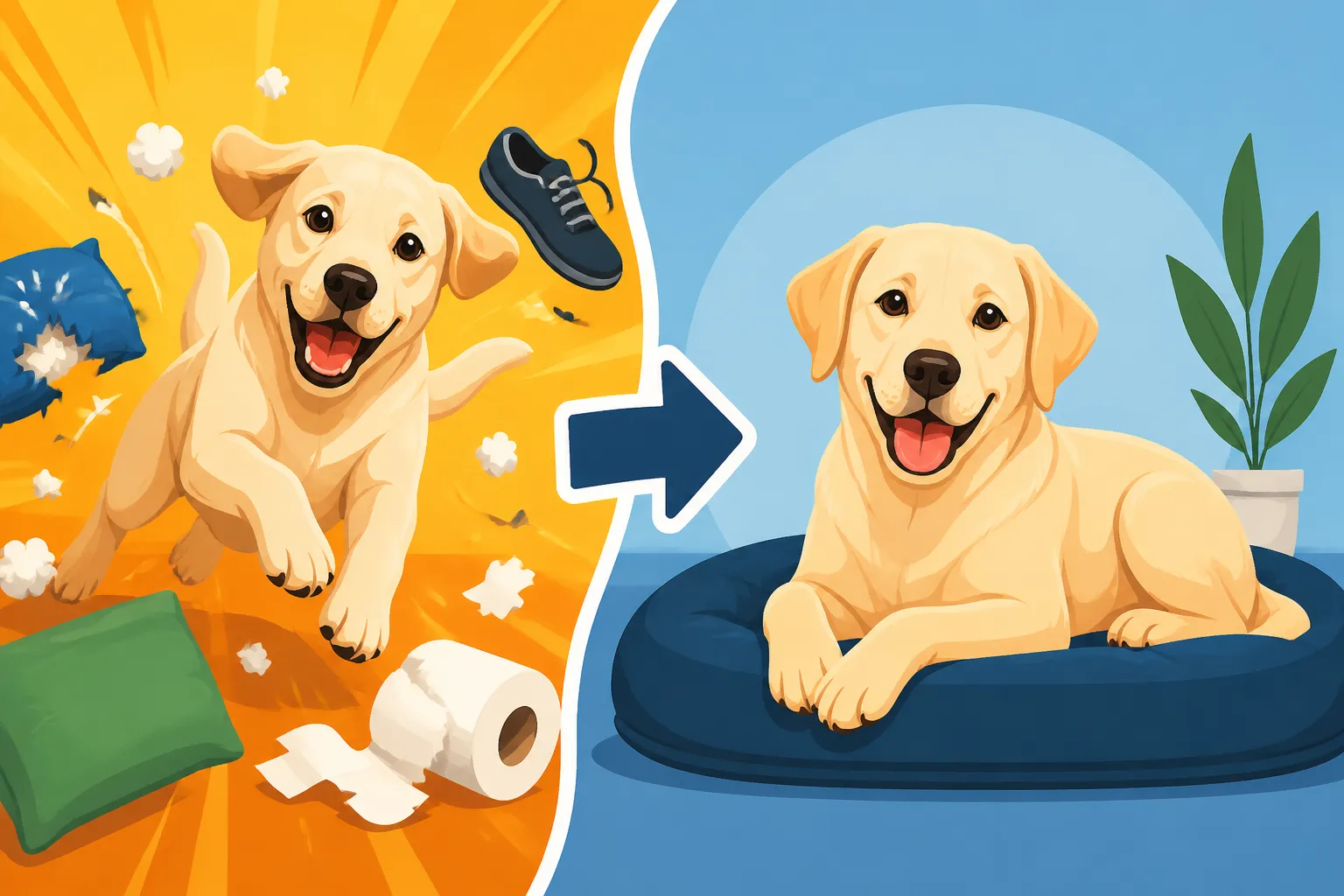
- Less Destructive Chewing (or appropriate chewing): The intense need to chew everything diminishes, and they'll be more inclined to chew their designated toys rather than furniture.
- Easier Settling Indoors: They can relax more readily in the house, perhaps curling up for a nap rather than constantly pacing or seeking attention. You might find them content to chew a favored toy bought from Amazon, rather than looking for trouble.
- Fewer "Zoomies": While occasional bursts of energy are normal, the frantic, uncontrollable "zoomies" that characterize puppyhood and adolescence become less frequent.
- Increased Independence (positive kind): They are comfortable being in a different room from you, or even just relaxing nearby without constant interaction. This is tied to Building Alone-Time Tolerance in a Labrador Puppy.
Life-Long Management
It's crucial to understand that "calm" for a Labrador doesn't mean "lazy" or "sedentary." Even a fully mature, well-trained Labrador will still be an active, intelligent dog who thrives on engagement. They will always need regular exercise, mental stimulation, and consistent reinforcement of their training. The difference is that a mature Labrador chooses to be calm more often, because they've learned self-control and had their fundamental needs met. They become truly wonderful companions, still up for adventure but also content to curl up at your feet at the end of a busy day. It's a journey, but a deeply rewarding one for any Labrador owner.
Disclaimer
This article is for general informational purposes only and does not constitute professional advice. Laws, prices and regulations vary by location and change over time. Consult a qualified professional for guidance on your specific situation.