Introducing a Labrador Puppy to Loud Noises
It's completely normal to feel a pang of worry when your sweet Labrador puppy jumps at every unexpected clang, shriek, or boom. We bring these bundles of joy home, expecting their famously calm demeanor, only to find they can be surprisingly sensitive to the cacophony of the world. This comprehensive guide is here to walk you through the essential steps and compassionate strategies for introducing your Labrador puppy to a variety of loud noises, helping them grow into a confident, well-adjusted adult who takes life's louder moments in stride.
Why Early Exposure to Sounds Matters for Your Labrador Puppy
Bringing a puppy home is a whirlwind of firsts, and among them is introducing them to the everyday sounds of your household and the world beyond. Many new Labrador owners might think their naturally laid-back breed will just "get used to it," but that's not always the case. Just like children, puppies need thoughtful, positive exposure to new experiences to develop resilience, and sounds are a huge part of that. Overlooking this crucial step can set the stage for a lifetime of fear and anxiety, making common events like a passing siren or a summer thunderstorm a source of genuine terror for your beloved companion.
Understanding the Fear Period and Sound Sensitivity
Labrador puppies, like all dogs, go through critical developmental periods, and one of the most significant for socialization is often called the "fear period." This can actually be a couple of different windows, typically around 8-10 weeks and again around 4-6 months, but individual puppies vary. During these times, a single negative or startling experience can have a lasting impact, potentially laying the groundwork for lifelong phobias. Imagine your puppy, comfortably napping, when suddenly a pan crashes to the kitchen floor with a deafening clang. A positive, well-socialized pup might startle, then quickly recover, maybe even investigate. A puppy in a fear period, or one not adequately introduced to sudden sounds, might freeze, shake, tuck their tail, or even urinate out of fear. This intense reaction can be seared into their memory, leading to a lasting aversion to similar noises.
Despite their reputation as robust and steady dogs, Labradors are not immune to sound sensitivity. While many are naturally confident, others can be quite shy or easily startled. Their genetic makeup and early experiences with their mother and littermates play a role, but so does your proactive approach to socialization. Thinking back to the wild, a loud, sudden noise often meant danger, so this instinct to react is deeply ingrained. Our job as modern dog owners is to gently help them understand that most of these sounds in our human world are harmless, even if they're loud. It's about teaching them coping mechanisms and building positive associations, rather than just hoping they'll tough it out.
Preventing Phobias and Building Resilience
The old adage "an ounce of prevention is worth a pound of cure" couldn't be more true when it comes to sound phobias. It is infinitely easier to gently introduce a young puppy to a range of sounds than it is to try and rehabilitate an adult dog who has developed a debilitating fear of fireworks or vacuums. When you systematically expose your Labrador puppy to various noises in a controlled, positive manner, you're essentially building their mental toolkit. You're teaching them that loud doesn't always mean scary, and that even startling sounds can be followed by good things.
This resilience translates into a happier, more adaptable dog. A Labrador who is comfortable with loud noises can accompany you on more adventures, whether it's a bustling farmers market, a walk near a construction site, or a visit to friends with rambunctious children. They won't spend the Fourth of July trembling under the bed, nor will they panic every time the trash truck rumbles by. Building this foundation of sound confidence is a crucial part of their overall A Socialization Checklist for a Labrador Puppy and contributes significantly to their long-term well-being and your peace of mind as an owner. It’s an investment in their future happiness, and it starts the moment they come home.
Gentle Techniques for Introducing New Sounds
The key to successful sound socialization isn't about throwing your puppy into the deep end; it's about a measured, thoughtful approach that prioritizes their comfort and builds positive associations. We want our Labradors to see loud noises as either irrelevant or, even better, as predictors of something wonderful. This takes time, patience, and a bit of creativity. Remember, every puppy is an individual, so what works quickly for one might take longer for another. The important thing is to observe your puppy's reactions and adjust your pace accordingly.
Starting with Low Volume and Positive Associations
The golden rule here is "start quiet and go slow." Never blast your puppy with a loud, unfamiliar noise out of nowhere. Instead, begin by playing recordings of common sounds at an incredibly low volume – so low you can barely hear it yourself. Think about the sounds you encounter daily: the vacuum cleaner, a doorbell, children playing, traffic, fireworks, thunder, or even the blender. You can easily find sound effect playlists or apps online, or even stream them through services like Amazon Music.
Once you have your sound, here's how to introduce it:
- Low Volume First: Play the chosen sound at a volume where your puppy barely notices it, or just glances up casually.
- Pair with Something Wonderful: Immediately after or while the sound is playing, offer your puppy a high-value treat, engage in a quick game of tug, or provide a favorite chew toy. The goal is to create a strong positive association: "Oh, that weird sound? It means yummy treats!"
- Short Sessions: Keep these initial sessions very brief, perhaps just 1-2 minutes, several times a day. We're aiming for frequent, positive micro-exposures, not overwhelming marathons.
As your puppy consistently shows no signs of stress (no tail tucking, lip licking, yawning, or freezing) at that low volume, you can ever-so-slightly increase the volume for the next session. This might mean raising the volume by a tiny increment over several days or even a week, depending on your puppy's comfort level. If at any point your puppy shows discomfort, immediately lower the volume or stop the session altogether. You want them to always associate the sound with something positive, not fear. For a Labrador, who is often food-motivated, high-value treats are usually a winner. Think small pieces of cooked chicken, cheese, or even their regular kibble if they find it exciting enough. These short, positive interactions are far more impactful than a single, scary encounter.
Controlled Environments and Safe Retreats
Another critical aspect of sound introduction is controlling the environment. You want your puppy to feel safe and secure throughout the process. This means choosing a time when your home is generally calm, and you can give your puppy your full attention. It's often best to conduct these exercises in a familiar, comfortable space, like your living room or a dedicated puppy area.
Crucially, ensure your puppy has a designated "safe space" nearby where they can retreat if they feel overwhelmed. This might be their Crate Training a Labrador Puppy with a cozy bed and a chew toy, a dog bed under a table, or even just a quiet corner of the room. The purpose of this safe retreat is to give them agency. They should never feel trapped or forced into proximity with a sound they find scary. If they choose to move away from the sound source, that's perfectly fine; it means they're communicating their boundaries. Let them retreat, and perhaps try again later with an even lower volume or a different, less intense sound. Never chase after them or drag them back into the "loud zone." The goal is to build confidence, not to traumatize. This respect for their space and comfort is paramount in fostering trust and helping them learn to self-regulate their emotions when faced with new stimuli.
Desensitization and Counter-Conditioning in Action
Desensitization and counter-conditioning are the scientific terms for what we've been discussing: gradually exposing your dog to something they find scary (desensitization) while simultaneously changing their emotional response to it (counter-conditioning). For sounds, this means taking that overwhelming boom or clang and making it insignificant, or even better, a signal for something wonderful.
Here’s a practical step-by-step example using the vacuum cleaner, a common puppy adversary:
- Initial Low Exposure: Place the vacuum cleaner in a visible but distant part of the room. Don't even turn it on. Just let your puppy see it while you play and give treats. This is simply desensitizing them to its presence.
- Turn On, Low Volume: Turn the vacuum on in another room, far away, so it's a faint hum. Immediately give your puppy high-value treats and praise. Keep it on for a few seconds, then turn it off. Repeat a few times.
- Gradual Proximity & Volume: Over several days or weeks, slowly increase the volume (if using a recording) or bring the actual vacuum slightly closer while still pairing it with treats and positive reinforcement. Watch your puppy's body language closely.
- Movement: Once they're comfortable with the sound and proximity, start moving the vacuum briefly, turning it off quickly, and rewarding heavily. Gradually increase the duration and movement.
- Normalcy: Eventually, your puppy should be able to calmly observe you vacuuming the room, perhaps even taking a nap, because they've learned that the vacuum is just a part of life and often precedes a treat-scatter or a quiet nap.
Remember, the goal isn't just to tolerate the sound, but for them to feel good about it, or at least neutral. If you notice signs of stress, you've gone too fast. Take a step back to the previous comfort level and proceed more slowly. This process might feel tedious, but the payoff of a calm, confident Labrador is invaluable. It's a fundamental part of a thorough puppy training schedule for a Labrador puppy and helps shape their entire perception of the world.
Tackling Specific Loud Noises and Common Challenges
While the general principles of gentle exposure and positive association apply across the board, some loud noises present unique challenges. Thunderstorms and fireworks, in particular, are notorious for causing distress in dogs, largely because they are unpredictable, intense, and often accompanied by other sensory stimuli like flashes of light and changes in atmospheric pressure. Addressing these proactively, along with routine household sounds, is vital for your Labrador’s emotional well-being.
Thunderstorms and Fireworks: Proactive Steps
These are the "big guns" of scary sounds for many dogs, and Labradors are no exception. The erratic nature of fireworks and thunder, combined with their sheer volume, can be incredibly distressing. The best time to prepare your Labrador puppy for these events is long before the first storm cloud rolls in or the first firecracker pops.
Start by sourcing high-quality recordings of thunderstorms and fireworks. Again, you can find excellent options on streaming platforms like Amazon Music or specific sound therapy apps designed for dogs.
- Controlled Exposure: Begin playing these sounds at an extremely low volume during calm times. Pair them with your puppy's favorite activities: a game of fetch, a puzzle feeder, or a session with some delicious Treats That Motivate a Food-Driven Labrador. The idea is to make the sound a backdrop to positive experiences, rather than the focal point of their fear.
- Gradual Increase: Over weeks and months, very slowly increase the volume. If your puppy seems to notice and looks up, offer a treat. If they show any signs of stress, lower the volume immediately. This gradual desensitization helps them build tolerance.
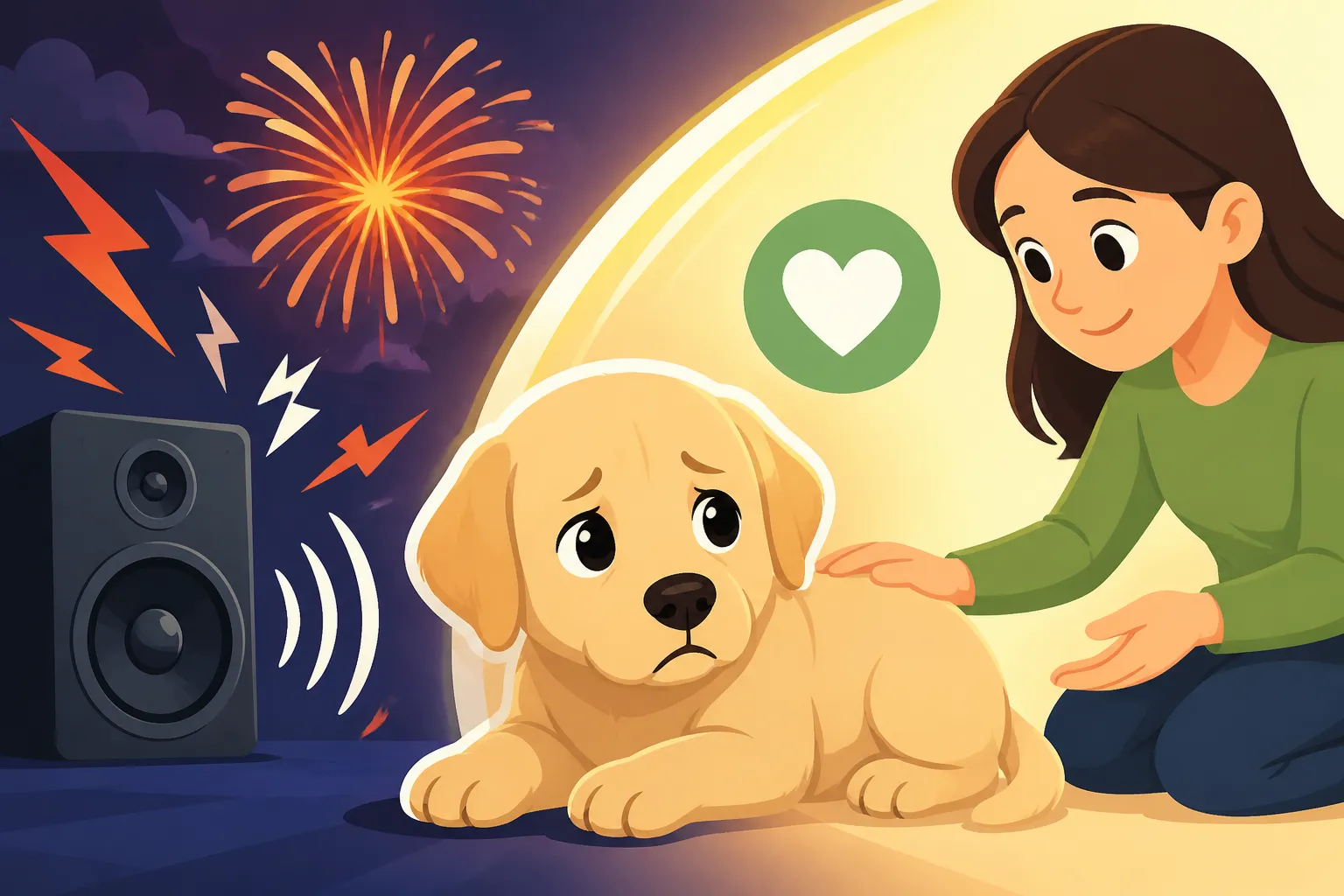
- Safe Haven Creation: During actual thunderstorms or fireworks displays, your proactive preparation needs to switch to comfort. Create a safe, comfortable den for your Labrador. This could be their crate, covered with blankets, or a small interior room like a bathroom or closet. Provide comforting items like a favorite bed, chew toys, or a stuffed Kong.
- Distraction and Comfort: Try to distract your puppy with interactive toys or a game of indoor fetch. Stay calm yourself; your anxiety will only heighten theirs. Avoid excessive coddling, as this can inadvertently reinforce their fear by signaling that there truly is something to be afraid of. A calm, reassuring presence is usually best. Many owners find success with tools like calming wraps or diffusers, though individual results vary.
It’s an ongoing process, and even with the best preparation, some Labradors will still show a degree of anxiety. For deeper dives into managing these specific fears, you might find Thunderstorm Fear in Labrador Retrievers and Labrador Anxiety Around Fireworks particularly helpful.
Household and Outdoor Noises: Vacuum Cleaners, Sirens, Traffic
Unlike the sudden, unpredictable nature of thunder or fireworks, many household and outdoor noises are more routine, which makes them easier to manage through consistent exposure. The goal here is to make these sounds simply part of the background, something your Labrador puppy doesn't even bat an eye at.
- Vacuum Cleaners and Appliances: We already touched on the vacuum. Apply the same principles to other noisy appliances like blenders, washing machines, or even loud TV programs. Introduce them at low levels, pair with treats, and gradually increase volume or proximity. For the real appliances, let your puppy observe from a distance at first, rewarding their calm demeanor.
- Doorbell: This one can be tricky because it often signals excitement (visitors!) or alarm (strangers!). Start by ringing the doorbell yourself at a low level, then immediately rewarding your puppy. Don't open the door. Practice this until they associate the ring with a treat, not an impending arrival. Later, you can incorporate a "go to mat" or "place" command when the doorbell rings, rewarding them for settling calmly. Many online puppy training courses, like those offered by BAXTER & Bella, include specific modules on how to desensitize puppies to common household triggers like the doorbell.
- Traffic and Sirens: Living in a city or near a busy road means your Labrador will encounter these daily. Start by taking your puppy on short, positive walks near busy areas (not in them initially). Let them watch from a safe distance, rewarding calm observation. Gradually increase proximity. When a siren wails, don't react with alarm yourself. Stay calm, offer a treat, and continue your walk as if nothing happened. Your calm reaction teaches them that it's not a threat.
- Children and Loud Voices: If you have children, teach them how to interact calmly with the puppy and to modulate their voices when necessary, especially during initial introductions. But also, gently expose your puppy to the sounds of kids playing, laughing loudly, or even crying (from a distance), again, always paired with something positive.
The key for all these routine sounds is consistency and remaining calm yourself. Your puppy looks to you for guidance, and if you're unbothered, they're more likely to be too.
Signs Your Puppy Is Overwhelmed and How to Respond
Learning to read your Labrador puppy's body language is arguably the most important skill you can develop as an owner. Labradors are famously stoic, but even they will give off subtle signals when they are feeling stressed, anxious, or overwhelmed by a sound. Ignoring these signals not only harms your puppy but also undoes all your hard work in building positive associations.
Here are some common signs that your puppy is feeling too much:
- Lip licking or yawning (when not tired): These are common displacement behaviors, meaning they're trying to cope with stress.
- Head turning or looking away: An attempt to disengage or avoid the perceived threat.
- Tail tucked low or between legs: A clear sign of fear or anxiety.
- Low body posture, cowering, or freezing: Indicates they are trying to make themselves smaller or are paralyzed by fear.
- Whining, trembling, shaking: Overt signs of distress.
- Panting heavily (when not hot or exercised): Can indicate stress.
- Hiding or trying to escape: A strong desire to get away from the sound.
- Reluctance to take treats: If your normally food-driven Labrador refuses a high-value treat, they are likely too stressed to eat.
If you observe any of these signs, your immediate response should be to stop the sound exposure. Turn off the recording, move away from the noise source, or remove your puppy from the situation. Do not punish them for showing fear. Instead, calmly reassure them without excessive coddling. A gentle stroke and a calm voice are usually sufficient. The goal is to let them know they are safe, not to reinforce the fearful behavior. Give them space to decompress in their safe place. Once they are calm, you can try again later, but at a significantly lower intensity or in a different, more comfortable environment. Understanding these subtle cues, even if it feels like Reading Pain in a Stoic Labrador, is critical to successful socialization.
Resources and Ongoing Support for Sound Socialization
The journey of sound socialization isn't always a straight line. There will be good days and challenging days, and that's perfectly okay. What matters most is your commitment to your Labrador puppy's well-being and your willingness to adapt and seek support when needed. There are many tools and professionals available to help you navigate this important aspect of puppyhood.
Professional Help and Training Aids
Sometimes, despite your best efforts, a Labrador puppy might still develop significant sound sensitivities or phobias. This is not a reflection of your failure as an owner; some dogs are just genetically predisposed to being more anxious, or they may have had a truly traumatic early experience. In these cases, it's incredibly important to seek professional help.
- Certified Professional Dog Trainers (CPDT-KA): A good positive-reinforcement trainer can provide personalized guidance, help you identify subtle stress signals, and refine your desensitization and counter-conditioning techniques. They can also teach you advanced exercises to build your puppy's confidence in various situations. When looking for help, it's crucial to Choosing a Trainer for a Labrador who uses humane, evidence-based methods and has experience with fear-based behaviors.
- Veterinary Behaviorists (DACVB): For severe phobias, especially those that impact your dog's quality of life or are resistant to training, a veterinary behaviorist is the specialist to see. These are veterinarians with advanced training in animal behavior. They can prescribe medication if necessary, alongside behavior modification plans, to help your dog cope and reduce their anxiety to a manageable level. This integrated approach often yields the best results for profound fear issues.
- Calming Aids: While not a substitute for training, various calming aids can support your efforts. These include pheromone diffusers or sprays that mimic a mother dog's calming pheromones, anxiety wraps (like a thunder shirt) that provide gentle, constant pressure, or even certain supplements. Always discuss any supplements or significant calming aids with your veterinarian to ensure they are safe and appropriate for your puppy. Remember, these are aids, not cures, and work best when used in conjunction with a solid behavior modification plan.
Maintaining a Positive and Patient Approach
Above all, remember that you are your Labrador puppy's greatest advocate and source of security. Your attitude and patience will significantly impact their progress. Don't fret if progress feels slow, or if your puppy has a "bad day" where a previously tolerated sound suddenly spooks them. Setbacks happen, often due to growth spurts, a new fear period, or simply an off day. When this occurs, simply take a step back, return to a lower intensity level, and rebuild confidence slowly.
Celebrate the small victories: the first time your puppy ignored the doorbell, or calmly watched the washing machine spin, or took a treat during a distant rumble of thunder. Each of these moments is a testament to your hard work and your puppy's growing resilience. Consistency is absolutely key. Make sound exposure a regular, positive part of your Labrador Puppy Health in the First Year routine. Continue to expose them to new, positive sounds throughout their adolescence and even into adulthood, ensuring their confidence remains strong. With patience, understanding, and a whole lot of love, your Labrador puppy will learn to navigate the loud world with a wagging tail and a happy heart.
Disclaimer
This article is for general informational purposes only and does not constitute professional advice. Laws, prices and regulations vary by location and change over time. Consult a qualified professional for guidance on your specific situation.