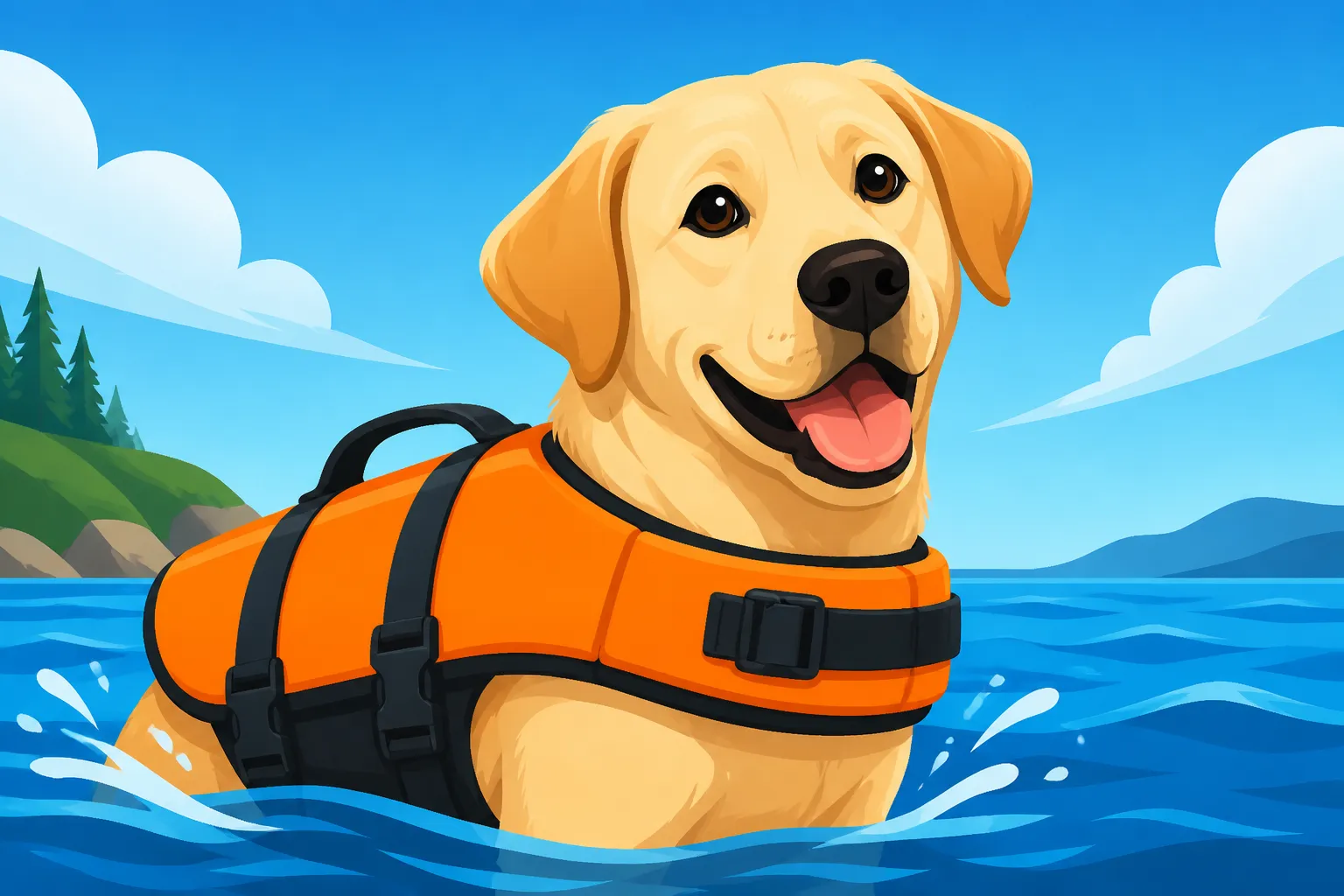
Life Jackets for a Labrador in Open Water
It's a common misconception among Labrador owners that because our beloved retrievers were practically born with webbed feet and a love for water, they're automatically invincible swimmers. We see them dive into lakes, rivers, and even the ocean with such boundless enthusiasm, and it's easy to assume they'll always be safe. But the truth is, even the strongest, most water-savvy Labrador can face unexpected challenges in open water. This guide is here to shed light on why a life jacket is a crucial piece of gear for your adventurous Lab and what to look for when choosing one to ensure their safety and your peace of mind.
Why Your Water-Loving Labrador Still Needs a Life Jacket
You might be thinking, "My Lab is a fish! They don't need a life jacket." I hear you, I really do. It feels almost counter-intuitive to put a flotation device on a breed so synonymous with water. However, the open water environment is unpredictable, and even the best swimmers can get into a bind. A life jacket isn't just about preventing drowning; it's about providing an extra layer of safety and control in various situations.
The Myth of the Indestructible Swimmer
Yes, Labradors are incredible swimmers. Their thick double coats offer some insulation, and their "otter tails" act like rudders, making them incredibly efficient in the water. But this natural ability often leads us to overestimate their stamina and resilience. Just like us, dogs can get tired, especially during long retrieves, against strong currents, or if they're older or very young. A young puppy might still be building strength, and a senior Labrador might not have the stamina they once did, even if their heart still longs for the water. Imagine a long day of fetch in the lake; eventually, even the most energetic Lab can hit a wall, and a life jacket means they can float effortlessly until they regain their strength or you can reach them. It's about acknowledging that even the best can benefit from a little help now and then.
Moreover, unexpected events can quickly turn a fun swim into a scary situation. Your dog might swim further than intended, get disoriented, or simply misjudge a wave. I've heard stories of Labs who, after chasing a thrown toy with gusto, just couldn't make it back to the boat against an unexpected gust of wind or current. That's where a life jacket makes all the difference, providing the necessary buoyancy to keep their head above water without expending precious energy.
Hidden Dangers in Open Water
Open water, whether it's a calm lake or a bustling river, harbors risks that aren't always immediately apparent. Strong currents, undertows, and even boating traffic can pose significant threats. A strong current can drag even a powerful swimmer downstream faster than they can swim back, leading to exhaustion. Debris in the water, like submerged logs or discarded fishing lines, can entangle a dog, making it difficult for them to surface or swim freely. Cold water is another often-overlooked danger. Even on a warm day, extended exposure to cold water can lead to hypothermia, weakening your dog and impairing their swimming ability.
Think about situations like falling out of a canoe or off a paddleboard in the middle of a large body of water. Without a life jacket, your dog might struggle to stay afloat long enough for you to get to them, especially if you're also trying to right your craft. It’s also important to consider crowded beaches or boat ramps where your dog might accidentally get nudged into deeper water, or simply lose sight of you among other swimmers. A bright, buoyant life jacket helps them stay visible and safe in these busy environments.
Peace of Mind for You
Ultimately, a life jacket for your Labrador isn't just for their safety; it's for your peace of mind. Knowing your adventurous companion has extra flotation can significantly reduce your anxiety, allowing you both to enjoy your time by and on the water more fully. When you're out on the lake in your kayak, paddleboard, or boat, a life jacket makes it so much easier to retrieve your dog if they decide to take an impromptu dip or fall overboard. The sturdy grab handle on most quality jackets is a lifesaver – literally – making it simple to hoist a seventy-pound dog back into the boat without struggling.
Without a life jacket, trying to pull a wet, heavy, potentially panicked Labrador out of the water can be a real challenge, even for the strongest person. The handle gives you a secure grip, preventing you from fumbling or causing undue stress to your dog. It also helps in situations where your dog might get stuck in thick weeds or needs guidance back to shore. This peace of mind means you can focus on enjoying the outing, rather than constantly worrying about "what if." You'll find yourself much more relaxed during activities like Swimming as Exercise for a Labrador or even just a casual dip in the river.
What to Look for in a Quality Labrador Life Jacket
Choosing the right life jacket for your Labrador isn't just about picking the first one you see. There are several key factors to consider to ensure it offers maximum safety, comfort, and durability. A well-fitting, high-quality life jacket will be something you both appreciate for years to come.
Flotation and Buoyancy: More Than Just a Vest
The primary purpose of a life jacket is flotation, but not all jackets are created equal. Look for a jacket with ample buoyancy, meaning enough flotation material to keep your Labrador's head well above the water, even if they're tired or unconscious. The flotation should be distributed evenly, with a good amount under the belly and around the neck. This helps to keep their body in a natural swimming position and, crucially, prevents their head from sinking. Some cheaper vests might only have flotation on the back, which can actually cause a dog to tip forward or struggle more to keep their head up.
Consider the material used for flotation. Closed-cell foam is common and effective, as it doesn't absorb water. Ensure the foam is thick and well-distributed throughout the jacket. Remember, your Labrador's weight is a key factor here; a heavier dog will naturally need more buoyancy than a lighter one. Always check the manufacturer's weight guidelines, but also look at reviews and photos to see how the jacket performs on similarly built dogs. You want to ensure that the jacket aids their swimming, not hinders it.
Fit and Comfort: Keeping Your Lab Happy and Safe
A life jacket is only effective if your Labrador will actually wear it, and if it fits properly without causing discomfort or chafing. The fit should be snug but not restrictive. You should be able to slide two fingers comfortably under the straps, but no more. Loose straps can allow the jacket to shift, reducing its effectiveness and potentially creating a hazard. Pay close attention to the chest and neck straps, as these are critical for keeping the jacket in place and ensuring proper head flotation.
Look for wide, adjustable straps with strong buckles that won't loosen during activity. Neoprene or padded areas around the buckles and under the belly can prevent chafing, especially during long periods in the water. The jacket shouldn't impede your Labrador's natural range of motion when swimming or walking. Some jackets have a more minimalist design, offering greater freedom, while others are bulkier for maximum buoyancy. For an active Labrador who loves to retrieve, ensure their front legs have full range of motion. Brands available on platforms like Amazon often provide detailed sizing charts and customer reviews that include photos, which can be invaluable when trying to gauge the right fit for your unique Lab.
Durability and Safety Features
The best life jacket for your Labrador will be made from durable materials that can withstand the rigors of frequent water exposure, sun, and your dog's enthusiastic adventures. Look for sturdy nylon or ripstop fabric that resists tears and abrasions. Reinforced stitching is a must, especially around stress points like the grab handle and strap attachments.
Beyond basic flotation, essential safety features include a strong grab handle on the back, which is absolutely critical for lifting your dog out of the water or guiding them. This handle should be robust enough to support your Labrador's full weight. Reflective trim or bright, high-visibility colors (like neon yellow or orange) are also vital, especially if you're in open water with other boats or if your dog is swimming in low light conditions. A D-ring or leash attachment point on the back is also handy for leading your dog to and from the water, or securing them briefly. Some jackets even feature a mesh underside for quick drying, which helps prevent skin irritation and odor. Think about how often you'll be using it and in what environments. A jacket for casual lake swims might have different priorities than one for river rafting or ocean adventures.
Introducing Your Labrador to Their Life Jacket
Putting a life jacket on your Labrador for the first time should be a positive, stress-free experience. Like any new gear or routine, a gradual introduction with plenty of praise and treats will help your dog associate the jacket with good things. Rushing the process can create a negative association, making future use more difficult.
Making it a Positive Experience
Start by simply letting your Labrador see and sniff the life jacket in a calm environment, perhaps while you're giving them a favorite treat or playing a gentle game. Don't immediately try to put it on them. After a day or two of positive association, gently place the jacket on their back without fastening it, letting them wear it for a few seconds. Offer a high-value treat and praise lavishly. Gradually increase the time they wear it, fastening a few buckles at a time, always with positive reinforcement. You want them to think, "Oh, this weird vest means delicious snacks and happy talk!"
Consider doing this introduction indoors first, during a normal activity like mealtime or a short training session. This helps them get used to the feel and weight of the jacket before adding the excitement of water. A company like BAXTER & Bella, known for its puppy training programs, often emphasizes these gradual, positive introductions for new experiences and gear, which is an excellent philosophy to adopt here. If your dog shows any signs of discomfort or stress, take it off and try again later with a shorter duration. The goal is for them to feel completely comfortable and unbothered by the jacket.
Practice Makes Perfect, On Land and In Water
Once your Labrador is comfortable wearing the life jacket around the house, take them for a short walk on land. This allows them to get used to the feel of it while moving. Make sure the fit is still good and there are no signs of chafing. Then, and only then, it's time to introduce it to water. Start in shallow, calm water where they can easily stand or touch bottom. Let them wade, splash, and play for a few minutes with the jacket on. Observe how they move and swim. Are they comfortable? Is the jacket shifting?
Gradually move to deeper water, always staying close and supervising. Throw a favorite floating toy a short distance to encourage them to swim while wearing it. Keep these initial water sessions short and fun. The more positive experiences your Labrador has with the life jacket, the more they will accept it as part of their water routine. Remember to check out tips on Getting a Labrador Comfortable in the Car if your water adventures involve a drive, as feeling safe on the journey helps set a positive tone for the destination. Consistent, low-stress practice will build their confidence and acceptance.
When to Use the Life Jacket
It might seem obvious, but knowing when to insist on the life jacket is key. While it's always a good idea for puppies and senior dogs, or those with health conditions like Labrador Arthritis in Middle Age or Labrador Hip and Elbow Dysplasia, it's also smart for any Labrador in specific situations. Anytime you are on a boat, kayak, canoe, or paddleboard, the life jacket should be non-negotiable. Falling off a moving vessel, even slowly, can be disorienting and dangerous for a dog.
Consider open bodies of water like large lakes, rivers with currents, or the ocean, especially if you'll be far from shore or swimming for extended periods. If your Labrador is prone to Limber Tail After a Labrador Swims, a life jacket can help prevent overexertion. Even if they're just swimming off the dock, a life jacket can offer a quick way to grab them if they need assistance or get caught in a tricky spot. For long days at the beach where your dog might be in and out of the water repeatedly, a life jacket can help conserve their energy, especially as they get older. If you're wondering about general activity levels, understanding How a Labrador's Energy Changes at Three can help you determine if they still have the stamina they once did for unsupported swims. It's truly a versatile piece of safety equipment that deserves a place in every water-loving Labrador owner's gear bag.
Here's a quick comparison of key features to look for:
| Feature | Why It's Important | Consideration for Labradors |
|---|---|---|
| Buoyancy Distribution | Keeps head above water, natural swimming posture | Ample flotation under belly and neck, not just back |
| Grab Handle | Easy retrieval from water, emergency assistance | Strong, reinforced, can support full adult Labrador weight |
| Adjustable Straps | Snug, customized fit for safety and comfort | Wide, durable, secure buckles that don't loosen |
| Visibility | Helps spot dog in water, especially in low light | Bright colors (neon), reflective trim |
| Durable Material | Longevity, withstands water, sun, and active use | Ripstop nylon, reinforced stitching, quick-drying |
| Comfort Padding | Prevents chafing during extended wear | Neoprene or soft padding around straps and belly |
| D-Ring/Leash Clip | For guiding dog to/from water, temporary tethering | Strong metal D-ring, securely attached |
Maintaining Your Labrador's Life Jacket
Just like any other piece of outdoor gear, your Labrador's life jacket needs proper care to ensure it remains effective and lasts for many seasons of splashing fun. Neglecting maintenance can lead to reduced buoyancy, weakened materials, and even potential health issues for your dog.
Cleaning and Storage for Longevity
After every outing, especially if your Labrador has been in saltwater, muddy rivers, or chlorinated pools, it's crucial to rinse the life jacket thoroughly with fresh water. This removes salt, chlorine, dirt, and any other residues that can break down the fabric and stitching over time. Simply hose it down or soak it in a tub of clean water. For a deeper clean, you can use a mild, pet-safe soap and a soft brush, then rinse thoroughly. Avoid harsh chemicals or bleach, as these can damage the materials and flotation foam.
Once clean, hang the life jacket in a well-ventilated area to air dry completely. Never put it in a clothes dryer, as the heat can damage the foam and other components. Ensuring it's completely dry before storage prevents mildew, mold, and unpleasant odors, which can also irritate your Labrador's skin. Store it in a cool, dry place away from direct sunlight, which can cause fading and material degradation. Proper cleaning and storage will significantly extend the life of the jacket, ensuring it's ready for your next adventure. This attention to detail is similar to the care you might take with your dog's A First Aid Kit for a Labrador Retriever, ensuring everything is in top condition when you need it most.
Regular Inspections for Safety
Before each use, and periodically throughout the season, take a few moments to inspect your Labrador's life jacket for any signs of wear and tear. Check all the buckles and straps to make sure they are intact, functioning correctly, and not frayed or cracked. Strong, reliable buckles are essential for a secure fit. Look closely at the stitching, especially around the grab handle and where the straps attach to the main body of the jacket. Loose or broken threads can indicate a weak point that could fail under stress.
Examine the flotation material itself. Squeeze different sections of the jacket to feel for any areas where the foam might have compressed, shifted, or become waterlogged. If the flotation material feels significantly less buoyant in certain spots, or if the jacket holds water, it might be time for a replacement. A compromised jacket won't provide the level of safety your Labrador deserves. Regular inspections are a simple, quick step that can prevent a serious incident and ensure that your investment in their safety continues to pay off. It’s a vital part of making sure all the gear you bought, from a What a New Labrador Owner Should Buy First checklist, remains safe and functional.
Disclaimer
This article is for general informational purposes only and does not constitute professional advice. Laws, prices and regulations vary by location and change over time. Consult a qualified professional for guidance on your specific situation.