Feeding a Senior Labrador Retriever
It's a bittersweet truth that our furry, enthusiastic Labradors eventually start to slow down, their once boundless energy giving way to more naps and a gentler pace. As they enter their senior years, the way we feed them needs to evolve too. You might notice your once ravenous eater becoming a bit more finicky, or perhaps they're gaining weight even though you feel like you're feeding them the same amount. Getting their diet right is absolutely crucial for their comfort and health in these golden years, and this guide is here to help you navigate those changes with confidence.
Understanding Your Senior Labrador's Changing Needs
Just like humans, Labradors experience significant physiological changes as they age. What worked for your energetic adolescent Lab or your robust adult might not be the best fit for your wise old companion. Recognizing these shifts is the first step in providing them with the optimal nutrition.
Metabolic Slowdown and Energy Needs
One of the most common and often frustrating changes we see in senior Labradors is a noticeable slowdown in their metabolism. That boundless puppy energy that once propelled them across fields and into lakes begins to wane. They might not be chasing balls for hours, or perhaps their daily walk is now a leisurely stroll around the block instead of a brisk hike. This decrease in activity naturally means they require fewer calories to maintain their body weight.
What often happens is that owners continue to feed the same amount of food they did when their Lab was younger and more active. The result? Unwanted weight gain. It's not just about activity, though; their internal engines just don't burn fuel as efficiently. Muscle mass, which is metabolically active tissue, can start to decrease with age, while fat mass often increases. This shift further contributes to a lower overall metabolic rate. It's a cruel trick of nature, really, where their bodies become more prone to packing on the pounds right when it's harder for them to exercise those pounds away. Keeping an eye on their weight is paramount, as obesity can exacerbate many age-related health issues. Labrador Obesity and the Years It Costs can really add up, both in terms of quality of life and vet bills.
Joint Health and Mobility
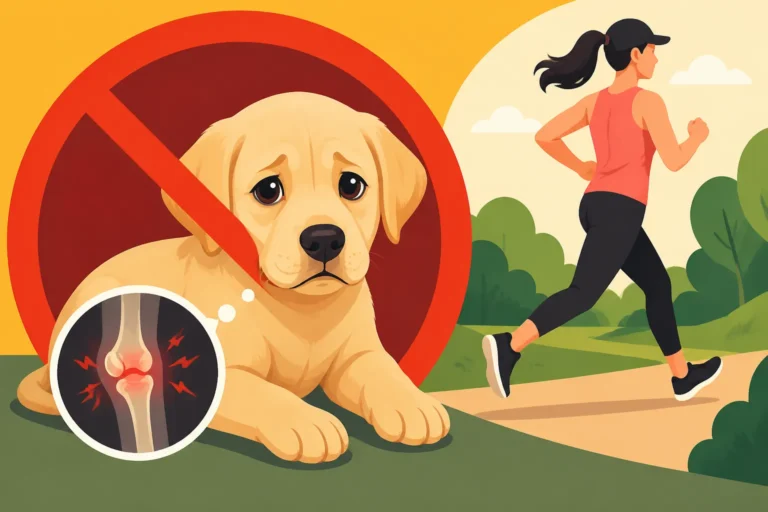
As any Labrador owner knows, these dogs are prone to joint issues, and these problems only tend to worsen with age. Arthritis, hip dysplasia, and elbow dysplasia can become chronic sources of discomfort. Imagine trying to bend down for your food bowl when your hips are stiff and sore – it's no fun. A senior Labrador's diet can play a huge supporting role in managing these conditions.
Specific nutrients can help reduce inflammation, support cartilage health, and even provide some lubrication to those creaky joints. Omega-3 fatty acids, often derived from fish oil, are fantastic natural anti-inflammatories that can really make a difference. Glucosamine and chondroitin are also widely used supplements aimed at supporting cartilage. Beyond what's in their food, how they eat their food matters. If your senior Lab is struggling to bend down to a floor-level bowl, an elevated feeder can make mealtime much more comfortable and less painful. Watching for subtle signs of discomfort, like a slower pace to the food bowl or reluctance to stand up after eating, is key. Our article on Labrador Arthritis in Middle Age delves deeper into these challenges. We want their meal times to be a source of joy and nourishment, not a painful chore. When you're Caring for a Senior Labrador, every little comfort counts.
Choosing the Right Food for Senior Labradors
With their changing needs in mind, selecting the right food for your senior Labrador becomes a focused task. It's not just about switching to a bag labeled "senior formula"; it's about understanding what's inside and how it truly benefits them.
Large Breed Senior Formulas
When it comes to feeding an older Labrador, a high-quality senior dog food, especially one formulated for large breeds, can be a game-changer. These formulas are typically designed with lower calorie counts to account for that metabolic slowdown, helping to prevent unwelcome weight gain without making your dog feel like they're on a perpetual diet. They also tend to have a different macronutrient balance compared to adult formulas. You'll often find moderate protein levels, which is vital for maintaining muscle mass in aging dogs, but the protein needs to be highly digestible. Don't fall for the myth that senior dogs need less protein; they need good protein to combat muscle wasting.
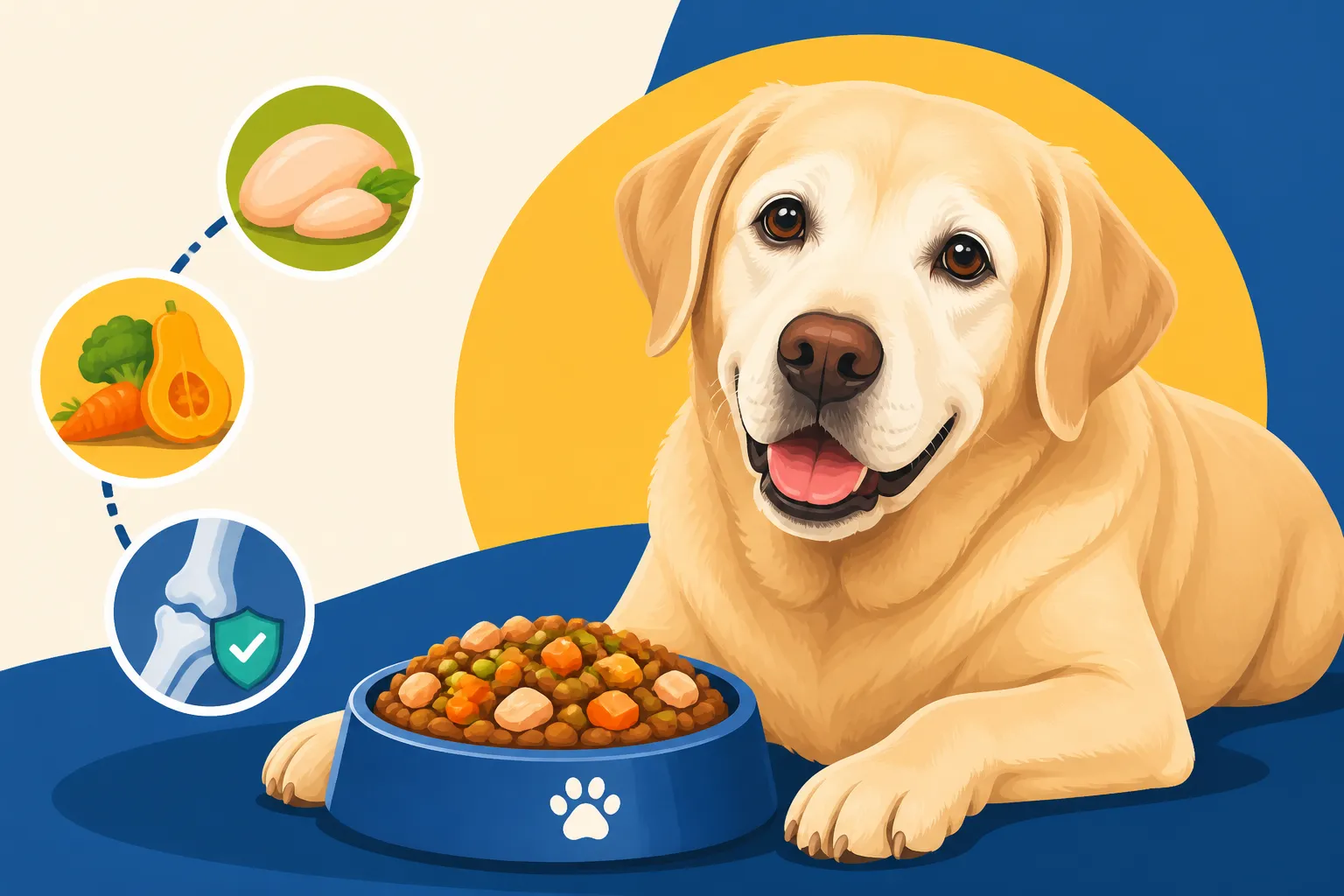
Beyond calories and protein, these specialized foods often include ingredients targeted at senior health. For instance, increased levels of omega-3 fatty acids are common for their anti-inflammatory effects on joints. Many also contain glucosamine and chondroitin, which are building blocks for cartilage and joint fluid, offering direct support for Slowing Joint Decline in an Older Labrador. Some formulas might also incorporate antioxidants and even medium-chain triglycerides (MCTs) to support cognitive function, which can help with senior mental sharpness. When you're sifting through the options, whether online at a big retailer like Chewy or browsing your local pet store, remember to scrutinize the ingredient list. Look for whole, identifiable protein sources and beneficial fats.
Wet vs. Dry Food Considerations
The eternal debate: dry kibble or wet food? For senior Labradors, the answer might not be so black and white, and often, a combination can be the sweet spot.
Dry kibble is generally more cost-effective and, contrary to popular belief, it's often marketed as being good for dental health due to its abrasive texture. While it's not a substitute for regular brushing, a good quality kibble can offer some mechanical cleaning. If your senior Lab has healthy teeth and a good appetite, sticking with a premium dry senior formula is often perfectly fine. You can even soften it with warm water or a bit of low-sodium broth to make it more aromatic and easier to chew, especially if you notice a slight decrease in appetite.
However, wet food has distinct advantages for older dogs. It has a much higher moisture content, which is great for hydration – a common concern in seniors who might not drink enough water. Its soft texture is also a huge plus for Labs with dental issues, missing teeth, or sore gums, making mealtime pain-free and more enjoyable. Wet food is often more palatable and aromatic, which can tempt a picky eater or a dog whose sense of smell isn't what it used to be. The downside is that it can be more expensive and sometimes less calorie-dense, meaning your Lab might need a larger quantity to get the same nutrition. Many owners find success with a mixed approach, feeding kibble as the base and topping it with a spoonful of wet food, or alternating between wet and dry meals. Companies like Ollie offer fresh, human-grade food that can be incredibly appealing and digestible for seniors, offering a great alternative if wet food is proving difficult to source or your dog is still turning up their nose. Ultimately, the best choice is the one your senior Lab thrives on and eagerly anticipates. For a broader look at choices, check out Choosing Dog Food for a Labrador Retriever.
Managing Weight and Portion Control
Even with the right senior formula, the biggest challenge for many Labrador owners is managing their dog's weight. Labradors are famously food-motivated, and that drive doesn't necessarily diminish with age, even if their need for calories does. It’s an ongoing battle against the bulge that requires vigilance and precision.
Accurate Portion Measurement
When your Labrador was a spry youngster, perhaps a little extra kibble here and there didn't make a huge difference. But for a senior Lab, every calorie counts. That casual scoop from the bag can easily lead to overfeeding, and those extra pounds put unnecessary strain on their already aging joints and organs. This is why accurate portion measurement is absolutely non-negotiable.
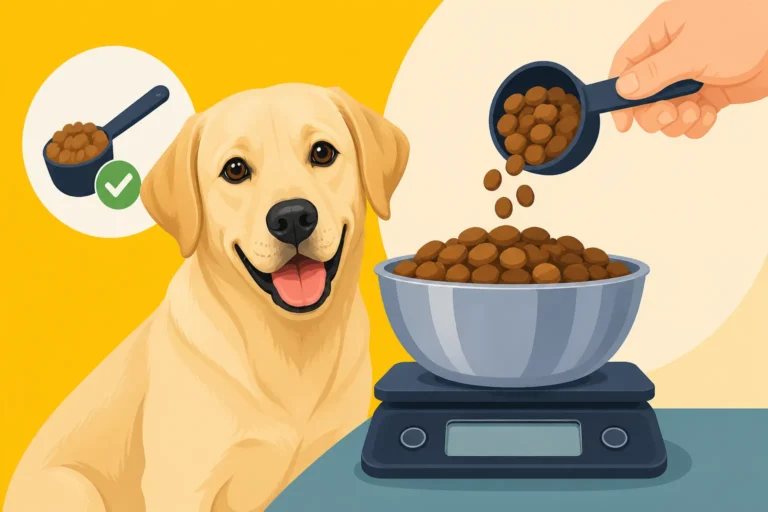
Forget the generic measuring cup that came with the bag – those are notoriously inaccurate and can vary wildly depending on how densely you pack the kibble. The gold standard for precise feeding is a digital kitchen scale. Weighing out your dog's food ensures that they are getting the exact amount of calories specified by your veterinarian or the food manufacturer, every single time. It takes a little extra effort, but it pays dividends in maintaining their optimal body condition. If a scale isn't an option, invest in a proper, standardized measuring cup and always level off the kibble. Consistency is key. Discuss your senior Lab's ideal weight and daily caloric needs with your vet, who can help you set an appropriate target. Keeping an eye on their body condition score is also incredibly important; you should be able to easily feel their ribs without seeing them, and they should have a visible waistline. We talk more about this in Using a Kitchen Scale for Labrador Portions.
The Role of Treats and Snacks
Let's be honest, resisting those soulful Labrador eyes when they beg for a treat is almost impossible. But those seemingly innocent snacks can quickly add up to a significant portion of their daily caloric intake, sabotaging your efforts at weight management. For senior Labradors, treats need to be factored into their overall daily calorie budget, not just given on top of their meals.
This doesn't mean you have to cut out treats entirely! It simply means being smarter about them. Opt for low-calorie, healthy alternatives. Baby carrots, green beans, apple slices (without seeds or core), or blueberries can be fantastic, nutritious, and low-calorie rewards that most Labs adore. You can also reserve a small portion of their daily kibble ration to use as training treats throughout the day. When buying commercially prepared treats, always check the calorie count and ingredients. There are many excellent low-calorie options available, and you can easily find them browsing a wide selection on platforms like Chewy or Amazon. Remember, the goal is to reward and enrich their lives, not to contribute to obesity. Thoughtful treat giving is an important part of Keeping a Labrador at a Healthy Weight and understanding Treats That Fit a Labrador's Calorie Budget.
Addressing Common Senior Feeding Challenges
Even with the best intentions and the perfect senior food, older Labradors can present unique challenges at mealtime. From a sudden disinterest in food to difficulties eating, these issues require patience and often a bit of detective work to solve.
Decreased Appetite and Pickiness
It can be incredibly disheartening when your once food-obsessed Labrador suddenly turns up their nose at their meal. A decreased appetite or new pickiness in an older dog is never something to ignore, as it can be a sign of an underlying health issue. Dental pain is a very common culprit; imagine trying to chew crunchy kibble with a sore tooth! Other possibilities include gastrointestinal upset, kidney disease, liver issues, or even a decline in their sense of smell. Sometimes, it's just general malaise from age, but a vet check is always the first step to rule out medical problems.
Once health issues are addressed, there are strategies you can employ to entice your senior Lab to eat. Warming their food slightly can release more aromas, making it more appealing. Adding a little low-sodium chicken broth, warm water, or a spoonful of plain canned pumpkin (not pie filling!) can also make their meal more palatable and easier to digest. If they're struggling with dry kibble, trying a high-quality wet food or a fresh food option might be beneficial. Services like Ollie deliver fresh, gently cooked meals that are often incredibly enticing to picky eaters due to their texture and aroma. Sometimes, a change of pace is all it takes to rekindle their interest. It’s also important to remember that Labs are incredibly stoic, and Reading Pain in a Stoic Labrador can be challenging, so subtle changes in eating habits should always prompt concern.
Dental Health Impact on Eating
Dental health is often overlooked until it becomes a crisis, but for senior Labradors, it can profoundly impact their ability and willingness to eat. Periodontal disease, chipped teeth, or painful gum infections are incredibly common in older dogs and can make chewing excruciating. If your Lab suddenly refuses hard kibble, drops food, or whines while eating, their mouth might be the problem.
Regular veterinary dental check-ups are paramount. Your vet can assess their oral health and recommend professional cleanings, extractions, or other necessary treatments. Addressing dental pain can dramatically improve your senior Lab's quality of life and appetite. In the meantime, while addressing dental issues, you'll need to adapt their food. Switching to a soft, wet food is often the easiest solution. If you prefer to stick with kibble, soften it thoroughly with warm water or broth until it's mushy. Avoiding hard chews or toys that might further damage sensitive teeth is also wise. Our article on Labrador Dental Disease and Tartar offers more insights, and it’s a good idea to consider How Often a Labrador Needs Dental Cleaning to stay ahead of potential problems. Healthy teeth mean a happy eater, which means a happier, healthier senior Lab.
Supplements and Special Dietary Considerations
Beyond the main meal, various supplements and specific dietary approaches can further enhance the well-being of your senior Labrador. These aren't magic bullets, but carefully chosen additions can provide targeted support for common age-related issues.
Joint Supplements
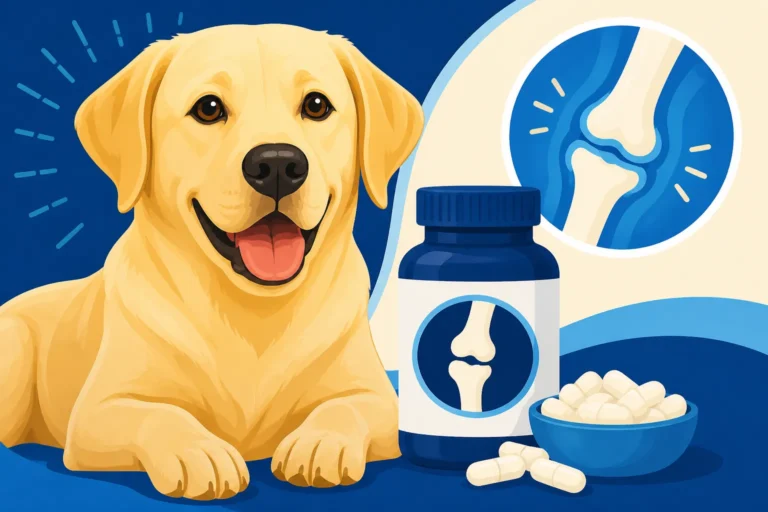
As discussed earlier, joint health is a major concern for aging Labradors. While many senior dog foods include some joint support ingredients, supplementing further can often provide a noticeable benefit. The most popular and well-researched ingredients are glucosamine and chondroitin. These compounds are natural components of cartilage and help to maintain its elasticity and strength. Many owners report improved mobility and reduced stiffness in their Labs after consistent supplementation.
Another powerhouse ingredient is omega-3 fatty acids, particularly EPA and DHA, found in fish oil. These fatty acids are potent anti-inflammatories that can help reduce the pain and inflammation associated with arthritis. When choosing a fish oil supplement, look for one that specifies the EPA and DHA content and is third-party tested for purity to ensure it's free from heavy metals. Other supplements like MSM (methylsulfonylmethane) and green-lipped mussel are also popular for their anti-inflammatory properties and joint support. It's always best to discuss any new supplements with your veterinarian. They can help you determine the appropriate dosage for your individual Lab's needs, considering their specific health conditions and any medications they might be taking. Our article Joint Supplements That Help a Labrador provides an in-depth look at these options.
Digestive Support and Probiotics
Just like us, older dogs can experience changes in their digestive systems. The beneficial bacteria in their gut might decrease, leading to a less efficient digestive process, occasional upset stomachs, or changes in bowel regularity. This is where digestive support, particularly probiotics, can come into play.
Probiotics are live beneficial bacteria that, when administered in adequate amounts, confer a health benefit to the host. For senior Labradors, they can help maintain a healthy balance of gut flora, improve nutrient absorption, and support overall digestive health. This can lead to more consistent stools, reduced gas, and a happier gut. Many senior dog foods now include prebiotics and probiotics, but an additional supplement might be warranted if your Lab has a particularly sensitive stomach or is prone to digestive upsets. Plain, unsweetened yogurt with live cultures (in moderation) can also be a simple way to introduce some probiotics, but specific canine probiotic supplements are usually more effective due to their targeted strains and higher concentrations.
Beyond probiotics, ensuring adequate fiber in their diet is important for bowel regularity. Some senior formulas include higher fiber content for this purpose. If your Lab experiences constipation, adding a small amount of canned pumpkin or psyllium husk (under vet guidance) can often help.
Hydration
Maintaining adequate hydration is crucial for all dogs, but it becomes especially important for senior Labradors. Older dogs may not feel as thirsty, or they might have underlying kidney issues that require more fluid intake. Dehydration can lead to lethargy, constipation, and put extra strain on their organs.
Always ensure your senior Lab has access to fresh, clean water at all times. Placing multiple water bowls around the house, especially near their favorite resting spots, can encourage them to drink more frequently. Some dogs are enticed by a pet water fountain, which provides fresh, circulating water. As mentioned earlier, incorporating wet food into their diet or adding water or low-sodium broth to their kibble is an excellent way to boost their fluid intake with their meals. Watch for signs of dehydration, such as dry gums, sunken eyes, or a loss of skin elasticity (the skin on their neck should snap back quickly when gently pinched).
Nutritional Comparison: Adult vs. Senior Labrador
To help visualize the key differences in nutritional needs as your Labrador ages, here's a comparison:
| Nutrient | Adult Labrador Needs | Senior Labrador Needs | Key Rationale for Change |
|---|---|---|---|
| Calories | Higher (based on activity level) | Lower (approx. 20-30% less) | Decreased metabolism and activity |
| Protein | Moderate to High (22-28%) | Moderate to High (25-30%), highly digestible quality | Maintain muscle mass, combat muscle wasting |
| Fat | Moderate (12-18%) | Lower (10-14%) | Prevent weight gain, lower energy needs |
| Fiber | Moderate (2-4%) | Slightly higher (3-7%) | Aid digestion, promote bowel regularity |
| Omega-3 Fatty Acids | Good levels | Increased | Anti-inflammatory for joints, cognitive support |
| Glucosamine/Chondroitin | Often present for joint maintenance | Higher levels | Support aging joints, mitigate arthritis |
| Antioxidants | Present | Increased (e.g., Vitamin E, C, carotenoids) | Combat cellular aging, support immune function |
| Sodium | Moderate | Slightly lower (if prone to heart/kidney issues) | Manage blood pressure, support kidney health |
Feeding your senior Labrador Retriever well is one of the most loving and impactful things you can do to ensure their golden years are as comfortable and happy as possible. It means paying attention, adapting, and sometimes even getting a little creative, but the joy and companionship they offer in return are absolutely priceless.
Disclaimer
This article is for general informational purposes only and does not constitute professional advice. Laws, prices and regulations vary by location and change over time. Consult a qualified professional for guidance on your specific situation.