Why Free Feeding Fails With a Labrador
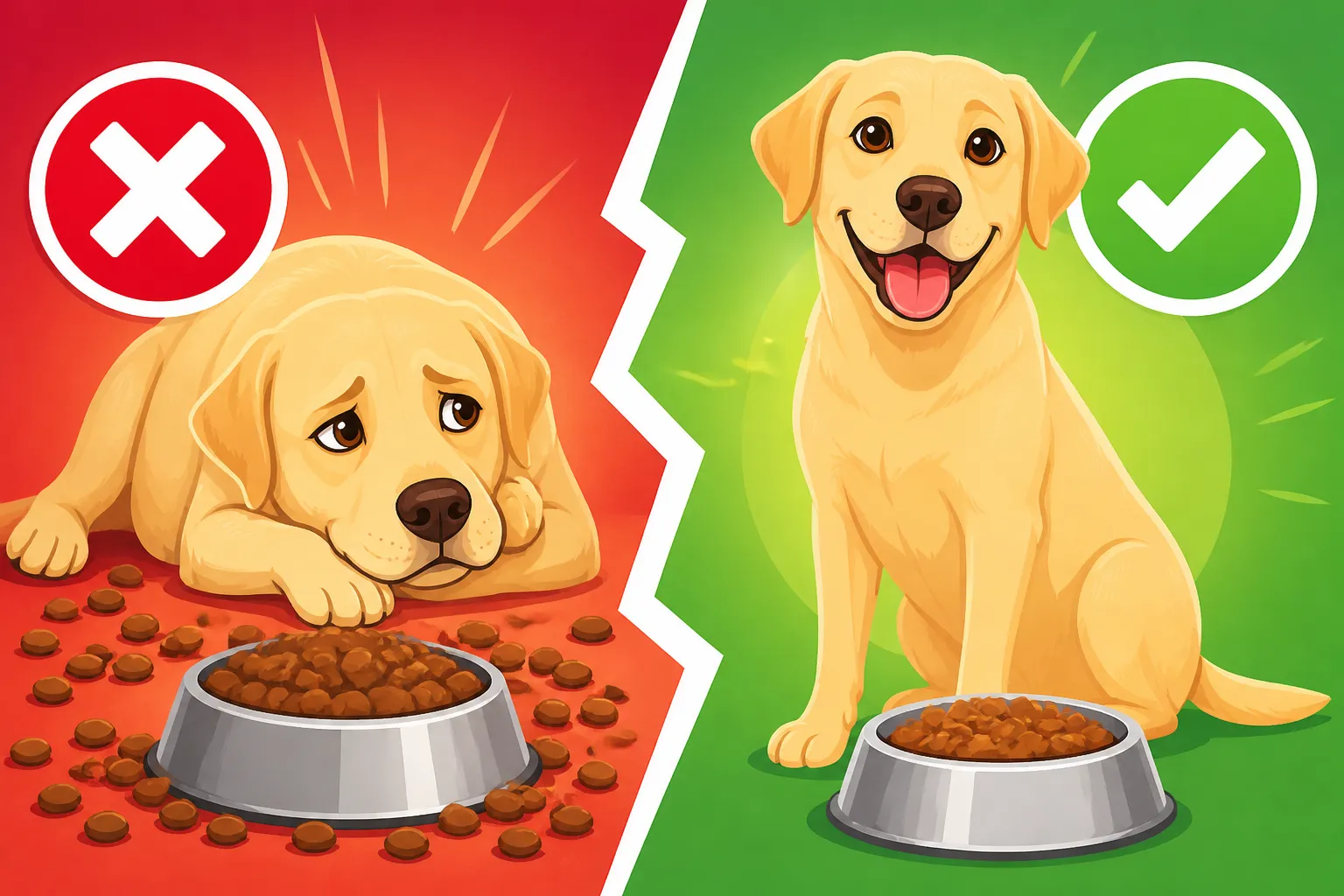
Many Labrador owners find themselves utterly frustrated by their dog's relentless pursuit of food, often wondering why that "full" bowl of kibble never seems to curb their appetite. The truth is, leaving food out all day for a Labrador, a practice known as free-feeding, is almost always a recipe for disaster. This guide will dive deep into the unique reasons why free-feeding simply doesn't work for our beloved Labs and equip you with the knowledge and strategies to implement a structured feeding plan that promotes health, happiness, and a much more peaceful household.
The Labrador's Insatiable Appetite: A Genetic Predisposition
If you've ever owned a Labrador, you know their love for food is legendary. It’s not just a cute quirk; it's deeply ingrained in their genetics and history. Understanding this fundamental aspect of their being is the first step to truly grasping why free-feeding goes against their very nature.
The POMC Gene Deletion and Constant Hunger
It might feel like your Labrador is just being greedy, but there's a fascinating scientific reason behind their relentless hunger: a specific genetic mutation. Studies have shown that many Labradors carry a deletion in the POMC gene, which is crucial for regulating appetite and energy expenditure. This isn't just a minor tweak; it's a significant factor in why our Labs seem to be perpetually hungry.
For us, when we eat a meal, our brains receive signals that tell us we're full and satisfied. This is how satiety works. However, for a Labrador with this POMC gene deletion, those "I'm full" signals are significantly weaker, or in some cases, almost non-existent. Their brains simply don't get the same message of satisfaction that other dogs (or even other Labradors without the deletion) receive. This means that even after eating a perfectly adequate meal, they may still feel hungry. It's not a matter of willpower on their part; it's a physiological wiring that makes them constantly seeking out more calories. You can learn more about this specific genetic factor in The POMC Gene and Labrador Appetite and What the POMC Deletion Does to Appetite. This constant internal feeling of hunger makes the concept of free-feeding—where food is always available—an overwhelming temptation they are ill-equipped to resist.
Ancestral Instincts and Modern Bowl Habits
Beyond genetics, consider the Labrador's historical role. They were bred as working dogs, often alongside fishermen in the cold waters of Newfoundland. Their days involved strenuous activity: retrieving nets, pulling lines, and working in harsh conditions. For such a high-energy, hard-working dog, every calorie was vital. Food wasn't always guaranteed, so when it was available, it was wise to consume as much as possible. This ancestral instinct to eat opportunistically, to "make hay while the sun shines" when it comes to food, still runs deep in their veins.
In modern homes, this instinct clashes dramatically with the idea of a perpetually full food bowl. What we see as a convenience, they see as a never-ending buffet that their bodies are programmed to take full advantage of. They aren't thinking about portion control or their waistline; they are simply responding to thousands of years of evolutionary programming that tells them to eat whenever food is present. A free-fed Labrador is essentially living out its ancestral dream of unlimited food, a dream that, unfortunately, leads to significant health problems in our comfortable, sedentary homes.
The Downside of Free-Feeding for Labradors
While the intention behind free-feeding might be good—you want your dog to never feel hungry—for a Labrador, it invariably leads to a host of problems, ranging from physical ailments to behavioral issues. These downsides far outweigh any perceived convenience.
The Inevitable Road to Obesity
This is, without a doubt, the most significant and heartbreaking consequence of free-feeding a Labrador. Given their genetic predisposition to feel perpetually hungry and their strong drive to eat, unrestricted access to food almost always results in excessive calorie intake. It's simply too easy for them to overeat when the bowl is constantly topped up. They don't self-regulate like some other breeds might; they will eat until the food is gone or until they are physically uncomfortable.
This continuous overconsumption leads directly to weight gain and, often, obesity. And obesity in Labradors isn't just about looking chunky; it's a serious health crisis. Excess weight puts immense strain on their joints, exacerbating conditions like Labrador Hip and Elbow Dysplasia and contributing to early onset arthritis. It significantly increases their risk for diabetes, heart disease, certain types of cancer, and can even shorten their lifespan by a considerable margin. Why Labradors Gain Weight So Easily and Labrador Obesity and the Years It Costs delve deeper into how devastating this can be. A hefty Labrador might seem cuddly, but every extra pound shaves precious time off their life and diminishes their quality of life.
Digestive Upset and Bloat Risk
When food is constantly available, Labradors, being the enthusiastic eaters they are, often gorge themselves. This isn't just about the quantity, but also the speed. They tend to eat very quickly, gulping down food and, along with it, a significant amount of air. This rapid consumption can lead to immediate digestive upset, manifesting as gas, bloating, stomachaches, and even vomiting. Imagine eating an entire buffet in five minutes; your stomach wouldn't be happy either!
More critically, this fast eating and air ingestion increases the risk of a life-threatening condition called Gastric Dilatation-Volvulus, commonly known as bloat. Labradors, with their deep chests, are particularly susceptible to bloat, where the stomach fills with gas and can twist, cutting off blood supply. This is a veterinary emergency requiring immediate surgery, and sadly, it can be fatal if not treated quickly. Free-feeding, by encouraging rapid, large meals whenever the dog decides to eat, inadvertently elevates this severe risk. Being aware of Bloat Symptoms in a Labrador Retriever is crucial for any owner.
Behavioral Challenges and Resource Guarding
Beyond the physical health risks, free-feeding can also foster undesirable behaviors in your Labrador. When food is always available, it loses its value as a reward or a tool for teaching. Training becomes harder because your dog isn't as motivated by treats when they know they can just wander over to their bowl for a snack whenever they please. This can undermine your efforts to teach basic obedience, recall, or even more advanced commands.
Furthermore, a constantly full food bowl can sometimes lead to resource guarding. A Labrador might become possessive over their food, growling or snapping at other pets or even family members who approach their bowl. This behavior, while stemming from their natural food drive, can create tension in a multi-pet household and even pose a safety risk. A structured feeding schedule, where meals are presented and removed, helps to establish the owner as the provider of resources, reinforcing the pack hierarchy and reducing the likelihood of such guarding behaviors.
Establishing a Structured Feeding Routine for Your Labrador
Moving away from free-feeding might seem like a big change, but it's one of the best decisions you can make for your Labrador's health and behavior. Establishing a consistent, structured feeding routine brings numerous benefits and makes managing their enthusiastic appetite much easier.
The Benefits of Scheduled Meals
Think of a structured mealtime as a predictable, positive event in your Labrador's day. Instead of a free-for-all, it becomes a routine that they can anticipate, which can actually reduce anxiety and begging between meals. When your Labrador knows exactly when their next meal is coming, they are less likely to constantly pester you for food throughout the day. This predictability also helps regulate their metabolism, which can be a huge help in preventing weight gain.
From a practical standpoint, scheduled meals are invaluable for house training puppies and maintaining a clean schedule for adult dogs. You'll have a much better idea of when your Labrador will need to relieve themselves after eating, making potty breaks more efficient. It also allows you to monitor their eating habits closely. If your dog suddenly refuses a meal or eats significantly less, it's a clear signal that something might be amiss, prompting you to investigate potential health issues sooner. It’s also much easier to ensure proper portion control when you're actively measuring out each meal.
Determining the Right Portion Sizes
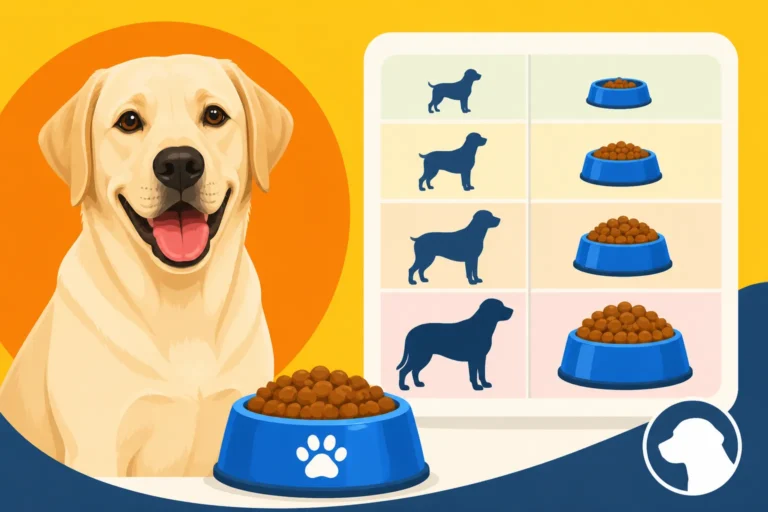
This is where a little homework goes a long way. The amount of food your Labrador needs isn depends on several factors: their age, activity level, metabolism, and the specific brand and type of food you're offering. The feeding guidelines on dog food bags are a good starting point, but they are just that—guidelines. A highly active field Labrador will need more calories than a calmer, show-line Labrador. A growing puppy will need different nutrition and frequency than a senior dog.
It's absolutely essential to consult with your veterinarian to determine the ideal caloric intake and portion size for your individual Labrador. They can assess your dog's body condition score, discuss their lifestyle, and recommend a precise amount. Once you have that figure, use a dedicated measuring cup or, even better, a kitchen scale to ensure accuracy. Human eyes are notoriously bad at estimating cups of kibble, and even a slight overestimation each day can lead to significant weight gain over time for a food-driven Labrador. For more precise guidance, check out Cups Per Day for an Adult Labrador and consider Using a Kitchen Scale for Labrador Portions.
Choosing the Best Feeding Times
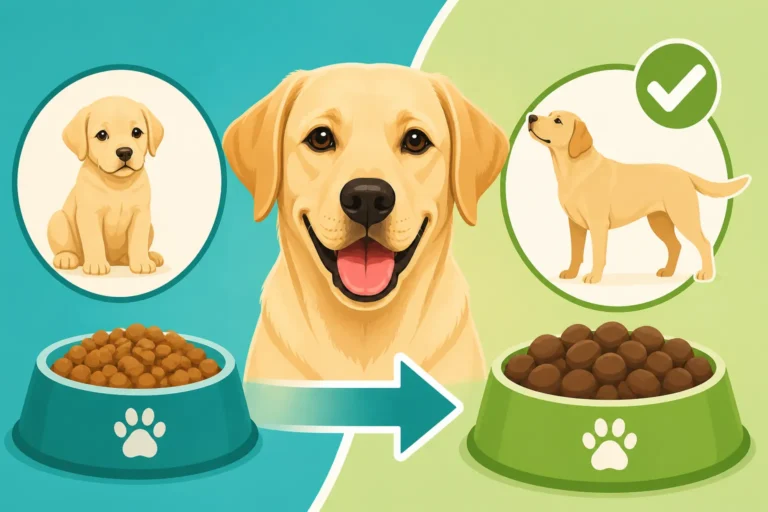
Consistency is key when it comes to meal times. Most adult Labradors do very well on two meals a day, typically once in the morning and once in the evening. For puppies, three meals a day might be more appropriate to support their rapid growth and higher metabolic rate, gradually reducing to two as they mature. The exact times you choose will depend on your family's schedule, but try to keep them as consistent as possible, ideally around 12 hours apart.
For example, if you feed at 7:00 AM, aim for 7:00 PM. This regularity helps to set your dog's internal clock and digestive system. If your schedule varies slightly on weekends, try not to deviate too drastically. A small window, say an hour earlier or later, is usually fine, but significant changes can throw off their system. If you have a very busy household, perhaps an automatic feeder set to dispense meals at precise times could be a valuable tool to maintain consistency, though it's still best to be present for meal times to monitor your dog and reinforce the routine.
Tools and Strategies for Managing a Food-Obsessed Labrador
Successfully managing a Labrador's intense food drive requires more than just scheduled meals; it often means employing clever tools and strategies to make mealtime more enriching and less of a race.
Slow Feeder Bowls and Puzzle Toys
For a Labrador, mealtime can be over in a flash, and that's not great for digestion or mental engagement. This is where slow feeder bowls and puzzle toys become invaluable allies. Slow feeder bowls are designed with ridges, mazes, or pillars inside that force your dog to eat around obstacles, slowing down their intake significantly. This not only prevents gulping and reduces the risk of bloat but also extends mealtime, providing a bit more mental stimulation. You can find a wide variety of these bowls, from simple plastic designs to more complex interactive ones, on platforms like Amazon or from pet supply retailers like Chewy.
Even better are puzzle toys, which turn mealtime into a game. These toys require your Labrador to manipulate them (roll, nudge, paw) to release kibble a little bit at a time. This engages their brain, taps into their natural problem-solving abilities, and makes them "work" for their food. It provides mental enrichment that a standard bowl simply can't, helping to tire them out mentally and reduce boredom-related behaviors. Using a portion of their daily kibble in a KONG or another treat-dispensing toy is a fantastic way to spread out their eating and add some fun to their day. Check out Slow Feeder Bowls for a Gulping Labrador for specific recommendations.
Using Food as a Training Tool
One of the greatest advantages of having a food-motivated Labrador is that you have a powerful training tool right at your fingertips! Instead of viewing their food drive as a challenge, embrace it as an asset. By feeding on a schedule, you create a natural opportunity to use their daily kibble as rewards for good behavior. Every piece of food they earn through a successful "sit," "stay," or "come" command strengthens your bond and reinforces desired actions.
Imagine you have a 60-pound Labrador that needs 2 cups of food per day. Instead of putting all 2 cups in a bowl, reserve a quarter or even half of that amount for training throughout the day. This makes your Labrador eager to work for you, knowing that good things (delicious kibble!) come from paying attention and following cues. This approach not only helps with training but also teaches them patience and impulse control, crucial skills for a food-obsessed breed. It also makes their actual meals feel even more rewarding. Learn more about effective rewards in Treats That Motivate a Food-Driven Labrador.
High-Quality, Satiating Food Options
The type of food you choose also plays a role in managing your Labrador's appetite. Not all dog foods are created equal, and some formulations can be more satiating than others. Look for high-quality dog foods with appropriate protein and fiber content. Protein helps dogs feel fuller for longer, and fiber can add bulk to the food without adding excess calories, contributing to a feeling of fullness.
While it's important to discuss specific dietary needs with your vet, some owners find that certain premium brands or fresh food options (like those offered by Ollie) can help with satiety due to their ingredient quality and digestibility. Just be sure to always transition any new food gradually to avoid digestive upset. It's not about stuffing them full of calories, but rather providing nutrient-dense food that provides the right balance of macronutrients to support their health and potentially help them feel more satisfied after meals, even with that POMC gene deletion. Always read labels carefully and prioritize formulas designed for large breeds, especially for puppies, to support healthy growth without overdoing calcium and phosphorus.
Addressing Common Free-Feeding Relapses and Challenges
Even with the best intentions, transitioning from free-feeding to a structured schedule can come with its own set of hurdles. Labradors are smart and persistent, and they will test your boundaries. Understanding these challenges and having strategies in place will help you stay consistent and achieve success.
The Begging Game and How to Win It
Labradors are masters of manipulation when it comes to food. Those soulful eyes, the gentle paw on your knee, the mournful sighs – they’ve got it all down to an art form. When you switch from free-feeding, they'll often intensify their begging, especially around meal times or whenever you're eating. It's easy to feel guilty or give in, but consistency is absolutely vital here. If you give in even once, you teach them that persistence pays off, and they'll try even harder next time. If you're wondering Whether a Labrador Ever Feels Full, the answer is complex due to their genetics, but managing your response is key.
The best way to "win" the begging game is to ignore it completely. This is harder than it sounds, but it's the most effective method. Do not make eye contact, do not speak to them, and do not push them away. Simply go about your business. When they finally settle down, even for a moment, then you can offer praise or a designated chew toy. Establishing a clear boundary – that human meal times are for humans and dog meal times are for dogs – is crucial. You might also find Why a Labrador Begs After Eating helpful for understanding the underlying motivations and managing this behavior.
Managing Multiple-Dog Households
Free-feeding can be particularly problematic in homes with multiple dogs, especially if some are Labradors and others are breeds with different appetites or dietary needs. If you have one dog that free-feeds and another that needs a structured diet (perhaps due to weight, allergies, or age), it's nearly impossible to manage. The Labrador will inevitably eat the other dog's food, leading to unfair distribution of calories and potential health issues for both.
The solution is individual, supervised meal times. Each dog should be fed their precisely measured meal in a separate, quiet area where they cannot access another dog's food. This could be in their crates, different rooms, or even on opposite sides of a baby gate. Once they have finished their meal (give them about 15-20 minutes), remove any uneaten food. This ensures each dog gets exactly what they need and prevents food theft or resource guarding issues between pets. It establishes clear boundaries around food and minimizes competition, making mealtimes a much calmer experience for everyone.
Recognizing Signs of Hunger vs. Boredom
After transitioning to scheduled meals, you might still notice your Labrador exhibiting "hungry" behaviors between meals. It’s important to learn to distinguish between genuine hunger (which, for a POMC gene deleted Lab, can be a constant internal state) and behaviors driven by boredom, habit, or seeking attention. True hunger usually manifests closer to their next scheduled meal time, whereas persistent nagging throughout the day might indicate other needs.
If your Labrador is fed appropriate portions on a schedule and is otherwise healthy, much of their "hunger" behavior might actually be a plea for attention or mental stimulation. Are they getting enough exercise? Labradors are energetic and require substantial physical activity. Are they getting enough mental enrichment? Puzzle toys, training sessions, and interactive games can help satisfy their busy minds. Sometimes, a long-lasting chew toy or a brief training session with a few pieces of their daily kibble can satisfy that urge to "do something" with their mouth, redirecting them from simply asking for more food. By addressing these underlying needs, you can reduce their preoccupation with food and help them settle into a healthier, happier routine.
| Feature | Free-Feeding (for Labradors) | Scheduled Feeding (for Labradors) |
|---|---|---|
| Appetite Control | Poor, encourages constant eating | Structured, helps manage hunger cues |
| Weight Management | High risk of obesity | Easier to control portions and maintain healthy weight |
| Digestive Health | Increased risk of fast eating, bloat | Promotes slower eating, reduces bloat risk |
| Potty Training | Unpredictable elimination | Predictable potty breaks |
| Training | Food loses value as motivator | Food becomes powerful reward, enhances training |
| Resource Guarding | Higher potential for food possessiveness | Reduced likelihood due to clear ownership and boundaries |
| Health Monitoring | Difficult to track intake changes | Easy to spot changes in appetite, indicating health issues |
| Mental Enrichment | Low, no challenge involved | Can be integrated with puzzle toys for mental stimulation |
Disclaimer
This article is for general informational purposes only and does not constitute professional advice. Laws, prices and regulations vary by location and change over time. Consult a qualified professional for guidance on your specific situation.