Signs You Are Overfeeding a Labrador Puppy
It’s so easy to fall into the trap of overfeeding a Labrador puppy. Their big, soulful eyes, their insatiable appetites, and their constant plea for just "one more bite" can melt even the strongest resolve. We see them growing so fast and want to ensure they're big and strong, often mistakenly believing that more food equals healthier growth. However, giving them too much can actually cause serious, long-term health problems. This guide will help you recognize the subtle and not-so-subtle signs that your beloved Labrador puppy might be getting more food than they need, and how to get them on the right track.
Why Overfeeding a Labrador Puppy is a Bigger Deal Than You Think
When you're looking at that adorable, chunky Labrador puppy, it's hard to imagine that those extra calories could be doing more harm than good. But for a rapidly growing large breed like a Labrador, excess weight during their formative months can have cascading effects that impact their health for their entire life. It’s not just about looking a little pudgy; it’s about the stress it puts on their developing bodies.
The Impact on Growing Joints and Bones
Labrador puppies grow at an incredible rate. They go from tiny bundles of fluff to large, active dogs in a relatively short amount of time. Their bones and joints are still forming and solidifying throughout this period, and this delicate process is easily disrupted by excessive weight. Imagine a skyscraper being built; if you start piling on too much extra weight during the construction phase, the foundation and supporting structures are going to suffer immense strain. It's the same for your puppy.
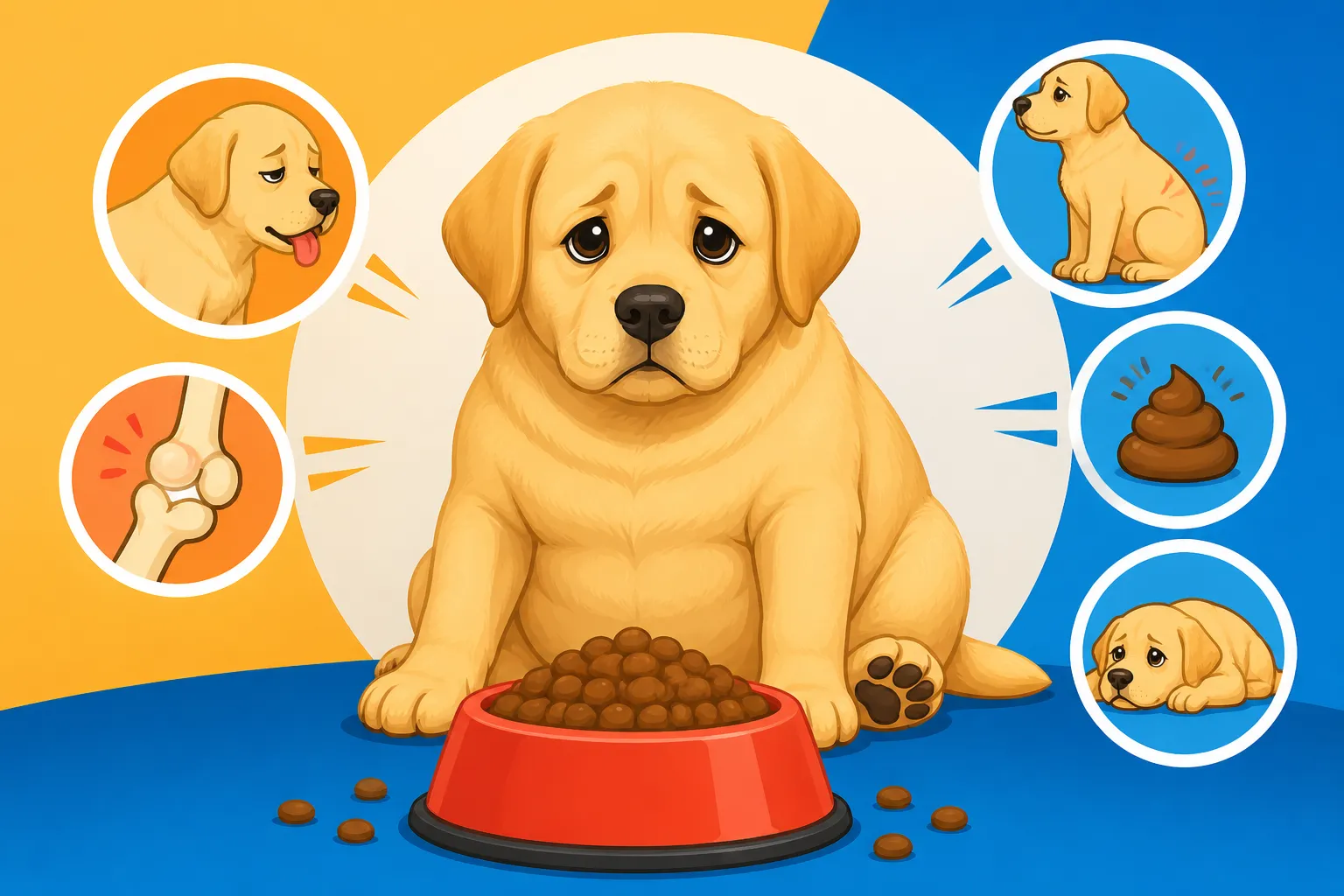
When a puppy carries too much weight, the soft cartilage and developing growth plates in their joints are under constant, unnatural pressure. This can lead to or exacerbate serious orthopedic conditions such as Labrador Hip and Elbow Dysplasia. While these conditions often have a genetic component, rapid growth fueled by overfeeding is a significant environmental factor that can make them appear earlier, become more severe, and cause more pain. We want our puppies to be robust, not overburdened, and ensuring they grow at a steady, healthy pace is crucial for strong joints that will support them throughout their active lives. It might feel like you're depriving them by sticking to portion control, but in reality, you're protecting their future mobility. How Fast Growth Damages a Labrador's Joints can't be overstated.
Setting Up for Lifelong Obesity
One of the most heartbreaking consequences of overfeeding a Labrador puppy is that it often lays the groundwork for obesity in adulthood. Labradors are famously food-motivated, a trait often linked to a genetic predisposition (like The POMC Gene and Labrador Appetite). This means they’re already fighting an uphill battle against weight gain. If they learn from a young age that constant eating and large portions are normal, it becomes incredibly difficult to manage their weight later on.
Think about it: if a puppy learns that begging at the table or nudging your hand means more food, those behaviors become ingrained. Their bodies also become accustomed to storing excess calories as fat. When they reach adulthood, losing weight is far harder than preventing the gain in the first place. An overweight puppy is highly likely to become an overweight adult, and we know that obesity can shorten a Labrador's lifespan significantly, contributing to issues like arthritis, diabetes, and heart disease. It’s a habit we unknowingly start in their youth that can shadow them for years. Providing proper portion control now is an act of love that teaches them healthy eating habits and protects their future well-being.
Digestive Upsets and Discomfort
A Labrador puppy's digestive system is surprisingly delicate, especially when compared to their seemingly robust appetites. They might act like they can eat anything and everything, but their young digestive tracts are still maturing. Introducing too much food at once, or feeding portions that are simply too large for their little stomachs, can easily overwhelm their system, leading to a host of uncomfortable digestive issues.
Common signs of this can include bouts of loose stools, diarrhea, excessive gas, or even vomiting. You might notice your puppy seems generally uncomfortable after meals, perhaps pacing, trying to get comfortable, or displaying signs of an upset tummy. Sometimes, they might even regurgitate undigested food shortly after eating because their stomach was simply too full to process it all efficiently. It’s not just unpleasant for you to clean up; it’s genuinely distressing for your puppy. A healthy gut is vital for nutrient absorption and overall immunity, and consistent digestive upset from overfeeding can hinder these crucial functions.
Obvious and Subtle Signs Your Labrador Puppy is Getting Too Much Food
While your Labrador puppy might seem like a bottomless pit, there are definite indicators that you're exceeding their caloric needs. Learning to read these signs, both the overt and the more subtle ones, is key to keeping them on a healthy growth trajectory. It's not always about seeing a visibly "fat" puppy; sometimes the clues are in their energy levels or their potty habits.
Rapid Weight Gain Beyond Healthy Growth
This is perhaps the most straightforward sign, but it requires you to distinguish between healthy, rapid puppy growth and the accumulation of excess fat. Labrador puppies grow quickly, certainly, but they should maintain a lean, athletic build. You should be able to feel their ribs easily without pressing hard, see a distinct waistline when looking down at them from above, and observe an abdominal tuck when they stand from the side. If you're struggling to feel their ribs, or if they have a saggy belly, they are likely carrying too much weight.
Imagine your puppy at a park with others their age. Do they look significantly chunkier than their littermates or other puppies of similar age and breed? Are they gaining weight much faster than what your vet has advised? Regular weigh-ins and consistent body condition checks are invaluable tools. A puppy might appear to be growing into their "chunky" phase, but that chunkiness is fat, not muscle, and it's putting undue stress on their developing frame. Checking a Labrador's Body Condition Score regularly will give you an objective measure of their progress and help you differentiate healthy growth from excessive weight gain. You might also notice their collar or harness fitting tighter much more quickly than expected, or finding it harder to cinch them up properly.
Lethargy and Reduced Playfulness
Labrador puppies are renowned for their boundless energy and zest for life. They're often described as little bundles of enthusiasm, always ready for a game of fetch, a romp in the yard, or an exploratory sniff around the neighborhood. If your usually energetic puppy seems unusually subdued, lethargic, or less interested in play, it could be a sign of overfeeding.
A puppy who is constantly overfull might simply not feel like running, jumping, or engaging in prolonged play sessions. Just like humans who feel sluggish after a huge meal, puppies can experience a similar "food coma" effect, but on a more chronic basis if they're always eating too much. While puppies do need a lot of sleep, particularly when very young, a healthy puppy should have distinct periods of high-energy play. If your puppy seems to be sleeping more than usual, avoiding interactions, or cutting play sessions short, it might be that a perpetually full stomach is making them uncomfortable and less inclined to burn off that characteristic Labrador energy. This can be a vicious cycle, as reduced activity means fewer calories burned, further contributing to weight gain.
Excessive Loose Stools or Diarrhea
As mentioned earlier, a puppy's digestive system can be quite sensitive. If your Labrador puppy is frequently having loose stools or full-blown diarrhea, and there's no other obvious cause like a sudden diet change, parasites, or illness, overfeeding is a strong possibility. Their system simply can't process the large volume of food efficiently.
When too much food passes through the digestive tract, it doesn't have enough time for proper nutrient absorption, and the excess can irritate the intestines, leading to watery or mushy stools. This isn't just unpleasant; prolonged diarrhea can lead to dehydration and prevent your puppy from absorbing the vital nutrients they need for healthy growth, creating a paradox where they're eating too much but potentially not thriving optimally. It’s important to monitor their potty habits closely. While occasional soft stools can happen, persistent looseness or diarrhea warrants investigation. If you're consistently cleaning up messy puddles instead of firm, well-formed stools, reconsidering their portion sizes is definitely a good first step, after ruling out other medical issues with your vet.
Bloated Appearance and Gas
While puppies often have a naturally round, "pot-bellied" appearance, particularly after eating, an excessively bloated look, coupled with frequent or strong-smelling gas, can signal overfeeding. This isn't the charming puppy roundness; it's a distended abdomen that looks uncomfortably full.
Too much food can lead to fermentation in the gut, producing excess gas that causes discomfort and a visibly swollen belly. While some gas is normal for any dog, particularly one with a hearty appetite, constant flatulence and a hard, distended abdomen are red flags. It’s important to differentiate this from bloat (gastric dilatation-volvulus), a life-threatening condition Labradors can be prone to, though true bloat is more common in adult dogs. However, persistent discomfort and gas from overeating can still be very unpleasant for your puppy. If your puppy looks like a balloon, especially hours after a meal, and is passing a lot of gas, it's a clear sign their digestive system is working overtime trying to cope with the volume of food.
How to Ensure Your Labrador Puppy is Eating Just Right
Getting your Labrador puppy's diet dialed in is one of the most important things you can do for their long-term health. It might feel like a puzzle, especially with their endless hunger signals, but with a few key strategies, you can ensure they're getting exactly what they need, no more, no less. This isn't about deprivation; it's about optimal nutrition for growth and vitality.
Following a Vet-Approved Feeding Chart
The first and most crucial step is to work closely with your veterinarian or the reputable breeder you got your puppy from. While dog food bags provide guidelines, these are generic and often err on the side of overfeeding. Your vet can provide a personalized feeding chart based on your puppy's current weight, age, activity level, and individual growth rate. They'll help you determine the right type of food, recommending a high-quality Large Breed Puppy Food for a Labrador that supports slow, steady growth rather than rapid weight gain.
For example, a bag might suggest 4 cups a day, but your vet might recommend 3.5 cups divided over three meals. Sticking rigidly to these recommendations, and making adjustments only with vet guidance, is paramount. Remember that different brands and formulations have varying calorie densities, so changing food means recalculating portions. Don't be afraid to ask for specific advice, even a detailed feeding schedule. This collaboration ensures your puppy gets precisely the right amount of fuel for their developing body without unnecessary excess. You can also refer to resources like How Much to Feed a Labrador Puppy or Labrador Puppy Feeding Amounts and Schedule for general guidance, but always confirm with your vet.
Regular Body Condition Checks
You can't rely solely on the scale; a good hands-on body condition check is your best friend when it comes to assessing your puppy's weight. Once a week, take a few minutes to feel your puppy's ribs. You should be able to feel them easily, like knuckles under a thin layer of skin and muscle, without having to press hard. If you have to dig your fingers in, or if it feels like a plush cushion, they are likely overweight.
Next, look at your puppy from above when they're standing. You should see a distinct waistline that tucks in slightly behind their ribs. From the side, their belly should tuck up from their rib cage, not sag down. This isn't about vanity; it's about health. Your vet might even have a body condition score chart to help you objectively evaluate your puppy's physique, ranging from emaciated to obese. Getting into the habit of these checks from an early age helps you detect small changes before they become big problems. Consistency is key here; a quick check every few days keeps you attuned to their body and how it's changing. Feeling a Labrador's Ribs the Right Way is a practical skill every Labrador owner should master.
The Role of Measured Meals and Slow Feeders
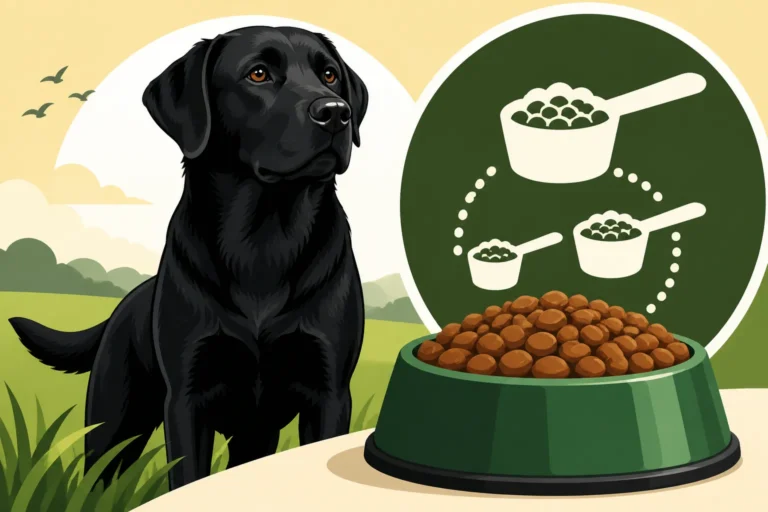
Accuracy in feeding is non-negotiable for a Labrador, especially one prone to overeating. "Eyeballing" portions with a standard measuring cup can lead to significant overfeeding over time. Invest in a proper kitchen scale to weigh out your puppy's kibble according to the gram recommendations provided by your vet or the food manufacturer. This level of precision ensures they're getting the exact caloric intake needed. Even a slight daily excess adds up.
For Labradors who tend to gulp their food down in seconds, leading to gas and potential discomfort, a slow feeder bowl is a game-changer. These bowls have obstacles or mazes that force your puppy to eat more slowly, making mealtime last longer and aiding digestion. Brands like Chewy and Amazon offer a wide variety of slow feeder bowls, from simple designs to more complex puzzles, that can make a real difference in how your puppy eats. They won't just benefit from reduced gas and discomfort; eating slowly can also help them feel more satisfied with their meal, even if it's a controlled portion. Slow Feeder Bowls for a Gulping Labrador are an excellent investment.
Smart Snacking and Treat Management
Treats are an important part of training and bonding, but they also contribute to your puppy's daily calorie intake. It's easy to forget about these "hidden" calories, especially when using small treats frequently during training sessions. The key is to factor them into your puppy's overall daily food allowance. If your puppy is getting a certain amount of treats, a small reduction in their main meal portions might be necessary to avoid overfeeding.
Opt for low-calorie, healthy treats. Many owners find success by using a portion of their puppy's daily kibble ration as treats during training. This way, they're not adding extra calories, just redistributing them. You can also use small pieces of plain, cooked chicken breast or certain fruits and vegetables (like carrots or green beans) that are safe for dogs. Always choose quality treats; some brands, like Ollie, offer healthy, human-grade options that can be great in moderation. Be mindful of how many "extras" your puppy receives from family members or during playdates. How Many Treats a Labrador Can Have Daily is a question worth asking your vet, as it depends on your puppy's size and activity.
When to Consult Your Veterinarian
Even with the best intentions and diligent efforts, sometimes things don't go as planned, or you might encounter issues that are beyond simple diet adjustments. Your veterinarian is your most valuable partner in ensuring your Labrador puppy's health and should be consulted whenever you have persistent concerns.
Persistent Digestive Issues
If your Labrador puppy continues to experience loose stools, diarrhea, frequent vomiting, or excessive gas despite your best efforts to control their portions and feeding schedule, it's time for a vet visit. While overfeeding can certainly cause these problems, persistent digestive upset can also be a symptom of underlying health issues. These could include parasites (even if they've been dewormed), food sensitivities, bacterial infections, or other gastrointestinal conditions.
Your vet can perform diagnostic tests to rule out these possibilities and offer targeted treatments. They might recommend a specific therapeutic diet, probiotics, or medications to help settle your puppy's stomach. Don't let prolonged digestive issues go unaddressed; your puppy's comfort and long-term gut health are paramount. Catching and treating these issues early can prevent more severe complications down the line and save your puppy from unnecessary discomfort.
Concerns About Growth or Weight
If you're unsure whether your puppy's growth rate is healthy, if you're struggling to maintain their ideal body condition, or if you notice any limping, stiffness, or reluctance to move that concerns you, a vet consultation is essential. Vets are experts in canine development and can assess whether your puppy is growing too fast or too slow, or if their weight is appropriate for their breed and age. They can measure and chart your puppy's growth against breed standards and identify if there are any orthopedic concerns, like early signs of joint problems that rapid growth can exacerbate.
They can offer guidance on When a Labrador Moves to Adult Food and the specific nutritional requirements for their life stage. Sometimes, puppies need their diets tweaked based on their individual metabolism and activity levels, and a vet is best equipped to make these precise recommendations. Getting a professional opinion can bring immense peace of mind and help you make informed decisions about your puppy's long-term well-being.
Adjusting Diet for Energy Levels
You know your Labrador puppy best, and sometimes, even with careful feeding, their unique energy levels might warrant a slight adjustment to their diet. A highly active "field line" Labrador puppy that spends hours running and training might genuinely need slightly more calories than a more sedate "show line" puppy, even if they are the same age and weight. However, these adjustments should always be made under veterinary supervision.
Discuss your puppy's typical daily activity and energy expenditure with your vet. They can help you understand how to safely increase or decrease food without compromising nutritional balance or encouraging unhealthy growth. It's a delicate balance, as you don't want to underfeed an active puppy either. Your vet can advise on the right balance of protein, fat, and carbohydrates to support their energy needs without packing on excess pounds. They can also help ensure you're providing enough Exercise a Labrador Needs Each Day to match their caloric intake, creating a holistic approach to their health.
| Sign of Overfeeding | What to Look For | Potential Long-Term Risk |
|---|---|---|
| Rapid Weight Gain | Cannot easily feel ribs; no visible waist; "chubby" appearance beyond normal puppy roundness. | Joint issues (dysplasia), early onset arthritis, adult obesity, shorter lifespan. |
| Lethargy/Low Energy | Unusually sleepy; less interest in play or walks; sluggish movement. | Reduced muscle development; unhealthy habits of inactivity; boredom and behavioral issues. |
| Loose Stools/Diarrhea | Frequent, watery, or unformed bowel movements; increased potty accidents. | Dehydration, nutrient malabsorption, gut flora imbalance, chronic digestive problems. |
| Bloated Appearance | Hard, distended abdomen, especially after meals; excessive, foul-smelling gas. | Discomfort, pain, risk of more serious gastrointestinal issues, poor digestion. |
| Persistent Begging | Constant pawing, nudging, or whining for food even after meals. | Reinforces unhealthy food obsession; behavioral problems around food. |
Disclaimer
This article is for general informational purposes only and does not constitute professional advice. Laws, prices and regulations vary by location and change over time. Consult a qualified professional for guidance on your specific situation.