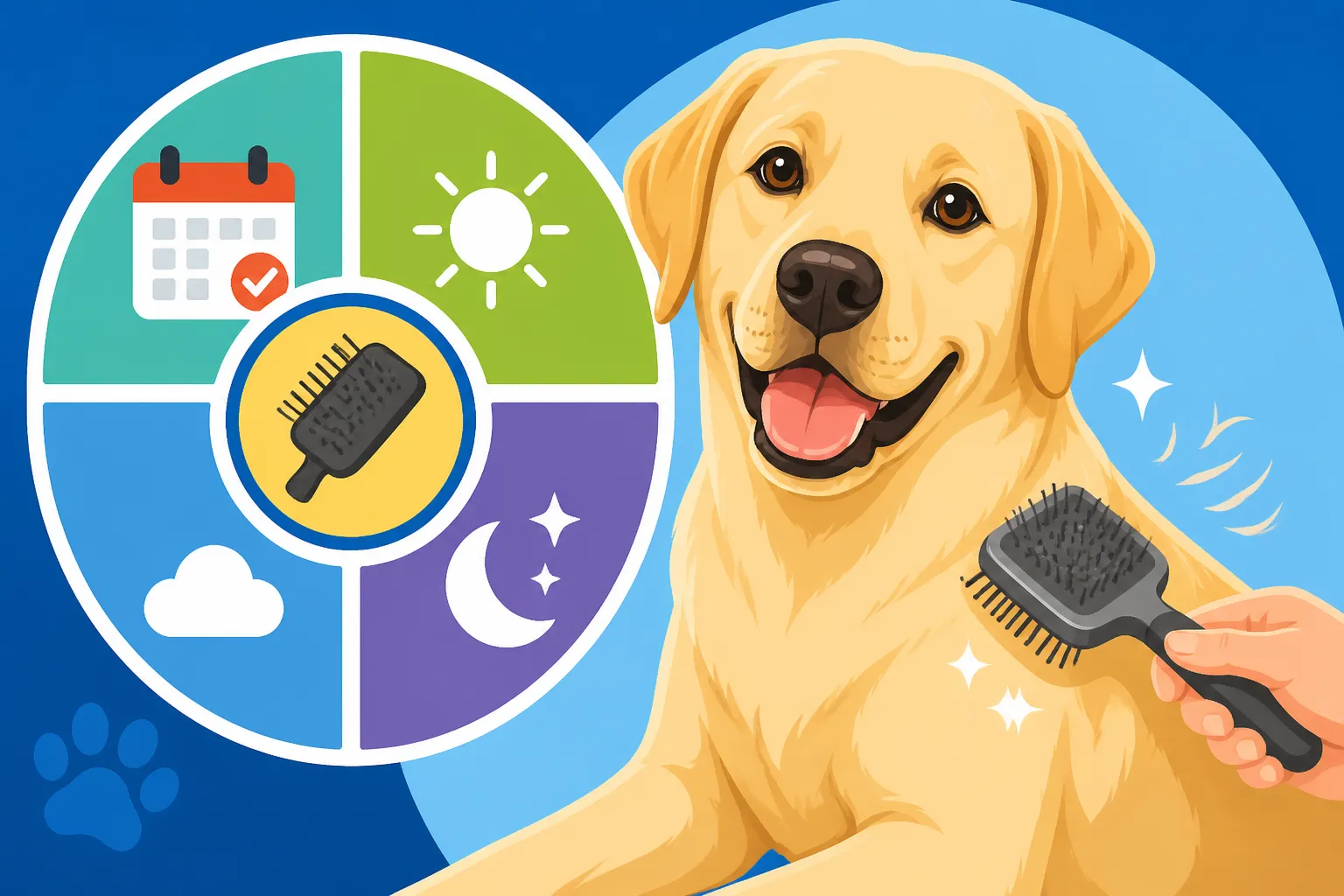
How Often to Brush a Labrador
If you’re a Labrador owner, you know the drill: you just swept, vacuumed, and lint-rolled, and somehow, there's still a tumbleweed of dog hair drifting across your floor. It's a never-ending battle, and many folks wonder if they're brushing their beloved Lab enough. This guide is here to shed some light (pun intended!) on exactly how often you should be brushing your Labrador to keep their coat healthy, your home cleaner, and your sanity intact.
Understanding Your Labrador's Coat and Shedding Cycle
Before we dive into the nitty-gritty of brushing schedules, it’s really helpful to understand why Labradors shed so much in the first place. It’s not just to make your life harder, I promise! Their coat is a marvel of natural engineering, perfectly designed for their original purpose as working retrievers.
The Marvel of the Double Coat
Your Labrador isn't just wearing one layer of fur; they've got a full-on, high-performance double coat. Think of it like a winter jacket with a built-in thermal layer.
The outer coat, often called the guard hairs, is made up of slightly coarser, straight hairs that are water-resistant and provide protection from the elements. This is the part you usually see and feel most prominently. It's tough, resilient, and helps keep rain, snow, and debris from reaching their skin. If you've ever watched a Labrador shake off after a swim, you've witnessed this outer coat in action, repelling water like magic. This protective layer is crucial for their comfort and health, especially if your Lab loves to be outdoors or, true to their nature, adores swimming.
Underneath those guard hairs lies the dense, soft, and fluffy undercoat. This is the real insulation layer. It's there to keep them warm in cold water and chilly weather, acting like a natural down jacket. This undercoat is incredibly effective at trapping air, which then warms up against their body. It's this undercoat that’s responsible for the bulk of the shedding you see. When the weather gets warmer, or when it's time to prepare for cooler temperatures, that undercoat needs to be shed and replaced. It’s a completely natural process, but boy, does it create a lot of hair! Without proper care, this undercoat can become matted, trap dirt, and even cause skin irritation.
The Seasonal "Coat Blow"
If you’ve owned a Labrador for any length of time, you're intimately familiar with the concept of the "coat blow." This isn't just shedding; it's an event. Twice a year, typically in the spring and fall, Labradors undergo a massive shedding period where they literally "blow" their undercoat.
In the spring, they're shedding the thick, heavy winter undercoat to make way for a lighter, more breathable summer coat. This helps them stay cool as temperatures rise. You might notice clumps of hair coming off with minimal effort, or find it collecting in drifts around the house. It's truly astonishing how much fur can come off one dog! During this time, your vacuum cleaner becomes your best friend, and you might start to wonder if your dog is secretly trying to recreate itself through sheer volume of hair.
Conversely, in the fall, they'll shed their lighter summer coat to grow in a denser, warmer winter undercoat. This prepares them for the colder months ahead, ensuring they have ample insulation. While perhaps not as dramatic as the spring shed, the fall coat blow still means a significant increase in loose hair. Managing this process effectively is key, not just for your home's cleanliness, but for your Labrador's comfort. Labrador Shedding and How to Manage It delves deeper into coping with these furry tides.
Year-Round Shedding: The Reality
Let's be realistic: while the seasonal coat blows are intense, Labradors are not what you'd call a non-shedding breed. Far from it! They shed all year round, albeit at a lower, more manageable rate outside of those peak seasons. This constant shedding is just part of living with a Labrador. Factors like indoor heating and air conditioning can sometimes disrupt natural shedding cycles, leading to a more consistent, but less dramatic, year-round loss of hair.
This means you can never truly escape the fur. Even when it's not a "coat blow," you'll still find hair on your clothes, furniture, and collecting in corners. Regular, consistent grooming is the only way to keep this background shedding under control. If you're wondering How Much a Labrador Sheds Year Round, the answer is "a lot, always." It's just a sliding scale from "some" to "a whole lot."
How Often Should You Brush Your Labrador?
Okay, now for the million-dollar question: how often should you actually brush your fluffy companion? The answer isn't a simple "X times a week" because it really depends on the time of year and your individual dog.
General Maintenance: Weekly Brushing
For most of the year, when your Labrador isn't actively "blowing" their coat, a good brushing session once a week is usually sufficient. This regular grooming routine serves several important purposes beyond just hair removal:
- Removes Loose Hair: Even a moderate amount of shedding over seven days can accumulate, and weekly brushing helps to capture this hair before it settles on your sofa or weaves itself into your rug. This also helps reduce the amount of vacuuming and lint-rolling you'll need to do.
- Distributes Natural Oils: Brushing helps spread your Labrador's natural skin oils evenly throughout their coat. These oils are vital for keeping their skin healthy and their fur shiny, soft, and supple. A well-oiled coat is also more water-resistant and resilient.
- Checks for Skin Issues: Regular brushing gives you an excellent opportunity to inspect your dog's skin and coat closely. You can spot any new lumps, bumps, hot spots, dry patches, or external parasites like fleas and ticks early on. Early detection of issues like Labrador Ear and Skin Disease can make a huge difference in treatment and recovery.
- Prevents Mats and Tangles: While Labradors aren't known for extensive matting like long-haired breeds, their dense undercoat, especially behind the ears, on their "feathers" (if they have them), or around their rump, can still develop small mats. Weekly brushing prevents these from becoming larger, more uncomfortable problems.
Think of weekly brushing as preventative maintenance. It keeps things ticking over smoothly, and it makes those intense seasonal shedding periods much easier to manage. It's also a fantastic bonding opportunity, a quiet moment between you and your furry best friend.
During Heavy Shedding: Daily Brushing is Key
This is where the real work comes in. When your Labrador is in the throes of a full-blown coat change – typically in spring and fall – you absolutely need to step up your brushing game.
During these peak shedding periods, daily brushing is not just recommended; it's practically essential. If daily feels like too much, aim for every other day at a minimum. You'll be amazed at the sheer volume of hair you can remove each session. This concentrated effort makes a huge difference:
- Drastically Reduces Indoor Hair: By removing the loose undercoat daily, you prevent it from migrating onto every surface in your home. Seriously, you'll see a noticeable reduction in the amount of hair on your floors, furniture, and clothes.
- Comfort for Your Dog: Carrying around a thick, dead undercoat can be uncomfortable, especially as the weather warms up in spring. Daily brushing helps ventilate their skin, allows new hair to grow in properly, and keeps them from feeling itchy or overheated. It's like taking off a heavy sweater they no longer need.
- Prevents Skin Problems: When that dead undercoat isn't removed, it can trap moisture and dirt against the skin, creating a perfect breeding ground for bacteria and yeast, which can lead to skin irritations or Hot Spots and Allergies in Labradors. Consistent brushing helps keep the skin clean and aired out.
- Faster Completion of the Blow: The more effectively you remove the shedding coat, the faster your Labrador will get through the "coat blow" cycle. You're actively helping them complete the natural process.
Brushing during these times might seem like a chore, but trust me, the payoff in a cleaner house and a happier dog is immeasurable. Brushing a Labrador During Coat Blow offers more tips for tackling this hairy challenge.
Factors That Influence Brushing Frequency
While the general guidelines are helpful, every Labrador is an individual, and a few factors can influence how often your specific dog needs a brush:
- Diet and Health: A high-quality diet that supports skin and coat health can lead to less excessive shedding. If your Labrador has skin allergies, dietary deficiencies, or other health issues, their coat might be duller, shed more, or be more prone to problems, requiring more frequent checks and brushing. Feeding a Labrador Through Every Life Stage plays a big role here.
- Environment: Labradors that spend a lot of time outdoors, especially in varied climates, might have a more pronounced seasonal shed compared to strictly indoor dogs whose bodies might be less attuned to natural temperature fluctuations.
- Individual Coat Differences: Even within the Labrador breed, there can be slight variations in coat density and texture. Some Labs naturally have a thicker undercoat than others and might therefore shed more heavily or require more frequent grooming.
- Activity Level: An active Labrador who spends a lot of time running, playing, and swimming might naturally shed more as their coat cycles more rapidly, or they might pick up more debris that needs brushing out. Exercise a Labrador Needs Each Day can also impact coat health.
It's all about observing your dog and adjusting your routine accordingly. You know your Lab best!
Essential Brushing Tools for a Labrador
Having the right tools makes all the difference, especially when you're tackling a Labrador's dense double coat. Forget flimsy brushes; you need some serious hardware to get the job done efficiently and comfortably for your dog.
Deshedding Tools: Your Best Friend
When it comes to managing the sheer volume of a Labrador’s shedding, especially during coat blow season, a dedicated deshedding tool is an absolute game-changer. Brands like Furminator are incredibly popular for a reason, but many other similar deshedding rakes or combs are available.
These tools are designed with fine, closely spaced teeth that reach deep into the undercoat to effectively grab and remove loose, dead hair without cutting or damaging the topcoat. When you use one of these, you'll literally pull out handfuls of soft undercoat, and it's incredibly satisfying to see all that potential mess come off your dog instead of ending up on your floor. For best results, always use these tools on a clean, dry coat. Using them on a wet or dirty coat can be uncomfortable for your dog and less effective. Be gentle and use short, light strokes, working section by section. Too much pressure can irritate their skin.
You can find a great selection of these specialized deshedding brushes on retailers like Chewy or Amazon, often with different sizes for large breeds. Make sure to read reviews to find one that other Labrador owners have had success with. Which Brush Works on a Labrador Coat offers a detailed look at various options.
Slicker Brushes for Top Coat and Mats
While deshedding tools target the undercoat, a slicker brush is excellent for general coat maintenance, particularly for the topcoat, and for gently working out any minor mats or tangles that might form. Slicker brushes have fine, short wires packed closely together on a flat or curved surface.
These are great for:
- Smoothing the Topcoat: After using a deshedding tool, a slicker brush can help smooth out the outer guard hairs, leaving the coat looking neat and shiny.
- Removing Loose Topcoat Hairs: They'll catch any loose hairs from the topcoat that the deshedding tool might have missed.
- Gentle Detangling: For very minor tangles, especially on the "feathering" on the backs of their legs or tail, a slicker brush can gently work them free. Always be careful and patient when tackling mats; never pull harshly.
A slicker brush is a good all-rounder for a quick once-over, and it's generally comfortable for most Labradors.
Rubber Curry Combs and Grooming Mitts
These tools are fantastic for a few reasons, offering a different kind of grooming experience that many Labradors adore. Rubber curry combs, often oval-shaped with short rubber teeth or nubs, are perfect for:
- Massaging the Skin: The rubber nubs feel great on a dog's skin, stimulating blood circulation and promoting healthy skin and coat. It's like a mini spa treatment for your Lab!
- Loosening Dirt and Debris: Before a bath, a curry comb can help loosen dirt, dried mud, and dead hair, making the washing process more effective.
- Distributing Shampoo: During a bath, they can help work shampoo deep into the coat and ensure a thorough rinse.
- General Loose Hair Removal: Even without significant shedding, a curry comb can pick up a surprising amount of loose hair, especially from the topcoat.
Grooming mitts are similar, worn on your hand like a glove, and offer a more tactile experience for your dog. They're great for a quick rub-down, especially after a walk to remove loose hair and dirt, or for dogs who might be a little shy about traditional brushes. You might use one of these to gently dry your Lab after a swim or a bath, ensuring air circulation down to the skin. Drying a Labrador After a Swim is vital to prevent skin issues.
| Brushing Tool | Primary Purpose | Best Use Cases |
|---|---|---|
| Deshedding Tool (e.g., Furminator) | Deep undercoat hair removal | Seasonal coat blows, heavy year-round shedding |
| Slicker Brush | General detangling, smoothing topcoat | Weekly maintenance, minor tangles, post-deshedding |
| Rubber Curry Comb/Mitt | Skin massage, dirt removal, loose hair (topcoat) | Bath time, quick daily brush, stimulating circulation |
The Brushing Routine: Making It a Positive Experience
Brushing doesn’t have to be a wrestle match or a dreaded chore for either of you. With the right approach, it can become a calm, enjoyable part of your routine that strengthens your bond and keeps your Labrador looking and feeling their best.
Creating a Calm Environment
The key to a successful brushing session starts long before the brush even touches their fur. You want to create an atmosphere of calm and positivity.
- Choose the Right Time: Don't try to brush your Labrador when they're full of zoomies or hyped up from a walk. Pick a time when they are already relaxed – perhaps after a good play session or a long nap. A Labrador who is already settled is much more likely to cooperate.
- Positive Association from Puppyhood: If you have a puppy, start early! Even short, gentle sessions with a soft brush, paired with lots of praise and tasty treats, can build a positive association. Let them sniff the brush, touch it to their body briefly, then reward. Gradually increase the duration. When to Start Training a Labrador Puppy includes early grooming exposure.
- Location, Location, Location: Find a quiet spot in your home where there are no distractions. For some Labs, a raised surface like a sturdy grooming table (if they're comfortable with it) can help save your back and define the "grooming zone." For others, simply sitting on the floor with you works best.
- Rewards Galore: Have high-value treats on hand. Every time your Labrador tolerates a few strokes, offer a treat and calm praise. If they're particularly anxious, consider a lick mat smeared with peanut butter (xylitol-free, of course!) or a tasty treat from Ollie to keep them distracted and happy during the session. The goal is for them to associate brushing with good things.
Step-by-Step Brushing Technique
Once you have your tools and your Labrador is relaxed, here’s a simple technique to ensure you’re brushing effectively:
- Start Gentle: Begin with a soft-bristled brush or grooming mitt for a few strokes to warm them up and remove superficial loose hair. This is often the most enjoyable part for them.
- Work in Sections: Don't try to tackle their entire body at once. Break it down into manageable sections: one side of the body, then the other, the chest, the legs, and finally the tail. This makes the task less overwhelming for both of you.
- Brush Against the Grain, Then With It: For the undercoat, especially during heavy shedding, sometimes a few gentle strokes against the direction of hair growth can help loosen up dead undercoat. Follow this immediately with strokes with the grain of the hair. This ensures you're getting deep into the coat without causing discomfort. Always use light pressure.
- Use Your Deshedding Tool: Once you've loosened up the undercoat with your regular brush, switch to your deshedding tool. Again, work in sections, using short, gentle strokes. You'll be amazed at the amount of hair that comes out. Go slowly and watch your dog's reactions. If they seem uncomfortable, ease up on the pressure or take a short break.
- Finish with a Slicker or Curry: After you've removed the bulk of the undercoat, finish with a slicker brush or a rubber curry comb to smooth down the topcoat and stimulate the skin. This leaves their coat looking tidy and feeling soft.
- Praise and Reward: End every session with plenty of praise, a final treat, and perhaps a quick game of fetch to reinforce the positive experience.
Troubleshooting Common Brushing Challenges
It's rare for a Labrador to be perfectly enthusiastic about brushing every single time. Here are some common challenges and how to address them:
- Resistance and Wiggling: If your Lab resists, don't force it. Shorten your sessions dramatically. Aim for just a minute or two of brushing, even if it’s just one small section, and end on a positive note with a reward. Gradually increase the time over several days or weeks. Consistency with positive reinforcement is key.
- Skin Sensitivity: Some Labradors have more sensitive skin. Ensure your brushes aren't too harsh, especially the deshedding tools. Always use a light hand. If you notice any redness, flakiness, or irritation, stop immediately and check for underlying skin issues with your vet.
- Matted Fur: While less common in Labs, if you encounter a stubborn mat, never try to rip through it with a brush. This is painful! Use a detangling spray designed for dogs, gently work it in with your fingers, and then try to tease it apart with the very tips of a slicker brush or a wide-toothed comb. If it's too tight or large, it's safer to visit a professional groomer or your vet, who can safely shave it out without injuring your dog.
- The "Otter Tail": Labradors are known for their thick "otter tails." These can also hold a lot of undercoat. Be gentle when brushing their tail, as it's a sensitive area. Use gentle strokes and lift the hair to get to the base of the tail. Caring for a Labrador's Otter Tail requires a delicate touch.
Remember, patience and consistency are your greatest tools, even more so than the brushes themselves. Building a routine and making it a positive experience will benefit both you and your wonderful Labrador for years to come. Keeping Labrador Hair Off the Furniture might still be a challenge, but a well-brushed dog certainly helps!
Disclaimer
This article is for general informational purposes only and does not constitute professional advice. Laws, prices and regulations vary by location and change over time. Consult a qualified professional for guidance on your specific situation.