Male Versus Female Labrador Temperament
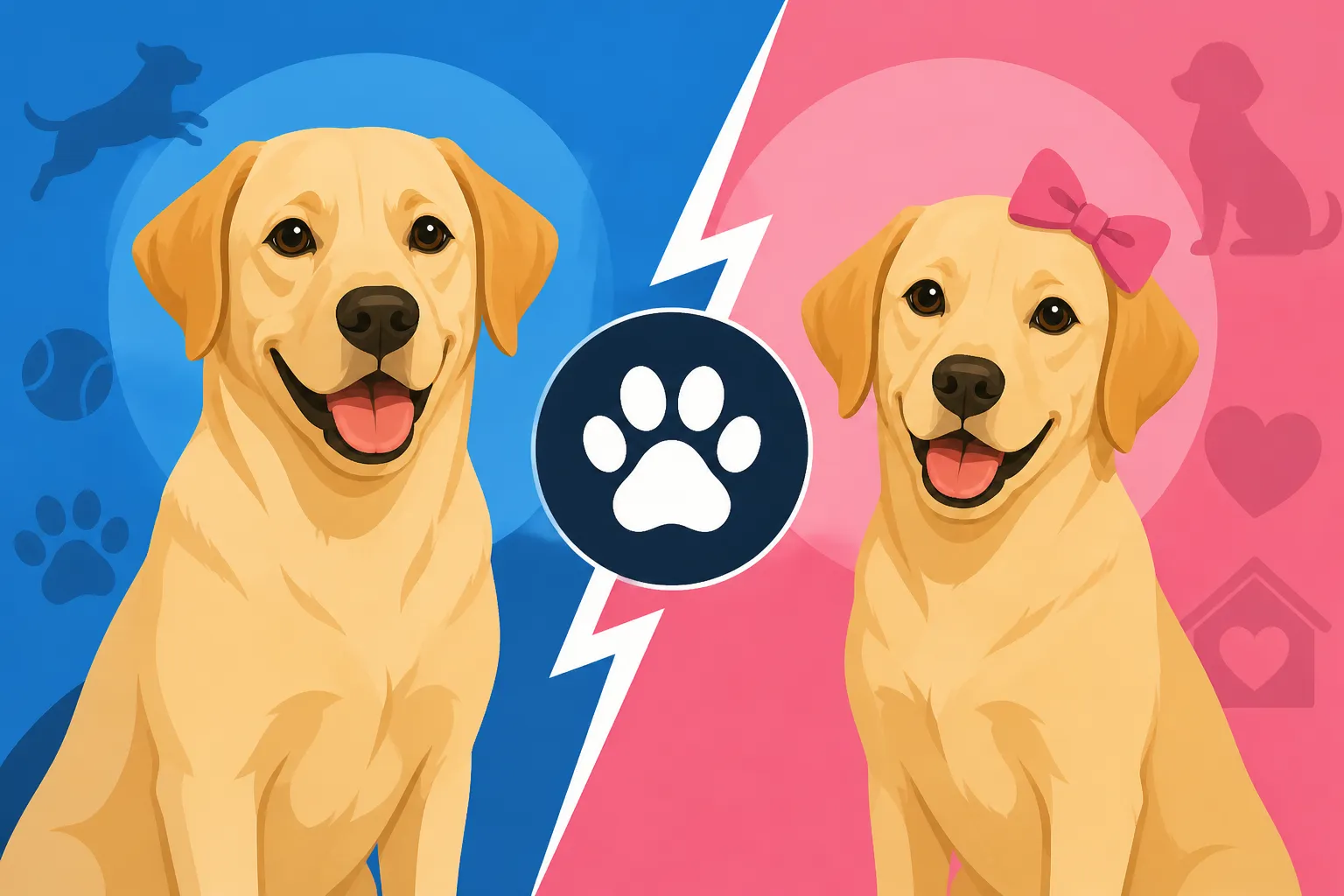
It’s a question as old as time for prospective Labrador owners: "Should I get a boy or a girl?" Many people walk into the decision thinking that male and female Labradors have vastly different temperaments, often with stereotypes of goofy boys and more serious girls. The truth, however, is far more nuanced, and this guide aims to peel back those layers, helping you understand what truly shapes a Labrador's personality.
Understanding the Core Labrador Temperament
Before we dive into any perceived differences between male and female Labradors, it's absolutely crucial to anchor ourselves in the fundamental characteristics that define the breed as a whole. Because honestly, these overarching traits are usually far more influential on a dog's day-to-day behavior than whether they're male or female.
The Unifying Traits of All Labradors
Regardless of sex, Labradors are renowned for a reason. They're typically incredibly friendly, outgoing, and possess an almost boundless enthusiasm for life. They love people, often greeting strangers with a wagging tail and an eager sniff. This isn't a male or female trait; it's a Labrador trait. You'll find most Labs are eager to please, which makes them highly trainable, though sometimes their exuberance can make them seem a bit much. Their intelligence, coupled with that desire to make you happy (and perhaps get a treat or two!), means they pick up new commands and routines fairly quickly. Think about it: whether you have a male or female, they're likely to be intensely food-motivated. That shared love for snacks, for instance, can be a huge asset in Training a Labrador From Puppy to Adult. Their signature "soft mouth" means they naturally enjoy carrying things around without damaging them, a throwback to their retrieving heritage. This is why you might find both your male and female Lab carrying your slippers or a favorite toy to greet you at the door.
Energy levels are another shared trait. Labradors, both male and female, are a sporting breed, bred for active work. This means they need a good deal of exercise to stay happy and healthy. If you’re not prepared for a dog that needs daily activity, the question of male or female might be secondary to whether a Labrador is the right fit at all. They thrive on having a "job" to do, whether that's playing fetch in the park, going for a swim, or learning new tricks. Many of the frustrations owners face, like destructive chewing or excessive barking, often stem from unmet exercise or mental stimulation needs, not their dog's gender.
How Genetics and Environment Shape Personality More Than Sex
While it's tempting to generalize, a Labrador's personality is far more influenced by their individual genetics and the environment they grow up in than by their sex. Think about it like this: a well-bred female Labrador from a line known for calm temperaments, who receives excellent early socialization and consistent positive reinforcement training, is likely to be a far more placid companion than a poorly-bred male from an anxious line, who lacks training and enrichment.
The temperament of the parents, for example, is a huge predictor. If you visit a breeder, pay attention to the dam and sire. Are they calm? Friendly? Confident? These are traits often passed down. A puppy's early experiences, particularly during the critical socialization windows, also play a massive role. A female puppy exposed to a wide variety of sights, sounds, people, and other friendly dogs will likely grow into a more confident adult than a male puppy kept isolated during those crucial months. Similarly, consistent, force-free training methods from day one establish a strong bond and clear communication, which are vital for any Labrador, regardless of their plumbing. Things like Socializing a Labrador Puppy or understanding Labrador Puppy Mouthing and How to Redirect It are universal challenges and triumphs, not gender-specific ones. Choosing a reputable breeder who focuses on health and temperament, or a rescue organization that provides thorough foster care and assessment, will give you a much better indication of a dog's future personality than simply picking by sex.
Exploring Common Perceptions of Male Labrador Temperament
When discussing male Labradors, certain stereotypes often come to mind. While these can hold some truth in individual cases, it’s important to remember they are generalizations, not hard-and-fast rules for every single boy Lab out there.
The "Goofy" and Affectionate Male Stereotype
Many people perceive male Labradors as the quintessential "goofy" and perpetually puppy-like members of the family. There's a common belief that boys remain playful and less serious for longer, often displaying an overt, sometimes clumsy, affection. Owners of male Labs frequently report them being big, cuddly lugs who want nothing more than to lean into you, flop onto your lap (even if they barely fit!), and demand belly rubs with an insistent nose nudge. They might be the ones who carry every toy they own to greet you at the door or enthusiastically 'help' you with chores by carrying a glove or a tool. This isn't to say females aren't affectionate, but the male's affection is often described as being more "in your face" and less subtle.
This perceived trait can be endearing, making them wonderful family companions who bring endless joy and laughter. However, it can also translate to a longer period of adolescent behavior, which means sustained effort in training is required. Things like Stopping a Labrador From Jumping Up or learning Leash Manners for a Powerful Labrador might feel like a longer road with a male who matures a little slower and retains that boisterous puppy energy. They might be more prone to counter-surfing or "borrowing" items they shouldn't, simply because they haven't quite outgrown that boundless curiosity and mischievous streak. But oh, the love they give is often truly unconditional and wonderfully demonstrative!
Potential for Size and Strength Differences
Another common perception, often rooted in reality, is that male Labradors tend to be larger and more powerfully built than females. While the What the AKC Standard Says About Labrador Size provides ranges for both sexes, males often fall on the higher end of the weight and height spectrum. This increased size and muscle mass can certainly impact how they interact with their environment and how you, as an owner, need to manage them. A strong, fully grown male Labrador can be a formidable force on a leash if not properly trained. This is where consistent training for loose leash walking becomes paramount. Even if a male has a wonderful temperament, sheer physical strength can pose challenges if they haven't learned polite walking manners.
Furthermore, a larger dog might require a more robust crate, a bigger bed, and might consume more food than a female. This isn't a personality trait, of course, but it’s a practical consideration that often goes hand-in-hand with the choice between a male and female. When thinking about Gear and Supplies a Labrador Needs, you might find yourself sizing up for a male. This larger size also means their play can sometimes be perceived as rougher simply due to their bulk. If you have small children or other smaller pets, this might be a factor to consider, not because of maliciousness, but simply because of their larger frame and enthusiastic nature during play.
Delving into Common Perceptions of Female Labrador Temperament
Just like males, female Labradors come with their own set of generalized characteristics. Again, these are perceptions, and individual dogs will always defy some expectations, but they can offer a general framework for understanding what some owners observe.
The "Maturer" and More Independent Female Stereotype
Many Labrador enthusiasts describe females as tending to mature emotionally a bit faster than males. There's a perception that they can be more focused, perhaps a touch more serious, and sometimes more independent or "dignified." This isn't to say they aren't affectionate, but their affection might be expressed in a more reserved manner – a gentle nudge, a quiet presence by your side, or a look of deep understanding rather than an exuberant leap. Some owners find that female Labs are more acutely aware of their surroundings and more attuned to subtle cues from their humans. They might be the ones who prefer to observe the chaos from a comfortable spot rather than always being in the thick of it.
This quicker maturation can sometimes translate into an easier training process for certain commands, as they might be less prone to the "teenage brain" distractions that can plague adolescent males. They might grasp concepts like Labrador Recall and Working Off Leash with a bit more consistency earlier on. This perceived independence, however, doesn't mean they don't crave companionship; rather, it suggests they might be content with a bit more personal space or a quieter interaction than some of their male counterparts. This can make them wonderful dogs for those who appreciate a slightly calmer energy indoors, while still enjoying all the fun and activity a Labrador brings outdoors.
The Influence of Heat Cycles and Spaying
One significant factor that differentiates female Labradors is their reproductive cycle. Unspayed females will experience heat cycles, typically twice a year, which can last for several weeks. During these times, hormonal fluctuations can certainly influence their temperament and behavior. They might become more restless, anxious, or vocal. They'll also attract intact male dogs from surprisingly far distances, which can be a management challenge. Owners often find themselves needing to be extra vigilant during walks, managing access to the yard, and dealing with potential messes indoors. The changes in their mood can be quite noticeable, from being more withdrawn to being more irritable or clingy.
Spaying, of course, eliminates heat cycles and the associated hormonal roller coaster. However, the timing of spaying can also have an impact. There's ongoing discussion about When to Spay or Neuter a Labrador and its potential long-term effects on health and development, including some behavioral aspects. For instance, some studies suggest that early spaying might, in some individual cases, be linked to increased reactivity or anxiety, while others report a calming effect by eliminating hormonal fluctuations. The decision to spay, and when, is a significant one that should be discussed with your veterinarian, taking into account both the perceived behavioral benefits and potential health implications. It’s a very real and distinct consideration for female Labrador owners that male owners simply don’t face.
Overlapping Traits and Individual Variation
While it's useful to discuss general tendencies, the most important takeaway is that individual variation within the Labrador breed is immense, often overshadowing any perceived gender differences.
Why Individual Personality Trumps Generalizations
Imagine a litter of Labrador puppies, all from the same parents. Even within that single litter, you'll see a range of personalities: the bold adventurer, the quiet observer, the playful instigator, the gentle soul. This means you could end up with a male Labrador who is incredibly calm and independent, defying the "goofy boy" stereotype, or a female Labrador who is the most boisterous, demanding, and overtly affectionate dog you've ever met. These individual quirks and predispositions are often more impactful on a dog's temperament than their sex.
A good example might be two Labs I knew: a male named Duke, who was an absolute gentle giant, very reserved and watchful, never pushed for attention but was always there. Then there was Daisy, a female who was a whirlwind of energy, constantly nudging for pets, and seemingly convinced she was still a lap dog at 70 pounds. They completely flipped the script on typical gender stereotypes, proving that each dog is truly an individual with their own unique character. Focusing solely on gender might lead you to overlook a fantastic companion who doesn't fit the mold.
Factors Truly Impacting Temperament Beyond Sex
So, if gender isn't the be-all and end-all, what does significantly shape a Labrador's temperament? A multitude of factors, really:
- Genetics and Lineage: This is huge. A Labrador from a "field line" (bred for hunting and active work) will likely have a much higher energy level and drive than one from a "show line" (bred for conformation and often a more sedate disposition). You can read more about How English and American Labradors Differ which often relates to these field vs. show lines. The temperament of the parents, as mentioned earlier, is a strong indicator. Good breeders strive to produce dogs with stable, friendly temperaments.
- Early Socialization: The experiences a puppy has between 3 and 16 weeks of age are foundational. Exposure to various people, sounds, environments, and other friendly animals helps them develop into confident, well-adjusted adults. A lack of proper socialization can lead to fearfulness or reactivity, regardless of gender.
- Training and Consistency: From the moment they come home, consistent, positive reinforcement training is vital. Establishing clear boundaries, teaching basic obedience, and providing mental stimulation all contribute to a well-behaved dog. A well-trained female will likely be a more pleasant companion than an untrained male, and vice-versa. Labrador Energy Level by Age also plays a role in how much consistent training and exercise they need to prevent problematic behaviors.
- Lifestyle and Enrichment: A Labrador who gets adequate exercise, mental challenges (like puzzle toys or Scent Work for a Labrador Indoors), and quality time with their family will generally be happier and better behaved than one left bored and neglected. This includes appropriate nutrition, comfortable living space, and regular vet care to ensure they are physically well, as pain or discomfort can certainly influence behavior.
- Health: Underlying health conditions can also manifest as behavioral changes. A dog experiencing chronic pain might become irritable, withdrawn, or even aggressive. Regular vet check-ups are essential to rule out any medical causes for sudden temperament shifts. Understanding topics like Reading Pain in a Stoic Labrador can be crucial.
To help you visualize some of these common perceptions and realities, here's a simple comparison:
| Trait Aspect | Common Perception (Male Lab) | Common Perception (Female Lab) | Reality/Nuance |
|---|---|---|---|
| Energy Level | Often seen as more boisterous, playful for longer. | Matures faster, potentially calmer sooner. | Highly variable by line (field vs. show) and individual. Many females are just as energetic. |
| Affection | More overtly cuddly, "goofy," wants to be in your lap. | Can be more independent, subtle in affection. | Both are affectionate, but expression varies. Individual personality is key. |
| Maturity | Stays in "puppy brain" longer, slower to settle. | Matures faster, more focused and serious. | Individual differences are greater. Some males mature quickly, some females retain puppy energy. |
| Size/Strength | Generally larger, stronger, more muscular. | Generally smaller, more refined build. | Males often are physically larger, but size varies. Training is crucial for leash manners regardless. |
| Trainability | Eager to please, but can be distracted by "fun." | Can be highly focused, perhaps easier to train consistently. | Both are highly intelligent and trainable. Consistency from owner matters most. |
| Independence | More likely to follow you everywhere. | Can be a bit more self-sufficient. | Varies widely. Some females are velcro dogs, some males are explorers. |
| Hormonal Impact | Less visible impact (unless intact male). | Heat cycles can cause behavioral changes; spaying removes this. | Direct impact of reproductive hormones on behavior is unique to females. |
When you're making this important decision, rather than getting caught up in rigid gender stereotypes, consider visiting puppies or adult dogs in person. Interact with them. See how they respond to you, to other people, and to their environment. Talk extensively with breeders or rescue coordinators about the individual personalities of the dogs available. Perhaps even consider what specialized food from a reliable source like Chewy might be best for their specific needs as they grow and develop, as nutrition also plays a part in overall well-being. Look for a dog whose individual spark and general demeanor truly resonate with your family's lifestyle, because that's what will truly make for a happy and harmonious home.
Disclaimer
This article is for general informational purposes only and does not constitute professional advice. Laws, prices and regulations vary by location and change over time. Consult a qualified professional for guidance on your specific situation.