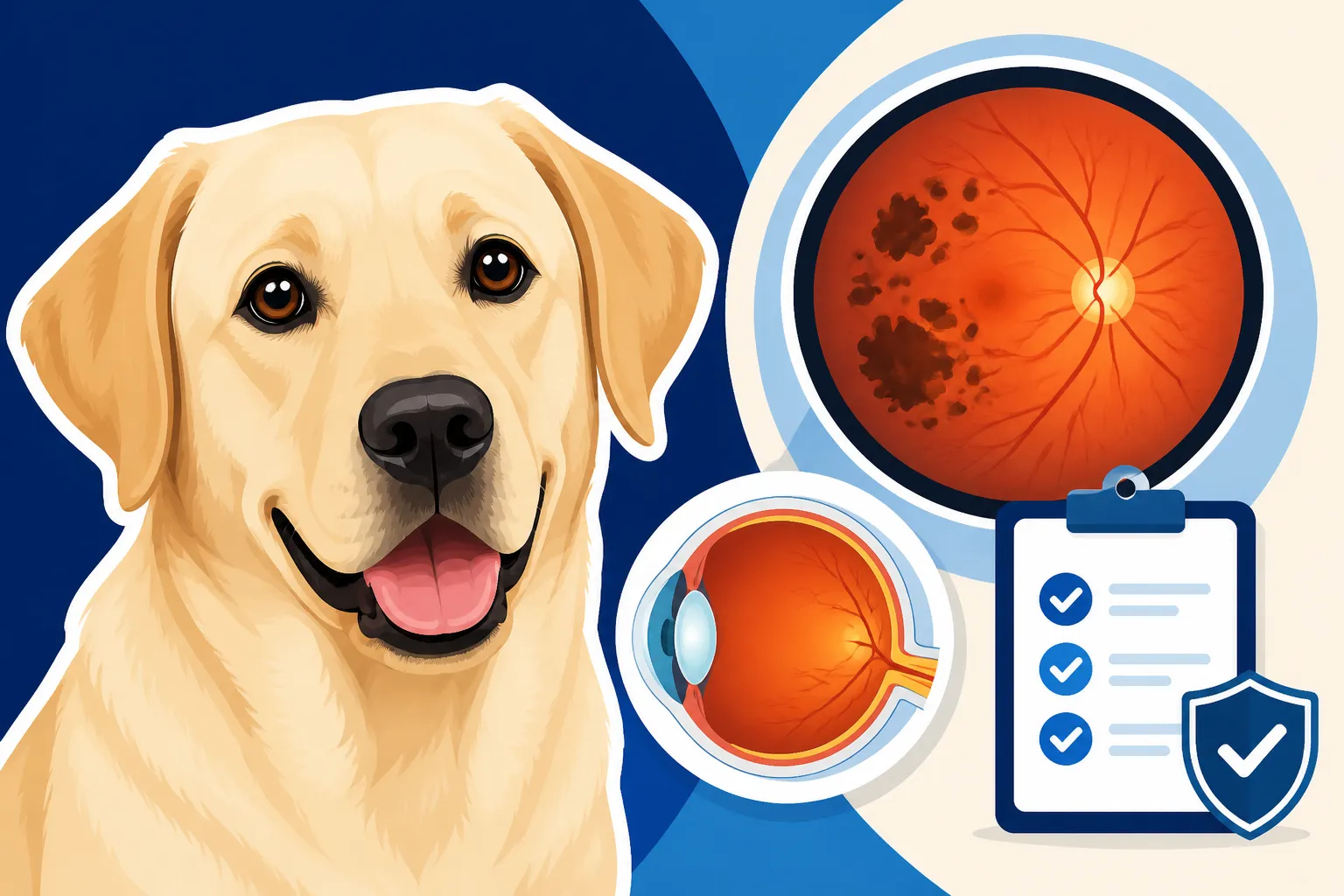
Retinal Dysplasia and Labrador Eye Panels
Bringing a new Labrador into your life or even caring for a beloved adult dog means a commitment to their well-being, and few things are more concerning than potential health issues, especially those affecting their precious eyesight. It can be incredibly overwhelming to navigate veterinary terms like "retinal dysplasia" and "eye panels," leaving you feeling confused and worried. This comprehensive guide is here to cut through the jargon, explain exactly what retinal dysplasia is, how it's diagnosed through eye panels, and what you can do to ensure your Labrador maintains the best possible vision throughout their life.
Understanding Retinal Dysplasia in Labradors
Retinal dysplasia (RD) is an eye condition that can affect Labradors, impacting the development of the retina, the light-sensitive tissue at the back of the eye. It's one of those terms that can immediately make any dog owner's heart sink, but understanding it is the first step toward managing it. It's not a single, straightforward issue but rather a spectrum of abnormalities that can range from very mild to severe. The retina is crucial for sight, converting light into electrical signals that the brain interprets as images. When its development goes awry, vision can be compromised.
What Exactly Is Retinal Dysplasia?
At its core, retinal dysplasia describes abnormal development of the retina. This can manifest in a few different forms, each with varying degrees of severity and impact on your Labrador's vision. Imagine the retina as a perfectly smooth, delicate canvas at the back of the eye; in a dog with RD, parts of that canvas might be crumpled, folded, or even completely detached.
The mildest form is often referred to as retinal folds. These are small, localized areas where the retina hasn't developed smoothly, creating tiny wrinkles or pleats. Many Labradors with only retinal folds experience no noticeable vision problems throughout their lives, and you might never even know they have them without a specialized eye exam. They often adapt without issue, and it's more of a diagnostic finding than a functional impairment.
A more severe manifestation is geographic retinal dysplasia. This involves larger, often irregular lesions that look like patches of abnormal retinal tissue, sometimes with areas of atrophy (wasting away). Dogs with geographic retinal dysplasia will likely experience some degree of vision impairment, which can vary depending on the size and location of these lesions. If they affect the central vision, it can be quite impactful.
The most severe, and thankfully less common, form is complete retinal detachment. In this scenario, the entire retina detaches from the underlying choroid, essentially losing its blood supply and ability to function. This typically results in blindness in the affected eye. It's a much more serious condition, often noticeable to owners as their dog struggles significantly with vision, potentially bumping into objects or showing signs of disorientation.
How Labradors Inherit This Eye Condition
The genetics behind retinal dysplasia in Labradors can be a bit complex, but it's largely understood to be an inherited condition, meaning it's passed down from parent to puppy. This is why responsible breeding practices, which include thorough health screenings of parent dogs, are so incredibly vital. For many forms of inherited retinal dysplasia, the mode of inheritance is autosomal recessive.
What does "autosomal recessive" mean for you and your furry friend? It means a dog must inherit two copies of the faulty gene—one from each parent—to actually develop the condition. If a Labrador inherits only one copy, they are considered a "carrier." Carriers typically don't show any symptoms of retinal dysplasia themselves, but they can pass the faulty gene on to their offspring. This is where things get tricky for breeders: two carrier parents can produce affected puppies, as well as more carriers and clear puppies. This genetic lottery highlights why DNA testing and careful pedigree analysis are so important.
The presence of RD, particularly the more severe forms, in a breeding line can be a red flag. Reputable breeders work diligently to understand the genetic makeup of their dogs to avoid producing puppies with known inherited health issues. This due diligence helps protect the health and quality of life for future generations of Labradors. It’s also why understanding Genetic Panels Worth Running on a Labrador can be incredibly empowering for any prospective owner.
Signs and Symptoms to Watch For
It can be incredibly frustrating trying to figure out if your dog is experiencing vision issues, especially since Labradors are famously stoic and often compensate remarkably well, particularly if the vision loss is gradual or only affects one eye. Spotting the signs of retinal dysplasia can be challenging, especially in its milder forms. Many Labradors with minor retinal folds might live their entire lives without their owners ever noticing any vision problems.
However, as the condition progresses or if your Labrador has a more severe form like geographic retinal dysplasia or retinal detachment, you might start to observe some tell-tale signs. These could include subtle changes in behavior, such as hesitancy in unfamiliar environments or in dimly lit areas. Your dog might start bumping into furniture or misjudging steps, especially when going up or down. You might notice them being startled more easily, as their reliance on hearing and smell increases to compensate for compromised sight. In the case of severe retinal detachment, the onset of blindness can be quite sudden, leading to significant disorientation and anxiety for your dog.
It's also worth noting that symptoms can sometimes overlap with other eye conditions, so a definitive diagnosis always requires a professional veterinary ophthalmologist. Keep an eye out for any cloudiness in the eyes, excessive tearing, or redness, though these are not typical signs of RD itself. Always err on the side of caution and consult your vet if you suspect any vision changes in your beloved companion. Early detection, even if just for monitoring, is always the best approach.
The Importance of Regular Eye Examinations
When you're welcoming a Labrador into your home, or simply maintaining the health of your existing companion, regular eye examinations are an absolutely critical part of their preventative care routine. It's easy to overlook eye health until a problem is obvious, but many serious conditions, including retinal dysplasia, can be silent until they're quite advanced. This is why proactive screening through certified veterinary ophthalmologists is so highly recommended for Labradors.
What Is an OFA Eye Exam?
The Orthopedic Foundation for Animals (OFA) is widely known for its work in evaluating hip and elbow health in dogs, but they also maintain a registry for eye certifications. An OFA Eye Exam isn't actually performed by the OFA itself, but rather by board-certified veterinary ophthalmologists who follow specific guidelines set forth by the American College of Veterinary Ophthalmologists (ACVO). These specialists examine dogs for a range of inherited eye diseases, including retinal dysplasia, progressive retinal atrophy, cataracts, and glaucoma.
The purpose of these exams is twofold: first, to provide a snapshot of your dog's current eye health, and second, for breeders, to screen potential breeding animals to ensure they are free of detectable inherited eye diseases. This helps minimize the passing of these conditions to future generations. The results of these exams are then submitted to the OFA, where they can be publicly registered, offering transparency for prospective puppy buyers. These certifications are generally recommended annually for breeding dogs and at key stages for puppies, as discussed in How Often a Labrador Needs an Eye Exam.
What an ACVO Ophthalmologist Looks For
When your Labrador goes for an eye exam with an ACVO board-certified veterinary ophthalmologist, it’s a much more in-depth process than a routine check-up with your general veterinarian. These specialists have advanced training in veterinary ophthalmology and possess the specialized equipment needed to thoroughly examine the intricate structures of the eye.
During the exam, the ophthalmologist will dilate your Labrador's pupils to get a clear view of the retina. They'll use an indirect ophthalmoscope, a specialized instrument that allows them to examine the back of the eye, looking for any abnormalities in the retina, optic nerve, and surrounding structures. They’re specifically trained to identify even subtle retinal folds, geographic lesions, or any signs of retinal detachment that might indicate retinal dysplasia. They also screen for other inherited conditions like cataracts, glaucoma, and particularly important for Labradors, Progressive Retinal Atrophy in Labradors. This comprehensive evaluation ensures that any potential issues are identified early, allowing for appropriate management or breeding decisions.
Why Puppy Eye Exams Are Crucial
For Labrador puppies, an early eye examination, often referred to as a "puppy eye exam," is incredibly important. This is typically done by an ACVO ophthalmologist when puppies are between 6 to 12 weeks of age. The reason this specific timing is crucial is that many congenital (present at birth) eye conditions, including the various forms of retinal dysplasia, are detectable at this young age.
Catching these conditions early allows breeders to make informed decisions about their breeding program and ensures that new puppy owners are aware of any potential issues before they bring their new family member home. It also allows for early intervention or management strategies if a severe condition is found. For instance, if a puppy is diagnosed with retinal detachment, the new owner can prepare for the challenges of a blind dog and provide the necessary support from day one. This initial screening is a vital component of ensuring Labrador Puppy Health in the First Year, giving them the best possible start in life and providing peace of mind to their new families.
Deciphering Labrador Eye Panel Results
Navigating the world of genetic testing and health clearances for your Labrador can feel like learning a whole new language. When it comes to eye health, especially conditions like retinal dysplasia, breeders and owners often rely on "eye panels" which combine physical examinations with DNA tests. Understanding what these results mean is paramount, not just for the individual dog, but for the health of the breed as a whole. It’s all part of ensuring a healthy future for these incredible companions.
Common Genetic Tests for Retinal Dysplasia
While retinal dysplasia itself is often diagnosed through a physical eye exam, genetic testing plays a huge role in identifying carriers and affected dogs for other serious eye conditions that can lead to similar symptoms or co-occur with RD. The term "eye panel" often refers to a battery of DNA tests that reputable breeders run to screen for multiple inherited eye diseases.
For Labradors, some of the most common and critical genetic tests include:
- Progressive Retinal Atrophy (PRA): This is a group of genetic diseases that cause the retina to degenerate over time, eventually leading to blindness. There are several forms of PRA, like prcd-PRA, and specific DNA tests can identify if a dog is clear, a carrier, or affected.
- Oculoskeletal Dysplasia 1 (OSD1)/Skeletal Dysplasia 2 (SD2): While primarily affecting skeletal development, some forms of OSD can also be associated with eye abnormalities, including retinal folds, particularly in the Labrador breed.
- Centronuclear Myopathy (CNM): Though a muscle disorder, CNM can sometimes be included in broader genetic panels that encompass various Labrador health concerns, even if not directly an "eye condition."
When you receive results from these DNA tests, you'll typically see "Clear," "Carrier," or "Affected." A "Clear" result means the dog does not carry the gene mutation. A "Carrier" means the dog has one copy of the gene and will not develop the disease but can pass it on. An "Affected" dog has two copies and will likely develop the disease. This information is invaluable for making responsible breeding decisions, preventing affected puppies from being born. You might see these genetic panels offered by labs like Embark or Optigen, often bundled with other important tests for conditions like Exercise-Induced Collapse in Labrador Retrievers and Centronuclear Myopathy in Labradors.
Understanding the OFA Eye Registry
The OFA Eye Registry is a crucial component of health transparency for Labrador Retrievers. After a board-certified ACVO veterinary ophthalmologist performs a thorough eye examination on a dog, the findings are submitted to the OFA. If the dog is found to be free of detectable inherited eye diseases, they receive an OFA eye certification, which is then entered into their public database.
This registry serves as an invaluable resource for prospective puppy owners who are diligently trying to find a healthy Labrador. By looking up the parents of a litter, you can verify that they have received current eye clearances, indicating they were examined and found to be free of identifiable inherited eye conditions at the time of the exam. This doesn't guarantee a puppy will never develop an eye issue, as some conditions have late onset, but it significantly reduces the risk. It demonstrates that the breeder is committed to health screening and is making efforts to produce healthy puppies. When you look at a Labrador’s pedigree, especially if you’re considering a new puppy, always ask to see these OFA certifications for both parents, including their specific results for retinal dysplasia or other conditions.
The Role of DNA Testing in Prevention
DNA testing has revolutionized the way we approach genetic diseases in dogs, and it plays a vital, complementary role alongside physical eye exams in preventing conditions like retinal dysplasia and PRA in Labradors. While a physical exam by an ophthalmologist can detect the presence of retinal dysplasia, DNA tests can identify if a dog is a carrier for specific genetic mutations that cause other retinal diseases, even if they don't currently show symptoms.
This is critical for ethical breeding. A breeder might have a perfectly healthy dog with clear eye exams, but if that dog is a carrier for a recessive gene causing PRA, and is bred to another carrier, there's a 25% chance that their puppies will be affected. DNA tests allow breeders to avoid these risky pairings, ensuring that they only breed dogs together who will not produce affected offspring. This proactive approach helps to gradually reduce the prevalence of these genetic diseases within the Labrador Retriever population. For a family planning to add a Labrador to their home, knowing the genetic status of the parents gives immense peace of mind. It truly is a powerful tool in safeguarding the long-term health of the breed.
Living with a Labrador Affected by Retinal Dysplasia
Receiving a diagnosis of retinal dysplasia can be a tough pill to swallow, especially if it impacts your Labrador's vision. It's natural to feel worried, but remember that many Labradors with this condition, even those with significant vision impairment, can lead full, happy, and enriching lives with the right support and care. Your love and commitment make all the difference, and you'd be surprised at how resilient and adaptable these dogs can be.
Managing Mild Cases and Vision Impairment
For Labradors diagnosed with mild retinal folds, often no specific management is needed. Their vision is typically unaffected, and they function perfectly normally. It's simply a finding that needs to be noted, and perhaps monitored periodically to ensure no progression.
However, if your Labrador has geographic retinal dysplasia or partial retinal detachment that causes vision impairment, the focus shifts to adaptation and safety. Creating a consistent environment is key. Try not to rearrange furniture frequently, as your dog relies on a mental map of their surroundings. Keep pathways clear of clutter. Use scent markers or different textures on the floor to help them navigate specific areas, like a rug near their food bowl or a mat by the door. Regular, predictable routines for walks, feeding, and play can also reduce anxiety. Remember, their other senses—smell, hearing, and touch—will become incredibly heightened, so engage them with scent games or toys that make noise. Ensuring a comfortable and safe home environment is paramount for a dog with reduced vision.
When Surgical Intervention Is an Option
In the most severe cases of retinal detachment, surgical intervention might be considered. This is a highly specialized procedure performed by a veterinary ophthalmologist, often involving vitrectomy and laser retinopexy to reattach the retina. The goal of surgery is to restore or preserve some functional vision, but it's not always successful, especially if the retina has been detached for a long time or if the damage is extensive.
The decision to pursue surgery is complex and needs to be made in close consultation with your ophthalmologist, considering the extent of the detachment, the dog's overall health, and the potential prognosis. It's also important to be realistic about the costs involved, which can be substantial. This is where having robust pet insurance, such as a plan from Healthy Paws, can be incredibly beneficial, helping to cover a significant portion of these emergency and specialty care expenses. Even if surgery isn't viable, your vet can help guide you on how to best support your Labrador through their vision loss.
Supporting Your Blind or Partially Sighted Labrador
Living with a blind or partially sighted Labrador is a journey that requires patience, understanding, and proactive adjustments from your side. The good news is that Labradors are incredibly resilient and thrive on routine and familiarity. First and foremost, safety is paramount. Block off stairs, pools, or other hazards with baby gates or physical barriers. Supervise them closely outdoors, always keeping them on a leash in unfamiliar areas, and consider a fenced yard where they can explore safely.
Maintain a consistent daily schedule for feeding, potty breaks, and playtime. Use verbal cues to guide them, such as "step up," "step down," "wait," or "left/right." You'll be amazed at how quickly they learn to respond. Invest in engaging toys that squeak, crinkle, or can be filled with treats, stimulating their other senses. A comfortable, familiar bed in a consistent spot will become their safe haven. Remember, your calm demeanor and reassuring presence are their greatest assets. A blind Labrador can still enjoy walks, play, and be a cherished family member. Many owners find incredible joy in witnessing their dog's remarkable adaptability, and you might even find additional resources through communities that focus on Living With a Blind Labrador.
Breeder Responsibilities and Ethical Practices
For anyone considering bringing a Labrador puppy into their home, one of the most critical aspects of your search should be evaluating the breeder's commitment to health and ethical practices. A responsible breeder does far more than just bring two dogs together; they are stewards of the breed, dedicated to producing healthy, well-tempered puppies. This includes rigorous health testing for conditions like retinal dysplasia, and transparent communication with prospective buyers.
Health Clearances a Responsible Breeder Provides
A truly responsible Labrador breeder will go above and beyond to provide comprehensive health clearances for their breeding stock. These aren't just suggestions; they are standard practices for safeguarding the breed. For Labradors, the absolute minimum health clearances for both parent dogs should include:
- Orthopedic Evaluations: This means OFA (Orthopedic Foundation for Animals) or PennHIP certifications for hips and elbows, screening for Labrador Hip and Elbow Dysplasia, which is unfortunately common in large breeds.
- Eye Clearances: Current eye exams performed by a board-certified ACVO ophthalmologist, with results submitted to OFA, checking for retinal dysplasia, progressive retinal atrophy, cataracts, and other inherited eye conditions.
- Cardiac Clearances: An examination by a veterinary cardiologist to screen for inherited heart conditions.
- Genetic DNA Panels: Testing for specific genetic diseases prevalent in Labradors, such as Exercise-Induced Collapse (EIC), Centronuclear Myopathy (CNM), Progressive Retinal Atrophy (prcd-PRA), and potentially others like Dilute (for silver coat color genes).
These clearances should be verifiable, usually through public databases like the OFA website, by inputting the parent dogs' registered names or registration numbers. A breeder who cannot or will not provide these verifiable documents is not upholding their responsibility to the breed or to you, the prospective owner. It's crucial to understand Health Clearances a Labrador Breeder Must Show before committing to a puppy.
Asking the Right Questions About Eye Health
When you’re speaking with a potential breeder, don't be shy about asking detailed questions regarding the eye health of their breeding dogs and their lines. This shows you're a responsible buyer who cares about the long-term well-being of your future puppy. Here are some essential questions to pose:
- "Can I see the OFA eye certifications for both the sire (father) and dam (mother)? What were their specific findings regarding retinal dysplasia or any other eye conditions?"
- "At what age were these eye exams performed, and are they current?" (Eye certifications typically need to be renewed annually for breeding dogs).
- "Have the parent dogs undergone any DNA testing for inherited eye diseases like PRA? What were those results (Clear, Carrier, Affected)?"
- "Have any puppies from previous litters from these parents, or any close relatives, been diagnosed with retinal dysplasia or other serious eye conditions?"
- "What is your policy or guarantee regarding inherited health conditions, including eye diseases?"
A transparent and ethical breeder will welcome these questions and be eager to provide documentation and discuss the health history of their dogs openly. They understand that a well-informed buyer is a good buyer. They might even share insights into specific challenges in their lines and how they are working to mitigate them.
The Impact of Breeding Decisions on Future Generations
The breeding choices made today have a profound and lasting impact on the health and welfare of Labrador Retrievers for generations to come. Responsible breeders are not just creating puppies; they are actively shaping the genetic future of the breed. By carefully screening their breeding stock for inherited conditions like retinal dysplasia and other eye diseases, they are working to reduce the prevalence of these issues.
This involves making tough decisions, sometimes opting not to breed a dog that carries a faulty gene, even if that dog is otherwise exceptional. It also means utilizing genetic tests and physical examinations strategically to avoid producing affected puppies. While eliminating all genetic conditions is an impossible task, through diligent screening and informed breeding practices, the overall health and quality of life for Labradors can be significantly improved. Supporting breeders who adhere to these high standards is vital for the long-term health of the breed, helping ensure that future Labradors continue to be the healthy, active, and loving companions we cherish.
A Quick Overview of Retinal Dysplasia
To help consolidate the information, here’s a quick summary of the different forms of retinal dysplasia you might encounter in Labradors.
| Type of Retinal Dysplasia | Description | Severity | Vision Impact | Prognosis |
|---|---|---|---|---|
| Retinal Folds | Small, localized wrinkles or pleats in the retina where it hasn't developed smoothly. Often located in the non-visual periphery of the retina. | Mild | Usually none, or very minor, often unnoticed by owners. | Excellent; typically does not progress or affect quality of life. |
| Geographic Retinal Dysplasia | Larger, irregular areas of abnormal retinal tissue, sometimes with areas of atrophy (wasting). More widespread than simple folds. | Moderate | Can cause significant vision impairment, depending on size and location of lesions. | Variable; may stabilize, but vision loss is often permanent. Can impact quality of life. |
| Retinal Detachment | The retina completely separates from the underlying choroid (the tissue that supplies it with blood). | Severe | Leads to complete blindness in the affected eye. | Poor without immediate surgical intervention; even with surgery, success is not guaranteed. |
Disclaimer
The information provided in this guide is intended for general informational purposes only and does not constitute veterinary medical advice. Always consult with a qualified veterinarian or a board-certified veterinary ophthalmologist for any health concerns or before making any decisions about your Labrador's care, diagnosis, or treatment.