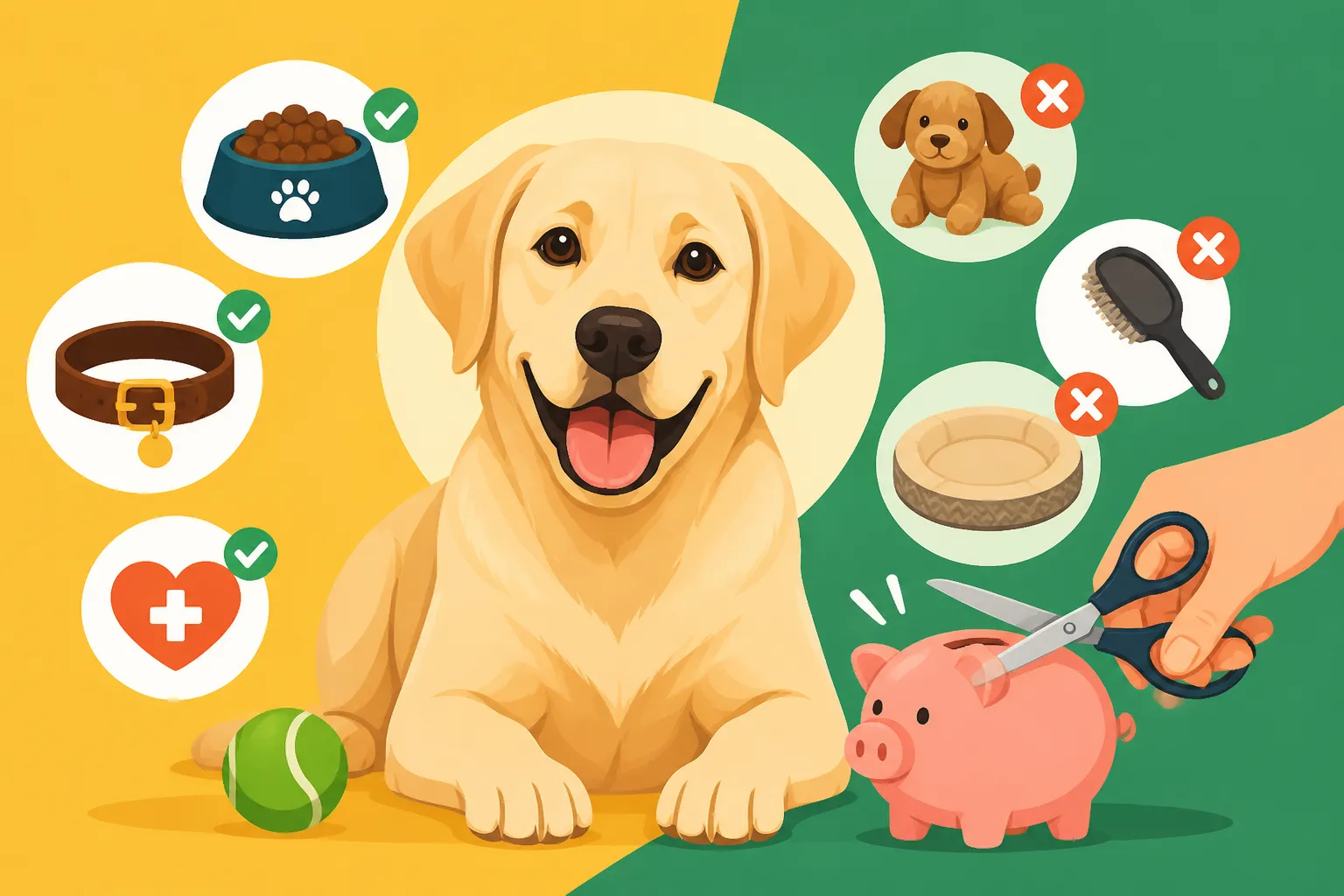
Where to Cut a Labrador Budget Safely
It's a tough pill to swallow when you look at your bank statement and realize just how much your beloved Labrador retriever costs you each month. We adore our furry family members, and the thought of cutting back on anything related to their care can bring on a wave of guilt. But let's be realistic: managing a budget is part of responsible pet ownership, and there are absolutely smart, safe ways to trim expenses without compromising your Labrador's health, happiness, or quality of life. This guide is all about finding those sweet spots where good stewardship meets smart spending.
Understanding Your Labrador's Essential Costs Before Trimming
Before we dive into where you can safely tighten your belt, it's crucial to understand which costs are largely non-negotiable. Some expenses are simply critical for your Labrador's well-being and act as long-term investments in their health. Skimping on these foundational elements can often lead to far greater costs down the line, both financially and emotionally.
The Big Ticket Items You Can't Skimp On
There are certain unavoidable, and sometimes unpredictable, costs that every Labrador owner should be prepared for. These are the expenses that truly impact your dog's health and longevity.
Firstly, emergency veterinary care can hit you like a freight train. A sudden illness, an accident, or conditions common to Labradors like bloat can require immediate and expensive interventions. Surgical procedures, such as Emergency Bloat Surgery Prices for a Labrador or What TPLO Surgery Costs on a Labrador for a ruptured cruciate ligament, can run into thousands of dollars. These aren't areas where you can cut corners; having a plan for such eventualities is paramount. Whether it's through pet insurance or a dedicated savings fund, preparing for the unexpected is a non-negotiable aspect of Labrador ownership.
Secondly, quality nutrition forms the backbone of your Labrador's health. While we’ll discuss smart ways to save on food, opting for the absolute cheapest, lowest-quality kibble can lead to a host of health issues, from dull coats and digestive problems to more serious long-term ailments. A Labrador fed a balanced diet appropriate for their life stage and activity level is generally healthier, has a stronger immune system, and may even have fewer vet visits over their lifetime. Understanding Protein Percentage That Suits a Labrador and other nutritional needs is vital to making informed choices that support their health without necessarily breaking the bank on designer brands.
Lastly, preventative health measures are an investment, not an expense to be cut. This includes routine vaccinations, regular deworming, and consistent flea, tick, and heartworm prevention. While the monthly or annual cost of these might seem like a lot, they are minuscule compared to the treatment costs for diseases like parvovirus, distemper, Lyme disease, or heartworm infestation. A well-maintained Labrador Vaccination and Parasite Schedule is your best defense against many common and costly canine illnesses.
Recurring Expenses That Add Up
Beyond the big, sometimes scary, ticket items, there are the everyday expenses that, while small individually, collectively create a significant dent in your budget. These are the ones that, with careful management, often offer the most opportunities for safe cost-cutting.
Food and treats are, naturally, at the top of this list. Your Labrador eats every day, sometimes with gusto! The type of food, where you buy it, and how you manage treats can all have a huge impact on your overall spending. This isn't just about the kibble itself; it's about the entire approach to feeding.
Routine vet check-ups are another regular cost. Annual physical exams, even when your Labrador seems perfectly healthy, are crucial for early detection of potential problems. Your vet can spot subtle signs of issues like Labrador Dental Disease and Tartar or the onset of arthritis before they become severe and more expensive to treat. The Annual Routine Vet Spend for a Labrador includes these check-ups, which are vital for maintaining good health and catching issues when they are most manageable.
Finally, toys and enrichment items might seem frivolous, but for a high-energy, intelligent breed like a Labrador, they are essential for mental stimulation and preventing destructive behaviors. Labradors are notorious chewers, and a steady supply of appropriate toys can save your furniture and shoes. The key here isn't to eliminate these items but to choose them wisely and make them last.
Smart Strategies for Reducing Food and Treat Expenses
Your Labrador’s food bowl is probably one of the largest ongoing costs you face. But with a bit of strategy, you can feed them well without draining your wallet. This is an area where smart shopping and a little DIY can make a world of difference.
Buying in Bulk and Comparing Brands
One of the most effective ways to save on your Labrador’s primary diet is by buying their kibble in larger quantities. Often, the price per pound decreases significantly when you purchase a large bag compared to smaller ones. Just be sure you have a cool, dry place to store it to maintain freshness. Consider checking online retailers like Chewy, which frequently offer competitive pricing, subscription discounts, and free shipping on bulk orders. Comparing their prices against local pet stores, and even big box retailers, can reveal substantial savings. Many online stores also have loyalty programs or offer a discount on your first auto-ship order, which can be a real boon.
Beyond quantity, don't be afraid to compare different quality brands. While we emphasized not skimping on quality, there's a vast range of good quality foods between the cheapest options and the ultra-premium, boutique brands. Many mid-range brands offer excellent nutrition without the hefty price tag. Always read the ingredient list; look for real meat as the first ingredient, and ensure it meets AAFCO nutritional standards for your Labrador’s life stage. Sometimes, a lesser-known brand might offer similar quality ingredients to a premium one at a fraction of the cost. For more on this, you might find our guide on Budget Versus Premium Kibble for a Labrador helpful.
Savvy Snacking with Homemade and Low-Cost Treats
Treats are wonderful for training and bonding, but they can be a huge hidden cost. Instead of constantly buying expensive, pre-packaged treats, get creative!
The simplest and safest way to cut treat costs is to use a portion of your Labrador's daily kibble ration as training rewards. This reduces extra calories and is incredibly cost-effective. Your Labrador often works just as hard for a piece of their regular food, especially if they are food-motivated (which most Labradors are!). For more tips, check out Using Kibble From the Daily Ration as Treats.
Making your own homemade treats is another fantastic option. Simple recipes using ingredients you likely already have can yield a large batch of healthy, inexpensive treats. Think baked sweet potato slices, dehydrated chicken breast, or even plain cooked pumpkin. Just be absolutely certain that any ingredients you use are safe for dogs.
Finally, many human foods make excellent, low-cost treats in moderation. Carrot sticks, apple slices (without seeds), green beans, or small pieces of banana are often eagerly accepted by Labradors and provide healthy fiber and vitamins. Always verify that a food is safe before offering it, as some common human foods are toxic to dogs (e.g., grapes, onions, xylitol). Our article on Fruits and Vegetables Safe for Labradors has a great list of safe options. While services like Ollie offer fresh, human-grade meals that are excellent for nutrition, they aren't typically a budget-cutting measure; rather, they're an investment in higher quality food that some owners prioritize. For those looking to save, traditional kibble, managed smartly, is usually the more economical route.
Saving on Vet Care and Health Needs Without Compromise
Vet bills are often the most unpredictable and daunting part of Labrador ownership. However, proactive care and smart financial planning can significantly reduce the sting of these necessary expenses without ever sacrificing your dog's health.
Proactive Health Management and Preventative Care
An ounce of prevention is truly worth a pound of cure, especially with Labradors. Keeping your dog in peak condition through daily habits can prevent many common and costly health issues.
Firstly, maintaining a healthy weight and ensuring adequate, appropriate exercise is paramount. Labradors are prone to joint issues like hip and elbow dysplasia, and excess weight significantly exacerbates these conditions. A lean, fit Labrador is less likely to develop severe arthritis or require expensive orthopedic surgeries later in life. Consistent, moderate exercise helps keep their joints mobile and muscles strong. Learn more about Slowing Joint Decline in an Older Labrador and Getting Weight Off an Overweight Labrador for practical advice.
Secondly, regular dental care at home can save you thousands in professional cleanings and extractions over your Labrador's lifetime. Brushing your Labrador's teeth daily, or at least several times a week, can prevent plaque and tartar buildup, which leads to painful periodontal disease. This might sound like a chore, but it’s a small investment of time that pays huge dividends. Our guide on Brushing a Labrador's Teeth at Home can get you started.
Thirdly, diligent hygiene, especially ear care, can prevent common infections. Labradors love water, and their floppy ears can trap moisture, making them susceptible to ear infections. Regularly cleaning and thoroughly drying your Labrador's ears, especially after swimming or bathing, can ward off painful and expensive trips to the vet for otitis externa. For specific tips, see Drying a Labrador's Ears After the Lake.
Navigating Insurance and Emergency Funds
Even with the best preventative care, emergencies and illnesses can still strike. Having a financial safety net is critical.
Pet insurance is a popular option that can provide immense peace of mind. While it's a recurring monthly premium, it's designed to cushion the blow of unexpected, high-cost veterinary treatments. Plans vary widely in what they cover, deductibles, and reimbursement rates, so it’s essential to do your research. Companies like Healthy Paws offer various plans that can help cover everything from accidents and illnesses to surgeries and some emergency care. Understanding whether insurance covers specific conditions like Whether Insurance Covers Labrador Hip Dysplasia is a key part of choosing the right policy. It's often most beneficial to enroll your Labrador when they are young and healthy, before any pre-existing conditions develop.
Alternatively, many owners opt for a dedicated emergency savings fund. This involves setting aside a specific amount of money each month into an easily accessible, interest-bearing account solely for veterinary emergencies. This "self-insurance" method gives you direct control over your funds and means you don't pay premiums if your dog remains healthy. For a deeper look at this approach, consider Insurance Versus a Savings Account for a Labrador.
Whichever route you choose, having a plan for large, unforeseen vet bills is a cornerstone of responsible Labrador ownership. Some veterinary clinics also offer payment plans or work with third-party financing options like CareCredit for expensive treatments. Looking into these options before an emergency strikes can alleviate significant stress. You can explore CareCredit and Payment Plans for Labrador Bills for more details on these resources.
Practical Ways to Economize on Gear, Grooming, and Training
While food and vet care might take the lion's share of the budget, there are still plenty of opportunities to save on the accessories, maintenance, and education your Labrador needs. Smart choices here can add up to significant savings over their lifetime.
Choosing Durable Gear and DIY Grooming
Labradors can be tough on their belongings, so investing wisely in gear can prevent constant replacements.
When it comes to toys and beds, focus on durability over quantity. A high-quality, robust chew toy that lasts for months is ultimately cheaper than several flimsy ones that are destroyed in an hour. Look for toys made from tough rubber or hard plastics designed for power chewers. Our article on Chew Toys That Survive a Labrador offers some great recommendations. Similarly, an orthopedic dog bed, while a larger upfront cost, can last for years and provide better support for your large breed dog than a cheap, easily flattened pillow. The long-term comfort and durability can outweigh the initial price, especially when considering How Often a Labrador Wears Out a Bed. Don't forget that you can also find excellent used crates, kennels, and other large items on local online marketplaces or at garage sales. Just ensure they are clean and in good, safe condition.
Grooming is another area where you can save a bundle by doing it yourself. Labradors have relatively low-maintenance coats, but they do shed, and their ears and nails require attention. Instead of sending your dog to a professional groomer regularly, learn how to do basic grooming tasks at home. Regular brushing, especially during shedding season, can keep their coat healthy and minimize loose hair around your home. Learn How Often to Brush a Labrador to maintain a healthy coat.
Bathing your Labrador at home is also quite straightforward. With a good quality dog shampoo and conditioner, you can keep them clean and smelling fresh. You can find useful tips in How Often to Bathe a Labrador. Nail trims can seem intimidating, especially with dark nails, but with practice and positive reinforcement, you can learn to do them safely and effectively. This saves you the recurring fee at the vet or groomer. For guidance on trimming, you might look at Trimming Black Nails on a Labrador.
Affordable Training Methods and Resources
Training is essential for a well-behaved Labrador, but it doesn't have to cost a fortune. There are many ways to educate your canine companion on a budget.
Start by utilizing the wealth of free online resources available. YouTube channels, reputable dog training blogs, and breed club websites offer countless videos and articles on everything from basic obedience to more advanced commands. You can learn how to teach your Labrador First Commands to Teach a Labrador without spending a dime on private lessons.
Consider group puppy or obedience classes over expensive one-on-one private trainers. These classes are often more affordable, provide valuable socialization opportunities for your Labrador, and teach you the skills to continue training at home. Many community centers or local humane societies offer low-cost classes that cover essential manners. For thoughts on this, you might explore Whether Puppy Class Is Worth It for a Labrador.
Leverage your Labrador’s inherent drive and intelligence. Most Labradors are highly food-motivated and eager to please, making them excellent candidates for positive reinforcement training. Using a Labrador's Food Drive as Leverage means you can often use their regular kibble as rewards, integrating training into daily feeding times.
Finally, think about DIY enrichment and exercise. Instead of buying expensive puzzle toys, you can create your own by hiding kibble in cardboard boxes or rolled-up towels. Instead of paying for doggy daycare, explore local parks, hiking trails, or dog-friendly swimming spots for exercise. Teaching your Labrador solid leash manners from the start can prevent issues that might later require professional intervention, saving you money and frustration in the long run. Consider how to improve Stopping a Labrador From Pulling on Leash for smoother walks.
By being mindful of your spending in these areas and prioritizing durable, practical, and DIY solutions, you can significantly reduce the overall cost of owning a Labrador while still providing them with everything they need to thrive.
Disclaimer
This article is for general informational purposes only and does not constitute professional advice. Laws, prices and regulations vary by location and change over time. Consult a qualified professional for guidance on your specific situation.