Labrador Chewing Through Adolescence
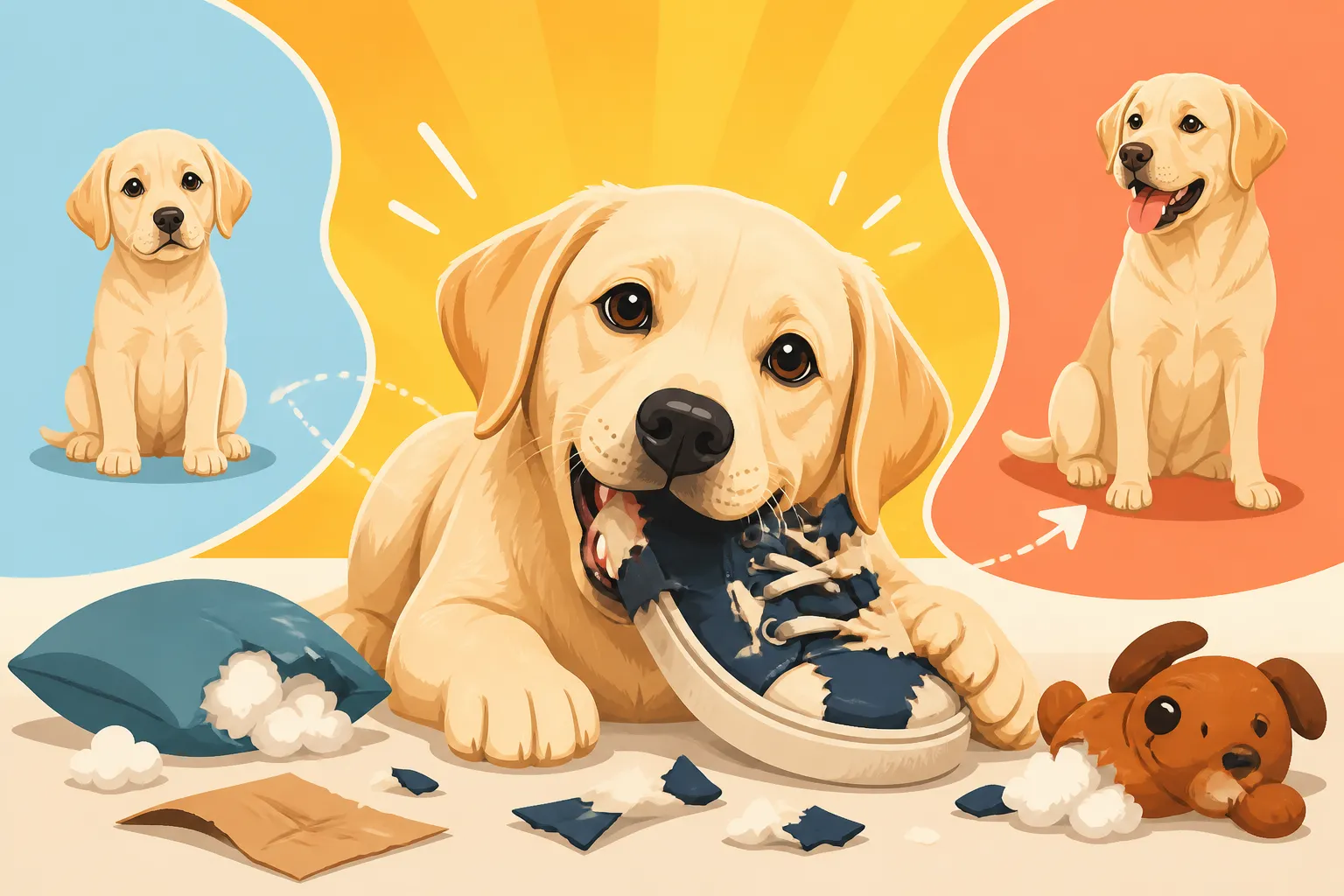
Few things are quite as frustrating as watching your sweet Labrador puppy transform into a lanky, opinionated teenager who suddenly decides your favorite sofa leg or your brand-new running shoes are the perfect chew toy. If you've found yourself staring at a pile of shredded newspaper or a mangled remote, wondering where your well-behaved pup went, you're not alone. This comprehensive guide will delve into why Labradors chew so intensely during their adolescent phase and equip you with practical strategies to manage and redirect this often-destructive behavior, saving your belongings and your sanity.
Understanding Adolescent Labrador Chewing
Adolescence in a Labrador Retriever is a challenging time for both dog and owner. It's a period of immense physical and mental change, much like human teenagers. While the cute puppy nipping phase might have subsided, a new, often more powerful, form of chewing can emerge, catching many owners off guard.
The "Second Teething" Myth and Reality
You might hear people talk about a "second teething" phase in adolescent dogs, but it's not quite accurate in the same way puppy teething is. By around 6-7 months, your Labrador should have all their adult teeth. So, they aren't actually losing baby teeth and growing new ones. However, that doesn't mean their mouth isn't a source of discomfort or an avenue for exploration. Growing jaws and erupting permanent molars can still cause some gum tenderness, making chewing a comforting sensation.
Beyond physical discomfort, the primary drivers of adolescent chewing are often more complex. Your growing Labrador has a burgeoning curiosity and needs to investigate their world. What better way to do that than with their powerful jaws and keen sense of smell? They might be bored, stressed, or simply testing boundaries. The energy levels in an adolescent Labrador are typically through the roof, and if that energy isn't channeled appropriately, it often comes out in destructive ways, like chewing through furniture or personal items. Their natural instincts kick in, and everything becomes a potential item for their mouth.
Why Labradors Are Prone to Chewing
Labrador Retrievers, by their very nature, are highly oral dogs. They were bred to retrieve game gently with their mouths, meaning their mouths are a significant tool for interacting with the world. This strong retrieving drive often translates into an inherent desire to carry, hold, and, yes, chew on things. Think about it – how many times have you seen a Labrador just have to carry something in their mouth, be it a toy, a leash, or even a leaf? This oral fixation, combined with their powerful jaws and high intelligence, makes them exceptionally good at chewing.
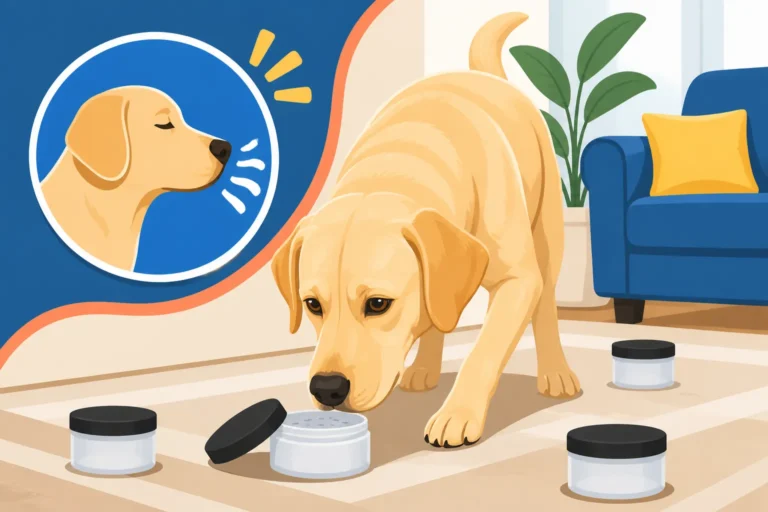
Their keen sense of smell also plays a role. If something smells interesting – like your dirty laundry, a food-stained napkin, or even just your personal scent on an item – it becomes an irresistible target. Furthermore, Labradors are famously food-driven. This can sometimes lead them to chew items that might have residual food smells, or even to try and "break into" containers that they suspect hold something tasty. This strong drive means they're not just idly chewing; they're often motivated chewers. It's an extension of their puppy behaviors, as discussed in Why Labrador Puppies Mouth Everything, but with adult strength.
Identifying the Root Cause of Chewing
Before you can effectively tackle adolescent chewing, it’s crucial to play detective and figure out why your Labrador is doing it. Simply punishing the behavior after the fact rarely works and can damage your bond. Look for patterns:
- Boredom: Does the chewing happen after long periods of inactivity? Are they not getting enough physical exercise or mental stimulation? A Labrador with pent-up energy will find a way to release it, and chewing is a common outlet.
- Separation Anxiety: Does the chewing occur only when you leave the house? Is it accompanied by other signs like pacing, barking, or house-soiling? This is a serious issue that requires a more nuanced approach.
- Stress or Anxiety: Thunderstorms, new visitors, changes in routine – anything that causes your Labrador stress can lead to coping behaviors like chewing.
- Habit: Has chewing become a learned behavior? Perhaps they found a good "chew spot" early on, and it just stuck.
- Attention Seeking: Sometimes, if chewing gets a reaction from you (even a negative one), your clever Labrador might learn that it's a way to get your focus.
Observing when, what, and where your Labrador chews can provide invaluable clues. Do they target specific textures? Is it always a particular item? Understanding the "why" is the first step toward finding the right "how."
Prevention and Management Strategies
The key to navigating the adolescent chewing phase is a multi-pronged approach focusing on prevention, providing appropriate alternatives, and ensuring your Labrador’s needs are met. It’s about setting them up for success, not just reacting when they misbehave.
Puppy-Proofing Your Home Revisited for Adolescence
You likely puppy-proofed your home when your Labrador was a tiny pup, but adolescent Labs are bigger, smarter, and far more determined. What once worked (like a baby gate) might not be enough anymore. Now, you need to think about securing items at their new height and with their increased reach and strength.
- Elevated Storage: Everything from shoes to mail, remote controls, and even tempting kitchen towels needs to be out of reach. If it can be picked up, it can be chewed. Consider closed cabinets, high shelves, or secure bins.
- Secure Trash Cans: A determined adolescent Labrador can often open swing-top or pedal bins. Invest in a heavy-duty, locking trash can or keep it behind a closed pantry door. Why a Labrador Raids the Trash
- Bitter Sprays and Repellents: For items that cannot be moved, like furniture legs or electrical cords, a deterrent spray can be effective. Products often found on Amazon are designed to taste unpleasant but be non-toxic. Apply generously and reapply as needed. Always test a small, inconspicuous area first to ensure it doesn't stain.
- Crate and Secure Areas: When you cannot actively supervise your Labrador, a crate remains an invaluable tool. It provides a safe, chew-proof space where they can't get into trouble. Make sure it’s comfortable with a durable bed or mat, and always leave an appropriate chew toy inside. For longer periods, consider a dog-proofed room with durable flooring and no tempting items. How Long a Labrador Can Stay Crated and Crate Training a Labrador Puppy offer more details on this.
Remember, prevention isn't about stifling their natural chewing instinct; it's about making sure they only chew what you want them to chew.
Providing Appropriate Chew Outlets
Your Labrador needs to chew. It's a fundamental behavior for them, especially during adolescence. Your job is to make sure they have plenty of desirable, appropriate chew toys that satisfy this urge.
- Durable Chew Toys: Investing in high-quality, durable chew toys is paramount. Brands like Kong, Nylabone, Benebone, and West Paw offer a variety of options designed for strong chewers. Look for toys made from tough rubber, nylon, or natural materials that can withstand powerful jaws. You'll find a wide selection of these on Amazon. Variety is key; some Labs prefer softer, squeaky toys, while others love hard, indestructible bones. Experiment to find what your dog loves.
- Interactive and Puzzle Toys: These are fantastic for mental stimulation, which directly combats boredom-induced chewing. Fill Kongs with peanut butter, yogurt, or wet food and freeze them for a long-lasting challenge. Puzzle feeders (like those mentioned in Puzzle Feeders That Slow a Greedy Labrador) require your dog to work for their food, tiring their brain and keeping their mouth busy.
- Natural Chews: For some Labs, natural chews like bully sticks, dental chews, or even safe, unbleached antlers can be highly motivating. Always supervise your dog with these, especially new ones, to ensure they don't break off pieces that could be choking hazards or cause digestive issues. Avoid anything too hard that could damage teeth.
- Rotate Toys: Keep a selection of toys on hand and rotate them daily or weekly to keep things fresh and exciting. A "new" toy often holds more appeal than one that's been lying around for days. Check out Toys That Satisfy a Teething Labrador for more ideas.
The goal is to make the appropriate chew toys far more appealing and readily available than any inappropriate items.
The Role of Exercise and Mental Stimulation
A tired Labrador is a good Labrador, and a mentally stimulated Labrador is often a less destructive one. Adolescent Labradors are bursting with energy, and if it's not effectively drained, it will find an outlet, usually through chewing or other undesirable behaviors.
- Adequate Physical Exercise: This isn't just a quick stroll around the block. Adolescent Labs often need significant physical activity, such as brisk walks, runs, swimming, or vigorous games of fetch. Aim for at least 60-90 minutes of dedicated exercise daily, broken into sessions if needed. A Labrador who has had a good run or swim is much more likely to settle down and chew an appropriate toy than to chew your skirting board. Refer to Exercise a Labrador Needs Each Day for guidance on daily activity.
- Mental Stimulation: Don't underestimate the power of mental work. Just like physical exercise, mental challenges can tire your Labrador out and satisfy their innate intelligence. Incorporate training sessions, hide-and-seek with treats, scent games, or even just working on new tricks. Ten minutes of focused mental work can be as tiring as thirty minutes of physical activity.
- Avoid Over-Exercising: While exercise is crucial, it’s also important not to overdo it, especially with a young, still-growing Labrador. Hard, repetitive impact activities on immature joints can be detrimental. Balance vigorous play with calmer, lower-impact activities. Ensure a good mix of both physical and mental stimulation to create a well-rounded and content dog.
A bored Labrador is a problem waiting to happen. By providing ample opportunities for both physical and mental engagement, you significantly reduce the likelihood of them turning to destructive chewing out of sheer boredom.
Training Interventions for Chewing Behavior
While prevention and providing alternatives are crucial, direct training also plays a vital role in teaching your Labrador what they are allowed to chew and what is off-limits. Consistency and positive reinforcement are your best friends here.
Teaching "Leave It" and "Drop It"
These two commands are absolute lifesavers, not just for chewing but for overall safety and control. They empower you to intervene before your Labrador starts chewing something inappropriate or to get them to release something they’ve already picked up.
- "Leave It": Start by holding a low-value treat in one hand and a high-value treat in the other, both hidden. Present the low-value treat in a closed fist. When your Labrador sniffs or licks it, say "Leave It." The instant they back away, even slightly, open your other hand and give them the high-value treat. Repeat many times. Once they consistently "leave" the low-value treat, introduce a desirable but non-food item on the floor. When they look at it, say "Leave It." When they look away from the item and to you, reward them. Gradually increase the distraction and duration. The goal is for them to understand that ignoring something forbidden leads to a better reward from you.
- "Drop It": This command teaches your Labrador to release an item they already have in their mouth. Start with a toy they like but aren't obsessed with. Offer a high-value treat (something really delicious!). As they smell or look at the treat, say "Drop It." The moment they open their mouth to take the treat, take the toy away. Immediately give them the treat. Practice this frequently. Slowly decrease reliance on the treat, instead giving them enthusiastic praise and immediately re-offering the toy after they drop it (if it's an appropriate toy). This teaches them that dropping it doesn't mean losing it forever, which is a common fear for retrievers. For a deeper dive, check out Teaching a Labrador to Drop It Reliably.
Practice these commands in various environments and with different levels of distraction. They must be rock-solid before you can truly rely on them in high-stakes chewing situations.
Redirection and Positive Reinforcement
This is where you actively guide your Labrador toward appropriate behaviors and reward them for making the right choices.
- Catch Them in the Act: If you catch your adolescent Labrador chewing something inappropriate (like your shoe), interrupt them with a firm but neutral sound (a clap, "Ah-ah!"). Do not yell or punish them aggressively, as this can create fear or make them chew out of sight. The moment you interrupt, immediately offer an appropriate, high-value chew toy.
- Redirect to the Right Chew: As soon as they take the appropriate toy, praise them lavishly and gently reinforce that choice. You might even hold the toy for them, engaging them in play, to make it even more appealing. The idea is to quickly shift their focus from the forbidden item to the approved one.
- Lavish Praise for Good Choices: Whenever you see your Labrador happily chewing on one of their toys, go over and praise them calmly and enthusiastically. Let them know they're doing a fantastic job. This positive reinforcement strengthens the desired behavior and makes them more likely to choose appropriate chews in the future.
- Avoid Punishment for Past Chewing: If you come home to a destroyed item, it's too late to punish your Labrador. They won't connect the punishment to something they did hours ago. They'll just learn to fear your return. Instead, calmly clean up the mess and re-evaluate your prevention and management strategies. The incident simply highlights a gap in your supervision or a need for more appropriate outlets.
Consistency is absolutely vital. Every time you redirect successfully, you're building a stronger association between the urge to chew and choosing an approved toy.
Utilizing Structured Training Programs
Adolescence is a prime time for structured training, as your Labrador is old enough to have good focus but still flexible enough in their habits. While you can certainly work on these things yourself, a good training program can provide guidance and support.
- Online Training Resources: Platforms like BAXTER & Bella offer comprehensive online puppy and dog training programs that cover everything from basic obedience to managing problem behaviors like chewing. These programs often provide step-by-step videos, live support, and a structured curriculum that can be incredibly helpful for owners navigating the challenges of adolescence. A structured program helps you stay consistent and teaches you the "why" behind your dog's behaviors, allowing you to address them more effectively.
- Group Classes: Local obedience classes can be fantastic for both training and socialization. A good trainer can observe your Labrador's behavior, offer tailored advice, and help you work through challenges in a supportive environment.
- Benefits of a Structured Approach: A formal training program ensures you're using consistent methods, learning effective communication, and building a stronger bond with your Labrador. It provides a roadmap during a potentially challenging phase, helping you prevent bad habits from forming and reinforce good ones.
Remember, training is an ongoing process, not a one-time fix. Adolescent Labradors thrive on routine and clear expectations, and a structured training approach provides just that.
Addressing Specific Chewing Scenarios
Different items often get chewed for different reasons, and understanding these nuances can help you tailor your response.
Chewing Furniture and Woodwork
This is a common and often costly problem. Your Labrador might chew on chair legs, coffee table corners, or baseboards.
- Causes: Often boredom, seeking interesting textures, or sometimes even trying to get your attention. Wood has a satisfying give and splintering quality that appeals to strong chewers. What a Bored Labrador Chews First gives more context here.
- Solutions:
- Barriers: Physically block access to tempting furniture items when you can't supervise. Move chairs away from walls. Use playpens or baby gates to restrict access to certain rooms.
- Bitter Sprays: As mentioned, apply bitter apple or other non-toxic deterrent sprays liberally to furniture legs, doorframes, and baseboards. Reapply frequently, especially after cleaning.
- Supervision: The best way to prevent this is active supervision. If you see them eyeing a forbidden item, redirect them before they start chewing.
- High-Value Alternatives: Ensure your Labrador has access to a variety of appropriate chews that offer similar tactile satisfaction. Sometimes a hard nylon bone or a dense rubber toy can scratch that itch.
- If your Labrador has already done significant damage, Replacing Baseboards a Labrador Chewed offers some advice on repairs.
Destroying Clothing and Soft Items
Many Labradors love to steal and destroy socks, underwear, blankets, and even decorative pillows.
- Causes: These items often carry your scent, which can be comforting for a dog, especially if they're experiencing mild separation anxiety or just want to feel close to you. The soft, shreddable texture is also satisfying.
- Solutions:
- Strict Pickup Policy: The easiest solution is prevention. Keep all clothing, blankets, and other soft items off the floor and out of reach. Dirty laundry hampers need secure lids.
- Scent Articles: If your Labrador seems to be seeking comfort, provide them with a designated blanket or an old (clean) t-shirt that smells like you, but is specifically theirs to chew or cuddle with.
- Mental and Physical Outlet: Ensure they are getting enough exercise and mental stimulation. A tired and content Labrador is less likely to seek out inappropriate comfort items.
- Consider Anxiety: If this behavior is persistent and coupled with other signs of distress when you leave, it's worth exploring potential separation anxiety with a professional.
Ingesting Inappropriate Items
This is perhaps the most dangerous form of destructive chewing. Labradors are notorious for swallowing things they shouldn't, from socks to small toys, rocks, or even foreign objects found on walks.
- Causes: Often driven by their strong food drive (thinking it might be edible), boredom, or simply the thrill of destruction. Their "soft mouth" means they don't always crush items before swallowing.
- Solutions:
- Extreme Puppy-Proofing: This goes beyond simple chew-proofing. Assume anything left out could be swallowed. Keep small objects, children's toys, and hazardous materials completely inaccessible.
- Reinforce "Drop It" and "Leave It": These commands are critical for preventing ingestion. Practice them rigorously. Your ability to get your dog to drop something quickly can be life-saving.
- Supervision on Walks: Be hyper-vigilant on walks. Many dogs pick up dangerous items (chicken bones, discarded food, trash) off the ground. Consider muzzle training if your Labrador is a persistent "grazer" and you live in an area with a lot of street litter.
- Emergency Preparedness: Know the signs of an intestinal blockage (vomiting, lethargy, loss of appetite) and have your emergency vet's number handy. If you suspect your Labrador has swallowed something dangerous, don't wait. See What to Do If a Labrador Swallows Something for immediate steps.
Chewing is natural for Labradors, but swallowing non-food items is a serious health risk that requires constant vigilance and proactive management.
When to Seek Professional Help
While most adolescent chewing can be managed with consistent training and environmental management, there are times when the behavior escalates beyond what an owner can reasonably handle. Knowing when to call in the cavalry can save your sanity, your belongings, and potentially your Labrador's health.
Recognizing Problematic Chewing
It's helpful to understand the difference between normal, albeit annoying, adolescent chewing and truly problematic or compulsive behaviors.
- Beyond Normal: All Labs chew, but if your dog's chewing is constant, unrelenting, and they seem unable to self-regulate, even with plenty of appropriate outlets, it might be more than just typical adolescence. If they ignore all their toys to relentlessly chew on forbidden items, that's a red flag.
- Self-Injurious Chewing: If your Labrador is chewing on their own paws, tail, or body to the point of causing skin lesions, hair loss, or infection, this is definitely problematic. It often indicates pain, allergies, or underlying anxiety/compulsive disorder.
- Signs of Stress or Anxiety: If chewing is accompanied by other anxiety behaviors like excessive pacing, whining, panting, destructive behavior when left alone (beyond chewing), house-soiling, or depression, it's a sign that the chewing is a coping mechanism for deeper emotional distress. This isn't just "being naughty."
- Escalation Despite Efforts: You've tried all the tips: varied chew toys, increased exercise, strict proofing, consistent "Leave It" and "Drop It." Yet, the chewing is getting worse, or your Labrador is consistently destroying valuable items despite your best efforts. This indicates you need expert guidance.
Consulting a Vet or Certified Behaviorist
When you recognize these problematic signs, the first stop should always be your veterinarian.
- Ruling Out Medical Issues: A vet can perform a thorough examination to rule out any underlying medical causes for excessive chewing. This could include dental pain (even adult teeth can have issues), gastrointestinal upset, nutritional deficiencies, or allergies that cause itchiness and lead to licking/chewing. Once medical issues are ruled out, your vet might recommend consulting a behavior specialist.
- Certified Professional Dog Trainers (CPDT-KA) or Certified Applied Animal Behaviorists (CAAB): For behavioral issues, a professional dog trainer certified in behavior, or an animal behaviorist, can provide invaluable assistance. They have the expertise to assess your Labrador's specific situation, identify the root cause of the chewing (e.g., separation anxiety, obsessive-compulsive disorder, chronic boredom), and develop a tailored behavior modification plan. They can teach you advanced techniques and help you understand your dog's motivations, which is crucial for lasting change. They can also advise on potential medication if anxiety is severe.
Never feel ashamed or defeated if you need professional help. Dealing with adolescent Labrador chewing can be incredibly challenging, and getting expert guidance is a sign of responsible pet ownership, ensuring both you and your beloved Labrador can live together happily and harmoniously.
| Reason for Chewing | Common Triggers | Effective Solutions |
|---|---|---|
| Boredom/Excess Energy | Long periods of inactivity, lack of enrichment | Increase daily physical exercise (walks, fetch, swimming). Provide mentally stimulating puzzle toys, treat dispensers, and regular short training sessions. Rotate chew toys to maintain interest. |
| Anxiety/Stress | Being left alone, loud noises, routine changes | Rule out separation anxiety with a vet/behaviorist. Create a safe, comfortable den (crate). Provide calming chews (frozen Kongs). Use pheromone diffusers. Ensure positive associations with alone time. |
| Exploration/Sensory | New items, interesting textures/smells | Strict puppy-proofing: keep tempting items out of reach. Apply bitter deterrent sprays to forbidden items. Provide a wide variety of appropriate chew toys with different textures. |
| Habit/Attention Seeking | Learned behavior, gets a reaction from owner | Interrupt with a neutral sound (not yelling). Immediately redirect to an appropriate chew toy. Lavishly praise when they chew their toy. Ignore unwanted attention-seeking behaviors (if safe). Practice "Leave It" and "Drop It" consistently. |
| Dental Discomfort | Growing jaws, gum tenderness (less common in adolescence) | Rule out medical issues with a vet check. Provide softer, pliable chew toys (e.g., some rubber toys). Offer frozen carrots or ice cubes (in moderation). |
Labrador Chewing at Nine Months often highlights the peak of this adolescent intensity, and with persistence and the right strategies, you'll find When Labrador Chewing Finally Slows and your well-behaved adult Labrador emerges.
Disclaimer
This article is for general informational purposes only and does not constitute professional advice. Laws, prices and regulations vary by location and change over time. Consult a qualified professional for guidance on your specific situation.