Labrador Puppy Nipping at Small Children
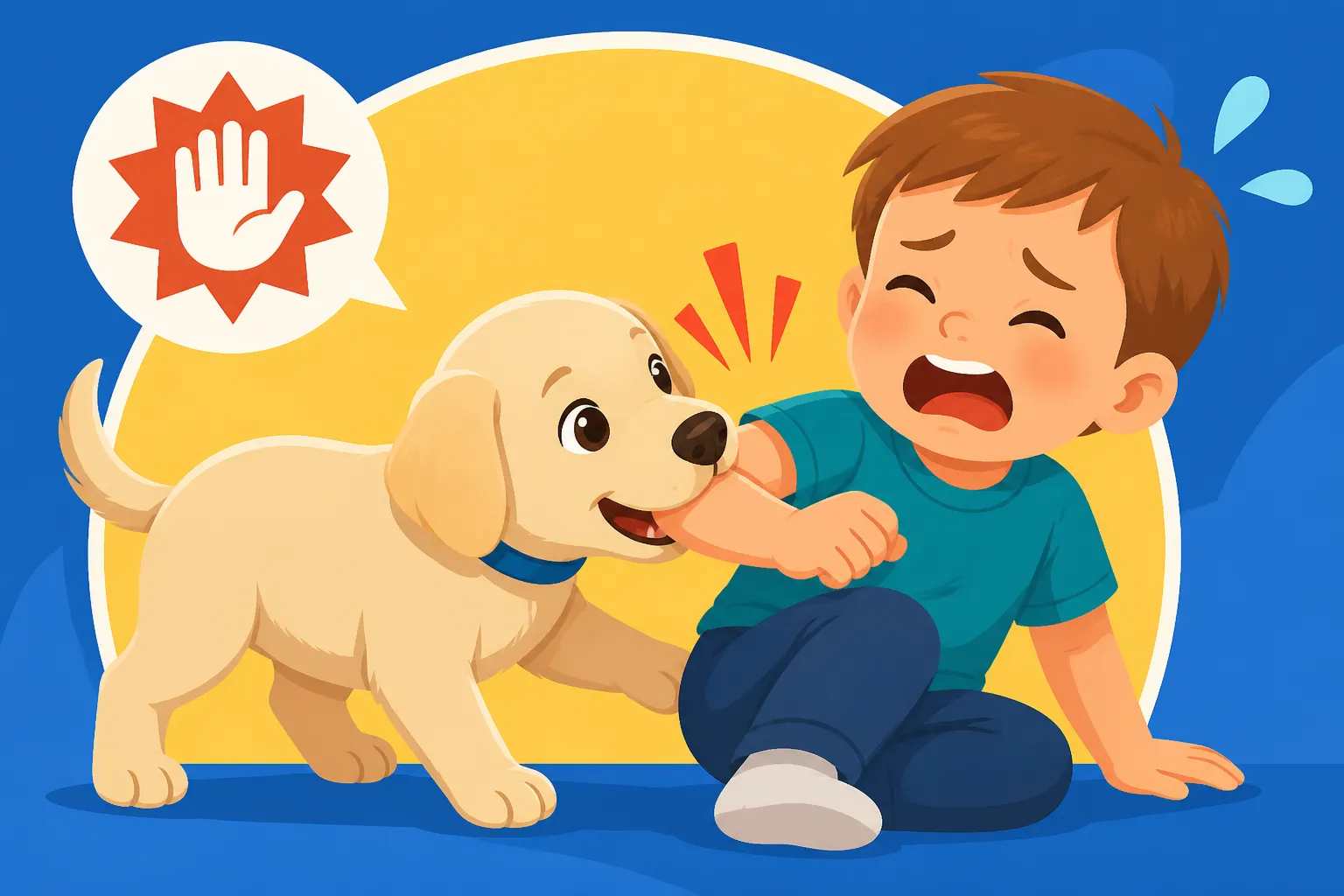
Oh, the joy of a new Labrador puppy! Those big, clumsy paws, the wagging tail, and those sharp, little teeth that seem to find every available piece of skin on your unsuspecting child. It’s enough to make even the most patient parent want to tear their hair out, and it’s a perfectly normal frustration to feel. This guide is here to walk you through exactly why your adorable Labrador puppy is nipping at your children and, more importantly, how to gently and effectively put a stop to it before it becomes a real problem.
Understanding Why Labrador Puppies Nips Kids
It’s easy to feel like your puppy is deliberately targeting your kids, but in most cases, it’s not malicious. It’s often a combination of natural puppy behavior and the unique traits of the Labrador breed. Understanding the "why" can help you approach the problem with more patience and better strategies.
Normal Puppy Behavior, Exacerbated by Labs
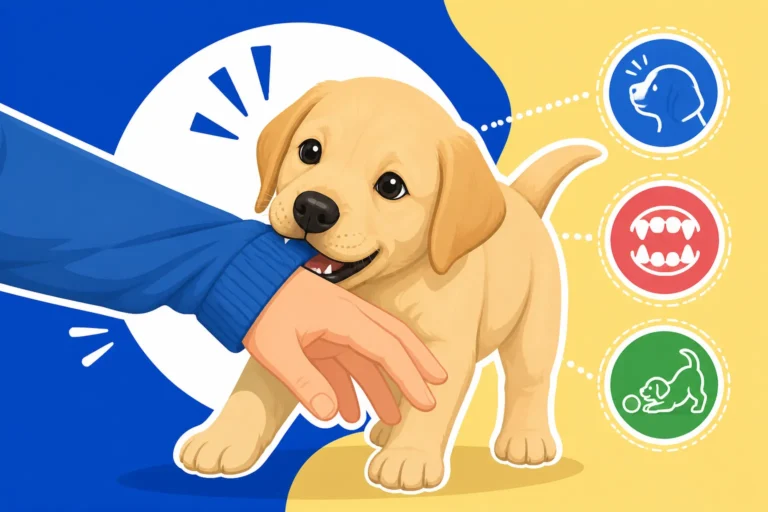
Think of a puppy's mouth as their hands. It's how they explore the world, much like a human toddler puts everything in their mouth. They're curious, and everything new gets a sniff, a lick, and often, a little nip. In a litter, puppies learn "bite inhibition" from their siblings and their mother. When one puppy bites too hard, the other will yelp and stop playing, teaching the offender that painful bites end the fun. Your children, unfortunately, don't always give such clear, consistent feedback, and their smaller size and erratic movements can actually make them more appealing targets for a playful pup.
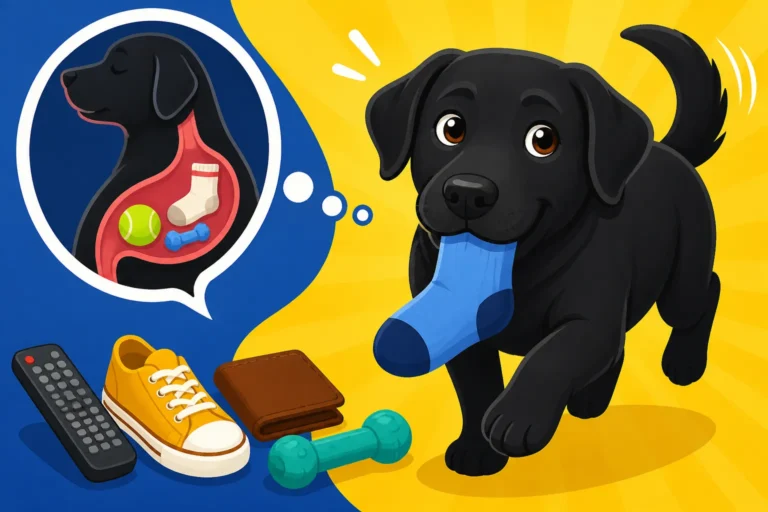
Labradors, in particular, are notorious for their mouthiness. It's part of their retrieving heritage. They were bred to carry things gently in their mouths, and that instinct is strong from day one. They love to carry, chew, and yes, mouth things – and sometimes those things are human limbs. Combine this natural inclination with the boundless energy of a Labrador puppy, and you have a recipe for enthusiastic nipping. It’s genuinely alarming when those little needle teeth make contact with delicate skin, but remember, the puppy isn't usually trying to hurt your child; they're trying to play or explore, just like they would with a littermate. You can read more about why this happens in Why Labrador Puppies Mouth Everything.
The Difference Between Play Nipping and Aggression
It’s crucial for any dog owner, especially those with children, to understand the difference between typical puppy play nipping and something more serious like aggression. While true aggression in a Labrador puppy is rare, particularly towards family members, it’s vital to recognize the signs and act accordingly.
Play Nipping: This usually looks like quick, repeated nips or gentle "mouthing" where the puppy uses their mouth without significant pressure. The puppy’s body language will typically be loose and wiggly. Their tail might be wagging, their ears relaxed, and their movements bouncy. They might dart in, nip, and then back off, inviting further interaction. There's no sustained pressure, no snarling, and generally, no fear in the puppy's eyes. It’s often accompanied by playful growls, which can sound scary but are just part of the game. For example, if your puppy grabs a pant leg, gives a few quick tugs, and then lets go to bounce around, that's almost certainly play.
Aggression: This is a different beast entirely. An aggressive puppy might stiffen their body, growl with a hard, unblinking stare, or show their teeth in a snarl. The bites would likely be harder, more sustained, and aimed at causing pain rather than inviting play. You might see hackles raised, ears pinned back, or a tense, rigid posture. Aggression in puppies is usually rooted in fear, pain, or resource guarding. If your puppy is exhibiting these more concerning signs, especially if they're guarding toys or food from your children with growls and snaps, you need to seek professional help immediately. While play nipping is common and manageable, true aggression requires expert intervention.
Most of the time, with a Labrador puppy and kids, you're dealing with exuberant play nipping. This is a behavior that can absolutely be modified with consistent training and management.
Immediate Strategies to Stop Puppy Nipping
When your Labrador puppy's needle teeth connect with your child's skin, a swift and clear response is needed. The goal isn't to punish the puppy, but to teach them that biting human skin, particularly tender child skin, immediately ends the fun. Consistency is key here, not just from you, but from every family member, including the kids themselves.
The "Freeze and Ignore" Method
This is one of the most effective techniques because it directly addresses what the puppy wants: attention and interaction. When a puppy nips, they're often trying to engage. By immediately removing that engagement, you teach them that nipping makes the fun stop.
Here's how to implement it:
- Stop Moving Immediately: The moment your puppy’s teeth touch skin, your child (or you) should stop moving. No jerking away, no screaming, no running. Any sudden movement can actually further excite the puppy, making them think it's a game of chase.
- Become a "Tree Stump": Have your child stand still, arms crossed, looking away from the puppy. If the puppy is clinging to clothing, they should let go. It's tough, especially for young children, but critical.
- No Eye Contact, No Talking: Completely ignore the puppy. Don't scold them, don't push them away, don't even make eye contact. You are essentially turning into the most boring thing on the planet.
- Wait it Out: After about ten seconds of being ignored, most puppies will disengage, confused as to why the game suddenly stopped. Once they release, your child can slowly move away.
- Re-engage Calmly (or not): If the puppy remains calm for a few moments, your child can gently re-engage with them using an appropriate toy. If the nipping starts again, repeat the freeze and ignore. The goal is to show the puppy, "Calm play with toys gets attention; nipping skin makes me vanish." This strategy is detailed further in Freezing for Ten Seconds When a Labrador Mouths.
This method requires incredible patience and consistency. It’s especially hard for excited children, so close supervision is absolutely paramount when your puppy and kids are interacting.
Redirecting to Appropriate Chew Toys
Labrador puppies need to chew. Their jaws are developing, their teeth are coming in and falling out (the teething timeline for a Labrador puppy is a whole other adventure!), and it’s a natural stress reliever and exploratory behavior. Instead of trying to stop the chewing instinct entirely, you need to redirect it to acceptable outlets.
Keep a variety of appropriate chew toys readily available around your home. Think sturdy rubber toys, puzzle feeders, or safe chew sticks. Brands like Kong and Nylabone offer excellent, durable options you can often find on Amazon.
When your puppy approaches your child and starts to mouth or nip:
- Intervene Quickly: Before the nip even connects, or the very moment it does, gently but firmly intercept with a toy.
- Offer the Toy Enthusiastically: Present the toy in an enticing way. Wiggle it, squeak it, or if it's a food-stuffable toy like a Kong, have it pre-filled with a treat that will capture their attention.
- Praise Calm Chewing: The second your puppy takes the toy and starts to chew on it, offer calm, positive praise. "Good chew!" or "Yes, that's it!"
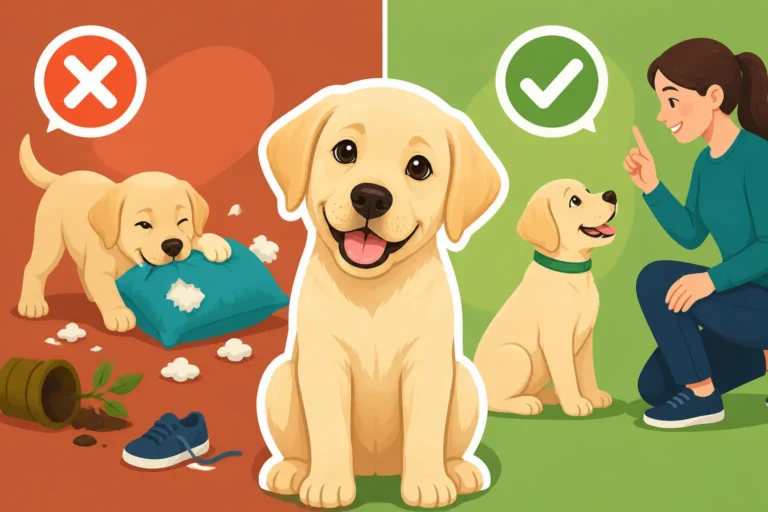
- Repeat, Repeat, Repeat: Every single time the puppy starts to nip at a person, immediately redirect to a toy. The puppy needs to learn, "Hands are for petting, toys are for chewing." Having a designated "chew basket" within easy reach in every room where the puppy spends time can make this redirection seamless. For some great options, check out Toys That Satisfy a Teething Labrador.
The "Yelp" or "Ouch!" Technique
This technique mimics how puppies learn from their littermates. When one puppy bites too hard, another will let out a loud, high-pitched yelp. This usually startles the biting puppy and causes them to back off, realizing they've crossed a line.
Here’s how to use it:
- Immediate, High-Pitched Sound: The instant your puppy's teeth touch human skin (especially if it hurts!), let out a sudden, sharp, high-pitched "Yelp!" or "Ouch!" It needs to sound authentic, like you've genuinely been hurt.
- Withdraw Attention: Immediately after the yelp, follow up with the "freeze and ignore" method. Turn away, cross your arms, and completely stop interacting with the puppy for about ten seconds.
- Re-engage (or not): Once the puppy has calmed down and disengaged, you can calmly re-engage, perhaps by tossing a toy for them to chase, or by offering a gentle pat if they remain settled.
Important Caveat: Some Labrador puppies, especially those with high prey drive or a very playful nature, might get more excited by the yelp. They might interpret it as an invitation to a more intense game, like you're squealing with delight. If your puppy responds by becoming more energetic, lunging, or biting harder, stop using this method immediately. It's counterproductive for those specific personalities. In such cases, stick strictly to the "freeze and ignore" and redirection techniques. For more things to avoid, see What Not to Do When a Labrador Puppy Bites.
Long-Term Solutions and Prevention
Stopping the immediate nipping is only part of the battle. For lasting success, you need to implement a comprehensive strategy that teaches your Labrador puppy appropriate behavior and provides them with healthy outlets for their energy and natural instincts. This is about shaping a well-mannered family companion.
Teaching Children How to Interact Safely
This might be the most challenging, yet crucial, aspect of managing puppy nipping with children. Kids are often excited, loud, and unpredictable, which can inadvertently provoke a puppy's mouthy behavior. It's not fair to expect the puppy to understand if the human half of the equation isn't also taught appropriate boundaries.
- Non-Negotiable Supervision: Never, ever leave a puppy unsupervised with small children. Even the most well-behaved puppy can accidentally knock over a child, or a child might unknowingly provoke a bite. An adult needs to be present and actively engaged in guiding interactions.
- The "Tree Stump" Rule for Kids: Reiterate the "freeze and ignore" rule with your children. Teach them to stand perfectly still, hands tucked in, and look away the moment the puppy starts to nip. Practice this with them in low-stress situations. Make it a game!
- Avoid Provocative Games: Certain games, while seemingly innocent, can encourage nipping. This includes wrestling, running away screaming (which can activate a puppy's chase instinct), waving fingers or toes, or pulling on the puppy’s ears or tail. Teach children to play with appropriate toys, keeping hands and feet out of the puppy’s mouth.
- Gentle Petting and Body Language: Teach children how to pet a dog gently (stroke along the back, not grab at the head or face). Explain a dog's body language: "If the puppy looks away, that means they want space. If they look sleepy, let them rest." This helps children respect the puppy's boundaries and prevent overstimulation. You can get more insights on this in Introducing a Labrador to Children.
- Puppy's Safe Space: Ensure the puppy has a safe, quiet space (like a crate or a bed in a designated area) where children are not allowed to disturb them. This gives the puppy an essential break from interaction.
Ensuring Sufficient Exercise and Mental Stimulation
A bored or under-exercised Labrador puppy is a destructive and mouthy Labrador puppy. These dogs are intelligent, energetic, and thrive on having a "job" to do. If they don't get enough physical and mental outlets, they will invent their own, and often, those involve chewing on things (or people) they shouldn't.
- Age-Appropriate Physical Exercise: While you can't run a young Labrador puppy for miles, they need regular, structured play sessions. This could be short walks (five minutes per month of age is a good general guideline), fetch in the yard, or games with a flirt pole. The goal is to burn off excess energy without over-stressing their developing joints. Remember, Labradors mature slowly.
- Mental Stimulation is Key: Physical exercise alone isn't enough for a smart Labrador. Incorporate mental games into their routine. Puzzle feeders are fantastic for making them work for their meals, slowing down their eating, and engaging their brains. Scent games (hiding treats for them to find) are also wonderful for channeling their natural scenting abilities. Mental Work for a Bored Labrador offers great ideas for keeping your pup's brain engaged.
- Short, Frequent Training Sessions: Labradors love to learn! Engage in multiple short (5-10 minute) training sessions throughout the day. Basic obedience commands like "sit," "stay," "down," "come," "leave it," and "drop it" not only build good manners but also provide crucial mental stimulation. Teaching your puppy to Teaching a Labrador to Drop It Reliably is especially vital when they have something inappropriate in their mouth.
A well-exercised and mentally tired puppy is a much calmer and less mouthy puppy.
Consistent Training and Socialization
Training is not just about teaching commands; it's about building a common language with your dog and fostering a strong bond. Socialization is about exposing your puppy to the world in a positive way, helping them grow into a confident, well-adjusted adult.
- Puppy Classes are a Game Changer: Enrolling your Labrador puppy in a well-run puppy socialization class is one of the best investments you can make. These classes provide safe, structured opportunities for puppies to interact with other puppies (learning bite inhibition from their peers) and new people. They also teach you, the owner, how to effectively communicate with and train your puppy.
- Focus on Bite Inhibition: Puppy classes often specifically address bite inhibition, helping you reinforce the "soft mouth" your Labrador is famous for. They also expose puppies to different textures and sensations, making them more resilient.
- Basic Obedience Commands: Work consistently on commands like "sit," "stay," "come," and especially "leave it" and "drop it." These commands are invaluable for managing a puppy's impulse control around children and objects. Short, frequent sessions (5-minute bursts) work best for a puppy's limited attention span. Learn more about effective training durations in Short Training Sessions That Suit a Labrador.
- Broad Socialization: Beyond puppy class, continue to expose your Labrador puppy to a variety of sights, sounds, people (of all ages and sizes!), and environments. Do this gradually and positively, ensuring each new experience is pleasant for the puppy. A well-socialized puppy is less likely to react with fear or overexcitement, both of which can lead to nipping. A good resource for ensuring comprehensive exposure is A Socialization Checklist for a Labrador Puppy.
- Utilize Online Resources: If in-person classes aren't feasible, high-quality online training programs can be incredibly helpful. Companies like BAXTER & Bella offer comprehensive online puppy training programs that guide you through socialization, obedience, and problem behaviors like nipping, all from the comfort of your home. This can provide the consistent, structured approach you need.
| Situation | Inappropriate Response to Nipping | Appropriate Response to Nipping | Why it Works |
|---|---|---|---|
| Puppy nips hand/foot | Jerk hand away, scream, run, push puppy away | "Yelp!" then immediately freeze and ignore for 10 sec | Puppy learns biting makes fun (attention) stop; mimics littermate feedback |
| Puppy grabs clothing | Pull clothing away, scold, wrestle puppy for item | Stand still ("tree stump"), ignore, offer suitable toy | Removes reward (game of tug), redirects natural urge to chew to proper item |
| Puppy gets overexcited | Continue play, roughhouse, allow frantic jumping | End play session, have puppy settle, use "off" command | Teaches puppy that calm behavior earns continued interaction |
| Puppy mouths child | Child runs away screaming, parent chastises puppy | Child freezes, parent redirects puppy to a toy or crate | Child learns safe reaction; puppy learns good chew items; prevents escalation |
When to Seek Professional Help
While most Labrador puppy nipping is a normal, phase-related behavior that can be managed with consistent training and management, there are times when it’s best to call in a professional. Don't feel ashamed or embarrassed if you reach this point; it's a responsible step towards ensuring your dog's future well-being and your family's safety.
Signs That Nipping is Escalating
You should consider seeking professional guidance if you observe any of the following signs:
- Increased Intensity or Frequency: The nipping isn't just occasional mouthing but is becoming harder, more painful, and more frequent, despite your consistent efforts with the techniques above.
- Persistent Targeting of Children: If the puppy seems to exclusively target children, ignoring adults or behaving differently around them. This could indicate a deeper issue related to how the puppy perceives children.
- Growling or Snapping: Any growling, snarling, or actual snapping (even air snapping) that accompanies the nipping, especially if it’s directed at people. This moves beyond playful nipping and into concerning territory.
- Resource Guarding: The puppy shows signs of guarding toys, food, or even specific spots from children (or anyone) with growling, stiffness, or aggressive displays. This is a serious behavior that needs immediate professional intervention.
- Lack of Progress: You've been diligently applying all the recommended strategies for several weeks, and you're seeing little to no improvement, or the behavior is getting worse.
- Fear-Based Aggression: The puppy nips out of fear, perhaps when approached by children, or if they are startled. Signs might include tucked tail, flattened ears, trembling, followed by a snap or bite.
It’s always better to address these issues sooner rather than later. Puppyhood is the most impressionable time in a dog's life, and habits (good or bad) are formed quickly.
Consulting a Certified Professional Dog Trainer or Behaviorist
If you're seeing any of the escalating signs, or simply feel overwhelmed and unsure how to proceed, don't hesitate to reach out to a professional.
Here’s why and how they can help:
- Expert Assessment: A certified professional dog trainer (CPDT-KA) or, for more complex cases, a certified dog behaviorist (CDBC or a veterinary behaviorist) can assess your specific situation. They can observe your puppy's interactions, evaluate their body language, and help identify any underlying causes for the nipping that you might have missed. They have a deeper understanding of canine behavior and development.
- Tailored Training Plan: They can develop a customized training plan that takes into account your puppy's individual personality, your family dynamics, and your specific challenges. This isn't a one-size-fits-all approach.
- Hands-On Guidance: They can provide hands-on demonstrations and coach you and your children through the techniques, ensuring you're implementing them correctly and consistently. This can be invaluable for refining your timing and approach.
- Addressing Root Causes: If the nipping is rooted in something beyond typical puppy play, like fear, anxiety, or resource guarding, a behaviorist can help address these underlying emotional states with appropriate modification protocols.
- Preventing Future Problems: Early intervention with a professional can prevent minor nipping issues from escalating into more serious behavioral problems as your Labrador grows into a powerful adult.
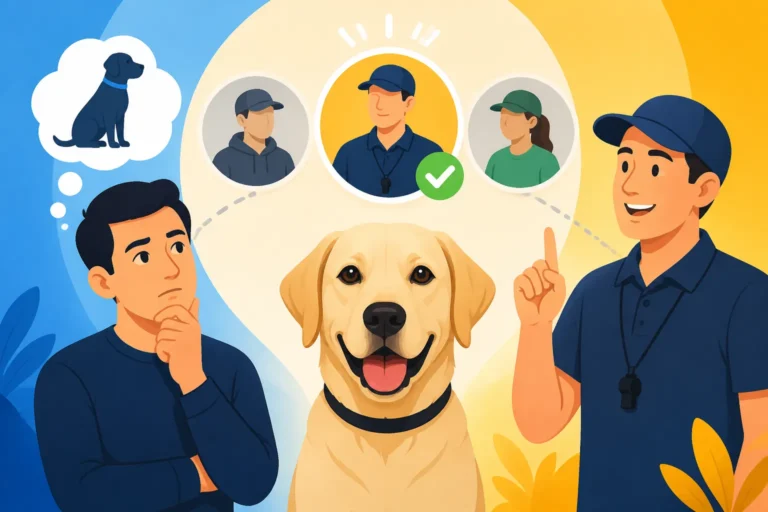
- Finding the Right Professional: Look for trainers who use positive reinforcement methods, focusing on rewarding desired behaviors rather than punishing unwanted ones. Ask about their certifications, experience, and references. You can find more advice on this in Choosing a Trainer for a Labrador.
Remember, seeking professional help is a sign of a responsible pet owner who wants the best for their dog and their family. You're not alone, and there are experts ready to guide you.
Disclaimer
This article is for general informational purposes only and does not constitute professional advice. Laws, prices and regulations vary by location and change over time. Consult a qualified professional for guidance on your specific situation.