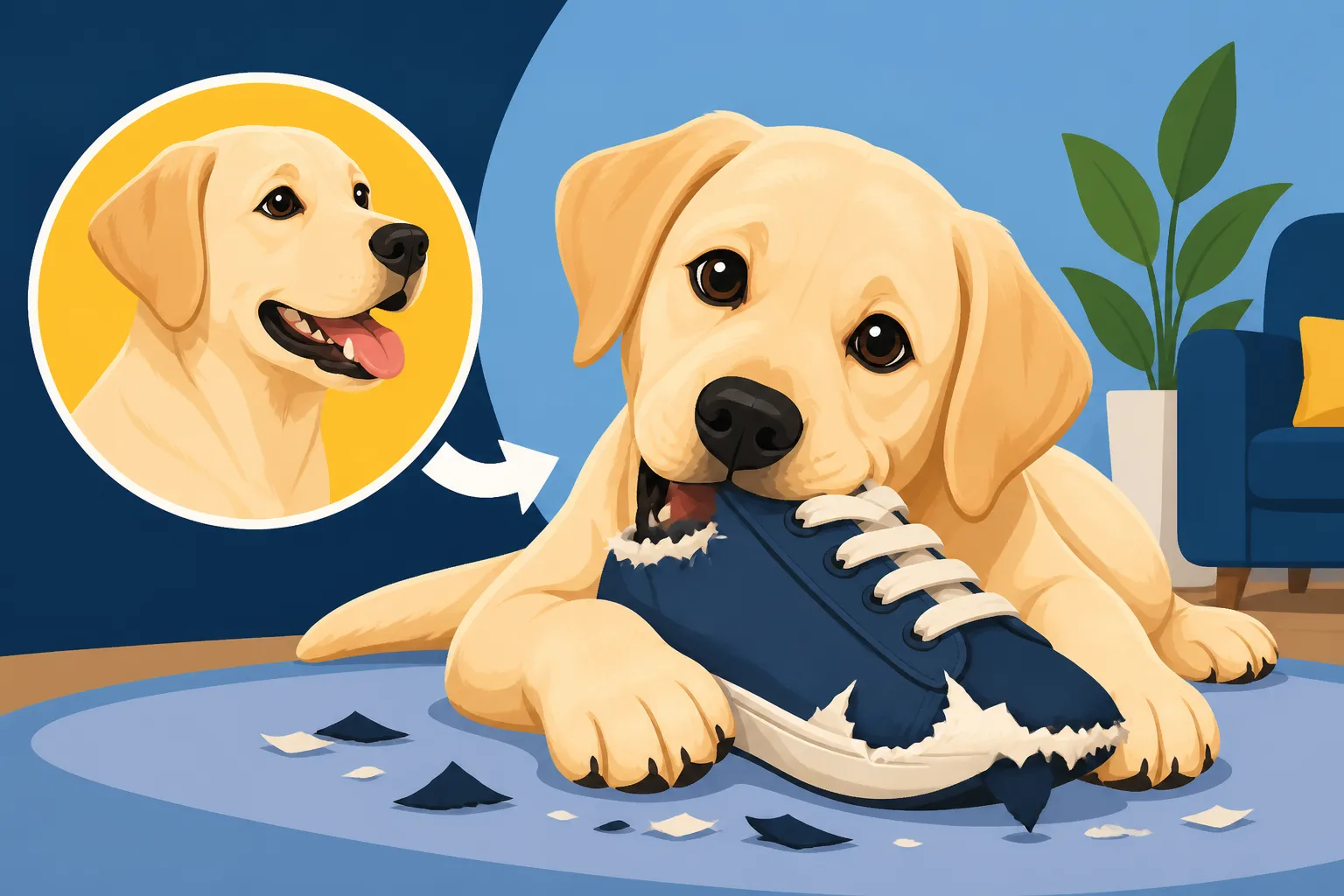
Labrador Chewing at Nine Months
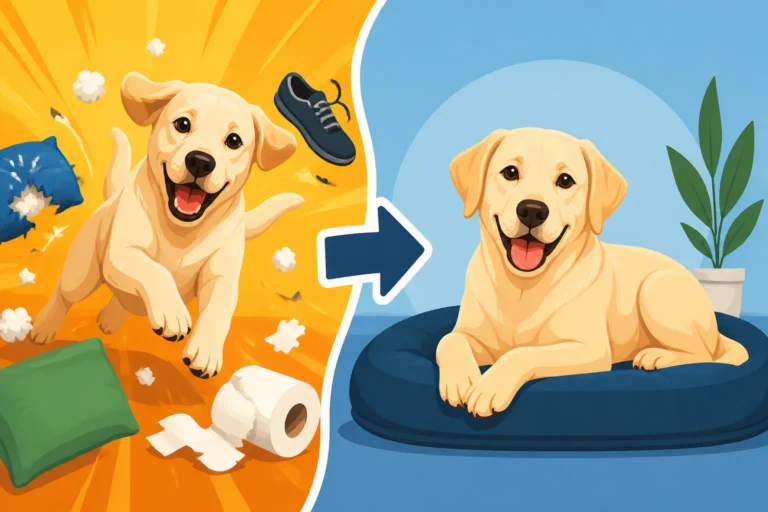
Ah, the nine-month mark! It's that interesting age where your sweet Labrador puppy has transformed into a lanky, energetic teenager who still seems determined to chew through everything in sight. You might be feeling a bit exasperated, wondering why this "puppy chewing" phase hasn't quite ended, and fearing your furniture's demise. This guide is here to help you understand why your adolescent Labrador is still chewing so vigorously and, more importantly, what you can do about it.
Why Your Nine-Month-Old Labrador is Still Chewing Everything
It's easy to look at a nine-month-old Labrador, who is practically an adult in size, and assume they should be past the relentless chewing stage. After all, their permanent teeth are in, right? Well, yes, but the urge to chew often persists, and for a combination of reasons that are completely normal for a growing Labrador. Think of it less as "puppy chewing" and more as "adolescent exploration and problem-solving."
The Lingering Urge: Teething, Exploration, and Growth
While the acute pain of new teeth erupting is mostly over by nine months, the need to chew remains a strong instinct. Those adult teeth are settling into their final positions, and the gums can still feel a bit sensitive or just "itchy." Beyond physical discomfort, chewing is a primary way Labradors, especially at this curious age, explore their world. They use their mouths to investigate textures, tastes, and learn about objects. A nine-month-old Labrador is brimming with energy and curiosity, and if left without appropriate outlets, they’ll create their own, often at the expense of your favorite armchair. This age is a real test of patience, as you might have thought you were done with this particular battle, only to find it resurfacing with renewed vigor. It’s part of Labrador Chewing Through Adolescence, a phase that can feel never-ending.
Boredom and Excess Energy: The Classic Labrador Conundrum
Labradors, particularly at nine months, are energetic powerhouses. They're past the napping-every-two-hours stage and demand significant physical and mental stimulation. If your Labrador isn't getting enough exercise or mental challenges, that pent-up energy and boredom have to go somewhere. Chewing is a fantastic stress reliever and boredom buster for dogs. Imagine being stuck in a room with nothing to do – you'd probably start fiddling with things, right? For a Labrador, "fiddling with things" often means gnawing on chair legs, tearing up rugs, or even digging into drywall. They're not being malicious; they're simply finding an activity to occupy their powerful jaws and intelligent minds. This is especially true if you have a field-line Labrador, whose drive is often higher.
Anxiety and Stress: When Chewing Becomes a Coping Mechanism
Sometimes, chewing isn't just about boredom or exploration; it can be a sign of underlying anxiety or stress. A nine-month-old Labrador is still navigating the world, and new experiences, changes in routine, or being left alone for too long can trigger unease. Separation anxiety can manifest as destructive chewing, often focused on exits like doors or window sills. Loud noises, unfamiliar visitors, or even a sudden change in their environment can lead a Labrador to self-soothe by chewing. It's their way of releasing tension, much like how some people bite their nails. It’s vital to observe when the chewing occurs. Is it only when you leave? Is it after a stressful event? Understanding the trigger can help you address the root cause, rather than just the symptom. If you suspect separation anxiety, exploring resources on Separation Anxiety in Labrador Retrievers could be very beneficial.
Effective Strategies for Managing Adolescent Labrador Chewing
Okay, so we understand why they're doing it. Now, what's the game plan? The key to managing chewing in a nine-month-old Labrador is a multi-pronged approach: redirecting the behavior, providing appropriate outlets, and managing their environment. It’s about teaching them what to chew, not just what not to chew.
Provide Appropriate and Engaging Chews
This is perhaps the most critical step. Your Labrador needs things they are allowed to chew, and those things need to be more appealing than your furniture. Not all chew toys are created equal, especially for a powerful Labrador jaw. Look for durable, long-lasting options that can withstand a serious gnawing session.
| Chew Toy Type | Description | Benefits | Considerations |
|---|---|---|---|
| Rubber Toys | Such as KONGs, often hollow for stuffing with treats. | Durable, provides mental stimulation with food puzzles, bounces. | Can be destroyed by extreme chewers; regular cleaning needed if stuffed. |
| Nylon Chews | Brands like Nylabone or Benebone, often shaped like bones or sticks. | Extremely durable, satisfying texture, long-lasting. | Can be hard on teeth if dog chews too aggressively; monitor for sharp edges. |
| Edible Chews | Dental chews, bully sticks, yak chews, natural bones (raw, appropriate). | Highly motivating, satisfying, provides dental benefits. | Can be consumed quickly, may be high in calories, some carry choking risks. Always supervise. |
| Rope Toys | Braided cotton or synthetic rope. | Great for tugging, can help clean teeth. | Not for unsupervised chewing as ingested strands can cause blockages. |
Rotate these toys regularly to keep things fresh and exciting. If they always have access to the same few items, they'll quickly lose interest. Bringing out a "new" toy every few days can reignite their chewing enthusiasm for the right things. Many owners find a great selection of these on platforms like Amazon, where reviews can guide you to truly durable options. Remember, even the best toys are only effective if your Labrador is actually using them.
Master Redirection and Environmental Management
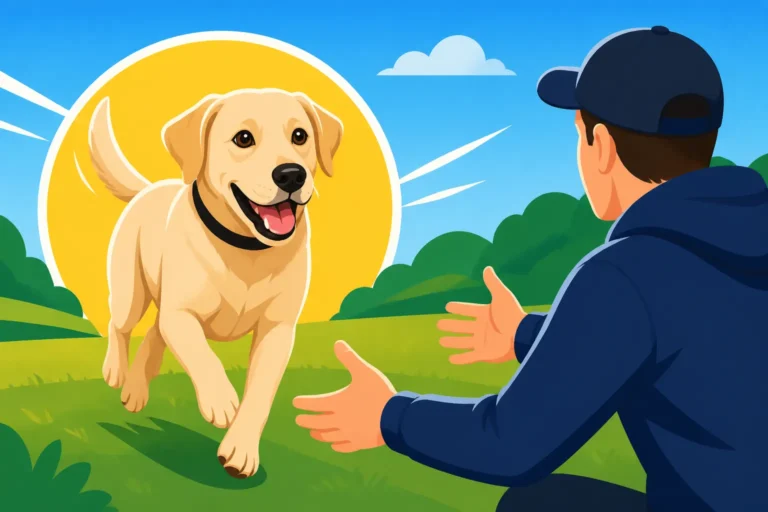
When you catch your Labrador chewing something inappropriate, don't scold them harshly. Instead, calmly interrupt the behavior and immediately redirect them to an appropriate chew toy. Praise them enthusiastically when they start chewing on the correct item. Consistency is key here.
Environmental management is just as important. If you know your Labrador loves to chew on shoe laces or remote controls, then those items need to be out of reach. Think of it as "Labrador-proofing" your home. Put away shoes, secure cabinet doors, and keep valuable items off low surfaces. When you can't actively supervise, using a crate or a puppy-proofed room can be incredibly helpful. Crate Training a Labrador Puppy can be a lifesaver during this adolescent phase, ensuring both their safety and the integrity of your belongings. For specific concerns like countertop items, you might want to review Stopping a Labrador Counter Surfing for Good.
Boost Exercise and Mental Stimulation
A tired Labrador is a good Labrador, and a mentally stimulated Labrador is often a less destructive one. Nine-month-olds need a lot of physical activity. This isn't just a quick walk around the block; it's vigorous play, fetch, swimming, or long hikes. Aim for at least 60-90 minutes of dedicated exercise daily, broken into sessions. Check out Daily Walk Length for a Labrador for more ideas.
Beyond physical exertion, mental stimulation is crucial. Labradors are smart, and their brains need a workout too!
- Puzzle Feeders: Instead of just putting their kibble in a bowl, use puzzle feeders or snuffle mats to make them "work" for their food. This tires them out mentally and satisfies their natural foraging instincts. Puzzle Feeders That Slow a Greedy Labrador offers some great suggestions.
- Training Sessions: Even if your Labrador knows basic commands, continue practicing and teaching new tricks. Short, fun training sessions throughout the day can engage their minds.
- Scent Work: Hide treats around the house or yard and let your Labrador use their incredible nose to find them. This is a wonderfully enriching activity that truly engages them. You can find more ideas on Mental Work for a Bored Labrador.
When to Seek Professional Help for Excessive Chewing
Most adolescent Labrador chewing is a normal, albeit frustrating, phase that can be managed with consistent training and proper outlets. However, there are times when the chewing goes beyond typical adolescent behavior and may warrant professional intervention. It’s important to know the difference.
Distinguishing Normal Chewing From Problem Behavior
"Normal" chewing, even if it feels excessive, usually responds to the strategies mentioned above. It might be annoying, but it's typically not destructive to the point of self-harm, nor is it the only coping mechanism your dog uses for stress. Problem chewing, on the other hand, often presents with a few red flags:
- Obsessive Chewing: Your Labrador seems fixated on chewing, to the exclusion of other activities or without being able to be easily redirected.
- Self-Mutilation: Chewing on their own paws, tail, or other body parts to the point of causing injury. This is a strong indicator of significant stress or underlying medical issues.
- Chewing Through Inedible, Dangerous Objects: While Labradors are notorious for eating socks (you might recall Why Labradors Steal and Swallow Things), if they are consistently consuming things that could cause impaction or poisoning, it's a serious concern that goes beyond typical chewing.
- Chewing Driven by Extreme Anxiety: If the chewing is accompanied by other signs of distress like excessive panting, drooling, pacing, vocalization, or house soiling, especially when left alone, it points towards significant anxiety that needs a professional approach.
- Lack of Response to Management: If you've diligently applied all the redirection, exercise, and enrichment strategies for several weeks, and the destructive chewing shows no improvement, it's time to consider getting an expert involved.
Consulting a Vet or Certified Professional Dog Trainer
If you notice any of the "problem behavior" signs, your first call should be to your veterinarian. They can rule out any underlying medical issues that might be contributing to the chewing, such as dental pain, gastrointestinal discomfort, or nutritional deficiencies. Once physical health is cleared, a certified professional dog trainer or a veterinary behaviorist can be an invaluable resource.
A certified professional dog trainer can assess your Labrador's specific situation, help identify triggers, and develop a tailored behavior modification plan. They can teach you more advanced redirection techniques, enrichment strategies, and work with you on addressing any anxiety components. For more complex cases, especially those with severe separation anxiety or aggression related to resource guarding (chewing a valued item and not wanting to give it up), a veterinary behaviorist has specialized medical and behavioral training to provide comprehensive diagnostics and treatment, including medication if necessary. Remember, seeking help early can prevent habits from becoming deeply ingrained and more challenging to resolve later on. Online platforms like BAXTER & Bella also offer guided training programs that can be incredibly helpful for owners navigating these challenging adolescent behaviors, providing structured support from the comfort of your home.
Long-Term Prevention and Management of Labrador Chewing
Managing a nine-month-old Labrador's chewing isn't just about damage control; it's about building good habits that will last their lifetime. Consistency, patience, and a deep understanding of your Labrador's needs are your best tools.
Consistent Training and Reinforcement
The adolescent phase is often when owners feel like their Labrador has "forgotten" everything they learned as a puppy. This isn't true; they're simply testing boundaries and seeing what they can get away with. Now is not the time to slack off on training.
- Reinforce Basic Commands: Continue practicing "Leave It," "Drop It," and "Go to Your Place." These commands are incredibly useful for managing inappropriate chewing. When your Labrador picks up something they shouldn't, a calm "Drop It" can save the day. For more on this, check out Teaching a Labrador to Drop It Reliably.
- Positive Reinforcement: Always reward your Labrador when you see them chewing on an appropriate toy. This reinforces the idea that chewing that item earns praise and perhaps even an extra treat. Catch them being good!
- Structured Play: Incorporate play into your routine that satisfies their retrieving drive without encouraging destructive chewing. Games of fetch, hide-and-seek with toys, or even just carrying a designated toy around the house can be great outlets.
Ensuring Adequate Exercise and Mental Stimulation
As your Labrador grows, their exercise needs will evolve. What was enough at six months might not be enough at nine months or a year. Continue to provide ample opportunities for both physical activity and mental engagement.
- Variety in Exercise: Don't just do the same walk every day. Explore new trails, visit different dog parks, incorporate swimming (a favorite for many Labradors), or try a dog sport like agility or rally obedience. Variety keeps them engaged and prevents boredom.
- Ongoing Mental Challenges: Continue using puzzle toys, engaging in scent work, and teaching new tricks. Even simple obedience drills like practicing stays or heeling in different environments count as mental exercise. Consider enrolling in an advanced obedience class or a fun tricks class to keep their minds sharp and focused.
- Alone Time Preparedness: Gradually increase the time your Labrador spends alone, ensuring they have appropriate chew toys and puzzle feeders to occupy themselves. Building up Building Alone-Time Tolerance in a Labrador Puppy is crucial for preventing separation-related destructive behaviors.
By proactively addressing the roots of chewing—whether it's residual teething discomfort, boundless energy, or anxiety—and providing clear, consistent guidance, you can navigate this challenging adolescent phase. Your nine-month-old Labrador isn't out to destroy your home; they're just trying to figure out their world with the tools they have: their magnificent, powerful mouths. With your help, they'll learn to use them wisely.
Disclaimer
This article is for general informational purposes only and does not constitute professional advice. Laws, prices and regulations vary by location and change over time. Consult a qualified professional for guidance on your specific situation.