Labradors That Are Wary of Deep Water
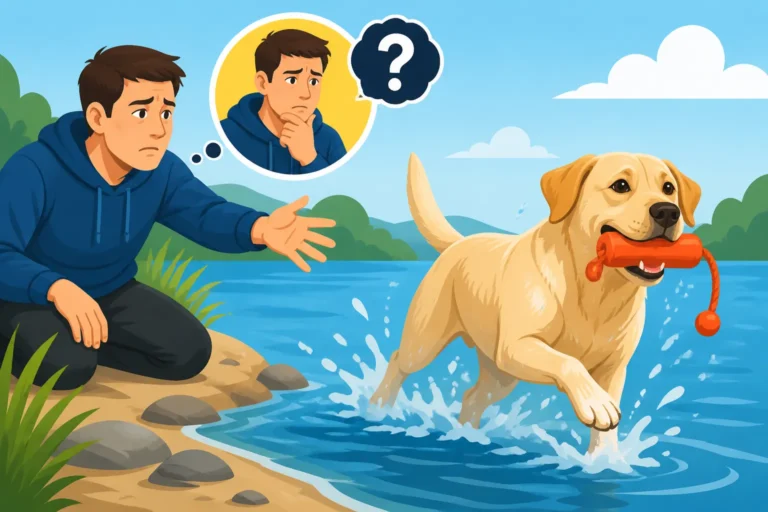
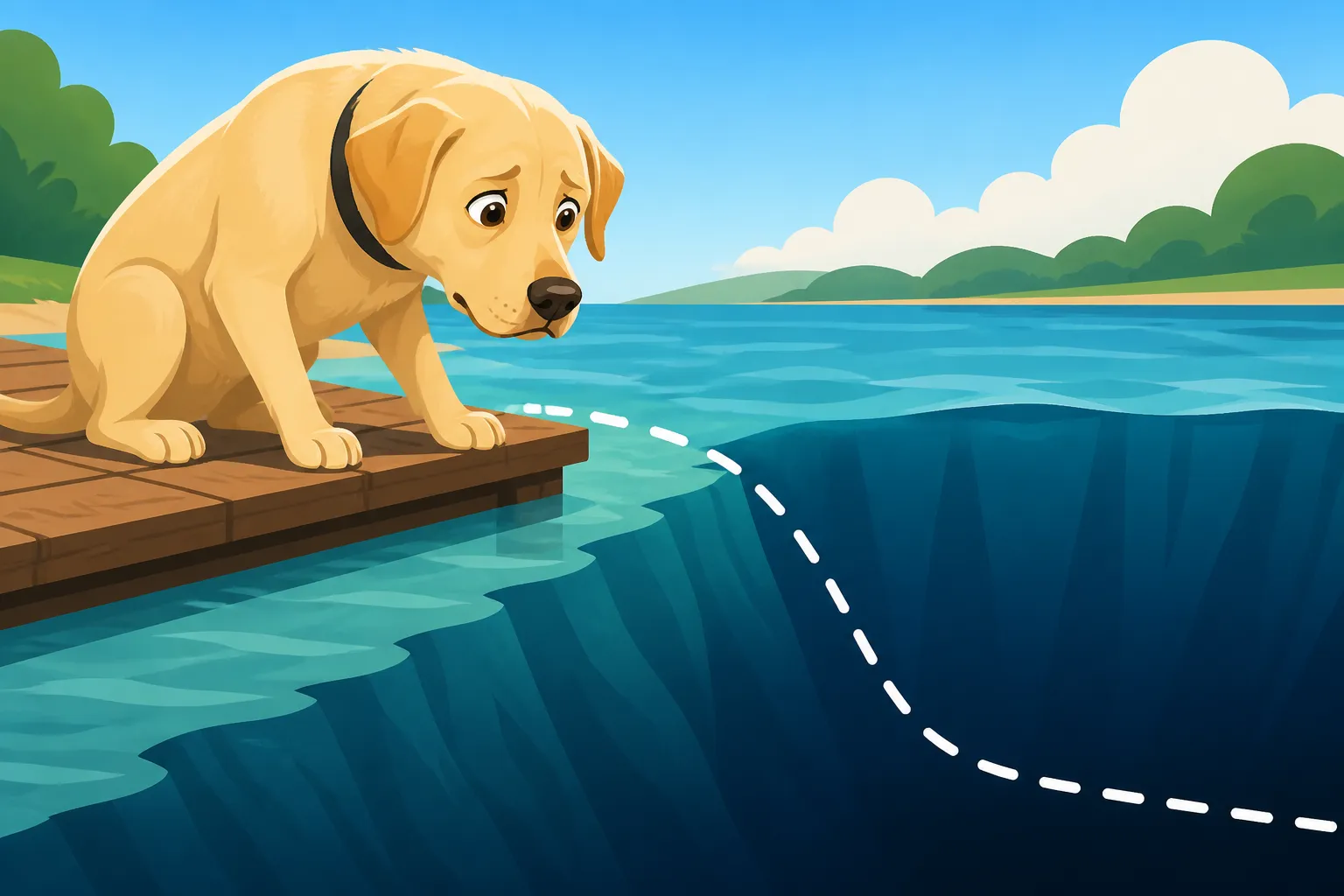
It can be truly bewildering and even a little disheartening when you bring home a Labrador Retriever, a breed famed for its love of water, only to discover your furry friend eye-balls the local pond or even a deeper kiddie pool with suspicion. You might feel like you've done something wrong or that your Lab is somehow "broken," but the truth is, not every Labrador is born a champion swimmer, and some actually develop a genuine apprehension toward deep water. This guide aims to unpack why some Labradors are wary of deep water and provide compassionate, practical strategies to help your dog build confidence, or at least coexist peacefully with aquatic environments.
Understanding Why Some Labradors Hesitate with Deep Water
The image of a Labrador gleefully leaping into a lake is so ingrained in our minds that it's easy to assume it's universal. However, just like people, dogs have individual personalities, past experiences, and even genetic predispositions that can influence their comfort levels with different environments, including water. It’s not a reflection on you or your dog if they don’t immediately take to the depths.
Lack of Early Exposure or Negative First Experiences
Many Labradors who show wariness around water simply haven't had the right kind of introduction. A puppy's socialization window is crucial, and if they weren't exposed to water in a positive, gentle way during this time, they might view it with caution later on. Imagine a young puppy, perhaps eight or nine weeks old, being tossed into a pool or having an unexpected fall into deep water. That single traumatic event can create a lasting fear, associating water with panic and danger rather than fun. They might have been overwhelmed by cold water, a strong current, or simply the sensation of losing their footing.
Even without a dramatic event, a lack of early, positive exposure can leave a Labrador feeling uncertain. If their first experiences with water are limited to a shallow kiddie pool or a bath, and then suddenly they're at a large lake, the sheer scale and depth can be intimidating. They haven't learned to trust the water, or their own abilities within it, and that can manifest as hesitation or outright fear.
Genetic Predisposition and Personality Quirks
While Labradors as a breed are generally known for their retrieving drive and affinity for water, individual genetic lines and personalities can certainly vary. Just as some Labs are more prone to certain health conditions like Labrador Hip and Elbow Dysplasia or Exercise-Induced Collapse in Labrador Retrievers, some may simply not have the inherent "water dog" gene as strongly as others. Some Labradors are naturally more cautious, sensitive, or less adventurous than their boisterous breed-mates. These personality traits can translate into a natural apprehension about new or overwhelming experiences, and deep water certainly qualifies as a big, sensory experience for a dog.
Think about two puppies from the same litter: one might charge headfirst into every new situation, while the other hangs back, observing. This innate difference in temperament can profoundly affect how they react to something like a large body of water. It's not a flaw; it's just part of who they are, and understanding this can help you approach their training with more empathy and patience.
Recognizing Signs of Water Aversion in Your Labrador
Before you try to encourage your Labrador into the water, it's vital to be able to read their body language. Pushing a fearful dog past their comfort zone can be counterproductive and even dangerous, potentially exacerbating their fear. Labradors are often stoic, so their signs of discomfort can be subtle.
Subtle Cues of Discomfort or Fear
Your Labrador might not be shaking or cowering to show they're uncomfortable. Often, their signals are much more nuanced. Look for things like a stiff body posture, especially around their shoulders and tail, rather than a loose, wiggly enthusiasm. Their ears might be pulled back slightly, or their eyes might show "whale eye," where you see the whites on the edges. A dog who is wary might also avoid making eye contact with you when you try to coax them towards the water.
They might engage in displacement behaviors – things like sniffing the ground intently, suddenly needing to scratch an itch, or excessively licking their lips, even if they haven't just eaten. These are their ways of coping with stress and trying to appear unconcerned, or signalling to you that they're not happy in the situation. A Labrador that loves water will usually be focused on the water, excited, possibly vocalizing or performing play bows. One who is unsure will try to divert attention elsewhere.
Escalating Avoidance Behaviors
If the subtle cues are ignored, your Labrador's avoidance will likely escalate. They might actively pull away on the leash, dig their heels in, or try to turn and walk in the opposite direction. Some might even try to climb on you for comfort or protection when you approach the water's edge. This isn't stubbornness; it's a clear communication of their fear.
In more extreme cases, a truly fearful Labrador might whine, whimper, or even let out a small bark of protest. They might tuck their tail tightly between their legs, flatten their body, or try to dart away if you get too close to the water. Understanding these signals is key to knowing when to back off and when you can gently encourage them. Remember, patience is paramount, especially if you're working with a dog that has had a negative experience in the past. Reading Pain in a Stoic Labrador can give you more insights into how Labradors communicate discomfort, even when it's not physical pain.
| Behavior | Sign of Comfort | Sign of Discomfort |
|---|---|---|
| Tail Posture | High, wagging, loose | Low, tucked, stiff |
| Body Language | Loose, wiggly, forward leaning | Stiff, rigid, leaning away |
| Ear Position | Relaxed, natural | Pulled back, flattened |
| Eye Contact | Engaged, bright, looking at water | Avoiding, "whale eye," wide pupils |
| Panting/Licking | Normal, excited | Excessive, rapid, lip-licking |
| Vocalization | Excited barks/whimpers, none | Low growls, whines, protests |
| Movement | Enthusiastic, bouncy, splashes | Hesitant, reluctant, pulls back |
Gentle Strategies for Building Water Confidence
The goal here isn't to force your Labrador to love deep water, but to help them feel safe and comfortable around it. Think of it as building trust, one tiny step at a time. This process requires immense patience and positive reinforcement.
Start Small and Keep it Positive
Forget the deep end for now. Begin in the shallowest of waters, like a tiny puddle, a very shallow stream, or a kiddie pool with just an inch or two of water. The key is to make every interaction overwhelmingly positive. Bring their absolute favorite, high-value treats and toys. Toss a toy just barely into the water, so they can easily retrieve it without having to get their paws wet beyond a splash. Treats That Motivate a Food-Driven Labrador are essential here.
If they just dip a paw in, celebrate like they've won the lottery! Use happy, encouraging tones. If they retrieve a toy from the shallow water, give them a jackpot of treats and praise. Never force them or drag them into the water. The choice should always feel like theirs. Keep sessions short, fun, and always end on a positive note, even if it's just a quick treat after approaching the water's edge. This builds a positive association: water equals good things and fun.
Gradually Increase Exposure with Support
Once your Labrador is happy in ankle-deep water, you can slowly, incrementally increase the depth. Look for a gently sloping beach or a dog park with a very gradual entry into the water. Walk into the water yourself, just a little deeper than they're comfortable, and encourage them to come to you with their favorite toy or treat. Having you in the water can be incredibly reassuring.
Consider using a long line for safety and gentle guidance, especially if you're near slightly deeper water, but avoid using it to drag them. The idea is to allow them to explore at their own pace. If they have a beloved floating toy, throw it a tiny bit further each time, gradually increasing the distance and depth. For some Labradors, a Life Jackets for a Labrador in Open Water can provide a sense of security, buoyancy, and warmth, making them feel more confident. You can find excellent options on Amazon that are specifically designed for dogs and offer great flotation.
Some dogs, especially those who were hesitant due to a bad experience, might benefit from structured confidence-building exercises. Programs like those offered by BAXTER & Bella often include modules on desensitization and positive association for various challenging environments, which could be adapted for water. They emphasize building a strong bond and clear communication, which are crucial when tackling fear.
Consider a Companion or a Professional
Sometimes, seeing another confident, happy dog enjoying the water can be a huge motivator for a wary Labrador. If you have a friend with a water-loving dog, a supervised playdate at a shallow, safe water spot might work wonders. The social facilitation of seeing a peer having fun can often override a dog's own inhibitions. Just make sure the other dog isn't overly boisterous or pushy around your hesitant Lab.
If you're still struggling, don't hesitate to seek help from a professional dog trainer or behaviorist who specializes in positive reinforcement. They can assess your Labrador's specific fears and develop a tailored plan. Sometimes, an outside perspective and expert guidance can make all the difference, especially if the fear is deep-seated or stems from trauma. They might employ specific techniques like counter-conditioning or desensitization to gradually change your dog's emotional response to water.
Equipping Your Labrador for Water Safety and Fun
Whether your Labrador becomes a water fanatic or just learns to tolerate shallow dips, certain gear can enhance safety and comfort. It's about making the experience as positive and low-stress as possible.
Essential Water Gear
A high-quality dog life jacket is non-negotiable, especially when introducing a wary Labrador to deeper water. Even strong swimmers can get tired, caught in currents, or disoriented. A life jacket provides crucial buoyancy, making them feel more secure and allowing them to focus on paddling rather than staying afloat. Look for one with a strong handle on the back, so you can easily assist them in and out of the water, and bright colors for visibility. Amazon offers a wide selection of durable, well-fitting life vests that cater to different dog sizes and needs.
Floating toys are another must-have. Choose toys that are highly visible in water, easy for your Labrador to grasp, and durable enough to withstand their enthusiastic retrieving. Chuckit! brand balls and bumpers are popular choices that float well. Having a fun toy that they desperately want can be a powerful incentive to get their paws wet, even if it's just for a moment.
After-Swim Care for Comfort
Even if your Labrador is just dipping their toes in, proper after-swim care is important for their overall comfort and health. Labradors are prone to ear infections, especially after swimming, due to their floppy ears trapping moisture. Always thoroughly dry your Labrador's ears after any water activity. Drying a Labrador's Ears After the Lake is a crucial step to prevent painful issues. You can use cotton balls or a soft towel and a vet-approved ear cleaning solution if recommended.
A quick rinse with fresh water after swimming in lakes, rivers, or especially chlorinated pools can also help prevent skin irritation. Then, towel-dry their coat thoroughly. Some Labradors can get "limber tail" (also known as cold tail or swimmer's tail) after intense swimming or exposure to cold water, which is a painful condition affecting the base of the tail. Keeping them warm and dry afterwards can help minimize this risk.
Accepting Your Labrador's Water Preferences
Ultimately, your Labrador is an individual, and while we often have expectations based on breed traits, it's important to honor who they are. Not every Labrador will be a competitive dock diver, and that's perfectly okay.
When to Prioritize Comfort Over "Conformity"
If, after consistent, patient, and positive efforts, your Labrador still shows significant fear or discomfort around deep water, it might be time to accept that it's just not their thing. Forcing them will only create stress, potentially damage your bond, and could even lead to dangerous situations if they panic. Their physical and emotional well-being should always come first.
There are countless other ways to provide mental and physical exercise for your Labrador. They are highly intelligent and love to work, so activities like scent work, obedience training, or long hikes can be just as fulfilling. Mental Work for a Bored Labrador can be incredibly stimulating, and many Labs enjoy the challenge of learning new tricks or participating in rally obedience. You can explore Retrieving Games That Tire a Labrador on land, using flirt poles or long-distance throws, even if water isn't involved.
Alternative Forms of Exercise and Enrichment
A Labrador that prefers dry land can still lead a wonderfully active and enriched life. Long walks, hikes on varied terrain, or vigorous games of fetch in a park can easily meet their exercise needs. Engage them in puzzle toys and feeders to stimulate their minds. Many Labradors excel at agility, canine freestyle, or even therapy work, which are fantastic alternatives to water sports.
Remember, the bond you share with your Labrador is built on trust, understanding, and mutual respect. Celebrating their unique personality, even if it means they're a "dry land Lab," will only strengthen that bond. Focus on what they do enjoy and excel at, and you'll both be happier for it. The goal is a happy, healthy, and confident companion, whether they're splashing in a puddle or snuggled on the couch.
Disclaimer
This article is for general informational purposes only and does not constitute professional advice. Laws, prices and regulations vary by location and change over time. Consult a qualified professional for guidance on your specific situation.