When a Labrador Stops Climbing the Stairs
Few things are as concerning for a Labrador owner as watching their once-boundless companion hesitate, struggle, or outright refuse to tackle the stairs they used to bound up with ease. It's a stark, often heartbreaking sign that something isn't right, leaving you wondering if it's just an off day or something more serious. This comprehensive guide will walk you through the common reasons behind this change, how to observe your Lab for clues, what to expect at the vet, and how you can support your beloved dog through this challenge.
Understanding Why Stairs Become a Challenge
When your Labrador, a breed known for its robust athleticism and enthusiasm, suddenly starts avoiding stairs, it’s a clear signal that something has changed. It’s not usually a behavioral issue, but rather a physical limitation or discomfort. Understanding the nature of this change—whether it’s gradual or sudden—can help you narrow down the possibilities even before a vet visit.
Gradual Changes vs. Sudden Onset
Observing how your Labrador's stair-climbing habits have changed is a crucial first step. Did it happen overnight, or has it been a slow, creeping decline?
A gradual refusal often points to chronic conditions that worsen over time. Perhaps you've noticed your Lab slowing down a bit over the past few months, taking stairs one at a time instead of two, or needing a slight push on their rear end to get started. They might be less enthusiastic about walks or slower to get up after a nap. This type of onset frequently suggests progressive issues like arthritis, which unfortunately is a common ailment for older Labradors. It could also indicate degenerative joint disease, a slowly progressing spinal issue, or simply the general aches and pains that come with aging. When the discomfort builds slowly, your dog gradually adapts by avoiding movements that cause pain, and stairs are high on that list due to the specific movements required.
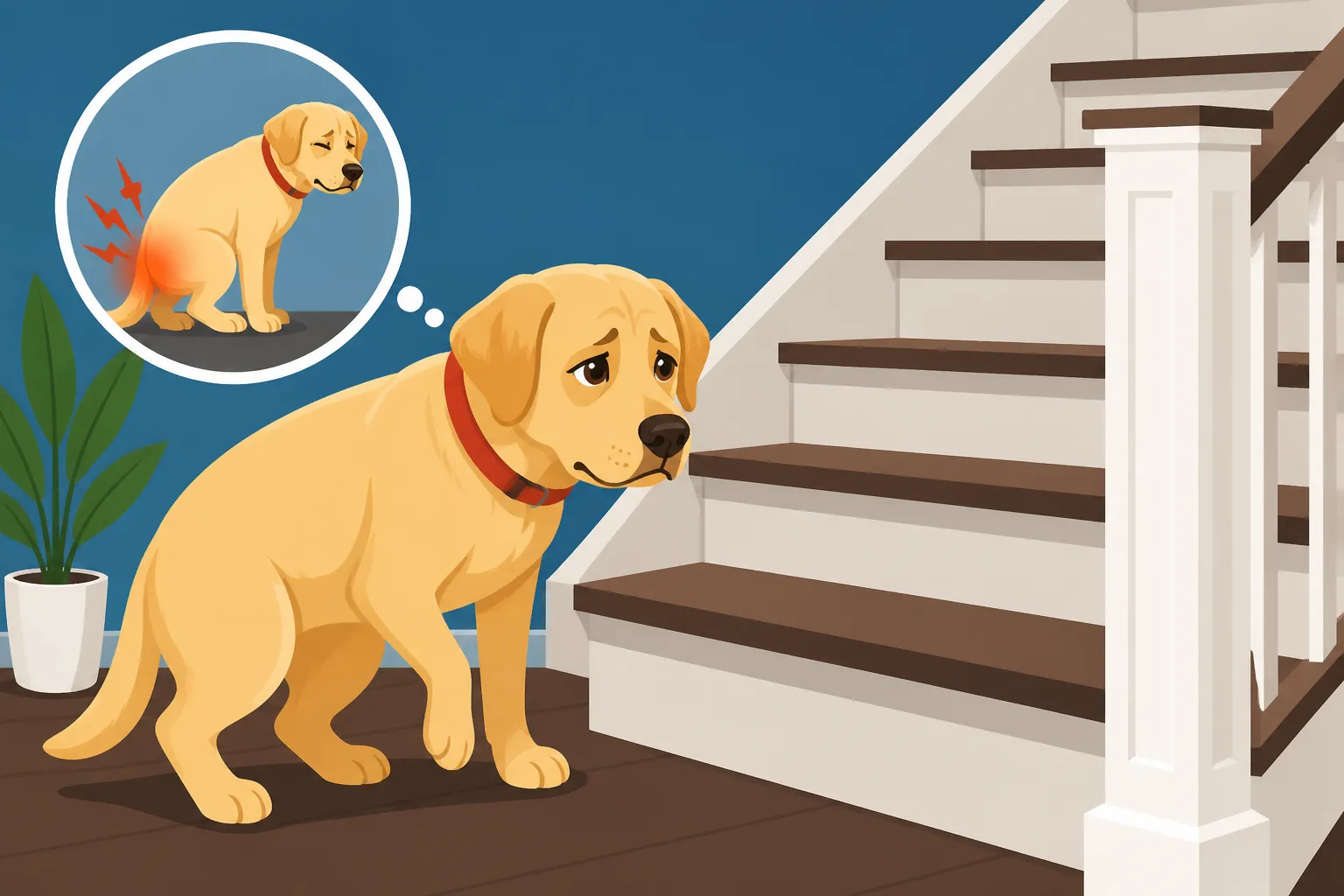
On the other hand, a sudden onset—where your Labrador was fine yesterday but can barely manage a single step today—demands immediate attention. This could signify an acute injury, such as a muscle strain, a pulled ligament, or even something more serious like a fracture, though that's less common for stairs specifically. A sudden refusal might also point to an acute exacerbation of an existing, undiagnosed condition, like a sudden flare-up of pain from a disc problem in their back. Even something as simple as a thorn in a paw pad or a painful nail injury can make climbing unbearable. This kind of abrupt change usually indicates significant, sharp pain and should prompt an urgent call to your veterinarian.
Common Physical Reasons for Stair Avoidance
Labradors, like many large breeds, are prone to certain orthopedic and musculoskeletal issues that can make stairs a nightmare. These physical limitations are often the root cause when they stop climbing.
One of the most prevalent reasons is arthritis, particularly in the hips, elbows, and spine. Arthritis is the inflammation of a joint, causing pain, stiffness, and reduced mobility. As Labradors age, the cartilage cushioning their joints can wear down, leading to bone-on-bone friction. This chronic pain becomes especially noticeable with activities that require joint flexion and extension, such as navigating stairs. You might notice them struggling more going down the stairs, as this puts extra pressure on the front limbs, or more difficulty going up, which strains the rear. Reading Pain in a Stoic Labrador can be tricky, as they often try to hide their discomfort.
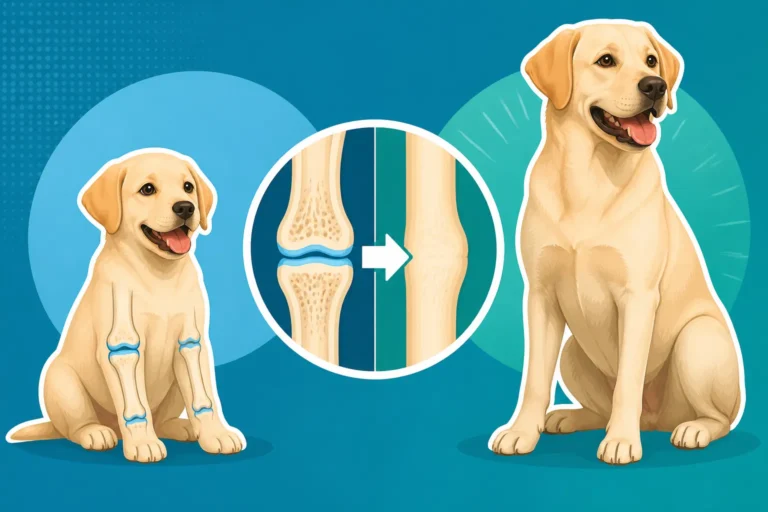
Another major culprit is Labrador Hip and Elbow Dysplasia. Hip dysplasia occurs when the hip joint doesn't form correctly, leading to a loose joint and eventually degenerative joint disease. Elbow dysplasia involves abnormal development of the elbow joint, causing pain and lameness. Both conditions are genetic and can manifest at various ages, from puppyhood into adulthood. Even if your Labrador has been managing these conditions for years, a sudden worsening of symptoms can make stairs insurmountable. These conditions affect a Labrador's ability to push off with their hind legs or bear weight comfortably on their front legs, both critical for stair climbing.
Back pain or spinal issues are also common. Labradors can suffer from intervertebral disc disease (IVDD), where the cushions between their vertebrae either bulge or rupture, putting pressure on the spinal cord. This can cause severe pain, weakness, and even paralysis in more extreme cases. Even less severe forms of spinal arthritis or muscle strains in the back can make the twisting and flexing motions required for stairs incredibly uncomfortable.
Finally, injuries to the knees, especially cruciate ligament tears, can severely impact a Labrador’s ability to use stairs. A torn cranial cruciate ligament (CCL), similar to an ACL tear in humans, causes instability and pain in the knee joint. While a full tear often results in sudden lameness, a partial tear might present as a more subtle reluctance to put weight on the affected leg, making stair climbing awkward and painful. These types of injuries often require significant intervention and recovery time.
Diagnosing the Underlying Issue
Once you've observed your Labrador's struggles with the stairs, the next crucial step is getting a clear diagnosis. Your observations at home are invaluable, but a professional veterinary examination is essential to pinpoint the exact problem and determine the best course of action.
Observing Your Labrador's Behavior
Before your vet visit, carefully observe your Labrador's specific behaviors related to stairs. These details can provide critical clues to your veterinarian. Don't just note that they "can't do stairs"; try to be more precise.
- Reluctance and Hesitation: Do they stand at the bottom or top of the stairs, looking up or down with a worried expression, clearly wanting to proceed but unable or unwilling to? This often indicates anticipation of pain.
- Struggling with Specific Steps: Do they manage the first few steps fine but then struggle midway, or only at the very top or bottom? This might localize the pain to a particular joint or part of their movement.
- Changes in Gait: Observe their leg placement. Are they taking steps one by one, rather than flowing up or down? Are they placing their paws differently, perhaps angling them outwards or tucking a leg in? Do they shift more weight to their front or back? A Labrador Puppy Sits With Legs Splayed might indicate hip issues, and similar subtle changes in an adult's posture on stairs can be telling.
- Vocalizations: Do you hear whimpers, grunts, or even a soft growl when they attempt a step? Any sign of vocal pain is a strong indicator of discomfort.
- Guarding or Licking: Do they guard a specific leg, back area, or hip? Are they excessively licking a paw or joint after attempting the stairs? This could point to a specific area of pain or injury.
- Overall Demeanor: Beyond the stairs, have there been other changes? Are they less playful, more lethargic, or showing signs of being less interested in activities they once loved? These broader changes can support the idea of chronic pain.
Keep a mental or written log of these observations, noting when you first noticed the change, whether it’s getting worse, and if there are any times of day it seems better or worse. This detailed information will be incredibly helpful to your vet.
The Importance of a Veterinary Visit
There's simply no substitute for a thorough examination by your veterinarian. While your home observations are key, only a professional can properly diagnose the underlying medical condition.
When you arrive, your vet will start with a comprehensive physical exam. This includes palpating (feeling) all major joints, including hips, knees, elbows, and the spine, to check for tenderness, swelling, or reduced range of motion. They'll also observe your Labrador's gait (how they walk) to look for lameness, stiffness, or an abnormal stride. This clinical assessment can often point them in the right direction. They might perform specific orthopedic tests to assess joint stability and pain response.
Often, imaging is required. X-rays are commonly used to visualize the bones and joints, allowing the vet to see evidence of arthritis, dysplasia, fractures, or spinal issues. For more complex cases, or if soft tissue damage (like ligaments or tendons) is suspected, your vet might recommend advanced imaging like MRI or CT scans, though these are typically done by specialists. Blood tests might also be run to rule out inflammatory conditions or other systemic illnesses that could contribute to pain or weakness.
It's vital not to delay this visit. Conditions like Labrador Arthritis in Middle Age and Labrador Hip and Elbow Dysplasia are progressive, but early diagnosis allows for earlier intervention, which can significantly slow their progression and improve your dog's quality of life. Plus, if it’s an acute injury, prompt treatment can prevent further damage. Discussing the potential costs of diagnosis and treatment with your vet is also important. This is where having pet insurance, like a policy from Healthy Paws, can be a huge relief, potentially covering a significant portion of unexpected veterinary bills.
Supporting Your Labrador with Stair Challenges
Once you understand why your Labrador is struggling with stairs, your focus shifts to providing them with the best possible support and care. This involves both immediate safety measures and long-term management strategies to improve their comfort and mobility.
Immediate Management and Safety
When your Labrador starts having trouble with stairs, the first priority is to ensure their immediate safety and prevent further injury or pain.
The most straightforward approach is to limit stair access entirely, or at least supervise it very closely. If you live in a multi-story home, consider setting up a comfortable living area for your Labrador on a single level, even if temporarily. This might mean moving their bed, food, and water bowls to the main floor to minimize their need to use stairs. Baby gates or pet gates are incredibly effective for blocking off stairwells, preventing them from attempting to navigate steps unsupervised. This is a simple, immediate way to alleviate the daily struggle and the risk of a fall.
For smaller or moderately sized Labradors, and depending on your own physical capability, you might be able to assist them up and down the stairs. This isn't a long-term solution for a large, heavy Lab, but for short periods, you can support their weight with a sling or a towel placed under their abdomen, or even carefully lift them. Always prioritize your own safety and your dog's comfort; if they resist or seem more stressed by being lifted, it might not be the best approach. Never force them if they're in severe pain.
Consider temporary ramps as well, if your home layout allows. A small, portable ramp can be a lifesaver for getting your dog in and out of a car or up a few steps at the porch. For indoor stairs, it might be more challenging to install a full ramp system, but it's worth exploring if it can create a safe pathway, especially for a single flight of stairs they absolutely must use.
Remember, the goal in the immediate term is to reduce their pain and prevent any worsening of their condition while you await a diagnosis or implement a treatment plan. Observing them carefully during this period will also provide more clues about their comfort levels.
Long-Term Solutions and Lifestyle Adjustments
Once a diagnosis is made, a long-term plan can be put into place, which often involves a combination of medical, physical, and environmental adjustments.
Pain Management: This is often the cornerstone of treatment for conditions like arthritis or hip dysplasia. Your vet may prescribe Non-Steroidal Anti-Inflammatory Drugs (NSAIDs) to reduce pain and inflammation. Other medications, such as gabapentin or amantadine, might be added for chronic pain management. Always administer medications exactly as prescribed and never give human pain relievers, as they can be toxic to dogs. Discuss the full range of options, including newer medications that can specifically target pain pathways, with your vet. Some owners also explore alternative therapies like acupuncture or laser therapy, which can offer significant relief for some dogs.
Joint Supplements: Many Labradors with joint issues benefit from supplements like glucosamine, chondroitin, and Omega-3 fatty acids. While not a cure, these can support joint health, reduce inflammation, and improve comfort. There are many brands available, so discuss the best options and appropriate dosages with your veterinarian. Joint Supplements That Help a Labrador can make a real difference in their daily comfort.
Physical Therapy and Rehabilitation: Just like with humans, physical therapy can be incredibly beneficial for Labradors with orthopedic issues. A certified canine rehabilitation therapist can develop a tailored exercise program, including hydrotherapy (swimming or underwater treadmill), massage, therapeutic exercises, and stretches. This helps build muscle strength, improve range of motion, reduce pain, and enhance overall mobility. Physical Therapy for a Labrador With Bad Hips can significantly improve their quality of life, even if surgery isn't an option.
Weight Management: This cannot be stressed enough. How Much Longer a Lean Labrador Lives is a testament to the importance of maintaining an ideal body weight. Even a few extra pounds put immense strain on already compromised joints, exacerbating pain and accelerating the progression of conditions like arthritis and dysplasia. Work with your vet to determine your Labrador’s ideal weight and develop a feeding plan. This might involve switching to a lower-calorie food or simply reducing portion sizes. For dogs with conditions requiring long-term medication, staying lean can sometimes reduce the need for higher drug dosages. For serious conditions, having a good pet insurance plan, like those offered by Healthy Paws, can help manage ongoing treatment costs, which can become substantial over your Labrador’s lifespan.
Assistive Devices: As their mobility declines, there are many products designed to help. Ramps and Mobility Aids for an Old Labrador can be introduced around the house, helping them get onto furniture, into cars, or navigate small steps without pain. Orthopedic beds provide better support for aching joints. Harnesses with handles, like the Help'EmUp harness, can make it easier for you to assist them up and down stairs or when getting up from a lying position. For very senior Labradors, or those with severe conditions, dog wheelchairs can provide amazing freedom and quality of life, allowing them to remain active despite hind leg weakness.
Preventing Future Stair-Related Issues
While some health issues are genetic and unavoidable, there are many things you can do throughout your Labrador’s life to support their joint health and reduce the risk of future problems with stairs and overall mobility. Proactive care is truly the best defense.
Proactive Joint Health
Investing in your Labrador's joint health from puppyhood can significantly impact their comfort and mobility as they age. It's about building a strong foundation and mitigating risks early on.
One of the most critical aspects of proactive joint health begins before you even bring your puppy home: choosing a responsible breeder. A reputable breeder will perform extensive Health Clearances a Labrador Breeder Must Show on their breeding dogs, specifically for hip and elbow dysplasia, as well as eye conditions. Understanding OFA and PennHIP Screening for Labradors results is paramount; these certifications indicate that the parents have healthy joints, significantly reducing the likelihood of their offspring developing these debilitating conditions. While genetic conditions can still occur, responsible breeding practices drastically lower the risk.
Throughout your Labrador's life, appropriate exercise is key. For puppies, it’s crucial to avoid over-exercising or engaging in high-impact activities like jumping or prolonged running until their growth plates have closed, typically around 12-18 months. Forced exercise before this time can put undue stress on developing joints and potentially contribute to issues later on. Instead, focus on controlled, moderate exercise like leash walks and swimming, which is excellent low-impact exercise for Labradors.
For adult Labradors, regular, consistent exercise helps maintain muscle mass, which supports joint stability. Strong muscles act like natural braces, taking some of the load off the joints themselves. A good balance of walking, swimming, and mental stimulation will keep their body strong and their mind sharp, without excessive wear and tear on their joints. Think about Slowing Joint Decline in an Older Labrador by adjusting their activity levels as they age, favoring gentler forms of exercise.
Maintaining a Healthy Weight
If there’s one piece of advice that almost every vet and experienced Labrador owner will give you, it’s this: keep your Labrador lean. The impact of obesity on a Labrador's joint health and overall lifespan is profound and often underestimated.
Labradors are notoriously food-motivated, and their propensity to gain weight easily is well-documented. Unfortunately, excess weight places incredible stress on their joints, especially the hips, elbows, and knees. Imagine carrying a heavy backpack all day, every day – that's what being overweight feels like for your dog. This constant strain accelerates cartilage degradation, worsens existing conditions like hip and elbow dysplasia, and significantly increases the severity and earlier onset of Labrador Arthritis in Middle Age. It also increases their risk for other serious health issues, including diabetes, heart disease, and certain cancers.
Aim for a body condition score where you can easily feel your Labrador's ribs without pressing hard, and they have a visible waistline when viewed from above. Their tummy should tuck up slightly from the side. Your vet can help you assess their body condition and determine an ideal weight. If your Labrador is overweight, work with your vet to create a safe and effective weight loss plan. This often involves reducing calorie intake, carefully measuring food portions, and increasing exercise. Remember, even a small reduction in weight can lead to a significant improvement in their comfort and mobility. The investment in their healthy weight will pay dividends in their quality of life and longevity. This proactive approach can potentially save you from significant veterinary expenses down the line, although it’s always wise to be prepared for the unexpected with pet insurance from providers like Healthy Paws.
| Symptom Category | Specific Observation | Possible Underlying Issue(s) | Immediate Action |
|---|---|---|---|
| Reluctance/Hesitation | Stops at stairs, looks anxious, whines softly | Arthritis, Hip/Elbow Dysplasia, Spinal Pain, Muscle Strain | Prevent unsupervised stair access, call vet. |
| Changes in Gait | Takes stairs one by one, uneven steps, limping | Joint Pain (hips, knees, elbows), Spinal Issues, Injury | Limit strenuous activity, use gates, vet visit. |
| Vocalizations | Yelps, cries, grunts when attempting steps | Acute Pain, Fracture, Severe Arthritis Flare-up | Avoid stairs completely, gentle assistance, urgent vet. |
| Physical Signs | Swelling, heat, tenderness in a joint, guarding | Injury (sprain, tear), Infection, Arthritis | Cold compress (if applicable), keep area still, vet. |
| Sudden Onset | Fine yesterday, now unable to use stairs | Acute Injury (ligament tear), Sudden Spinal Disc Event | Strict rest, avoid movement, urgent vet consultation. |
| Gradual Onset | Slow decline over weeks/months | Progressive Arthritis, Degenerative Joint Disease | Manage pain with vet guidance, adapt home, plan vet. |
Disclaimer
The information provided in this article is for general informational purposes only and is not intended as a substitute for professional veterinary advice, diagnosis, or treatment. Always seek the advice of your veterinarian or other qualified health provider with any questions you may have regarding a medical condition. Never disregard professional veterinary advice or delay in seeking it because of something you have read in this article.