Gear and Supplies a Labrador Needs
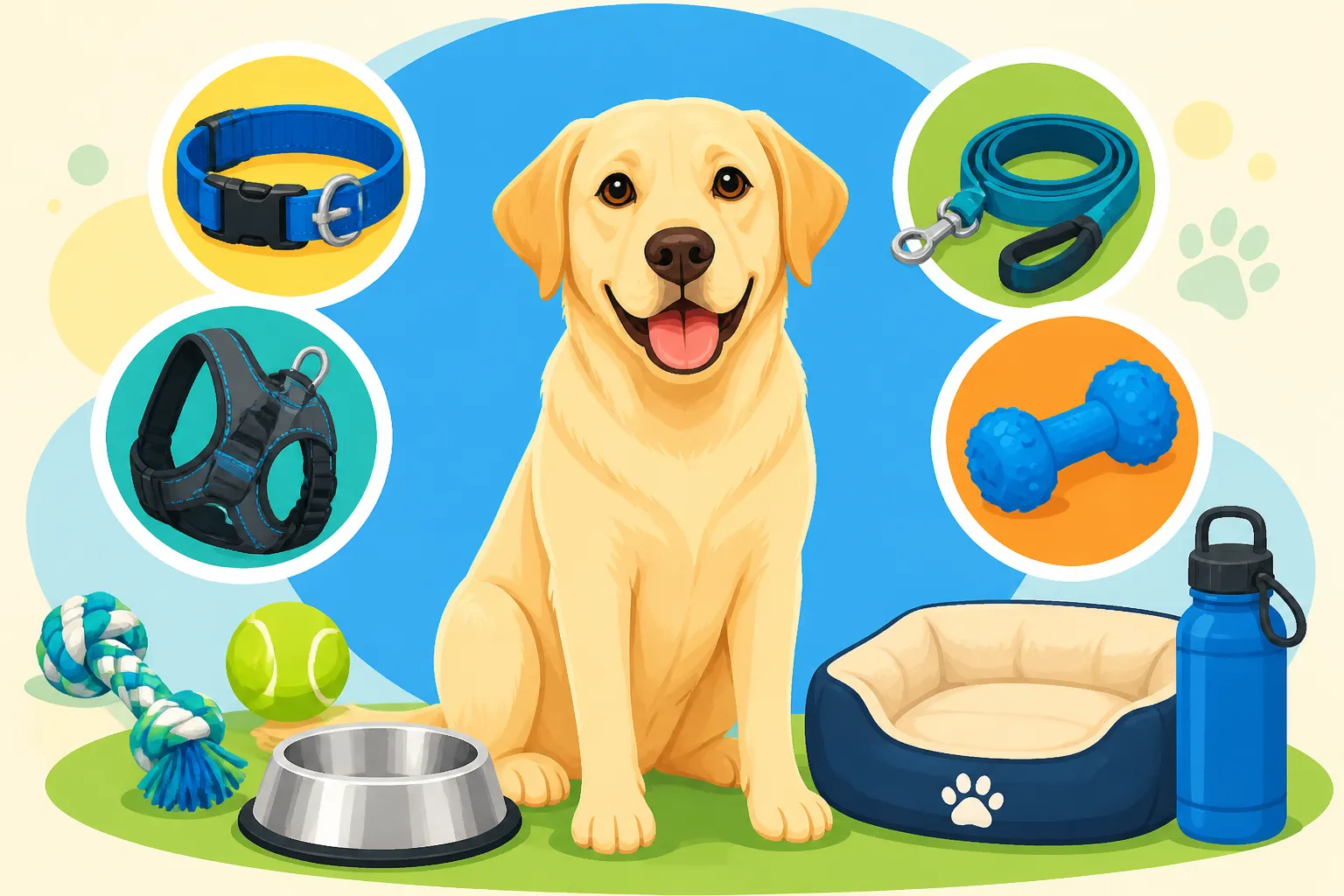
Bringing home a new Labrador Retriever is an incredibly exciting time, full of anticipation for all the joy and companionship they'll bring. But let's be real, walking into a pet store or browsing online can quickly become overwhelming, with aisles and pages full of gadgets and gizmos, leaving you wondering what your Lab actually needs versus what's just clever marketing. This comprehensive guide is here to cut through the noise, breaking down the essential gear and supplies you'll need to welcome your Labrador into your home and ensure they thrive, from puppyhood through their golden years.
Setting Up Their Mealtime Rituals
Feeding time with a Labrador isn't just a meal; it's a ritual. These dogs are famously food-motivated, and getting the right gear is crucial for healthy habits and preventing potential issues. You want to make sure they're eating at a healthy pace and that their food is kept fresh and safe.
Choosing the Right Food Bowls
It might seem straightforward, but selecting the right food and water bowls can make a big difference for your Labrador. With their powerful jaws and enthusiastic eating habits, durability is key.
Durable Bowls for Energetic Eaters
Forget those flimsy plastic bowls that can easily get chewed up or tossed around the kitchen. Labradors are not delicate eaters; they attack their food with gusto. Stainless steel is often the gold standard here. It's incredibly durable, easy to clean, doesn't harbor bacteria like scratched plastic can, and won't absorb odors. Plus, many come with non-skid rubber bottoms, which is a lifesaver when your hungry Lab decides to push their bowl halfway across the room during dinner. Ceramic bowls can also be an option for food, offering a good weight to prevent sliding, but they do come with the risk of chipping or breaking if dropped, which isn't ideal for a boisterous pup. Look for bowls with a wide base to prevent tipping and a volume appropriate for their meals. For instance, a 64-ounce bowl is usually a good size for an adult Labrador's water or a large meal portion.
Think about the longevity of the product. You're investing in something that will be used multiple times a day for years. While a cheap plastic bowl might save a few dollars upfront, you'll likely replace it several times over, and the sanitation concerns of scratched plastic can lead to digestive issues down the line. A sturdy stainless steel bowl, perhaps from a brand like Yeti or Ruffwear, will stand the test of time and all the enthusiastic slurping your Labrador can dish out. Remember, consistency is important, so finding bowls that work well from the start means fewer adjustments for your Lab later.
Slow Feeder Bowls for the Gulping Gourmand
If you've ever watched a Labrador eat, you know it's less of a meal and more of a vacuuming operation. Many Labs eat their food so fast they barely taste it, which can lead to digestive upset, bloat, and even choking. This is where a slow feeder bowl becomes an absolute essential, not just a nice-to-have. These bowls have various ridges, mazes, or pillars designed to force your dog to eat around obstacles, significantly slowing down their ingestion.
Using a slow feeder can improve digestion, reduce gas, and make mealtime more engaging for your dog. Instead of finishing their meal in 30 seconds, a slow feeder can extend it to several minutes, giving them more mental stimulation and helping them feel more satisfied. There are many designs available, from simple raised patterns to more complex maze-like structures. Some popular brands offer durable plastic or even stainless steel versions of slow feeders. When selecting one, ensure the design is appropriate for your Labrador's size and that the material is non-toxic and easy to clean. Many can even go right into the dishwasher, making cleanup a breeze. Without a slow feeder, some Labs are prone to bloat symptoms in a Labrador Retriever, a life-threatening condition where the stomach twists. Preventing rapid eating is one small but significant step in reducing that risk.
Reliable Food Storage Solutions
Keeping your Labrador's food fresh and preventing them from helping themselves to an unauthorized snack requires proper storage. You don't want their kibble going stale, losing its nutritional value, or attracting pests.
Airtight Containers for Freshness
An airtight container is non-negotiable for preserving the freshness and nutritional integrity of your Labrador's kibble. Leaving a large bag of dog food open, or even just rolling it down, exposes it to air, moisture, and potential pests. Over time, this can lead to fats in the kibble oxidizing, reducing its palatability and nutritional quality. Look for containers made from durable, food-grade plastic or metal with a secure, airtight seal. They come in various sizes, so you can choose one that fits the typical size of your dog food bag.
Many owners opt to keep the kibble in its original bag and place the entire bag inside the airtight container. This can be beneficial as the kibble bag itself often contains a protective lining and a "best by" date that you'll want to keep handy. Just pouring the kibble directly into the container can be fine too, but ensure you clean the container thoroughly between refills to prevent residual oils from going rancid. Brands like Gamma2 Vittles Vault offer excellent solutions, often with screw-on lids that create a very tight seal. Proper storage not only keeps food fresh but also prevents your clever Lab from breaking into the pantry; these dogs are notorious for their ability to find and consume anything edible!
Treat Jars and Puzzle Toy Storage
Beyond their main meals, Labradors love their treats and often benefit from mentally stimulating puzzle toys that dispense food. Having designated storage for these items keeps them fresh, organized, and out of reach of opportunistic paws. A simple cookie jar with a tight-fitting lid works perfectly for everyday training treats, preventing them from drying out. For larger quantities or special, higher-value treats, smaller airtight containers similar to those for kibble can be useful.
Puzzle toys, once cleaned, also need a place. A dedicated bin or basket helps keep them together and easily accessible for when you want to offer your Lab a mental challenge. Many Labradors are naturally food-driven, and using puzzle feeders can be a fantastic way to engage their minds and slow down their treat consumption. You can find a wide range of puzzle feeders on sites like Chewy, offering varying levels of difficulty. Keeping them organized means you're more likely to use them regularly, providing your Lab with much-needed enrichment.
Comfort and Containment: Creating Their Safe Space
Every Labrador needs their own special retreat, a place where they can feel safe, rest peacefully, and have a sense of belonging within your home. This typically involves a crate, a comfortable bed, and sometimes gates to manage their access.
The Indispensable Crate
Crate training is one of the most valuable investments you can make in your Labrador's well-being and your peace of mind. It’s not a punishment; it’s a safe, den-like space that offers security and aids in house training and managing destructive chewing.
Sizing and Types of Crates
Choosing the right size crate is crucial. For an adult Labrador, you’ll typically need an extra-large or giant-sized crate. The general rule is that your dog should be able to stand up, turn around, and lie down comfortably without being cramped. For a growing puppy, a crate with a divider is ideal. This allows you to adjust the size as they grow, preventing them from using one end as a potty area. A good starting point would be a crate around 42-48 inches long.
There are generally three types of crates: wire, plastic (travel), and soft-sided. Wire crates are the most common for home use. They offer good ventilation, are foldable for transport, and often come with dividers. Plastic crates are sturdy, offer more of a den-like feel, and are great for travel or airline use. Soft-sided crates are lightweight and portable but not suitable for Labs who are still prone to chewing or for unsupervised use. Given a Labrador's strong jaws and potential for chewing, a sturdy wire crate is usually the best bet for home, perhaps with a secure latching door. You might find a good selection of durable crates through online retailers. If you're looking for guidance on Crate Training a Labrador Puppy, it’s wise to start early for best results.
Making the Crate a Haven
The goal is for your Labrador to view their crate as a positive, comfortable sanctuary, not a prison. This means making it as inviting as possible. Start by placing it in a common area of your home, like the living room or bedroom, so they still feel part of the family. Line the bottom with a soft, comfortable bed or thick blankets. A favorite chew toy, like a Kong filled with peanut butter, or a durable nylabone, can also help create positive associations.
Never use the crate for punishment. If your Labrador is misbehaving, address the behavior directly rather than banishing them to the crate. Consistent, positive reinforcement training is key. Feeding meals inside the crate, offering special treats only when they go in, and gradually increasing the time they spend inside while you're home will build a strong, positive connection. Your Lab should be able to walk into their crate willingly and relax. This makes vet visits, travel, or any situation where containment is necessary much less stressful for everyone involved.
Plush Beds for Deep Slumbers
Labradors love to sleep, and they need a supportive, comfortable bed to protect their joints and provide a cozy spot to rest. Given their size and propensity for joint issues later in life, an orthopedic bed is often a wise choice.
Orthopedic and Durable Bedding
While a cute, fluffy bed might seem appealing, a Labrador needs more than just a soft surface. Their weight puts significant pressure on their joints, and a flimsy bed can exacerbate conditions like hip and elbow dysplasia. An orthopedic dog bed, often made with memory foam, provides excellent support, conforming to their body and relieving pressure points. This is particularly important as your Lab ages, but it's beneficial for all life stages to help preserve joint health. For more on this, consider reading about Labrador Hip and Elbow Dysplasia.
Durability is another major factor. Labs can be chewers, especially when they're young, and even adult Labs can sometimes decide a bed needs "redecorating." Look for beds with strong, chew-resistant covers that are easily removable and machine washable. Brands like Big Barker are known for their robust, orthopedic beds with durable covers. Waterproof liners are also a godsend, protecting the foam from accidents or wet paws after a swim. Investing in a high-quality orthopedic bed, though pricier upfront, can save you money in replacements and potentially vet bills down the line by providing proper support.
Managing Bedding and Placement
Think about where your Labrador's bed will live. Many Labs enjoy having multiple resting spots around the house – one in the living room for napping during the day, another in the bedroom for overnight. Ensure the chosen spots are away from drafts or direct sun exposure. If your Lab spends time outdoors in a sheltered area, a sturdy, elevated outdoor bed can provide comfort and keep them off cold or hot surfaces.
Regular cleaning of your Labrador's bed is also important to manage shedding and keep odors at bay. Most good quality dog beds come with removable, washable covers. For those inevitable accidents or muddy paw prints, having an extra cover on hand can be very convenient. Even the most well-trained Lab can have an off day, so easy cleaning is a must. Placing an old blanket or towel over the bed can also add an extra layer of protection and comfort, and these are often easier to wash frequently.
Baby Gates and Exercise Pens
Sometimes, you need to restrict your Labrador's access to certain areas of your home, whether for safety, training, or simply to keep them out of mischief. Baby gates and exercise pens are incredibly useful tools for this.
Restricting Access Safely
Baby gates are excellent for keeping your Labrador out of rooms where they might not be welcome – like the kitchen during meal prep, or an area with delicate furnishings. For Labs, you'll need sturdy gates, often pressure-mounted or hardware-mounted, especially if your dog is prone to leaning or jumping. Taller gates are generally better for adult Labs who can easily jump over standard baby gates. Brands like Carlson Pet Products offer extra-tall and extra-wide gates that can handle a determined Labrador.
These gates are indispensable during puppyhood to manage Labrador Puppy Potty Training Schedule by keeping them in easier-to-supervise areas. They can also prevent access to stairs, which can be risky for young puppies whose growth plates are still developing, or for senior Labs with mobility issues like arthritis signs in a seven-year-old Labrador. Strategically placed gates can save your furniture, prevent accidents, and give you peace of mind.
Containing for Play or Time Out
An exercise pen, often called an X-pen, provides a larger, contained area than a crate, perfect for supervised play, a temporary "time-out," or a safe space if you need to work in the yard. They're especially useful for puppies, offering more room to move than a crate while still keeping them contained. You can set up an X-pen indoors or outdoors, connecting multiple panels to create a larger space if needed.
When using an X-pen, ensure it’s tall enough and sturdy enough that your Labrador can't jump or push it over. For indoor use, you might want to place it on a mat to protect your flooring. Outdoors, ensure it's on a secure surface and provides shade and water. It's a great solution for when you need to answer the door or step away for a moment, giving your Lab a safe, designated space without locking them in a crate.
Leash, Collar, and Harness Essentials
Taking your Labrador out into the world requires proper walking gear. Given their strength and enthusiasm, choosing the right leash, collar, or harness isn't just about fashion; it's about safety, control, and comfort for both of you.
Essential Collar Types
A collar is a fundamental piece of equipment, not only for attaching a leash but also for displaying identification tags.
Flat Collars for ID and Everyday Use
Every Labrador should wear a comfortable, flat buckle collar with up-to-date identification tags, including their name and your contact information. Even if your dog is microchipped, visible tags are the quickest way for someone to contact you if your dog gets lost. Choose a collar made of durable nylon or leather that is wide enough not to cut into their neck but not so wide that it's cumbersome. Two inches wide is a good standard for an adult Lab.
Ensure the collar fits properly: you should be able to comfortably slip two fingers under the collar. It shouldn't be so loose that it can slip over their head, nor so tight that it restricts breathing or causes chafing. Regularly check the fit, especially for growing puppies. While flat collars are excellent for ID, they may not offer the best control for a strong, pulling Labrador on walks, which is where a harness can come in handy. You can easily find various styles and materials, from plain utility collars to more fashionable ones, on sites like Chewy.
Training Collars and Their Uses
For Labs prone to pulling, you might consider specific training collars, but always consult with a professional trainer to ensure proper and humane use. Traditional choke chains and prong collars are controversial and, if used incorrectly, can cause physical harm or create fear-based responses. Many positive reinforcement trainers advocate for alternatives.
- Martingale Collars: These are a safer option for Labs with narrow heads or those prone to slipping out of flat collars. They tighten slightly when pulled, preventing escape without choking the dog. They are often used for sighthounds but can be beneficial for Labs too.
- Head Halters (Halti, Gentle Leader): These work much like a horse's halter, giving you control over the dog's head, and where the head goes, the body follows. They can be very effective for Stopping a Labrador From Pulling on Leash but require careful introduction and positive reinforcement to ensure your dog accepts them comfortably. They're not muzzles, but some dogs initially resist them.
- Front-Clip Harnesses: Covered next, these are often a preferred training aid for pulling.
The key is to use any training collar as a tool to teach loose-leash walking, not as a permanent solution to manage pulling. The ultimate goal is for your Labrador to walk politely on a standard flat collar.
The Power of a Good Harness
For most Labradors, especially those with an enthusiastic pull, a harness is a superior option for walks, offering better control and comfort while reducing strain on their neck.
Front-Clip Harnesses for Better Control
A front-clip harness is often a game-changer for owners of strong, pulling Labradors. Instead of the leash attaching to the back, it clips to a ring on the dog's chest. When your dog pulls, the harness gently redirects them to the side, discouraging pulling and making it easier for you to guide them. This design prevents choking and neck strain, which can be an issue with traditional collars, especially for a breed prone to tracheal collapse or spinal issues.
Look for a harness that fits well, with straps that don't chafe or restrict movement, particularly around the shoulders. Reputable brands like Easy Walk or Freedom No-Pull Harness are popular choices. Ensure the harness is made of durable, padded material for comfort. While it won't magically cure pulling overnight, it provides a much better mechanical advantage for you and a more comfortable experience for your Labrador while you work on Loose Leash Walking With a Labrador through consistent training.
Back-Clip Harnesses for Leisurely Walks
Back-clip harnesses, where the leash attaches to a ring on the dog's back, are comfortable for dogs that don't pull or for activities where you want minimal pressure on their neck and chest. These are great for dogs that already have good leash manners, or for activities like hiking or running where the dog is less likely to pull unpredictably.
However, for a strong Labrador who does pull, a back-clip harness can actually engage their opposition reflex, meaning they'll pull harder. It's like putting a harness on a sled dog – it's designed to encourage forward motion. So, while comfortable for some, they may not be the best choice for training a pulling Lab. Ensure any harness you choose is well-padded and allows for a full range of motion, especially for a breed as active as a Labrador.
Leash Choices for Every Adventure
Just like collars and harnesses, leashes come in various types, each suited for different situations and training goals.
Durable Standard Leashes
A strong, durable leash is a non-negotiable item. For a Labrador, a 4-6 foot leash made of nylon webbing or leather is typically best for everyday walks. Avoid thin, flimsy leashes that can snap or cut into your hands if your dog pulls. A good leash should have a sturdy clasp that attaches securely to the collar or harness. Leather leashes are durable, comfortable to hold, and become softer over time, while nylon offers strength and comes in various colors.
Having a couple of standard leashes is always a good idea – one for daily walks, and perhaps a backup. The length is important: a 6-foot leash gives your dog a bit more freedom to sniff and explore while still keeping them close, which is perfect for Daily Walk Length for a Labrador. Avoid retractable leashes, especially for large, powerful dogs like Labradors. They offer little control, can cause injuries to both dog and handler, and teach dogs that pulling extends their range, counteracting loose-leash training.
Long Lines for Recall Training
For building a bombproof recall, especially in open, safe areas, a long line is an invaluable tool. These are essentially very long leashes, ranging from 15 to 50 feet, made of nylon or cotton webbing. They allow your Labrador to practice running and exploring at a distance while still being securely attached to you. This means you can practice recall commands without the risk of your dog bolting.
When using a long line, attach it to a well-fitting harness (not a collar, to prevent neck injury if they hit the end of the line) and let it trail behind your dog. When you call them, reel them in gently while giving praise and treats. This teaches them that coming when called is rewarding. Always use a long line in a safe, open space, free from obstacles where the line could get tangled or your dog could get hurt. It's a fantastic way to prepare your Labrador for eventual off-leash freedom, building their Labrador Recall and Working Off Leash skills gradually and safely.
Playtime and Enrichment: Toys That Endure
Labradors are famously playful and need plenty of mental and physical stimulation to stay happy and out of trouble. Investing in the right toys is crucial, especially since their powerful jaws can make short work of less durable options.
Indestructible Chews for Satisfying Jaws
A Labrador's chewing instinct is strong, whether they're a puppy going through the Labrador teething timeline or an adult needing to relieve stress or simply enjoy themselves. Providing appropriate chew toys is essential to protect your furniture and keep them content.
Power Chewer Approved Toys
Forget the plush toys (unless supervised for a very short duration) and many standard rubber toys. For Labs, you need toys designed for "power chewers." Brands like Kong, Nylabone, Benebone, and Goughnuts specialize in creating virtually indestructible toys that can stand up to a Labrador's strong jaws. Look for solid rubber toys, densely packed nylon bones, or extremely hard rubber puzzle toys.
When choosing, always consider the size – it should be large enough that your Lab can't accidentally swallow it or choke. A classic Kong, for example, is fantastic because it's nearly indestructible and can be filled with peanut butter, yogurt, or kibble and frozen for extended engagement. This makes it not only a chew toy but also a mental enrichment tool. Regularly inspect all chew toys for damage and replace them when they start to break apart to prevent your Lab from ingesting pieces. These durable options are a much better investment than constantly Replacing What a Labrador Destroys.
Edible Chews and Dental Health
In addition to rubber and nylon, certain edible chews can satisfy your Labrador's urge to chew and contribute to their dental health. Options like bully sticks, natural dental chews, or even certain raw bones (with careful supervision and veterinary consultation) can be beneficial. However, it's vital to choose wisely and offer them in moderation.
Always select edible chews that are appropriate for your Labrador's size and chewing style. Avoid anything too hard that could break a tooth (like real antlers or cow hooves for intense chewers) or anything that could splinter easily (like cooked bones). Supervise your dog closely when they have edible chews to prevent choking or gulping large pieces. Remember that even edible chews contribute to their daily calorie intake, so factor them into their treats that fit a Labrador's calorie budget. Products designed to scrape tartar, like those from Greenies or other dental chew brands, can supplement your Brushing a Labrador's Teeth at Home routine.
Interactive and Puzzle Toys
Labradors are intelligent dogs who need more than just physical exercise; they need mental stimulation to prevent boredom and destructive behaviors. Interactive and puzzle toys are perfect for engaging their minds.
Food Dispensing Toys for Mental Engagement
Food-dispensing puzzle toys are a fantastic way to combine your Labrador's love for food with a mental challenge. These toys require your dog to manipulate them in various ways – rolling, batting, flipping – to release treats or kibble. This slows down their eating, prevents boredom, and gives them a "job" to do, which is incredibly satisfying for a working breed like the Labrador.
There's a wide range of difficulty levels available, from simple treat balls to more complex sniff mats and multi-stage puzzles. Start with easier puzzles and gradually increase the difficulty as your Labrador masters them. These toys can be particularly useful when you need to leave your Lab alone for a period, as they provide a constructive way to occupy their time. Some owners even use puzzle feeders for their Labrador's entire meal, turning mealtime into a fun brain game. Brands like Outward Hound offer many innovative puzzle toy designs.
Retrieving and Fetch Toys
Retrieving is practically in a Labrador's DNA. They were bred to fetch, and providing them with appropriate retrieving toys is essential for their physical and mental well-being. This isn't just about throwing a ball; it's about engaging their innate drive.
Durable balls made from solid rubber (like Chuckit! balls, which are often found on Chewy) are excellent for fetch. Avoid tennis balls for aggressive chewers, as the felt can wear down their teeth and they're easily destroyed. Floating toys are a must if your Labrador loves the water, which most do! Look for buoys, bumpers, or specialized floating fetch toys that are highly visible in the water. For Labs that might be a bit softer on their toys, canvas retrieving dummies can also be a good option for land or water work, mimicking traditional gundog training tools. Remember to keep fetch sessions varied and stop before your Lab is completely exhausted to prevent overexertion, especially in hot weather or if they are a young Labrador Puppy whose Exercise Limits for a Labrador Puppy should be respected.
Grooming and Hygiene Essentials
While Labradors have a relatively low-maintenance coat compared to some breeds, they still need regular grooming to keep them healthy, clean, and minimize shedding around the house. Their dense double coat requires specific tools.
Brushes for Their Double Coat
A Labrador's coat is designed to protect them from the elements, but it also sheds—a lot. Regular brushing is key to managing this and keeping their skin and coat healthy.
Deshedding Tools for a Thick Undercoat
Labradors have a thick, insulating double coat that sheds year-round, with "coat blows" in spring and fall where they shed even more profusely. A high-quality deshedding tool is an absolute must-have. Tools like the FURminator or similar deshedding rakes are designed to reach through the topcoat and effectively remove the loose undercoat, significantly reducing the amount of hair that ends up on your furniture and clothes.
Use deshedding tools sparingly and gently, usually once or twice a week, to avoid irritating the skin. Overuse can strip the coat or cause skin redness. For daily brushing and general coat maintenance, a rubber curry brush or a slicker brush can be very effective. The rubber curry, often called a ZoomGroom, is great for removing loose hair, distributing natural oils, and even acts as a gentle massage. Regular brushing, like Brushing a Labrador's Coat helps prevent matting in their dense fur, especially around the tail and legs.
Bathing Supplies for a Water-Loving Breed
Given their love for water, Labradors might not need frequent baths, as their natural oils help their coat repel water and dirt. However, when they do get truly muddy or smelly, you'll need the right supplies.
Invest in a good quality dog shampoo that is specifically formulated for dogs, as human shampoos can be too harsh and strip their natural oils, leading to skin irritation. Hypoallergenic or oatmeal-based shampoos can be great for Labs with sensitive skin. A thick, absorbent towel or even a dog-specific drying coat can help significantly reduce drying time and keep the post-bath shake-off contained. Some owners even use a forced-air pet dryer (not a human hairdryer, which can be too hot) to thoroughly dry their Lab's dense coat, which is particularly important to prevent skin issues like Hot Spots and Allergies in Labradors in humid climates. Always rinse thoroughly to ensure no shampoo residue is left behind, as this can also cause skin irritation.
Nail, Ear, and Dental Care Tools
Beyond their coat, a Labrador's nails, ears, and teeth require regular attention to prevent discomfort, infections, and more serious health issues.
Nail Trimmers and Files
Long nails can cause discomfort, affect your Labrador's gait, and even lead to painful splits or breaks. Regular nail trims are essential, typically every 2-4 weeks. You'll need a sturdy pair of dog nail clippers (guillotine or scissor style) sized for a large dog. If your Labrador has black nails, which many do, it can be tricky to see the quick (the sensitive part with blood vessels and nerves). A nail grinder (like a Dremel tool) can be a good alternative, allowing you to gradually file down the nail with less risk of cutting too deep.
Start nail care early with your Labrador puppy to help them get accustomed to it. Make it a positive experience with treats and praise. If you do accidentally cut the quick, styptic powder (like Kwik Stop) is a must-have to stop the bleeding. For tips on this challenging task, check out Nail Trimming a Labrador Who Resists.
Ear Cleaning Solutions
Labradors are prone to ear infections, thanks to their floppy ears that trap moisture and reduce airflow, creating a warm, damp environment perfect for bacteria and yeast. This is especially true for Labs who love to swim. Regular ear cleaning is crucial to prevent issues.
You'll need a vet-approved ear cleaning solution and some cotton balls or gauze. Never use Q-tips, as these can push debris further into the ear canal or damage the eardrum. Simply squirt the cleaning solution into the ear canal, massage the base of the ear, and then wipe away any excess liquid and debris from the outer ear. Do this weekly, and always after swimming. If you notice redness, odor, excessive scratching, or discharge, it's time for a vet visit, as these are signs of an Labrador Ear Infections and Swimming.
Dental Health Tools
Dental disease is incredibly common in dogs and can lead to serious health problems. Just like us, Labradors need their teeth brushed. Start early with your puppy to make it a routine.
You'll need a dog-specific toothbrush (often a finger brush or a long-handled brush designed for pets) and dog toothpaste. Never use human toothpaste, as it contains ingredients toxic to dogs. Aim for daily brushing if possible, or at least a few times a week. Dental chews and water additives can help supplement brushing but are not a replacement. Regular vet check-ups will also include an assessment of their dental health, and your vet might recommend professional cleanings if significant tartar buildup is present. For a detailed guide on home dental care, refer to Labrador Dental Disease and Tartar.
Safety and Health: Preparing for Anything
Being a responsible Labrador owner means being prepared for unexpected health issues and ensuring their safety in various situations, from car rides to minor injuries. A well-stocked first aid kit and essential safety gear are crucial.
Canine First Aid Kit
Just like you'd have a first aid kit for your human family members, a specialized canine first aid kit is an absolute must-have for your Labrador. Accidents and minor injuries can happen anytime, anywhere.
Basic Wound Care and Medications
Your canine first aid kit should contain essentials for basic wound care:
- Antiseptic wipes or solution: Like chlorhexidine or povidone-iodine (diluted) for cleaning minor cuts and scrapes.
- Sterile gauze pads and rolls: For covering wounds and applying pressure.
- Self-adhesive wrap (Vet Wrap): This sticks to itself but not to fur, making it ideal for securing bandages.
- Medical tape: For additional securing.
- Blunt-tipped scissors: For cutting bandages or carefully trimming fur around wounds.
- Tweezers: For removing splinters or ticks.
- Gloves: To maintain hygiene.
- Paw booties: To protect injured paws during healing.
Beyond wound care, include some basic medications (always consult your vet before administering any medication):
- Hydrogen peroxide: To induce vomiting (only under strict veterinary guidance, as it can be dangerous).
- Benadryl (diphenhydramine): For allergic reactions (confirm dosage with your vet).
- Styptic powder: To stop bleeding from nail trims or minor cuts.
- Triple antibiotic ointment: For minor skin abrasions (ensure it's safe if ingested).
Having these items readily accessible means you can address minor issues quickly and effectively. For a comprehensive list, check out A First Aid Kit for a Labrador Retriever.
Emergency Contact Information
In any emergency, time is critical. Have a laminated card in your first aid kit and on your fridge with essential emergency contact information:
- Your regular veterinarian's phone number.
- The number for the nearest 24-hour emergency veterinary clinic.
- The Animal Poison Control Center number (ASPCA Animal Poison Control Center: 1-888-426-4435 or Pet Poison Helpline: 1-855-764-7661).
- A trusted friend or family member who can assist if you're unable.
Knowing these numbers by heart or having them instantly available can make all the difference in a crisis. You should also ensure your Labrador is microchipped and registered with up-to-date contact information. Pet insurance, from providers like Healthy Paws, can also be a lifesaver, covering unexpected Labrador Emergency Vet Bills and providing financial peace of mind during stressful situations.
Car Safety Gear
Your Labrador is part of the family, and that means ensuring their safety during car rides, whether it’s a quick trip to the vet or a long road trip. Unrestrained dogs can be a distraction to the driver and are at severe risk of injury in an accident.
Car Harnesses and Seat Belts
A crash-tested car harness combined with a seat belt attachment is one of the safest ways to secure your Labrador in a vehicle. These harnesses are designed to distribute impact forces across their chest if there's a sudden stop or collision, protecting their neck and spine. The seat belt attachment then clips into the car's seat belt buckle or loops around the seat belt itself, keeping your dog safely restrained.
Look for harnesses that have been certified by organizations like the Center for Pet Safety (CPS). Brands like Sleepypod and Kurgo offer crash-tested options. While any restraint is better than none, choosing a certified product gives you the best assurance of safety. This prevents your Lab from becoming a projectile in an accident and keeps them from distracting you by trying to climb into the front seat.
Crates and Car Barriers
For some Labradors, or for certain vehicles, a secured crate might be a better option for car travel. A hard-sided crate, properly secured in the back of an SUV or hatchback, offers a secure and familiar den for your dog. Ensure the crate is large enough for them to stand and turn around comfortably but not so large that they can be jostled excessively. Tie-down straps are essential to prevent the crate from sliding or tipping.
Alternatively, a sturdy car barrier (either metal or a heavy-duty mesh) can be installed behind the back seats of an SUV or wagon. This keeps your Labrador safely in the cargo area, preventing them from jumping into the passenger compartment while still allowing them some freedom of movement. This is especially useful for larger Labs or multiple dogs. Always ensure there is good ventilation and that the cargo area isn't too hot or cold for them.
Training Aids and Solutions
Labradors are highly intelligent and eager to please, making them generally easy to train. However, having the right training aids can significantly enhance your sessions and lead to a well-behaved companion.
Positive Reinforcement Tools
Positive reinforcement is the most effective and humane way to train a Labrador, building trust and a strong bond. High-value treats and clickers are key components of this approach.
High-Value Treats and Treat Pouches
Labradors are famously food-motivated, which makes treats an incredibly powerful tool in training. "High-value" treats are those that your dog absolutely loves – something they wouldn't get every day. This could be small pieces of cooked chicken, cheese, hot dogs, or commercially available soft, meaty training treats. The higher the value of the treat, the more motivated your Lab will be to perform. You can even use small pieces of their regular kibble as treats for routine commands if they're particularly food-driven, helping with Portion Control for a Food-Obsessed Labrador.
A treat pouch that clips to your belt or waistband is indispensable. It allows you to quickly and easily reward your dog the instant they perform the desired behavior, which is crucial for effective learning. Fumbling for treats in your pocket can delay the reward, making it less impactful. Many excellent treat pouches are available from brands like Ruffwear or Kong, often featuring multiple compartments and a durable design for outdoor use. Remember to factor treats into your Lab's daily calorie intake to prevent Labrador Obesity and the Years It Costs.
Clickers and Marker Words
A clicker is a small device that makes a distinct, consistent sound. It acts as a "marker" to precisely tell your Labrador the exact moment they performed the correct behavior. The click is always followed immediately by a treat, building a strong association. This precision is difficult to achieve with verbal praise alone.
To "charge" the clicker, simply click and then immediately give a treat, repeating this several times until your Lab associates the sound with something good. Then, you can use it to mark behaviors like sitting, staying, or coming when called. Some trainers prefer using a "marker word" like "Yes!" or "Good!" instead of a clicker, which serves the same purpose. Whichever you choose, consistency is key. For a comprehensive guide on initial training, consider First Commands to Teach a Labrador.
Management and Enrichment for Training
Sometimes training isn't just about teaching commands; it's about managing their environment and channeling their natural instincts into productive outlets.
Long Lines and Bait Bags for Recall Practice
We've already touched on long lines for Building a Labrador's Recall From Scratch, but it's worth reiterating their importance as a training aid. They bridge the gap between leash walking and off-leash freedom, allowing you to practice recall in a controlled yet expansive environment. Coupled with a bait bag full of high-value treats, you can make coming back to you the most rewarding thing in the world.
Start in a quiet, distraction-free area. Let your Lab explore on the long line, then randomly call their name. As soon as they turn towards you, click or mark, reel them in (gently if needed), and reward them lavishly when they reach you. Make it a fun game, not a chore. The long line gives you the safety net you need to gradually build their confidence and reliability off leash.
Training Kits and Books
For new Labrador owners, investing in a good training kit or a reputable training book can provide a structured approach and invaluable guidance. Many starter kits include a clicker, a treat pouch, and perhaps a basic training guide. Books by renowned positive reinforcement trainers like Karen Pryor or Jean Donaldson offer comprehensive, humane methods that work wonderfully with intelligent breeds like Labradors.
Additionally, online resources and local puppy classes can be incredibly beneficial. Puppy classes offer a controlled environment for Labrador Puppy Socialization Windows and teach you how to communicate effectively with your dog. A good training book can be a constant reference, helping you troubleshoot issues and deepen your understanding of canine behavior. A well-trained Labrador is a joy to live with, and these tools are the foundation for that relationship.
Cleaning Up After Your Labrador
Let's face it, owning a Labrador, as wonderful as it is, comes with its share of messes. From house training accidents to muddy paw prints and shedding, having the right cleaning supplies on hand is essential for maintaining a clean and fresh home.
Stain and Odor Removers
Accidents happen, especially with puppies or senior Labs. Having effective cleaners is crucial not only for aesthetics but also to completely eliminate odors that might encourage your dog to mark the same spot again.
Enzymatic Cleaners for Pet Stains
Regular household cleaners often mask pet odors but don't eliminate them. For urine, feces, or vomit stains, you need an enzymatic cleaner. These cleaners contain enzymes that break down the organic matter and completely neutralize the odor at its source. This is vital, as dogs have a much stronger sense of smell than humans, and even a faint lingering odor can prompt them to re-soil the area.
Brands like Nature's Miracle, Rocco & Roxie Supply Co., or Resolve Pet Expert are widely trusted. When using an enzymatic cleaner, always follow the instructions carefully. This usually involves saturating the stain, letting it sit for a specified period to allow the enzymes to work, and then blotting it up. Patience is key, as these cleaners need time to do their job. They work wonders on carpets, upholstery, and even hard surfaces.
General Purpose Pet-Safe Cleaners
Beyond specific enzymatic cleaners, it's wise to have general-purpose, pet-safe cleaners for everyday messes. These could be floor cleaners, surface sprays, or fabric fresheners that are explicitly labeled as safe for homes with pets. Many common household cleaners contain chemicals that can be toxic if ingested by your Labrador or can cause skin irritation if they walk on freshly cleaned floors.
Look for plant-based or natural cleaners that avoid harsh chemicals, strong artificial fragrances, and ingredients like ammonia, bleach, or phenols. Brands like Method, Seventh Generation, or Mrs. Meyer's Clean Day offer pet-friendly options. These are great for wiping down muddy paw prints, cleaning up drool, or freshening dog beds without introducing harmful substances into your home.
Tools for Hair and Waste Management
Labradors shed, it's a fact of life. And of course, responsible pet ownership involves proper waste disposal. Having dedicated tools for these tasks makes them much less burdensome.
Vacuums and Lint Rollers for Shedding
Despite your best efforts with brushing and Deshedding Tools for a Labrador, Labrador hair will inevitably find its way onto your floors, furniture, and clothes. A good vacuum cleaner designed to handle pet hair is a non-negotiable item. Look for models with strong suction, a tangle-free brush roll, and good filtration to capture dander. Brands like Dyson, Shark, and Bissell offer excellent pet-specific vacuums.
For quick clean-ups on furniture or clothes, lint rollers are your best friend. Keep several around the house and in your car. Robotic vacuums can also be a game-changer for daily maintenance, running on a schedule to keep hair buildup at bay. Regularly vacuuming is the most effective way to manage the constant shedding and keep your home feeling cleaner.
Poop Bags and Waste Disposal
Cleaning up after your Labrador on walks and in your yard is not only courteous but often legally required. High-quality poop bags are essential. Choose sturdy, leak-proof bags, preferably biodegradable or compostable, to minimize environmental impact. Many brands offer scented bags to help mask odors, which can be a small but appreciated detail.
For yard clean-up, a sturdy pooper scooper can save your back and make the task less unpleasant. There are various designs, from rake-and-pan sets to spring-loaded jaw scoopers. For disposing of soiled bags in your yard, a dedicated outdoor waste bin with a tight-fitting lid can keep odors contained and prevent pests. Some innovative solutions even include small composting systems for dog waste. Whatever your preference, having a reliable system for waste disposal is a key part of responsible Labrador ownership.
Essential Gear for the New Puppy Parent
Bringing home a Labrador puppy is a whirlwind of joy, excitement, and a little bit of chaos. Beyond the general adult dog supplies, there are specific items that are absolute must-haves for those first few months to ensure a smooth transition and healthy development.
Puppy-Specific Feeding and Chew Items
Puppies have different needs than adult dogs, especially when it comes to their developing bodies and incessant chewing.
Puppy Food and Smaller Chew Toys
Your Labrador puppy will need high-quality large-breed puppy food specifically formulated to support their rapid growth without encouraging overly fast development, which can contribute to joint problems. Always follow the Labrador Puppy Feeding Amounts and Schedule recommended by your vet and the food manufacturer. For the first few days, it's a good idea to stick to the food your breeder or rescue organization was using to avoid tummy upset, then gradually transition to your chosen food. Many owners find brands like Purina Pro Plan, Royal Canin, or Eukanuba to be excellent choices for large breed puppies.
Puppies also need chew toys, but smaller, softer ones that are appropriate for their baby teeth and smaller mouths. Rubber teething rings, soft Kong toys, or puppy-specific Nylabones are perfect for soothing sore gums during the Labrador teething timeline. Avoid adult-sized hard chews that could damage their developing teeth. Having a variety of appropriate chew toys on hand will help redirect their natural mouthing tendencies away from your hands and furniture.
Puppy Pads and Cleaning Sprays
Despite your best efforts with frequent potty breaks, accidents will happen with a puppy. Puppy pads can be a useful tool, especially in the early stages of House Training a Labrador Retriever or if you live in an apartment without immediate yard access. Place them in a designated spot away from their food and sleep areas.
Accident cleaning sprays are even more critical. As mentioned earlier, enzymatic cleaners are a must-have to completely neutralize odors and prevent repeat offenses. Stock up on these before your puppy arrives, as you'll definitely need them! Having a good supply of paper towels and a designated cleaning cloth for puppy messes will also be invaluable during those early house-training days.
Early Training and Comfort
The first few weeks and months are crucial for shaping your Labrador's behavior and helping them adjust to their new home.
Puppy Collar, Leash, and ID Tags
Even the smallest Labrador puppy needs a lightweight, adjustable collar with ID tags. This gets them accustomed to wearing a collar early on. Make sure it's snug enough not to slip over their head but loose enough for comfort. A very lightweight 4-foot leash is perfect for their first supervised walks and for practicing basic commands. These early experiences, like When to Start Training a Labrador Puppy, lay the groundwork for future success.
Even though your puppy won't be fully vaccinated for a while, they should still wear ID tags with your contact information. This is a crucial safety measure in case they somehow get out of your home or yard. Consider a breakaway collar for very young puppies when unsupervised to prevent choking hazards, but ensure it's replaced with a sturdy one when on walks.
Soft Bedding and Playpen
A soft, comfortable bed (or two!) is essential for your puppy, providing a cozy spot to sleep and feel secure. Look for washable beds, as puppy accidents are inevitable. A playpen or exercise pen, as discussed earlier, is also incredibly useful for puppies. It provides a safe, contained space when you can't give them your undivided attention, protecting them from hazards and preventing them from getting into trouble.
Fill their playpen with water, appropriate chew toys, and a comfy bed. This creates a safe "puppy zone" where they can play and nap without constant supervision, allowing you to get things done around the house with peace of mind. A secure, comfortable environment is key to helping your new Labrador puppy feel safe and confident in their new home. It’s all part of the larger What a Labrador Puppy Starter Kit Costs you'll consider.
Disclaimer
This guide is intended for informational purposes only and is not a substitute for professional veterinary advice. Always consult with a qualified veterinarian regarding your Labrador's specific health needs, treatment plans, and any concerns you may have. Product recommendations are general and should be chosen based on your individual dog's needs and current market availability.