Resource Guarding in Food-Driven Labradors
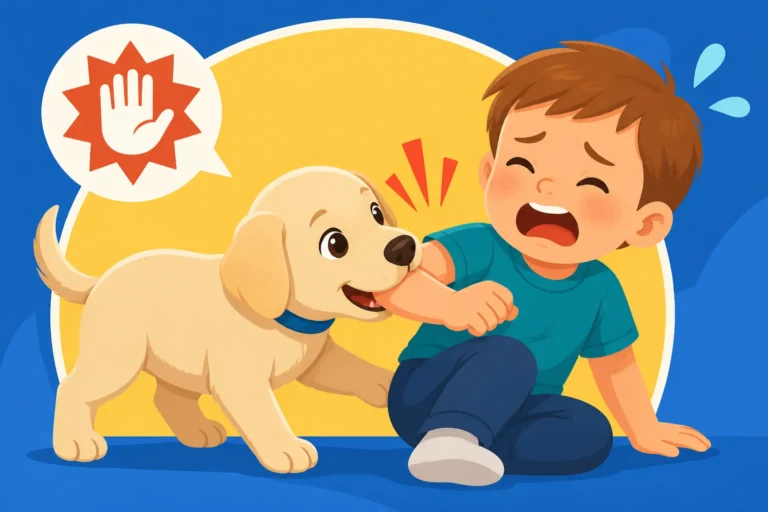
It can be incredibly disheartening, even frightening, when your beloved Labrador, known for their gentle and eager-to-please nature, suddenly snaps or growls over a food bowl, a favorite toy, or even a stolen sock. This behavior, known as resource guarding, isn't about being "mean"; it's a deeply ingrained instinct that can surface in even the most placid dogs, causing stress and uncertainty for everyone in the home. This comprehensive guide will explore what resource guarding truly is, why your food-driven Labrador might exhibit it, and how you can safely and effectively manage and prevent it.
Understanding Resource Guarding in Labradors
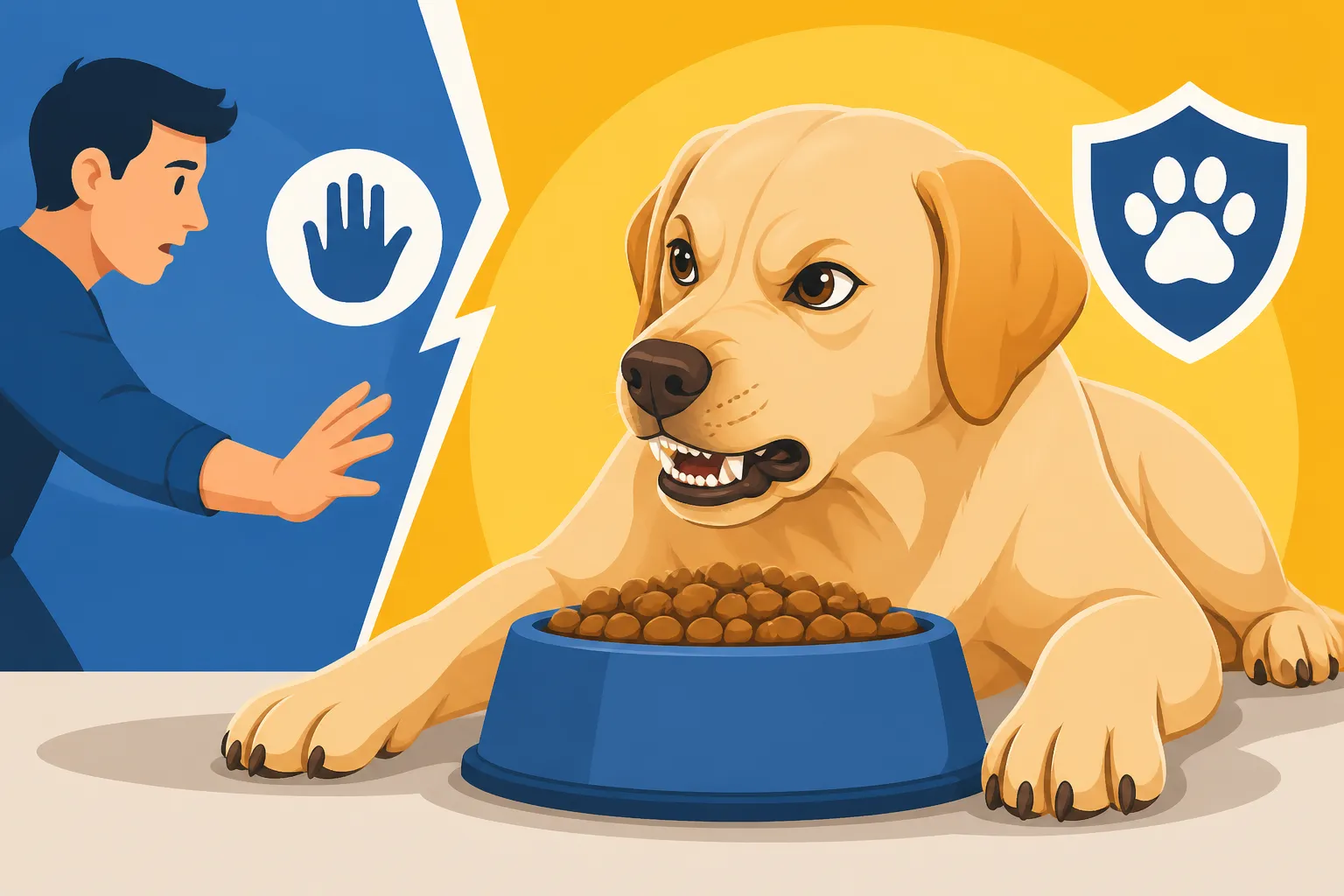
Resource guarding, sometimes called "possessive aggression," is when a dog displays behaviors like growling, snapping, baring teeth, or even biting to protect something they perceive as valuable from another animal or a person. For many Labrador owners, this behavior can be particularly baffling because Labradors are often stereotyped as eternally happy-go-lucky and willing to share. Yet, their strong retrieving drive and, in many cases, intense food motivation, can make them prime candidates for developing guarding behaviors.
What Exactly is Resource Guarding?
At its core, resource guarding is a protective instinct. Dogs, in their natural state, would have to compete for valuable resources like food, mates, and safe resting places. While our domesticated Labradors live in abundance, this primal wiring can still kick in. It’s not necessarily about being dominant or aggressive; often, it stems from a place of insecurity or fear that their valuable item will be taken away. This can manifest in various ways, from a subtle stiffening of the body when someone approaches their bone to a full-blown lunge and snap. Understanding this distinction is crucial: it’s not an act of defiance, but a communication of discomfort or perceived threat.
Think about it from your Labrador's perspective: they have something wonderful, and your approach, however well-intentioned, is interpreted as a potential threat to that item. For a breed so driven by food, like many Labradors are (you might be familiar with Why a Quarter of Labradors Overeat by Genetics), their food bowl or a particularly tasty chew can become an incredibly high-value item, triggering a strong protective response.
Common Triggers for Guarding Behavior
Resource guarding isn't a random event; it's almost always triggered by specific circumstances. For Labradors, these triggers often revolve around their intense love for food and toys. A common scenario might involve a dog guarding its dinner bowl from a family member walking by, or a specific chew toy from a child trying to retrieve it.
Some of the most common triggers include:
- Food bowls: This is perhaps the most classic scenario, especially if the dog feels rushed, has had food taken away in the past, or perceives competition from other pets or people.
- High-value treats and chews: Bones, bully sticks, or filled Kongs can be incredibly important to a Labrador. Their long-term enjoyment of these items makes them prime candidates for guarding.
- Favorite toys: A squeaky toy, a specific tennis ball, or a plush toy they've become attached to can be guarded.
- Stolen items: Labradors are notorious for "counter surfing" or snatching socks, towels, or even remote controls. If they perceive these illicit gains as valuable, they might guard them to prevent you from taking them back.
- Sleeping spots or resting places: Less common but still possible, a Labrador might guard their bed, crate, or a favorite spot on the couch, particularly if they are tired or feeling unwell.
Recognizing these triggers is the first step in managing the behavior. It allows you to anticipate situations and put strategies in place to prevent the guarding from occurring in the first place.
Why Labradors Guard Resources
It's tempting to think your Labrador is just being "stubborn" or "dominant" when they guard. However, for a breed so eager to please and known for its soft mouth and biddable nature, there's usually a deeper, more instinctual reason at play. Understanding the root cause can help you approach the problem with more empathy and effectiveness.
The Role of High Food Drive
Labradors are famously food-motivated. This isn't just a quirky trait; it's often a genetic predisposition. Some Labradors even have a specific gene deletion that makes them feel perpetually hungry, meaning What the POMC Deletion Does to Appetite is a very real thing for them. This intense drive for food, while excellent for training, can also be a significant factor in resource guarding. When food is perceived as scarce or highly valuable, the instinct to protect it kicks in.
Imagine a Labrador whose natural inclination is to consume every crumb they can get. If they feel even a slight threat to their current meal or a prized chew, their instinct might be to protect it fiercely. It’s not malice; it’s a deeply ingrained survival mechanism heightened by their breed's inherent characteristics. This isn't unique to Labradors, of course, but their strong drive can make the guarding more intense or quicker to appear than in breeds with less food motivation.
Underlying Fear or Insecurity
While food drive is a major component, resource guarding is often rooted in fear or insecurity rather than true aggression. A dog who guards is usually worried that their item will be taken away. This fear can stem from various sources:
- Past experiences: If a dog has had food or toys taken away frequently, or if they've had to compete for resources in a previous home or with littermates, they might learn to guard as a coping mechanism.
- Inconsistent handling: If family members are inconsistent – sometimes letting the dog have an item, sometimes taking it without a fair trade – the dog can become insecure about possession.
- Environmental stress: A generally anxious or timid dog, regardless of breed, might be more prone to guarding as a way to control their environment. Even small changes can sometimes trigger a Fearful Behavior in a Labrador.
- Lack of trust: If a dog doesn't trust that you will respect their possessions or offer a fair exchange, they will feel compelled to protect what they have.
It’s crucial to approach resource guarding with the understanding that your Labrador is likely feeling vulnerable, not aggressive. This shifts your perspective from punishment to building trust and confidence.
Recognizing the Signs of Resource Guarding
Catching resource guarding early, before it escalates, is key. Labradors, being the stoic and often "polite" dogs they are, might show subtle signs before resorting to overt aggression. Learning to read these early warning signals can help you intervene safely and effectively. It’s about understanding their canine language, which isn't always as clear as a bared tooth.
Early Warning Signals
Many owners miss the subtle cues their Labrador gives before a growl or snap. These signals are your dog's way of saying, "I'm uncomfortable, please back off." Ignoring them or punishing them for these subtle warnings can force your dog to escalate their behavior because they learn their softer warnings aren't effective.
Look for these early signs when you approach your Labrador while they have a valued item:
- Stiffening of the body: Their muscles tense, and they might freeze in place.
- Lowering of the head: They might lower their head over the item, almost shielding it.
- Eating faster or gulping: They're trying to consume the item before you can take it.
- Hard stare: Their eyes might fix intensely on you or the item, with pupils dilated.
- Moving away with the item: They might pick up their bone and move to another, more private spot.
- Lip licking or yawning: These are often signs of stress or appeasement in dogs.
- Subtle growl or rumble: A low, barely audible sound.
These signals are a plea for space. Respecting them and responding appropriately, such as backing away, can prevent escalation and help your Labrador feel safer.
Escalation and Aggressive Displays
If the early warning signals are ignored, or if your Labrador feels particularly threatened, the behavior can escalate rapidly. This is where owners often become truly concerned, and rightly so. Aggressive displays are more overt and can be dangerous if not managed correctly.
More advanced signs of resource guarding include:
- Lifting a lip and baring teeth: A clear visual warning.
- Growling: Louder and more distinct than a rumble.
- Snapping: A quick bite at the air or directly at an approaching hand or body part, without making contact, or just barely grazing.
- Lunging: Moving quickly towards the perceived threat.
- Biting: Making contact, which can range from a quick nip to a sustained bite, often accompanied by growling.
It's vital to remember that these escalated behaviors are often a last resort when your Labrador feels their boundaries have been completely disregarded. The goal is to never reach this stage by recognizing and addressing the earlier, more subtle warnings. If your Labrador is already exhibiting these escalated behaviors, especially biting, it's time to seek professional help immediately, as discussed later in When Labrador Guarding Needs a Behaviorist.
| Resource Guarding Severity | Signs Exhibited | Recommended Action |
|---|---|---|
| Mild | Stiff body, tense posture, eating faster, moving away, subtle glances. | Implement management strategies, begin basic exchange training, avoid confrontation. |
| Moderate | Low growl, hard stare, lip curl, air snap, guarding a wider perimeter. | Intensify management, work with a professional positive reinforcement trainer, strictly avoid triggers. |
| Severe | Lunge, bite (even without breaking skin), sustained growling, intense vocalization. | Immediate professional intervention from a certified veterinary behaviorist or certified applied animal behaviorist is crucial. Strictly manage the environment to prevent any triggers. |
Managing and Preventing Resource Guarding
The good news is that resource guarding, especially in a food-driven Labrador, can often be managed and even prevented with consistent effort and the right approach. The key is to build trust and change your dog's emotional response to your presence around their valuable items, moving from fear to anticipation of something even better.
Environmental Management Strategies
Before you even start formal training, environmental management is your first line of defense. This involves structuring your Labrador's environment to prevent guarding incidents from happening in the first place, thereby stopping the behavior from rehearsing and becoming more ingrained.
Here are some practical strategies:
- Separate feeding areas: If you have multiple dogs, feed them in separate rooms or crates to eliminate competition.
- Supervised chewing: Only give high-value chews or bones when you can supervise. When your dog is done, or if you need to take it away, use a positive exchange (more on this below).
- Designated eating spots: Always feed your Labrador in the same quiet, undisturbed location, like their crate or a specific corner of the kitchen. This helps them feel secure in their space.
- Clear clutter: Pick up items they might be tempted to steal and guard, such as socks, paper, or children's toys.
- Slow feeder bowls: For exceptionally food-driven Labradors, a slow feeder bowl can prolong mealtime, reducing the perceived urgency to gulp down food before it's "stolen." You can find many options on Amazon.
- Crate training: A crate can be a safe haven where your Labrador can enjoy their meals and chews without feeling threatened by approaches. Ensure they have a positive association with their crate.
These management strategies aren't a cure, but they buy you time and prevent potentially dangerous situations while you work on training.
Building Trust Through Positive Reinforcement
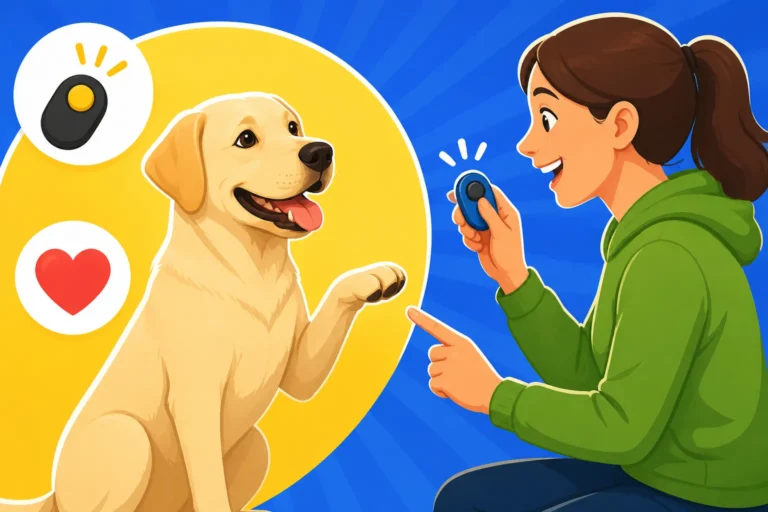
The core of resolving resource guarding is to change your Labrador's perception of you approaching their valued item. Instead of associating your presence with loss, they need to associate it with gain. This is where positive reinforcement shines.
The "trade-up" game is incredibly effective:
- Approach and drop: When your Labrador has a chew or is eating, calmly approach, and from a distance where they are still comfortable (no stiffening or growling), drop an even higher-value treat near them. Don't try to take their item yet. Then, walk away. Repeat this many times over several days or weeks.
- Trade for something better: Once your Labrador eagerly anticipates your approach, you can start the actual trade. While they are still enjoying their current item, offer a much higher-value treat right near their nose. As they take the treat, gently take the original item. Immediately give the original item back or offer another high-value treat. The key is that they learn giving up an item means something better is coming or the item will be returned.
- Practice frequently: Practice this often, not just when you need to take something away. This builds a strong positive association. Use a variety of treats; Treats That Motivate a Food-Driven Labrador can be incredibly helpful here.
It’s about showing your Labrador that your hands are givers, not takers. Never punish a growl or snap, as this teaches your dog not to warn you, making future bites more likely and less predictable.
Training Techniques to Address Resource Guarding
Once you've established management protocols, specific training techniques can help your Labrador overcome resource guarding. These techniques aim to systematically desensitize your dog to your presence around their valuable items and counter-condition their emotional response.
Desensitization and Counter-Conditioning
This approach is about gradually exposing your Labrador to the trigger (your presence near their resource) at a level where they don't react, and then pairing that exposure with something positive.
- Identify the threshold: Start by determining the distance at which your Labrador is not guarding. This might be across the room, or even in another room.
- Pair with positive reinforcement: From that comfortable distance, simply toss a high-value treat near their resource. Don't approach closer, just toss and retreat. Repeat this many, many times. Your goal is for your Labrador to look happier when you approach, anticipating the treat.
- Gradual approach: Over days and weeks, very slowly decrease the distance from which you toss the treat. If your Labrador shows any signs of guarding (stiffening, hard stare), you've moved too quickly; increase the distance again.
- Practice with various items: Once comfortable with food bowls, apply the same method to chews, toys, and even stolen items.
Consistency is vital. Every positive interaction builds trust and rewires your Labrador's emotional response. You can also use tools like Puzzle Feeders That Slow a Greedy Labrador during meals to make food last longer, allowing for more opportunities for this positive interaction during mealtime.
"Drop It" and "Leave It" Commands
Reliable "Drop It" and "Leave It" commands are essential for any dog, but especially for a Labrador with guarding tendencies. These commands give you a safe way to manage situations where your dog has an inappropriate or guarded item.
- "Drop It" Training:
- Start with a low-value toy that your Labrador is mildly interested in.
- When they have the toy, offer an incredibly high-value treat (like a piece of cooked chicken or cheese) right next to their nose.
- As they drop the toy to take the treat, say "Drop It!"
- Once they've eaten the treat, immediately give them back the original toy or offer another one. This teaches them that "Drop It" means something better is coming, and they get their item back.
- Gradually increase the value of the items you ask them to drop, always offering an even higher value treat in exchange.
- "Leave It" Training:
- Place a low-value treat on the floor and cover it with your hand.
- When your Labrador tries to get it, keep your hand covered. The moment they look away from your hand, say "Yes!" or click, and give them a different, high-value treat from your other hand.
- Gradually increase the duration they have to "Leave It" before getting their reward.
- Eventually, you can place the treat on the floor uncovered. If they go for it, cover it again. Reward only when they look away or ignore it.
These commands require consistent practice in varied environments and with different distractions to be reliable. Think of resources like BAXTER & Bella's online training programs, which often include detailed modules for teaching these foundational commands, offering structured guidance for owners.
When to Seek Professional Help
While management and basic positive reinforcement techniques can go a long way, some cases of resource guarding require the expertise of a professional. Knowing when to call in the cavalry is crucial for both your safety and your Labrador's well-being.
Signs You Need a Professional Trainer or Behaviorist
It’s important to distinguish between mild guarding, which might involve a growl over a bone, and more severe or dangerous behavior. If you're unsure, it's always better to err on the side of caution and consult a professional.
You should seek professional help if:
- Your Labrador is growling, snapping, or biting people: This is a serious safety concern, especially if children are in the home.
- The guarding behavior is escalating: If the intensity or frequency of the guarding is increasing despite your efforts, or if your Labrador is starting to guard new items or spots.
- You feel unsafe or intimidated: If you're afraid to approach your dog when they have certain items, or if you're constantly walking on eggshells.
- The guarding is unpredictable: If you can't identify clear triggers, or if the behavior seems to come "out of nowhere."
- Other behavioral issues are present: If resource guarding is just one piece of a larger puzzle, such as Separation Anxiety in Labrador Retrievers or general anxiety, a professional can address the whole picture.
- You have tried basic methods without success: If your consistent efforts with positive reinforcement haven't yielded improvement after a reasonable amount of time.
A professional can provide an objective assessment, identify nuances in your dog's behavior, and create a tailored training plan that ensures safety for everyone involved.
Choosing the Right Professional
Not all dog trainers are equipped to handle serious behavioral issues like resource guarding. It's vital to choose a qualified professional who uses humane, evidence-based methods. Look for credentials and experience specifically in behavior modification.
Here’s what to look for:
- Certified Professional Dog Trainer (CPDT-KA): Indicates knowledge in dog training techniques.
- Certified Behavior Consultant Canine (CBCC-KA): A more advanced certification focusing on behavior modification.
- Certified Applied Animal Behaviorist (CAAB) or Veterinary Behaviorist (DACVB): These are the highest levels of certification, typically requiring advanced degrees (Master's or Ph.D. for CAAB, DVM + residency for DACVB) and are best for severe cases, especially if medication might be considered.
- Force-free and positive reinforcement only: Ensure the professional uses only positive reinforcement methods. Avoid anyone who suggests punitive techniques (e.g., alpha rolls, choke chains, prong collars, shock collars) for guarding, as these can severely worsen the problem and break trust.
- Experience with resource guarding: Ask about their specific experience in successfully rehabilitating dogs with resource guarding.
- References: A reputable professional should be able to provide client references.
Working with a qualified professional is an investment in your Labrador's future and your peace of mind. They can help you understand Reading Pain in a Stoic Labrador and address underlying issues that might contribute to guarding behavior, leading to a happier, safer home for everyone.
Disclaimer
This article is for general informational purposes only and does not constitute professional advice. Laws, prices and regulations vary by location and change over time. Consult a qualified professional for guidance on your specific situation.