What to Do If a Labrador Swallows Something
Oh, the panic that shoots through you when you realize your beloved Labrador has just swallowed something they absolutely shouldn't have. It's a gut-wrenching moment that most Labrador owners experience at some point, thanks to our furry friends' insatiable curiosity and vacuum-like mouths. Whether it's a rogue sock, a piece of a favorite toy, or something far more concerning, knowing what to do in those frantic first minutes can make all the difference. This guide will walk you through the immediate steps to take, how to recognize the warning signs of trouble, and crucial prevention strategies to keep your adventurous Lab safe.
Immediate Steps When Your Labrador Swallows Something
That split second where you see your Labrador gulp down something they shouldn't is terrifying. Your heart leaps into your throat, and a million questions race through your mind. Did they really eat that? How big was it? Is it sharp? The immediate aftermath requires a calm head and quick, informed action, which is often easier said than done when you're in a state of panic.
Assess the Situation and Stay Calm (Easier Said Than Done!)
First things first: take a deep breath. While it's natural to panic, getting flustered won't help your Labrador. Try to quickly recall exactly what they swallowed. Was it a small piece of fabric, a sharp bone, a pill, or a child's toy? The size, shape, material, and potential toxicity of the item are absolutely critical pieces of information for your next steps. For instance, a smooth, small object might pass, but a jagged shard or a toxic substance needs a much more urgent response.
Think about the moment it happened. Did they chew it first, or was it swallowed whole? Did they struggle at all, cough, or gag? Even if they seem perfectly fine right after, some items can cause problems hours or even days later. Knowing these details will be vital when you speak to your vet, as it helps them gauge the potential severity of the situation. Don't beat yourself up for not preventing it; Labradors are notorious for their ability to ingest things in the blink of an eye. For more on this tendency, check out Why Labradors Steal and Swallow Things.
Contacting Your Veterinarian or Emergency Vet
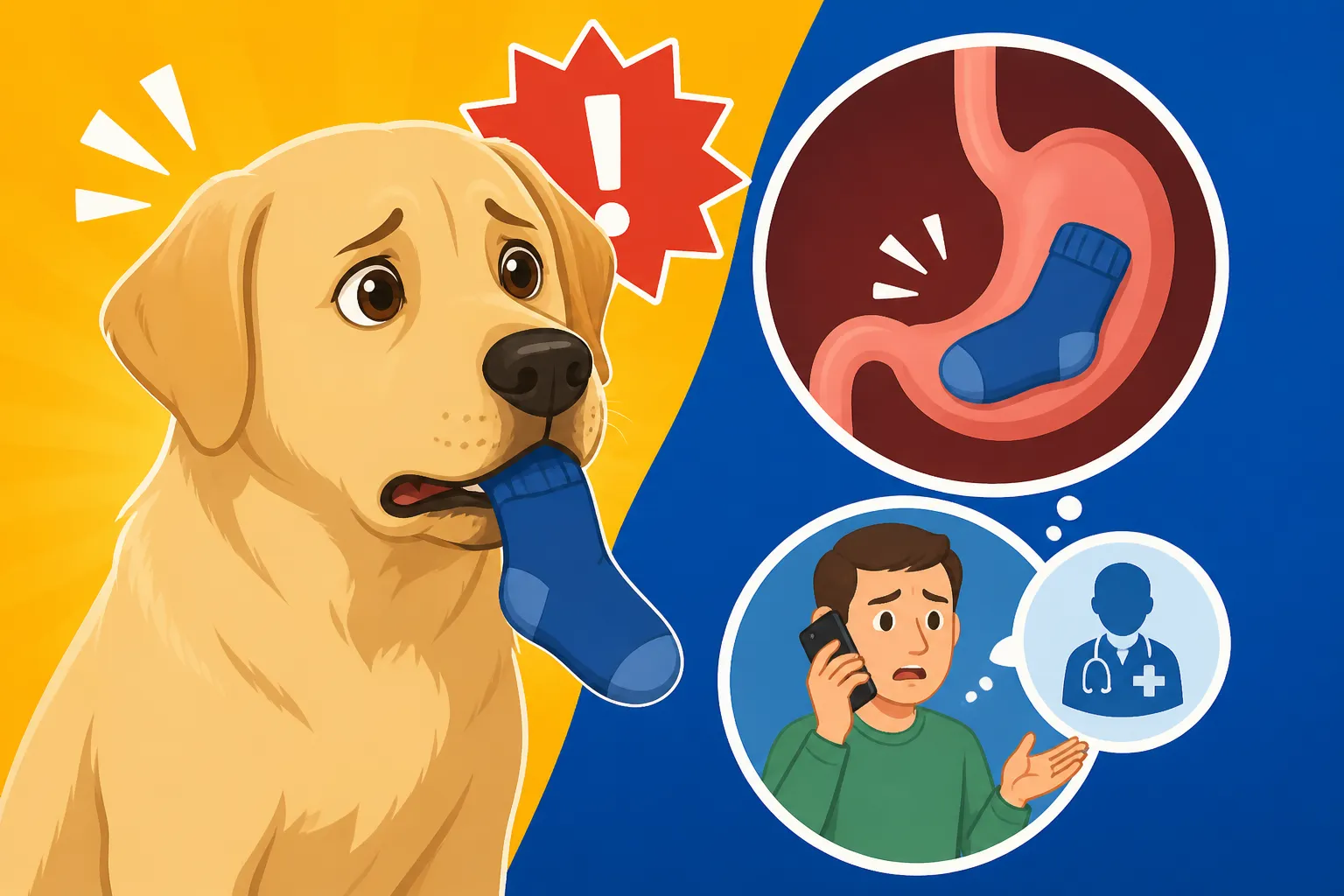
This is the single most important step you can take. Do not delay. Even if your Labrador seems perfectly normal, a quick call to your regular veterinarian during business hours, or an emergency veterinary clinic after hours, is essential. Describe exactly what happened, what the item was, its approximate size, and your dog's current behavior. The veterinary team can provide immediate, tailored advice based on the item swallowed and your dog's individual factors, such as their age and size.
They might advise you to monitor your dog, bring them in for an immediate examination, or, in some cases, induce vomiting under their direct supervision. Be prepared to provide as many details as possible. If you happen to have the packaging of the ingested item (e.g., a medication bottle, a toy box), have it handy. The vet might ask for the list of ingredients or materials to determine toxicity or potential for obstruction. This proactive call can prevent a minor incident from becoming a major, life-threatening emergency.
Do NOT Induce Vomiting Without Vet Guidance
It’s a common misconception that you should always make a dog vomit after they swallow something bad. This can actually be incredibly dangerous, especially with certain types of items. If the swallowed object is sharp (like a piece of glass or bone), it could cause further damage to the esophagus or throat on its way back up. If the item is caustic (like a cleaning product or certain batteries), inducing vomiting can lead to severe burns.
Furthermore, some items are too large to be vomited up safely and could get lodged in the throat, creating a choking hazard. Even if inducing vomiting is recommended, it must be done under strict veterinary guidance, as they can administer medication safely and accurately. Attempting home remedies or forcing your dog to vomit without professional instruction can lead to serious complications or even be fatal. Your vet will weigh the risks and benefits before recommending this course of action.
Recognizing the Signs of Trouble (Beyond the Initial Scare)
Sometimes, the immediate aftermath of your Labrador swallowing something might seem uneventful. They might wag their tail, look innocent, and act like nothing happened. However, problems can develop hours or even days later. It's crucial to be vigilant and know the signs that something is seriously wrong, as your Lab might not always outwardly express their discomfort.
Signs of Obstruction or Internal Injury
An internal obstruction occurs when a foreign object gets stuck somewhere along the digestive tract, preventing food and water from passing normally. This is a common and very dangerous scenario for Labradors, given their propensity to swallow indigestible items. You might observe repeated vomiting, especially after eating or drinking, or projectile vomiting. Your dog may become lethargic, lose their appetite, and show signs of abdominal pain, which could manifest as a hunched posture, sensitivity when touched, or refusal to lie down comfortably.
Changes in stool can also be a red flag; your Labrador might strain to defecate, pass very little stool, or have diarrhea if there's a partial obstruction. Sometimes, a part of the object might pass, such as string or fabric hanging from the rectum – never pull this out, as it could indicate a linear foreign body that's still anchored internally and pulling it could cause severe damage. Keep a close eye on their general energy levels and interest in activities. A normally boisterous Labrador who suddenly wants to do nothing but sleep or hide could be signaling significant internal discomfort.
Symptoms of Toxicity or Poisoning
If the swallowed item was toxic, the symptoms can vary wildly depending on the substance, but they often come on more rapidly than with an obstruction. Common signs of poisoning include excessive drooling, tremors or seizures, sudden onset of vomiting and diarrhea, disorientation, weakness, and changes in breathing or heart rate. Your Labrador might appear hyperactive and agitated, or conversely, unusually depressed and unresponsive.
Household items like chocolate, certain medications (even human ones like ibuprofen), cleaning chemicals, or toxic plants can be incredibly dangerous. For a Labrador, a significant amount of chocolate can cause serious issues, and you'd want to act fast. What to Do If a Labrador Eats Chocolate provides more in-depth advice on this specific emergency. Similarly, a handful of grapes or onions from the kitchen counter could trigger a toxic reaction. Grapes, Onions and Labrador Emergencies covers these less obvious but equally dangerous items. Always treat suspected poisoning as an emergency and contact your vet immediately, even if the symptoms seem mild at first.
Watching for Less Obvious Problems
Sometimes, the signs are subtle, making it harder to pinpoint the problem. You might notice your Labrador pawing at their mouth repeatedly, indicating something is stuck in their teeth or throat, or frequent coughing and gagging that isn't productive. Difficulty swallowing, expressed as an inability to keep food down or painful gulping, could also be a sign. These might indicate a foreign body lodged in the esophagus or irritation.
Other less obvious indicators include changes in gum color (pale or bluish), rapid or labored breathing, or a bloated or distended abdomen, which can be a sign of a very serious condition like bloat, especially if the ingested item contributed to gas production. While not all swallowed items lead to immediate crisis, persistent changes in your Labrador's behavior or bodily functions should always warrant a call to your veterinarian. You know your dog best, and if something feels "off," trust your instincts.
Preventing Future Swallowing Incidents (The Proactive Approach)
Let's be real, you can't bubble-wrap your Labrador, but you can definitely minimize the risks. Prevention is always better than cure, especially when it comes to the terrifying experience of your dog swallowing something dangerous. Labradors are naturally curious and mouthy, so creating a safe environment and teaching solid commands are your best defense.
Labrador-Proofing Your Home and Yard
The world is an endless buffet of fascinating (and often hazardous) items to a Labrador. That's why diligent Labrador-proofing is non-negotiable. Start by securing all trash cans with heavy lids or placing them in inaccessible areas. Many a vet visit has been prompted by a Lab diving into the garbage. Keep all medications, human and pet, tucked away in high, secure cabinets. Cleaning supplies, batteries, string, dental floss, small children's toys (especially Legos or doll parts), and anything else that could be swallowed should be out of reach.
When it comes to the kitchen, remember that Labs are masters of counter-surfing and can open cabinets if given the chance. Foods like chocolate, grapes, onions, avocado, macadamia nuts, and anything with xylitol (a common sugar substitute) are highly toxic. Ensure these are never left within paw's reach. Your guide on Labrador-Proofing a Kitchen offers more detailed strategies for making this high-traffic area safe. Outdoors, regularly check your yard for dropped items, toxic plants, or even small rocks that could be ingested.
Training "Leave It" and "Drop It" Commands
These two commands are arguably the most important life-saving tools you can teach your Labrador. "Leave It" teaches your dog to ignore an item, even if it's tempting, and "Drop It" instructs them to release something they already have in their mouth. Imagine your Lab finding a chicken bone on a walk – a solid "Leave It" could prevent a frantic trip to the emergency vet. Or if they grab a remote control, a reliable "Drop It" saves the day (and the remote!).
Start teaching "Leave It" in a low-distraction environment with a low-value treat. Place the treat on the floor, cover it with your hand, and say "Leave It." When your dog looks away, reward them with a higher-value treat from your other hand. Gradually increase the distraction and the temptation. For "Drop It," offer a toy, then present a super high-value treat. As they open their mouth to take the treat, say "Drop It," and then take the toy. Practice consistently, and make it a fun game. Many online resources, like those offered by BAXTER & Bella, provide structured courses that can help you master these crucial commands with your Labrador. For a deeper dive into these life-saving skills, consider reading Teaching a Labrador to Drop It Reliably and Trading With a Labrador Who Grabs Things.
Providing Appropriate Chews and Mental Stimulation
Labradors love to chew; it's part of their DNA. If you don't provide appropriate outlets for this natural behavior, they'll find their own – and it's rarely something you approve of. Invest in durable, size-appropriate chew toys that can withstand your Labrador's powerful jaws. Look for brands known for their tough toys, often found readily on Amazon. Always supervise your Labrador with new chews to ensure they don't break off large pieces that could be swallowed.
Beyond physical chewing, mental stimulation is key. A bored Labrador is a destructive Labrador. Puzzle feeders that dispense kibble slowly can satisfy their food drive while making them work for their meal, which is a fantastic way to engage their brains. These slow feeders are excellent for our famously food-motivated Labs. Puzzle Feeders That Slow a Greedy Labrador delves deeper into how these can be a game-changer. Scent work, interactive toys, and regular training sessions also help tire out their minds, reducing the likelihood they'll go looking for mischief (and things to swallow). For more on durable options, see Chew Toys That Survive a Labrador.
What to Expect at the Vet and Recovery
When you're dealing with a swallowed object, a trip to the vet can be nerve-wracking. Understanding what might happen can help ease some of that anxiety and prepare you for the potential diagnostic and treatment steps.
Diagnostic Procedures and Treatment Options
Once at the clinic, your vet will likely start with a thorough physical examination, checking your Labrador’s abdomen for pain or distention. They'll also assess vital signs. Depending on what was ingested, the next step often involves diagnostic imaging. X-rays are common to look for foreign objects, although some items (like cloth or plastic) don't show up well on standard X-rays. In such cases, your vet might recommend an ultrasound, which can visualize soft tissues and provide more detail about the digestive tract, or even contrast X-rays where your dog drinks a special liquid to highlight blockages.
If the object is small and smooth, and your vet deems it safe, they might medically induce vomiting. This is a controlled process performed with specific medications, ensuring your dog's safety and monitoring for complications. For items that are stuck but not sharp, an endoscopy might be an option. This involves inserting a thin tube with a camera down your Labrador's throat to retrieve the object without surgery. However, if the item is sharp, too large, or if it has moved beyond the stomach into the intestines, surgery may be the only option to remove it and repair any damage. While surgical costs can be substantial, similar to Emergency Bloat Surgery Prices for a Labrador, the ultimate cost depends on the complexity of the procedure and any complications.
Recovery and Post-Incident Care at Home
After a vet visit, whether it involved induced vomiting, endoscopy, or surgery, your Labrador will need careful monitoring and recovery at home. If the object passed naturally or was vomited, your vet might prescribe a bland diet for a few days to soothe their digestive system. You'll need to watch for any delayed symptoms, like continued vomiting, lethargy, or changes in stool, which could indicate lingering irritation or an undiagnosed issue.
For surgical recoveries, post-operative care is crucial. This typically involves administering prescribed pain medications and antibiotics, restricting activity to allow incision sites to heal, and feeding a specific diet. You'll need to keep a close eye on the surgical wound for any signs of infection. Beyond the physical recovery, remember your Labrador might be a bit shaken up emotionally. Offer plenty of quiet comfort and reassurance. This experience can be stressful for both of you, so lean on your vet for support and don't hesitate to call if you have any concerns. Having an emergency fund, as discussed in How Big an Emergency Fund a Labrador Needs, can alleviate financial stress during these times. It's also a good idea to have A First Aid Kit for a Labrador Retriever on hand for minor issues that arise.
In the end, while we hope our Labs never swallow anything dangerous, being prepared is your best defense. Knowing these steps can help turn a panic-filled moment into a manageable situation and ensure your best friend gets the care they need quickly.
Disclaimer
This article is for general informational purposes only and does not constitute professional advice. Laws, prices and regulations vary by location and change over time. Consult a qualified professional for guidance on your specific situation.