Cameras and Treat Dispensers for a Lonely Labrador
Leaving your beloved Labrador home alone can be a real emotional rollercoaster, can't it? You walk out the door, heart heavy, wondering if they'll spend the next few hours pacing, barking, or worse, finding that new cushion utterly irresistible. It’s a common worry for so many of us, especially with a breed as social and intelligent as a Labrador. This guide is here to help you navigate those solo hours, exploring how modern pet cameras and treat dispensers can offer peace of mind, valuable insights into your dog's behavior, and even a little interactive fun for your lonely Lab.
Understanding Your Labrador's Alone Time Struggles
Let's be real, Labradors thrive on companionship. They were bred to work alongside humans, to retrieve, and to be an integral part of the family unit. So, when we leave them alone, it’s not surprising that some struggle more than others. Understanding why your Lab might be having a hard time is the first step toward finding solutions. It’s not just about them being "naughty"; it's often a genuine expression of distress or unmet needs.
The Root Causes of Loneliness and Anxiety
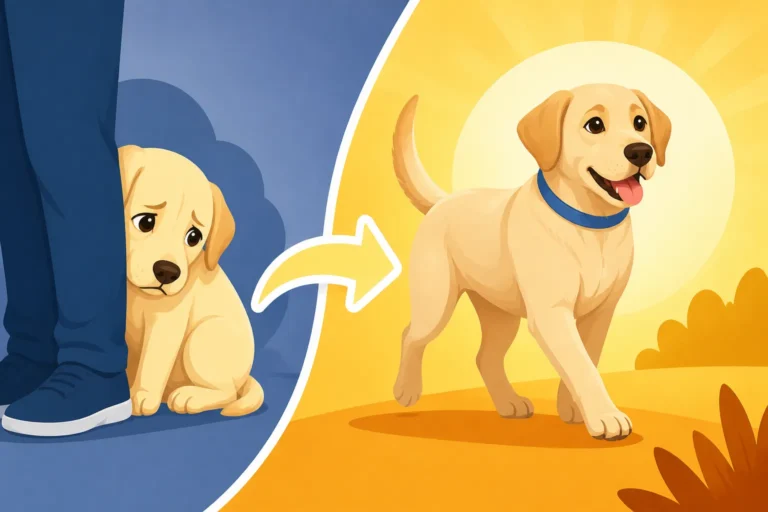
At their core, Labradors are pack animals. They instinctively seek connection and thrive on routine and interaction. Being left alone can trigger a range of emotions, from simple boredom to full-blown separation anxiety. For a Labrador, silence and solitude can feel unnatural and even threatening, especially if they haven't been properly conditioned to enjoy their alone time. It’s a common misconception that all dogs are fine being by themselves for hours; many will simply tolerate it, while others genuinely suffer.
Boredom, for a highly intelligent and energetic breed like a Labrador, is a significant problem. If they're not mentally or physically stimulated before you leave, or while you're gone, that pent-up energy and clever mind will find an outlet – and it's often not one you'll appreciate. This is where you might see behaviors like inappropriate chewing, incessant barking, or even destroying furniture. It’s not malice; it’s often a desperate plea for something to do, or a way to self-soothe. Understanding this distinction is crucial when trying to help your dog feel more comfortable. Sometimes, what looks like naughty behavior is actually a sign of stress.
Then there’s true separation anxiety, which is a deeper, more profound form of distress. This isn't just boredom; it's a panic response to being separated from their primary attachment figure. Dogs with separation anxiety often display extreme symptoms like destructive chewing directed at exits, intense vocalization (howling, barking, crying) that doesn't stop, house soiling even if they're fully house-trained, and excessive drooling or panting. This level of distress is heartbreaking to witness, and it's vital to address it with patience and a multi-faceted approach. Identifying Separation Anxiety in Labrador Retrievers is key to proper intervention.
Reading the Signs: Is Your Labrador Unhappy Alone?
So, how do you know if your Labrador is genuinely struggling when you’re not around? The obvious signs are often the ones that lead to neighbor complaints or come to light when you return home to chaos. For instance, if you consistently come home to chewed-up baseboards, shredded pillows, or tell-tale puddles on the floor, these are strong indicators that your Lab isn't coping well with solitude. It's not about them being spiteful; it's a manifestation of their internal state.
Beyond the visible destruction, listen for the sounds. If your neighbors mention constant barking, howling, or whining, that’s a clear signal. Often, a camera with audio can confirm this, capturing the sustained vocalization that might start moments after you leave and continue for hours. This kind of persistent noise isn't typical of a content dog simply napping the day away; it's the sound of a dog in distress. Keep an eye out for Labrador Barking Triggers so you can address them specifically.
Other, more subtle signs can include pacing, staring blankly, or excessive self-licking when you arrive home. Some Labs will greet you with an almost frantic energy, unable to settle, which can be another indicator of heightened anxiety during your absence. It's like they're releasing all that pent-up stress and relief the moment you walk through the door. Observing these behaviors, both directly and through recording devices, can help you differentiate between mild boredom and more serious anxiety. If you're wondering whether it's Telling Labrador Boredom From Real Anxiety, a camera can provide invaluable footage.
How Pet Cameras Offer Peace of Mind (and Data!)
Pet cameras have truly revolutionized how we manage and understand our dogs' alone time. Gone are the days of simply wondering; now, we can actually see what's going on, offering both immense peace of mind and crucial diagnostic data. For a Labrador owner, this insight can be a game-changer, turning guesswork into informed action.
Monitoring Behavior and Identifying Triggers
The primary benefit of a pet camera is simple: it lets you be a fly on the wall in your own home. You can tune in from work, while running errands, or even from a vacation spot to see what your Labrador is doing. Is he napping peacefully? Is he pacing by the door, whimpering? Is he suddenly barking intensely at the mail carrier or a passing squirrel? This real-time observation allows you to gather data you'd never get otherwise. You might discover that the barking only happens for a few minutes when someone walks past the window, or that the destructive chewing begins precisely at the two-hour mark.
This direct observation is invaluable for identifying specific triggers or patterns. For example, you might notice that your Lab is perfectly calm until a certain noise occurs outside, or that the destructive chewing always starts after an hour of quiet. This information is gold for developing targeted training strategies. Instead of just reacting to the aftermath, you can understand the cause. You can even record these moments and share them with a professional dog trainer, providing them with tangible evidence of your Labrador's struggles, which can make a huge difference in creating an effective intervention plan. It's like having a dedicated pet detective on the job.
Communication and Comfort Through Audio
Many modern pet cameras come equipped with two-way audio, which can be a fantastic tool for offering reassurance or even a gentle redirection. Imagine you're at the office, you check in on your Lab, and you see him starting to pace or whine. You can then use the camera's speaker to say a calm, familiar phrase like "Good boy, settle down," or "Mommy loves you!" Hearing your voice, even if it's just for a moment, can sometimes be enough to interrupt a nascent anxiety spiral or simply remind them that you haven't vanished off the face of the earth.
However, a word of caution here: some dogs might get more agitated if they hear your voice but can't see or interact with you. It can be confusing for them, like you’re teasing them. So, it’s important to test this feature slowly and observe your Labrador's reaction. For some, it's a comforting connection; for others, it might intensify their frustration. If you use it, keep it brief and positive. You might also find it useful to simply hear them. If they’re barking continuously, you can use the audio to gauge the intensity and duration of the vocalization, helping you determine if it's a minor complaint or a significant distress signal.
Choosing the Right Camera for Your Lab's Needs
When it comes to pet cameras, there's a wide variety out there, and finding the right one means considering your Labrador's specific needs and your budget. You’ll want something reliable, with clear video and good connectivity. Check out online retailers like Amazon, where you can read countless reviews from other pet owners to get a sense of real-world performance. Think about the features that matter most to you.
Do you need night vision to monitor evening alone time? A wide-angle lens to cover a larger area of your home? The ability to record and store footage for later review? Motion detection alerts that notify you when your Lab is active? Many popular brands offer robust smartphone apps that integrate seamlessly, allowing you to check in with just a tap. Some even have zoom functions, so you can get a closer look at that suspicious puddle or see exactly what's being chewed. The goal is to find a camera that gives you the insights you need to understand and support your Labrador, whether they're suffering from Labrador Chewing Through Adolescence or general separation distress.
Interactive Treat Dispensers: More Than Just a Snack
Pet cameras are excellent for observation, but what about active intervention and enrichment? That’s where interactive treat dispensers come into play. These clever gadgets aren't just about giving your dog a snack; they're about providing mental stimulation, positive reinforcement, and a welcome distraction during those solitary hours.
Distraction and Enrichment for Boredom
Labradors are famously food-motivated, which makes treat dispensers incredibly effective. When your Lab is home alone and feeling bored, a sudden dispensing of treats can completely redirect their attention. Instead of staring mournfully at the door or finding a destructive outlet, they're now engaged in a positive, rewarding activity. Many dispensers require your dog to interact with them in some way – whether it's solving a puzzle, pawing at a button, or simply waiting for a timed release – which provides valuable mental exercise.
This kind of mental enrichment is crucial for a breed as smart as the Labrador. A bored Lab is a destructive Lab, and giving them a job to do, even if it's just "figure out how to get that treat," can make a world of difference. It transforms alone time from a period of deprivation into an opportunity for independent play and reward. It's a fantastic way to combat Mental Work for a Bored Labrador by providing a stimulating challenge that keeps their minds active and their jaws busy with something appropriate.
Positive Reinforcement and Behavior Shaping
Treat dispensers aren't just for distraction; they're powerful tools for positive reinforcement. You can use them to reward calm, appropriate behavior even when you’re not physically there. Imagine you see your Lab starting to settle down or lying quietly in their bed. With a tap on your phone, you can dispense a treat, instantly reinforcing that calm behavior. This creates a positive association with being alone and with resting peacefully.
Conversely, if you catch your Lab doing something you don't want them to do – like starting to bark excessively or heading towards the forbidden shoe pile – a sudden treat dispensation can act as an interrupter. It breaks their focus on the unwanted behavior and redirects it towards a positive, food-based reward. This subtle intervention can be incredibly effective in shaping better alone-time habits without any harsh corrections. It teaches them that good things happen when they are calm and quiet, rather than when they're stressed or destructive. You want Treats That Motivate a Food-Driven Labrador to be part of this strategy.
Integrating Training with Treat Dispensers
Think of treat dispensers as an extension of your training efforts. You can pre-load them with a portion of your Labrador's daily kibble, ensuring they're not getting extra calories while still engaging with the device. Many professional trainers, and even online training platforms like BAXTER & Bella, advocate for using these tools as part of a structured approach to alone-time training. They can be particularly useful when you're trying to build up your dog's tolerance for being by themselves.
For instance, if your Lab has a habit of Why a Labrador Raids the Trash or destroying items when bored, a treat dispenser can serve as a designated, safe outlet for their chewing and scavenging instincts. Combine it with a chew toy that can Chew Toys That Survive a Labrador, and you've got a formidable duo. Start by using the dispenser while you're still home, so your Lab learns how it works and associates it with positive experiences. Then, gradually introduce it during short absences, slowly building up the duration. It’s all about creating positive associations and making alone time a rewarding experience.
Combining Cameras and Dispensers for Optimal Support
The true magic happens when you integrate pet cameras and treat dispensers. They are not just individual tools but powerful components of a comprehensive strategy to support your Labrador when they're home alone.
Creating a Comprehensive Alone-Time Strategy
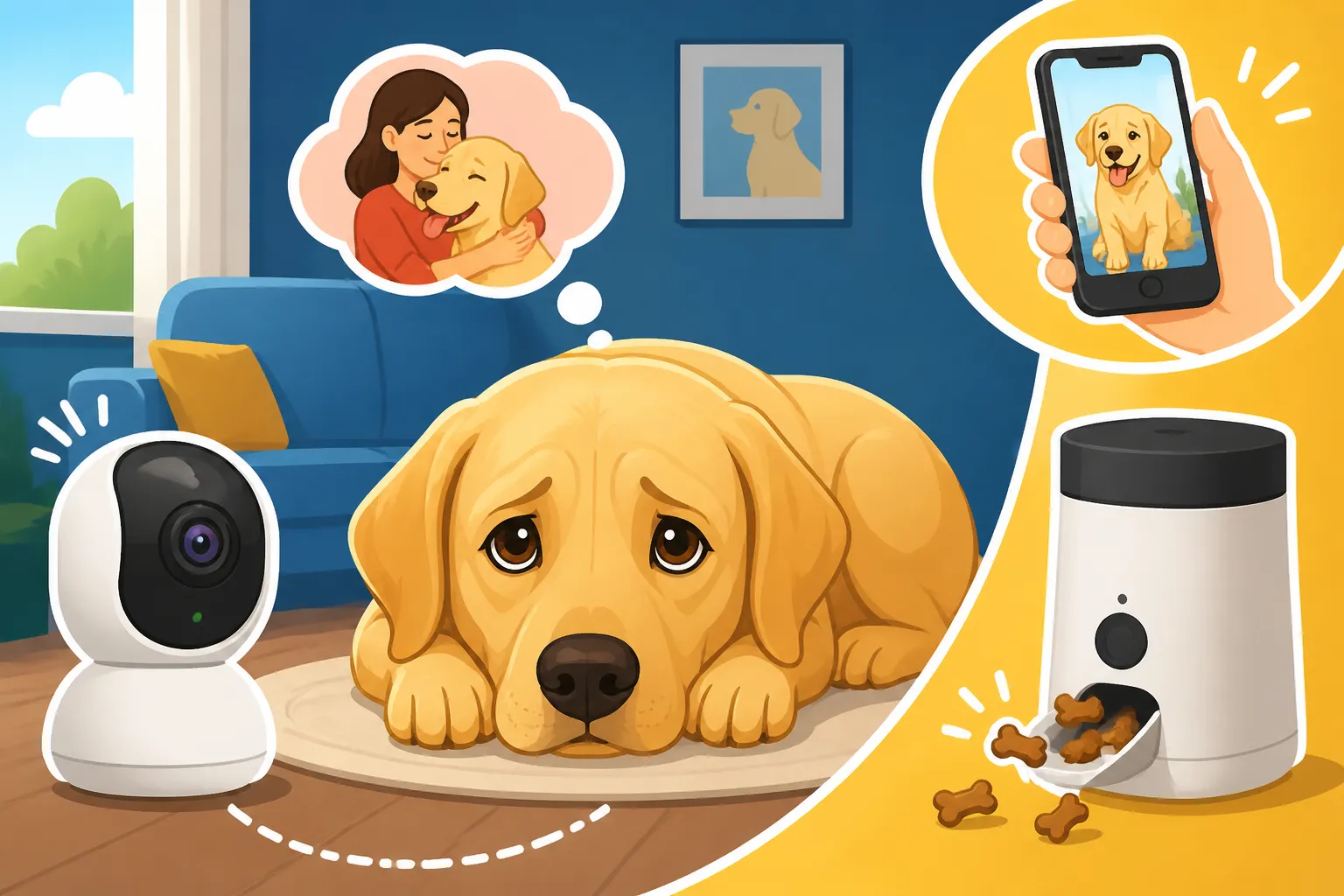
Imagine this scenario: you're at work, glance at your phone, and see your Labrador starting to whine and scratch at the door. Instead of feeling helpless, you can immediately activate your camera's treat dispenser, sending a delicious distraction his way. This instant intervention can de-escalate potential anxiety or boredom-driven destructive behavior before it even fully takes hold. It's about being proactively involved, even when you're not physically present.
This combination allows for dynamic management. You can observe, understand, and then act. If you notice a pattern – say, your Lab always gets restless around lunchtime – you can schedule a treat dispensing during that window, effectively preempting the problem. It allows you to tailor your approach based on real-time information, which is far more effective than simply leaving a bone and hoping for the best. It’s a powerful duo for managing Leaving a Labrador Home Alone with greater confidence.
Gradual Implementation and Adjustment
Successfully using cameras and treat dispensers, especially for a Labrador prone to anxiety, requires a gradual approach. Don't just set them up and expect immediate miracles. Start by introducing the treat dispenser while you're still home, even in the same room. Let your Lab discover it, learn how it works, and associate it with positive experiences. Make it part of their routine. Then, practice short absences. Step out for five minutes, monitor with your camera, and if your Lab remains calm, you can dispense a treat as you return.
Slowly increase the duration of your absences, always monitoring. If you see signs of distress, intervene with your voice or a treat, and then shorten the next practice session. The goal is to build your Labrador's confidence incrementally. This careful, measured approach is fundamental to Building Alone-Time Tolerance in a Labrador Puppy or an adult dog. It's not about tricking them; it's about teaching them that being alone can be a calm, even rewarding, experience. Consistency, patience, and careful observation through your pet camera are your best friends in this process.
| Feature | Pet Camera | Treat Dispenser |
|---|---|---|
| Primary Function | Monitor, observe, record | Distract, reward, enrich |
| Key Benefit | Peace of mind, behavioral insights, data | Reduces boredom/anxiety, positive reinforcement |
| Interaction | Two-way audio, alerts | Remote treat dispensing, scheduled releases |
| Problem Solved | Unknown behavior, missed triggers | Destructive chewing, barking, pacing, boredom |
| Ideal For | Identifying separation anxiety, general monitoring | Redirecting energy, training, mental stimulation |
| Connectivity | Wi-Fi, smartphone app | Wi-Fi, smartphone app |
Ultimately, investing in a pet camera and an interactive treat dispenser for your Labrador isn't just about gadgetry; it's about providing a safety net and a connection when you can't be physically present. It empowers you to understand their struggles, intervene positively, and slowly build their confidence in being alone. With patience and these helpful tools, you can transform alone time from a source of stress into a manageable, even enjoyable, part of your Labrador's day.
Disclaimer
This article is for general informational purposes only and does not constitute professional advice. Laws, prices and regulations vary by location and change over time. Consult a qualified professional for guidance on your specific situation.