How Much Fetch a Labrador Actually Needs
It’s a scene familiar to almost every Labrador owner: you throw the ball, your dog brings it back, drops it at your feet with an expectant stare, and then repeats the entire process, seemingly forever. You might be wondering, is there such a thing as too much fetch? Or perhaps, are you giving your tireless retriever enough? This guide is here to help you understand your Labrador's deep-seated love for the game and how to tailor fetch sessions to truly meet their needs, without overdoing it.
Understanding Your Labrador's Fetch Obsession
If you've ever owned a Labrador, you know their enthusiasm for fetch isn't just a casual pastime; it's a way of life. They live for it, breathe for it, and would probably fetch their own food if they could. This isn't just a quirky personality trait; it's deeply ingrained in their very being.
The Instinctual Retriever
The Labrador Retriever, as their name proudly declares, was literally bred to retrieve. Their ancestors, the St. John's Water Dogs, worked tirelessly alongside fishermen off the coast of Newfoundland, retrieving fish that had fallen from nets and lines, and even bringing ropes ashore. This lineage meant they needed an innate drive to find, carry, and return objects, often in cold, harsh conditions. They were designed for endurance and a "soft mouth" to carry delicate prey without damage.
This isn't just historical trivia; it explains why your modern-day Labrador treats a tennis ball like the most precious treasure on earth. For them, it's not merely a game; it’s fulfilling a centuries-old purpose. When they charge after a thrown object, they are connecting with their ancestral past, embracing the very role they were created for. It’s deeply satisfying for them on a primal level. You can learn more about The Labrador's Fishing and Retrieving Heritage to appreciate just how deep this drive runs.
The Individual Labrador's Energy Levels
While all Labradors share this strong retrieving instinct, the intensity can vary quite a bit from one dog to another. This often comes down to their specific breeding and individual personality. You'll hear about "field line" (or "American") Labradors and "show line" (or "English") Labradors, and these distinctions often correlate with differing energy levels and drive.
Field line Labradors are typically bred for working ability – whether that's hunting, agility, or other dog sports. They tend to be leaner, more athletic, and possess an almost insatiable energy drive. For these dogs, fetch is not just fun; it's a necessary outlet for their boundless energy and working intelligence. A field line Lab might easily go for an hour or more, bringing the ball back with the same zest as the first throw. If you have a Field Line Labrador Traits dog, you'll know exactly what I mean! On the other hand, show line Labradors, while still active and intelligent, are often bred for conformation and a slightly calmer demeanor. They might be a bit stockier and, while they certainly love fetch, they might be satisfied with shorter, less intense sessions. Understanding these nuances, especially if you know your dog’s lineage, can give you a better idea of what to expect. Even within these lines, every dog is an individual; some are couch potatoes in a Lab's body, while others are perpetual motion machines.
How Much Fetch is "Enough"? (And How to Tell)
Figuring out the sweet spot for fetch can feel like a guessing game. You want to make sure your beloved companion is happy and well-exercised, but you also don't want to risk their health. It's a delicate balance that requires keen observation and understanding of your dog's signals.
Signs Your Labrador is Getting Enough Exercise
The primary indicator that your Labrador is getting sufficient physical and mental stimulation isn't just about how much fetch they did that day, but how they behave afterward. A truly satisfied Labrador will be calm, content, and happy to relax in the house. They'll often seek out a comfy spot for a long, well-deserved nap. You might notice them sighing deeply, settling down without nudging you for more attention, or simply chewing on a favorite toy quietly.
If your Labrador is constantly restless, pacing, destructive, barking excessively, or still trying to solicit play even after a good session, it might be a sign they need more, or different, forms of exercise. Remember, fetch is great, but it’s just one piece of the puzzle. A well-exercised Lab often displays good behavior because their physical and mental needs are being met. They’re less likely to be engaging in unwanted behaviors like counter surfing, excessive chewing, or digging because they've used up that pent-up energy in appropriate ways.
Signs You Might Be Overdoing It
While it might seem impossible to wear out a Labrador, it is possible to overdo it, and doing so can have serious consequences. One of the biggest concerns for large, active breeds like Labradors is the strain on their joints. Repetitive, high-impact activities like sprinting and sudden stops involved in fetch can exacerbate or even contribute to conditions like hip or elbow dysplasia, or lead to cruciate ligament tears. Signs of over-exercise might include limping, stiffness (especially after resting), a reluctance to move, or showing pain when touched. If your Lab seems to be struggling to keep up, or outright refusing to retrieve, it's a clear signal to slow down.
Beyond joint issues, watch for signs of general fatigue or overheating. Excessive panting, drooling, or a glazed look in their eyes, especially on warm days, are red flags. Some Labradors, particularly those with a genetic predisposition, can suffer from Exercise-Induced Collapse in Labrador Retrievers, where strenuous activity can lead to wobbly legs, disorientation, and even collapse. It's crucial to be vigilant and know the difference between a tired dog and a dog in distress. Younger puppies, whose growth plates are still open, are especially vulnerable, so check out Exercise Limits for a Labrador Puppy for specific guidance. Always use appropriate, durable fetch toys, like those found on Amazon, that won't break apart and become choking hazards, especially during vigorous play.
Beyond Just Throwing the Ball: Maximizing Fetch Quality
Fetch doesn't have to be a mindless game of toss and retrieve. With a little creativity, you can transform it into a highly enriching activity that challenges your Labrador physically and mentally, making those sessions even more valuable.
Incorporating Training into Fetch
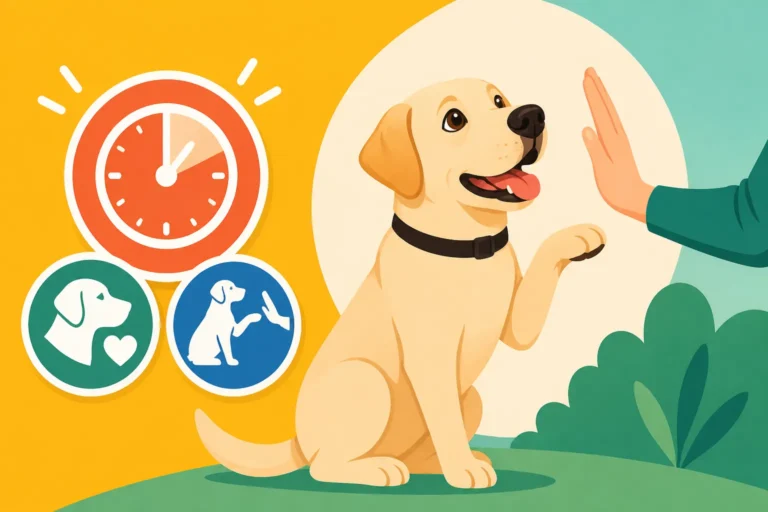
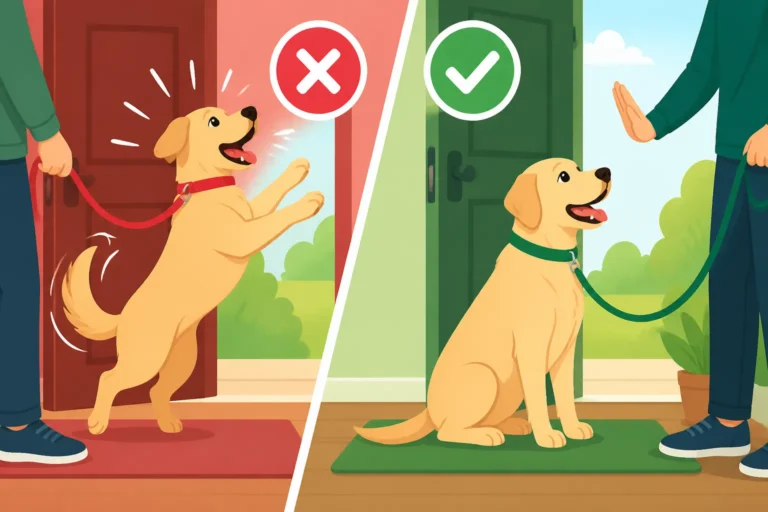
Every fetch session is a training opportunity in disguise. Instead of simply launching the ball the moment your Labrador drops it, introduce some structure. Make them "sit" or "down" and "wait" before you throw. This builds impulse control and patience, which are invaluable skills for a high-drive dog. When they bring the toy back, ask for a "drop it" or "give" before you reach for it. This teaches them to relinquish objects willingly, which can be a lifesaver if they ever pick up something they shouldn't.
You can also incorporate recall practice. Throw the ball, and as your Labrador is retrieving it, call them back to you before they reach the ball, rewarding them for turning and returning. Then, send them back for the ball. This reinforces their recall in a high-excitement scenario. Using a clicker and positive reinforcement, as discussed in Marker Training a Labrador With a Clicker, can make these mini-training moments incredibly effective and fun for your dog. By adding these elements, you're not just exercising their body, but their brain, which can be just as tiring for a clever Labrador.
Fetch Variations for Mental and Physical Engagement
To keep things fresh and provide a more holistic workout, consider varying how and where you play fetch. Instead of the same flat park every day, find different terrains. Throw the ball uphill for an added challenge, or into tall grass where your Labrador has to use their nose to find it – a fantastic way to engage their incredible sense of smell.
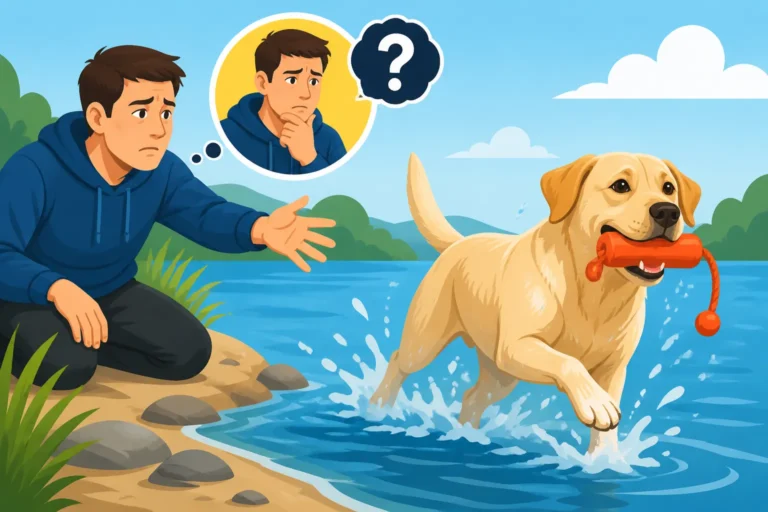
Water retrieves are another phenomenal option for Labradors, as most are natural swimmers and it's much lower impact on their joints than land-based running. If you have access to a safe body of water, tossing a floating toy can provide an excellent workout. Just be mindful of safety, especially in strong currents or cold water. Check out Water Retrieves for a Labrador in Summer for tips on safe water play. You can also play "hide and seek" with the toy, letting your dog watch you hide it (starting easy, then getting harder) and then sending them to "find it." This engages their scenting abilities and problem-solving skills. For more structured and varied play ideas, consider looking into online training programs or resources like BAXTER & Bella, which often provide creative ways to engage your dog beyond basic fetch.
Strategic Rest and Recovery
It's easy to get caught up in the excitement, especially when your Labrador seems tireless, but strategic rest and recovery are just as important as the activity itself. Just like human athletes, dogs need time for their muscles to recover and their joints to rest. Always include a cool-down period after vigorous fetch sessions, perhaps a gentle walk on a leash, allowing their heart rate to come down slowly.
Not every exercise outing needs to be an all-out sprint. Mix in calmer activities, like a leisurely sniff-walk in a new neighborhood or a puzzle feeder session indoors, to provide mental stimulation without the physical intensity. Listen to your dog's cues; if they seem tired or less enthusiastic than usual, it’s okay to cut a session short. This is particularly vital as your Labrador matures. Taking proactive steps to incorporate rest can help with Slowing Joint Decline in an Older Labrador and keep them happily fetching for many years.
Tailoring Fetch to Your Labrador's Age and Health
A puppy's fetch needs are vastly different from those of an adult or senior Labrador. Recognizing and adapting to these stages is paramount for their health and happiness.
Puppy Fetch Guidelines
When you have a Labrador puppy, that boundless energy can be intoxicating, making you want to play all day. However, their little bodies are still developing, and over-exercise can cause irreversible damage. Their growth plates, the soft areas at the ends of their long bones, don't close until they are typically 12-18 months old. Intense, repetitive, high-impact activities like prolonged fetch sessions on hard surfaces can damage these plates, leading to future orthopedic problems.
For puppies, fetch should be about building positive associations and teaching impulse control in short, low-impact bursts. Think 5-10 minute sessions, a few times a day, on soft surfaces like grass. Use soft toys that are easy for their puppy teeth. The goal is fun, not exhaustion. Focus on teaching "drop it" and "wait" rather than marathon retrieving. Their little brains are just as important to tire out as their bodies. Understanding When a Labrador's Growth Plates Close is key to protecting your growing companion.
| Age (Months) | Activity Type | Intensity | Key Considerations |
|---|---|---|---|
| 2-4 | Short, gentle retrieves | Very Low | Soft toys, grass only, focus on fun, 5-10 min bursts, multiple times daily |
| 4-6 | Moderate retrieves | Low-Moderate | Introduce "wait" & "drop it", varied toys, still soft surfaces, watch for fatigue |
| 6-12 | Longer retrieves, vary terrain | Moderate | Avoid forced running, incorporate swimming, still monitor for joint stress |
| 12+ | Full activity (gradual) | Moderate-High | Begin integrating with adult exercise levels, continue joint monitoring |
Adult Labrador Fetch
Once your Labrador reaches adulthood (typically around 18-24 months, when their growth plates have closed and they've finished most of their physical development), they are generally ready for more vigorous and prolonged fetch sessions. This is their prime time for intense physical activity. Most adult Labradors thrive on at least 60-90 minutes of exercise per day, and fetch can certainly be a big part of that.
However, even for adults, variety is key. Don't rely solely on fetch. Mix in brisk walks, hikes, swimming, or even dog park visits. While a 30-minute fetch session can be a great way to burn off energy, consider a longer, calmer walk where they can sniff and explore, as discussed in Daily Walk Length for a Labrador, to engage their minds more deeply. Always pay attention to environmental factors like heat and humidity, which can quickly lead to overheating, especially in dark-coated Labs.
Senior Labrador Fetch
As your beloved Labrador enters their senior years (typically around 7-8 years old), their needs will shift again. Arthritis, joint stiffness, and decreased stamina become more common. While they might still have the spirit for fetch, their bodies often can't keep up like they used to. This doesn't mean fetch is off the table; it just needs to be adapted.
Opt for shorter, gentler sessions on soft, even surfaces. Avoid throwing the ball long distances or requiring rapid changes in direction. Rolling the ball or playing "find it" in the grass can still satisfy their retrieving drive without putting undue stress on their joints. Swimming remains an excellent low-impact exercise for senior Labs, as the water supports their weight. Consider using a buoyant toy that's easy for them to grab. Keeping them moving is important for managing conditions like Arthritis Signs in a Seven-Year-Old Labrador, but it must be done thoughtfully. Always consult with your veterinarian to tailor an exercise plan that supports your senior Labrador's specific health needs. For more comprehensive care advice, refer to Caring for a Senior Labrador.
Ultimately, the "right" amount of fetch is highly individual. It's a conversation between you and your Labrador, where you carefully observe their energy levels, physical condition, and overall demeanor. By understanding their inherent drive, listening to their body language, and adapting your play style through their different life stages, you can ensure fetch remains a cherished and healthy activity for years to come.
Disclaimer
This article is for general informational purposes only and does not constitute professional advice. Laws, prices and regulations vary by location and change over time. Consult a qualified professional for guidance on your specific situation.