Water Retrieves for a Labrador in Summer
Summer heat can be brutal, making those long walks and intense fetch sessions a real challenge for your energetic Labrador. Many of us grapple with how to provide enough exercise without risking heatstroke or simply wilting in the sun ourselves. That's where water retrieves come in, offering a fantastic way to keep your Lab happy, cool, and well-exercised, but there's more to it than just tossing a stick in the nearest pond. This guide will walk you through making summer water retrieves a safe, enriching, and joyful experience for you and your beloved water dog.
Why Water Retrieves Are So Good for Your Labrador in Summer
Labradors, bless their hearts, are practically born with webbed feet and a desire to be wet. Summer water retrieves aren't just a fun pastime; they tap into your dog's very essence and offer a host of benefits that are especially valuable when the temperatures climb.
Tapping into Natural Instincts
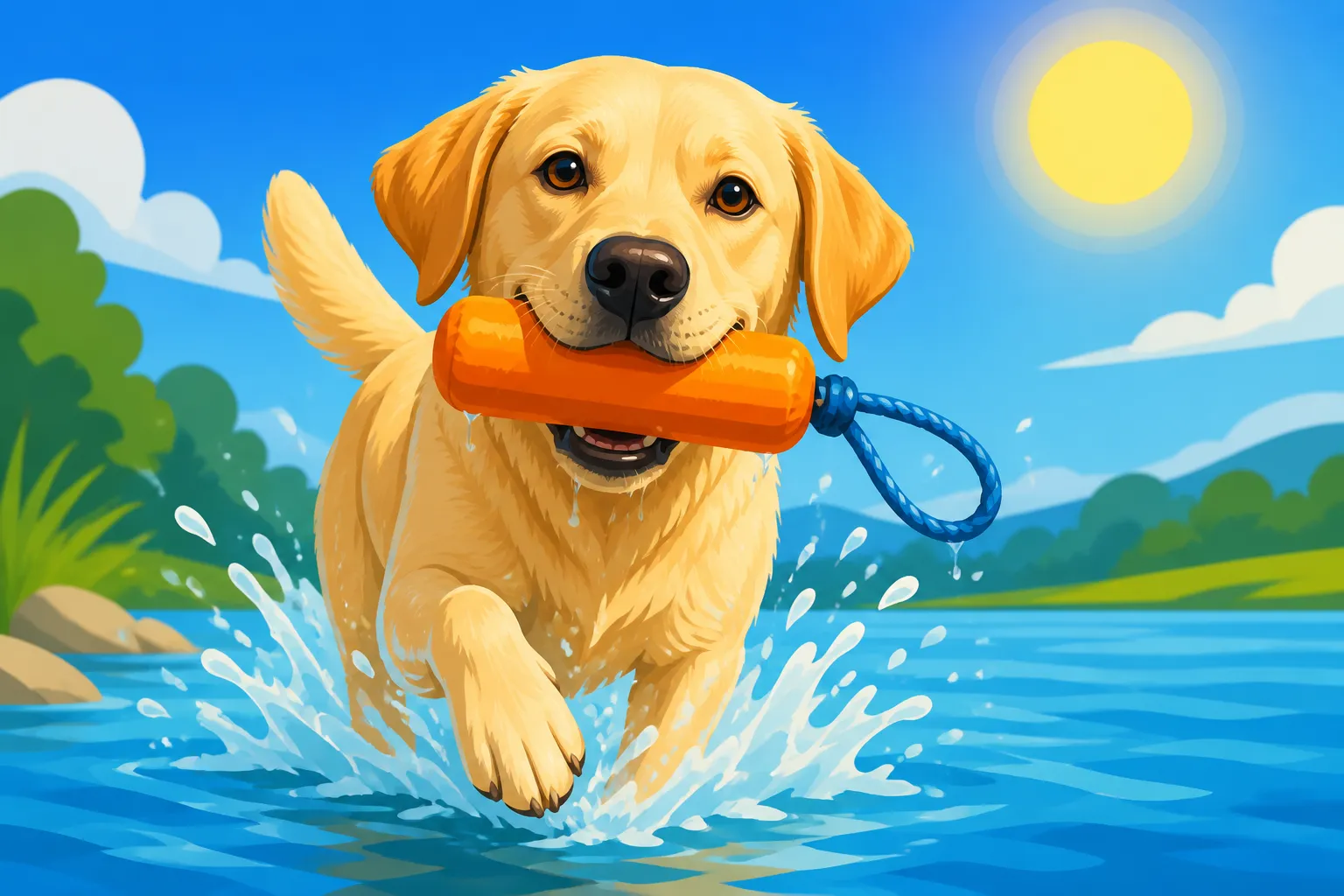
It's no secret that Labradors adore water. This isn't just a cute quirk; it's deeply ingrained in their history. The breed was originally developed to assist fishermen, retrieving nets, lines, and, yes, even fish from the icy waters off Newfoundland. That strong instinct to fetch things from water is a fundamental part of what makes a Labrador a Labrador. When you engage your dog in water retrieves, you're not just playing a game; you're allowing them to fulfill a profound, ancestral drive. This is why many Labs have a natural "soft mouth," meaning they can carry delicate items without damaging them – a trait honed over generations for retrieving game. Engaging this innate ability provides immense satisfaction for your dog and strengthens your bond as you work together. It’s truly incredible to see them in their element, a living testament to The Labrador's Fishing and Retrieving Heritage and Why Labradors Have Soft Mouths.
Fantastic Low-Impact Exercise
One of the biggest struggles during hot summer months is finding adequate exercise for your high-energy Labrador without overheating them or stressing their joints on hard, hot pavements. Swimming is quite simply one of the best forms of exercise a dog can get. It's incredibly low-impact, meaning it puts minimal strain on their joints, which is crucial for a breed prone to hip and elbow issues. Thirty minutes of swimming can often be as tiring, if not more so, than an hour of running on land, burning calories and building muscle without the jarring impact. This makes it an ideal activity for puppies whose growth plates haven't closed yet, or for older Labs with a touch of arthritis. You can learn more about its benefits in Swimming as Exercise for a Labrador. It’s a wonderful alternative to intense land-based activities, especially when considering How Much Fetch a Labrador Actually Needs on a daily basis.
Mental Stimulation and Bonding
Beyond the physical benefits, water retrieves offer a rich source of mental stimulation. Your Labrador isn't just mindlessly swimming; they're tracking the thrown object, navigating the water, and often figuring out the quickest path to retrieve and return it to you. This kind of focused work tires their brains as much as their bodies. The act of retrieving and bringing the item back to you, the shared joy of the game, and the positive reinforcement you provide, all contribute to a stronger, more trusting relationship between you and your dog. It’s an active partnership, a game that you play together, which fosters communication and understanding far beyond simply letting them run around a yard.
Essential Safety Tips for Summer Water Retrieves
While the idea of your Labrador joyfully splashing and retrieving might fill you with warmth, summer fun in the water comes with its own set of potential hazards. Being prepared and mindful of the environment is key to ensuring those happy memories aren't overshadowed by a scary incident.
Choosing the Right Location
Not all bodies of water are created equal when it comes to dog safety. Before you let your Labrador dive in, carefully assess the environment.
- Lakes and Ponds: These can be great, but watch out for blue-green algae, which is highly toxic and often blooms in warm, stagnant water. Check local advisories! Also, be aware of murky water where submerged hazards like sharp rocks, branches, or fishing lines could be hidden. Strong currents can also be an issue, even in what looks like a calm lake.
- Rivers: Rivers can be deceptive. Even a slow-moving river can have strong undertows or sudden drops in depth. Always gauge the current before letting your dog in, and be wary of fast-moving stretches, especially after heavy rains.
- Ocean: The ocean offers endless fun, but rip currents are a serious danger for both dogs and humans. Strong waves can also be overwhelming for some dogs. Always check tide charts and current conditions. Saltwater can also be irritating to their skin and ears, and ingesting too much can cause digestive upset.
- Swimming Pools: Your backyard pool might seem like the safest bet, but chlorine can irritate eyes and skin. Ensure your dog knows how to exit the pool safely – many dogs only know how to get in and struggle to find the steps. Always supervise them closely.
Regardless of the location, avoid areas with heavy boat traffic, fishing activity, or steep, slippery banks. Look for clear water, easy entry and exit points, and a shallow area where your dog can wade in comfortably.
Heatstroke Prevention and Hydration
Even though they're in the water, Labs can still suffer from heatstroke, especially on very hot, humid days or if they are over-exerted. Their dense double coats, while water-repellent, can also trap heat.
- Timing is Everything: Aim for early mornings or late evenings when the sun's intensity is lower and the air temperature is cooler. Avoid the hottest parts of the day between 10 AM and 4 PM.
- Shade and Breaks: Ensure there's ample shade available near your chosen water spot. Force your Labrador to take breaks every 10-15 minutes, moving to a shady area to rest. Offer fresh, cool water frequently. Don't let them drink from potentially contaminated lake or river water, even if they seem thirsty. A portable water bowl and a large bottle of fresh water are absolute must-haves.
- Monitor for Signs: Keep a close eye on your dog for any signs of overheating. Excessive panting, drooling, weakness, stumbling, or bright red gums are all red flags. If you suspect heatstroke, get them to a vet immediately. Knowing Signs of Heatstroke in a Labrador could literally save their life.
Essential Gear
Having the right equipment can make all the difference for safety and enjoyment.
- Life Jacket: This is non-negotiable, especially in open, deeper, or fast-moving water, or for young, old, or less confident swimmers. A good quality life jacket will have a handle on the back for easy lifting and will help keep your dog buoyant and visible. It gives both you and your dog an extra layer of security. Learn more about choosing one in Life Jackets for a Labrador in Open Water. You can find excellent, durable options for all sizes of Labradors on Amazon.
- Floating Toys: Invest in sturdy, highly visible floating toys designed for dogs. Tennis balls can get waterlogged and sink, or worse, get mistaken for fishing bobbers. Rubber dummies, retrieving bumpers, or specific floating discs are ideal. Avoid sticks, as they can splinter and cause internal injuries.
- Long Line: A long line (15-30 feet) can be invaluable for controlling your dog in unfamiliar areas or for working on their recall around water. It allows them freedom to swim while still giving you a safety tether, especially when working on Long Line Work to Build Labrador Recall. Again, Amazon is a great place to find robust long lines.
- First-Aid Kit: Always have a basic pet first-aid kit on hand, including antiseptic wipes, bandages, paw protection, and any specific medications your dog might need. You never know when a minor scrape or bug bite might occur.
| Item | Purpose | Safety Benefit |
|---|---|---|
| Life Jacket | Buoyancy aid, visibility | Prevents drowning, aids tired swimmers, easy rescue |
| Floating Toys | Engaging retrieve item | Highly visible, safe to carry, won't sink |
| Long Line | Control at a distance, recall training | Prevents wandering, ensures safe return to shore |
| Fresh Water | Hydration | Prevents dehydration, avoids contaminated water |
| Portable Bowl | Easy access to fresh water | Encourages hydration |
| Cooling Vest | Body temperature regulation (pre/post swim) | Reduces risk of overheating |
| Towels | Drying off | Prevents skin irritation, ear infections |
| First-Aid Kit | Minor injury treatment | Addresses immediate medical needs |
Training Your Labrador for Safe and Enthusiastic Water Retrieves
Just because your Labrador loves water doesn't mean they automatically know how to retrieve safely and effectively from it. A little training goes a long way in building confidence and good habits.
Starting with the Basics on Land
Before you even get near the water, ensure your Labrador has a solid foundation of obedience on dry land. A reliable recall, a consistent "drop it" command, and general impulse control are absolutely critical. If your dog doesn't consistently bring a toy back to you on land, they certainly won't do it in the water when distractions are high and the urge to just play with the toy is strong.
- Recall: Practice calling your dog back to you from increasing distances and with increasing distractions. Use high-value treats and praise to make coming back the most rewarding thing ever. Remember that water can be an enormous distraction, so their land recall needs to be bomb-proof.
- "Drop It": This command is essential. You need to be able to get the retrieved item from your dog without a tug-of-war. Practice Teaching a Labrador to Drop It Reliably with various toys, always exchanging the item for a treat or another toy to make it a positive experience.
- Retrieve Game: Start with a simple retrieve game in your yard. Throw a toy a short distance, encourage your dog to get it, and praise them heavily when they bring it back. This builds the 'fetch' component before adding the complexity of water.
If you're starting with a young pup, online training resources like those offered by BAXTER & Bella can guide you through building a strong retrieve game on land first, which translates beautifully to water work. Their structured lessons can help you establish these crucial foundational behaviors early on.
Gradual Water Introduction
Even water-loving Labs can sometimes be hesitant about new swimming spots or deep water. A gradual, positive introduction is key.
- Shallow End First: Start in very shallow water, where your dog can easily stand with their paws on the bottom. Wade in with them, making it a fun, calm experience. Toss a favorite floating toy just a few feet away, encouraging them to splash and retrieve.
- Lead by Example (if safe): If you're comfortable, wading or swimming a short distance yourself can encourage a hesitant dog. Your confidence can be contagious.
- Positive Reinforcement: Keep sessions short, fun, and always end on a high note. Lavish praise, treats, and affection for any engagement with the water, no matter how small. Never force your dog into the water or throw them in, as this can create a lifelong aversion.
- Puppies and Limits: For puppies, keep sessions very brief. Their little bodies aren't built for prolonged swimming, and their enthusiasm can quickly turn into exhaustion. Be mindful of Exercise Limits for a Labrador Puppy to prevent injury or overexertion.
Building Retrieve Enthusiasm in Water
Once your Labrador is comfortable in the water, you can start building their enthusiasm for retrieving.
- High-Value Floating Toys: Use toys that your dog absolutely loves and that float well. Some Labs prefer soft dummies, others hard rubber toys. Experiment to see what gets them excited. A new, special toy reserved just for water retrieves can heighten their interest.
- Short, Exciting Throws: Start with short throws, just a few feet from shore, and gradually increase the distance as your dog's confidence grows. Make a big fuss when they bring the toy back, celebrating their success.
- Vary the Retrieve: Sometimes throw it straight out, sometimes along the shore. This keeps them engaged and thinking. If they seem to lose interest, shorten the distance or switch to a different toy.
- Make it a Game, Not a Chore: The goal is for your Labrador to associate water retrieves with pure joy. Keep your energy positive and enthusiastic. If they seem tired or disinterested, it's time to take a break or call it a day.
Troubleshooting Common Water Retrieve Challenges
Even with the best intentions, you might run into some bumps in the road. Labradors are smart, but they're also individuals, and some challenges are common in water retrieve training.
The Reluctant Swimmer
It might seem counterintuitive for a Labrador, but some just aren't as keen on swimming as their breed stereotype suggests. This could be due to a lack of early exposure, a scary experience, or even discomfort with cold water or currents.
- Gentle Encouragement: Never push or throw your dog into the water. Instead, coax them with praise and their absolute favorite toy or treats. Walk with them into shallow water, getting yourself wet too.
- Warm Water: Try introducing them to warmer, calmer water first, like a kiddie pool in the backyard or a very calm lake on a hot day. The temperature can make a big difference.
- Wade In with Them: Sometimes, the best way to get a reluctant swimmer comfortable is to go in with them. If they see you enjoying the water, they might be more inclined to join. Start in an area where you can both stand comfortably.
- Doggy Paddle Lessons: Support your dog with your hands under their belly as they try to paddle. This gives them confidence and helps them understand the motion. A life jacket is excellent for this, as it supports them and allows them to focus on paddling without fear of sinking.
Not Bringing the Item Back
Ah, the "swim out, play with toy, never return" game. This is a common frustration! Your Labrador might love swimming and retrieving but decides that returning the item is optional.
- Focus on the "Return" Part: The retrieve isn't complete until the item is back in your hand. Start in very shallow water, where they can easily wade back to you. When they pick up the toy, immediately call them back with high-pitched praise and take a step backward to encourage movement towards you.
- Reward at Hand-Off: As soon as they bring the toy to you, or even within arm's reach, reward them with a high-value treat or a quick game of tug (if they like that) before asking for "drop it." The reward should be for the entire act of retrieving and returning.
- Use a Long Line (Temporarily): For dogs who "blow you off," a long line can be a game-changer. Attach it to their harness (never just a collar for water work) and let it trail in the water. When they retrieve the toy but hesitate to come back, gently reel them in while giving your recall command and praise. This teaches them that coming back isn't optional, but still keeps it positive.
- Trade-Up: If your Lab is guarding the toy in the water or on shore, try offering a "trade" – a super tasty treat for the retrieved item. This makes dropping the toy a positive exchange rather than a forced surrender.
Overexcitement and Safety
Labradors can get very excited around water, which can sometimes override their manners and even their safety instincts. Lunging, excessive barking, or ignoring commands when near water are signs that you need to work on impulse control.
- "Wait" Command: Practice a strong "wait" or "stay" command before they enter the water or before you throw the toy. Make them hold for a few seconds, then release them with an enthusiastic "okay!" or "retrieve!" This teaches them that calm waiting gets them what they want.
- Leash Up: Keep your Labrador on a leash or long line until you're ready for them to enter the water. This prevents them from bolting in without your permission or before you've assessed the area.
- Consistent Routines: Establish clear routines for approaching and leaving the water. For example, they sit, you put on their life jacket, they wait, you release them. This predictability can help manage their excitement.
- Take Breaks: Don't let your dog become over-tired or over-stimulated. Regular breaks on shore, away from the water's edge, can help them calm down and refocus.
Post-Swim Care
The fun doesn't end when you leave the water. Proper post-swim care is essential for your Labrador's health and comfort.
- Ear Care: Labradors have floppy ears, which, combined with their love for swimming, make them highly susceptible to ear infections. Always thoroughly dry your Labrador's ears after swimming. You can use cotton balls or a soft towel. If your dog is prone to infections, discuss a vet-approved ear cleaning solution with your vet. This is crucial to avoid Labrador Ear Infections and Swimming. More detailed steps can be found in Drying a Labrador's Ears After the Lake.
- Coat Rinse and Dry: If your dog has been swimming in chlorine or saltwater, give them a good rinse with fresh water to remove any irritating chemicals or salt residue. Even in fresh water, a quick rinse can remove any pond gunk or loose fur. Then, towel dry their coat as much as possible to prevent skin irritation or hot spots. You don't need to give a full bath every time, but a good rinse helps. For comprehensive bathing tips, check out How Often to Bathe a Labrador.
- Paw Check: Inspect their paw pads for any cuts, scrapes, or embedded debris from the water's edge.
- Hydration: Offer fresh water on the drive home, as they may still be thirsty even after being in the water.
By being mindful of safety, practicing consistently, and addressing challenges with patience, you and your Labrador can enjoy many wonderful summer days filled with joyous water retrieves.
Disclaimer
This article is for general informational purposes only and does not constitute professional advice. Laws, prices and regulations vary by location and change over time. Consult a qualified professional for guidance on your specific situation.