Exercise a Labrador Needs Each Day
Bringing a Labrador Retriever into your life is an absolute joy, but it also comes with a big responsibility: meeting their boundless energy needs. Many new (and even seasoned!) Labrador owners find themselves overwhelmed, wondering just how much exercise is really enough to keep their cheerful, enthusiastic companion happy, healthy, and out of trouble. It’s easy to feel like you’re constantly battling zoomies or destructive chewing, and that's often a direct sign that your furry friend isn't getting the right type or amount of activity. This comprehensive guide will break down exactly what kind of exercise your Labrador needs each day, from their rambunctious puppyhood through their more sedate senior years, helping you foster a well-adjusted and joyful companion.
Understanding the Labrador's Energy Levels
Before we dive into the "how much," let's talk about the "why." Labradors aren't just high-energy dogs by accident; it's deeply ingrained in their history and genetics. Understanding this fundamental aspect of their being is key to providing them with a fulfilling life.
The Labrador's Working Heritage
Our beloved Labradors trace their lineage back to Newfoundland, where they were indispensable working dogs for fishermen. They were bred to jump into icy waters, retrieve fishing nets, pull lines, and collect stray fish. This demanding job required incredible stamina, strength, intelligence, and a resilient, water-resistant coat. They were companions, but also tools of survival in harsh conditions. When they eventually made their way to England, their retrieving skills were further refined for hunting waterfowl, cementing their reputation as tireless, eager-to-please working dogs.
This heritage means that a Labrador isn't content to be a couch potato all day, even if they sometimes act like one after a long walk! Their minds and bodies are wired for activity, for having a job to do, and for moving. When these innate needs aren't met, that incredible drive can manifest in less-than-desirable ways, like incessant barking, destructive chewing, or even anxiety. It's not naughtiness; it's simply a Labrador trying to express its true nature.
Energy Levels Across Life Stages
Just like humans, a Labrador's exercise needs aren't static; they evolve throughout their life. What's appropriate for a bouncing 10-week-old puppy is vastly different from what a spry 7-year-old needs, or what a slow-moving 12-year-old can handle.
- Puppyhood (8 weeks to 6 months): This stage is characterized by bursts of frantic energy followed by long naps. While they seem to have endless reserves, their growing bodies are fragile. Over-exercising a puppy can lead to serious developmental issues like How Fast Growth Damages a Labrador's Joints. Short, frequent play sessions are the name of the game here.
- Adolescence (6 months to 2 years): Ah, the "teenage" phase! This is often when Labradors hit peak energy levels. They're strong, coordinated, and testing boundaries. It's also a critical time for continued mental and physical development. Owners often feel like their adolescent Lab is a bottomless pit of energy, and they're not wrong!
- Adulthood (2 to 7 years): Most Labradors settle into their adult stride during this period. While still energetic, their boundless puppy enthusiasm often mellows into a more focused, enduring stamina. This is typically the time they can handle the most vigorous and prolonged exercise.
- Seniority (7+ years): As Labradors age, their energy naturally decreases. Arthritis and other age-related conditions can make movement painful or difficult. Exercise becomes less about burning off excess energy and more about maintaining mobility, muscle tone, and mental well-being without causing discomfort. This is often when owners start looking into Caring for a Senior Labrador.
Show Line vs. Field Line Differences
It's also important to acknowledge that not all Labradors are created equal when it comes to energy. There are generally two distinct "types" or "lines" within the breed, often referred to as show (or English) lines and field (or American) lines, though the distinction isn't always perfectly clear-cut.
Show line Labradors are bred to conform to the breed standard in appearance, often having a stockier build, a blockier head, and a generally calmer demeanor. While they still need plenty of exercise, they may not possess the same relentless drive as their field-bred cousins. A show line Labrador might be content with a good hour or so of vigorous activity daily, interspersed with mental stimulation.
Field line Labradors, on the other hand, are bred for their working ability, agility, and endurance. They tend to be leaner, more athletic, and possess an almost inexhaustible energy supply. These Labs were literally bred to work all day in demanding conditions, and their need for physical and mental exertion is significantly higher. If you have a field line Labrador, expect to dedicate more time and creativity to their daily exercise routine. They thrive on having a "job," whether that's retrieving, agility, or competitive obedience.
How Much Daily Exercise Does an Adult Labrador Need?
This is the million-dollar question for many Labrador owners! The short answer is: a lot. But let's break that down into practical terms.
The "Minimum" vs. "Optimal" Daily Walk
For an adult Labrador (typically between 2 and 7 years old), a good baseline is at least one to two hours of dedicated exercise every single day. And when I say "dedicated exercise," I don't mean a leisurely stroll around the block where they sniff every lamppost for 45 minutes. While sniffing is great mental enrichment, it's not enough to get their heart rate up and muscles working.
Think of it this way:
- Minimum: A 45-60 minute brisk walk, jog, or active play session, ideally split into two shorter but equally vigorous outings. This is what you might aim for on a rainy day or when you're simply pressed for time. It's enough to prevent boredom and some destructive behaviors, but it might not fully satisfy a high-energy Lab.
- Optimal: At least two sessions of 45-60 minutes each, incorporating a variety of activities. This could be a morning jog, an afternoon game of fetch, or a long hike. On top of this, you'd want several shorter potty breaks and opportunities for free play in a secure yard if you have one. This level of activity helps keep their weight in check, builds strong muscles, and tires them out both physically and mentally.
It’s easy to look at a sleeping Labrador and think, "Oh, they're fine!" But often, that deep sleep is a result of sheer exhaustion from trying to cope with under-stimulation, rather than contentment. Why Labradors Gain Weight So Easily is often directly linked to insufficient exercise.
Beyond Walks: Incorporating Varied Activities
While walks are essential, relying solely on leash walks can be monotonous for both you and your Labrador. Plus, a fast-moving Lab can pull you right off your feet if they spot a squirrel! Incorporating a variety of activities is crucial for stimulating their minds and working different muscle groups.
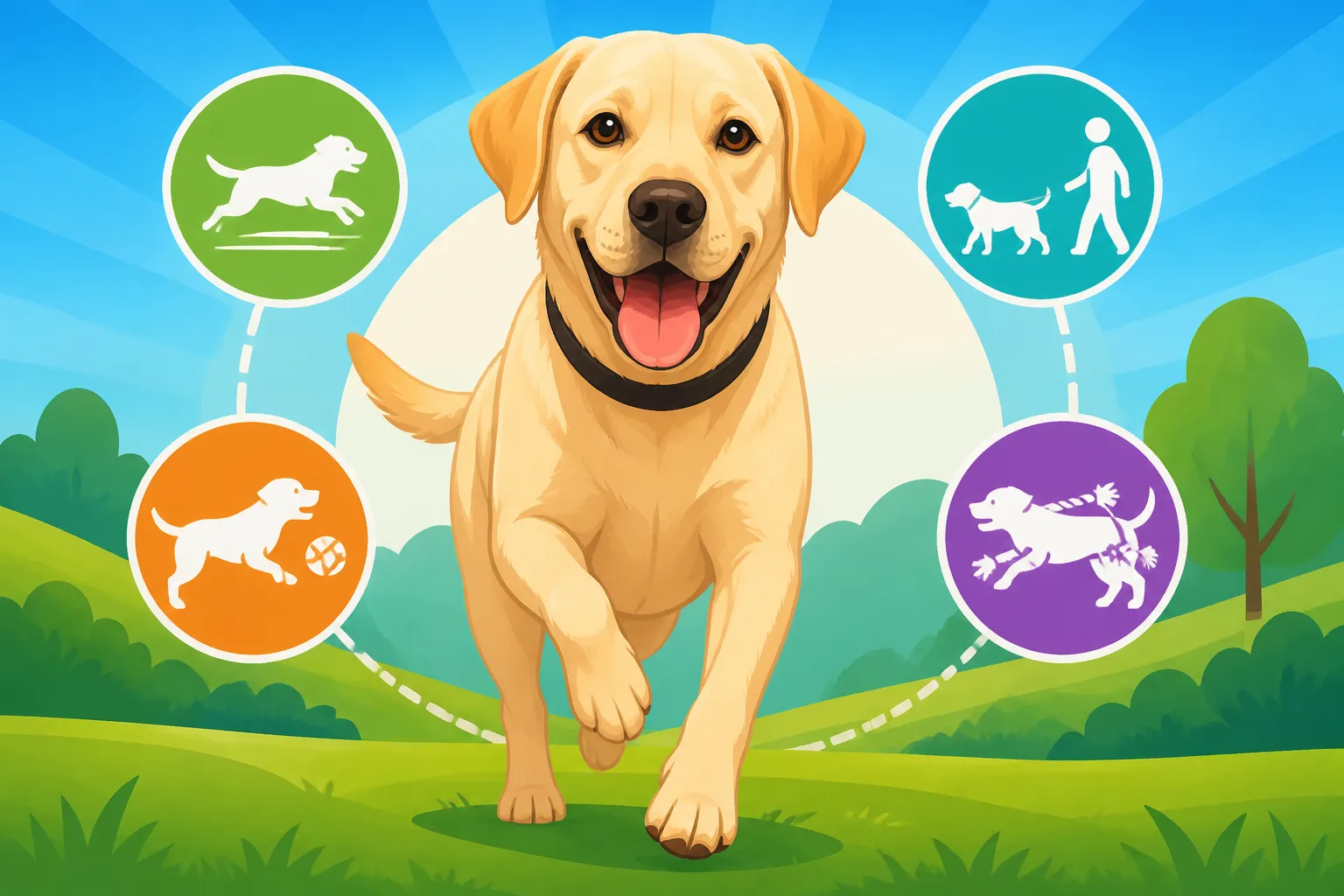
Here’s a table outlining some popular Labrador activities and their benefits:
| Activity | Intensity Level | Key Benefits | Considerations |
|---|---|---|---|
| Brisk Walking/Jogging | Medium-High | Cardiovascular health, endurance, good for muscle tone. | Can be monotonous, needs good leash manners, less mental stimulation than other activities. |
| Fetching | High | Intense bursts of speed, retrieving drive satisfied, builds bond. | Requires space, can be hard on joints if overdone on hard surfaces. Be mindful of How Much Fetch a Labrador Actually Needs. |
| Swimming | Medium-High | Low-impact, excellent for joints, full-body workout, great in warm weather. | Access to safe water, proper drying to prevent ear infections. See Swimming as Exercise for a Labrador. |
| Hiking | Medium-High | Endurance, mental stimulation from new sights/smells, strengthens core. | Check trail safety, paw protection, ensure adequate water for dog. |
| Agility/Obedience | Medium-High | Mental and physical challenge, builds focus, strengthens communication. | Requires training, can be costly for classes, good for highly driven Labs. |
| Scent Work/Tracking | Low-Medium | Intense mental stimulation, problem-solving, uses natural instincts. | Less physically demanding, great for all ages, can be done indoors or out. |
| Dog Park Play | Varies | Socialization, free running, peer interaction. | Requires careful supervision, risk of injury from other dogs, not all Labs thrive in this environment. |
By mixing and matching these, you're not only keeping things interesting but also ensuring your Labrador is getting a well-rounded physical and mental workout.
Listening to Your Labrador's Cues
Every Labrador is an individual. While the guidelines provide a good starting point, it's vital to observe your own dog. A field-bred Lab from working lines might need more than two hours of intense activity, while a more sedate show line might be perfectly content with 90 minutes.
Look for signs of:
- Under-exercising: Destructive chewing (especially when left alone), excessive barking, restlessness, attention-seeking behaviors, digging, "zoomies" indoors that seem out of control. If your Labrador is constantly underfoot, bringing you toys, or pacing, they might be telling you they have too much pent-up energy.
- Optimal exercise: Your Labrador is alert and engaged during activities, happy to settle down afterward, sleeps soundly, and generally has a calm demeanor indoors. They might still be mischievous (that's a Lab!), but it won't be out of boredom.
- Over-exercising: Limping, reluctance to move, excessive panting long after exercise, unusual stiffness, or changes in gait. Puppies and senior dogs are especially susceptible to this. Always err on the side of caution. Signs a Labrador Is Overexercised covers this in more detail.
Remember, your Labrador relies on you to understand their needs. A big part of being a responsible owner is tuning into these subtle cues and adjusting their routine accordingly.
Exercise for Labrador Puppies and Adolescents
Puppyhood and adolescence are unique stages with specific exercise requirements that, if misunderstood, can lead to problems down the road. It’s a fine balance between providing enough activity for their developing bodies and minds without overdoing it.
The 5-Minute Rule for Puppies
This is a golden rule for all large breed puppies, and especially Labradors. The "5-minute rule" states that a puppy should get approximately 5 minutes of structured exercise per day for each month of their age, up to twice a day.
So, for example:
- 2-month-old puppy: 10 minutes, twice a day (20 minutes total)
- 3-month-old puppy: 15 minutes, twice a day (30 minutes total)
- 4-month-old puppy: 20 minutes, twice a day (40 minutes total)
This structured exercise includes leash walks, supervised play in a yard, or short training sessions. It doesn't include the frantic bursts of puppy play they do on their own, which is usually self-limiting as they tire themselves out. The key here is structured exercise, where you're actively directing the activity. The aim is to prevent putting excessive strain on their still-developing growth plates and joints. For a deeper dive, check out Exercise Limits for a Labrador Puppy.
Protecting Growing Joints
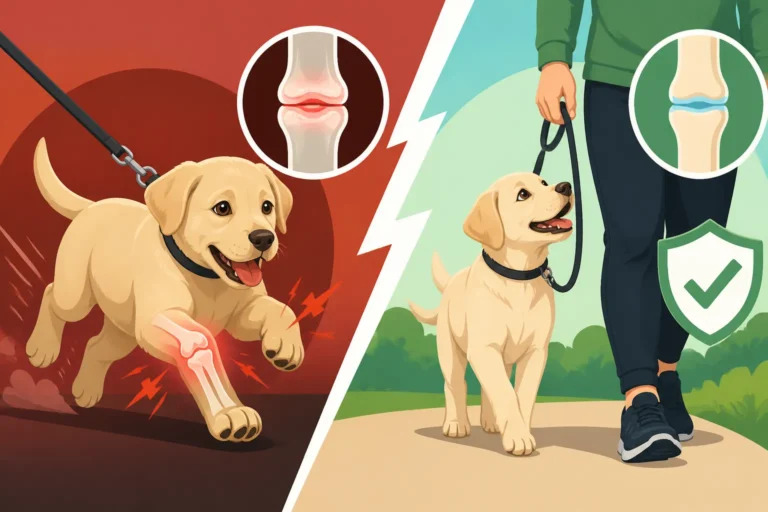
Labradors are prone to joint issues like hip and elbow dysplasia, which can be exacerbated by inappropriate exercise during their formative months. This means avoiding high-impact activities while they are still growing.
- Avoid: Repetitive jumping, long runs on hard surfaces (like pavement or concrete), excessive stair climbing, and prolonged, strenuous activities like long-distance fetching or running next to a bicycle. While a quick dash or two is fine, sustained impact can be detrimental.
- Encourage: Controlled leash walks, soft-surface play (grass, sand), gentle swimming (supervised!), and short bursts of play. Focus on activities that build muscle evenly without jarring their joints. A game of hide-and-seek with treats in the house is perfect, or a short romp in the grass. This is also a good time to introduce them to different textures and sounds, aiding in their overall Socializing a Labrador Puppy.
Remember, those growth plates in their bones don't fully close until around 12-18 months of age, depending on the individual dog. Until then, caution is paramount. It might feel like you're holding back their enthusiasm, but you're actually investing in their long-term soundness and health.
Navigating Adolescent Energy Surges
As your Labrador puppy transitions into adolescence (roughly 6 months to 2 years), their energy levels will often skyrocket. They're no longer fragile puppies, but they're not fully mature adults either. This phase can be incredibly challenging for owners!
During adolescence, your Labrador has more endurance and strength, but their decision-making skills (and impulse control!) are still very much under construction. This means you might be dealing with a powerful dog that still forgets its manners or has bursts of "selective hearing."
- Increase Duration and Intensity Gradually: You can start increasing the length and intensity of their exercise sessions. Instead of 15-minute walks, you might do 30-45 minutes. Introduce short, supervised off-leash play in safe, enclosed areas.
- Focus on Training during Exercise: This isn't just about physical exertion; it's about channeling their drive. Use walks as opportunities to practice loose-leash walking, recalls, and focus exercises. A tired mind is just as important as a tired body for an adolescent Labrador. Labrador Recall and Working Off Leash becomes crucial here.
- Vary Activities: Keep them guessing! Mix up walks with short swims, retrieving sessions, and plenty of mental games. This helps prevent boredom and keeps them engaged with you.
Adolescence is when many Labradors end up in shelters because owners underestimate the sheer amount of energy and patience required. It's tough, but consistent, appropriate exercise paired with ongoing training will help you both come out on the other side with a well-adjusted adult dog.
Exercising the Senior Labrador Retriever
Just as puppies have unique needs, so too do our beloved senior Labradors. Their bodies might be slowing down, but their hearts and minds still crave connection and activity. It’s about adaptation, not abandonment, when it comes to keeping them moving.
Adapting to Slower Paces and Aches
As Labradors age, it's common for them to develop arthritis, stiffness, or other health conditions that make vigorous exercise uncomfortable or even dangerous. Their stamina decreases, and they recover more slowly. This doesn't mean they should stop exercising altogether; in fact, gentle movement is often vital for managing joint pain and maintaining muscle mass.
- Shorter, More Frequent Outings: Instead of one long walk, consider several shorter, gentle strolls throughout the day. A 15-20 minute sniffari in the park a few times a day can be far more beneficial than pushing for one 60-minute trek.
- Adjust Speed: Let your senior Labrador set the pace. If they want to stop and sniff, let them. If they start to lag, it’s a sign they’re tiring. Your goal is movement, not speed records.
- Observe Closely: Pay extra attention to how they move before, during, and after exercise. Are they limping more? Do they struggle to get up after a nap? These are signs that you might need to further modify their routine or consult your vet about pain management. Labrador Arthritis in Middle Age is a common concern that warrants close attention.
Low-Impact Activities for Joint Health
When it comes to senior Labradors, low-impact activities are your best friend. These activities allow them to move their bodies and build muscle without putting undue stress on aging joints.
- Swimming: This is often the gold standard for senior dogs. The buoyancy of water supports their body weight, allowing them to use their muscles and cardiovascular system without impact. A gentle swim in a heated pool (if available) or calm, warm lake can be incredibly therapeutic. Many canine rehabilitation centers offer hydrotherapy for this very reason.
- Slow, Leash-Guided Walks on Soft Surfaces: Think grassy parks, soft dirt trails, or even a sandy beach. Avoid pavement or uneven terrain that could cause a stumble. A quiet walk on a long line in an open field can also allow for gentle exploration without overexertion.
- Gentle Play: A game of "find the treat" in the living room or rolling a soft ball can still engage them without being too strenuous. Tug-of-war, if they still enjoy it, should be gentle and short.
The key is consistency and moderation. A little bit of appropriate exercise every day is far better than sporadic bursts of activity that might lead to injury or soreness.
Maintaining Mental Engagement
While their physical capabilities might wane, a senior Labrador's mind is often still sharp and eager for engagement. Mental stimulation is just as important as physical activity for their overall well-being. It helps to stave off cognitive decline and keeps them feeling involved and purposeful.
- Puzzle Toys: These are fantastic for seniors. Load them with a portion of their meal, and let them work to get the kibble out. There are many options available on Amazon or Chewy for various difficulty levels.
- Scent Games: Hide treats around the house or yard and encourage them to "find it!" This taps into their incredible sense of smell and is low-impact. Even a blind or deaf senior can participate and enjoy scent games.
- Short Training Refreshers: Go back to basics with familiar commands like "sit," "stay," or "down." The mental effort and positive reinforcement can be very rewarding for them. Keep sessions short and positive, ending on a high note.
- New Experiences (Gentle Ones): A short, slow car ride to a new park (even if it's just to sniff around for a few minutes), or visiting a quiet pet-friendly store, can provide novel stimuli without physical strain.
Keeping a senior Labrador engaged both physically and mentally helps maintain their quality of life and continues to strengthen the bond you share. It’s a beautiful way to honor their golden years.
Types of Exercise Labradors Love
Labradors thrive on having a purpose, and their exercise should tap into their natural instincts. Thinking beyond just "a walk" opens up a world of fun and enriching activities for both of you.
The Joy of Retrieving and Fetch
It's in their name, isn't it? Retriever! Labradors were bred to fetch, and they absolutely adore it. This instinctual drive makes retrieving games one of the most effective and enjoyable forms of exercise for them.
- Classic Fetch: A tennis ball, a bumper, or a favorite squeaky toy – nothing makes a Labrador happier than chasing it down and bringing it back. Use a durable, safe toy that can withstand their strong jaws. Just be mindful of surfaces; playing fetch on soft grass is much better for their joints than concrete.
- Water Retrieves: If you have access to a safe body of water, water retrieves are a Labrador's paradise. Their webbed feet and otter-like tail make them incredible swimmers, and retrieving from water is a full-body, low-impact workout that truly brings out their joy. Always ensure water is clean and calm, and supervise them closely. Many dogs adore Water Retrieves for a Labrador in Summer.
- Multiple Retrieves: For advanced Labs, try throwing two or three bumpers in different directions and having them retrieve them in a specific order. This adds a mental challenge to the physical exertion.
While fetch is amazing, it's possible to overdo it, especially with high-drive Labs who will literally play until they drop. Be aware of signs of fatigue and heatstroke, particularly on warm days. Always incorporate breaks and ensure access to fresh water.
Swimming: The Ultimate Labrador Workout
Swimming is arguably the perfect exercise for a Labrador. It engages every muscle group, provides excellent cardiovascular conditioning, and is incredibly gentle on their joints. This is a huge benefit for a breed prone to hip and elbow issues, as well as for older Labs.
- Building Confidence in Water: Not all Labradors are born loving water, despite their reputation! Introduce them gradually to shallow, calm water. Make it a positive experience with treats and toys. Never force a dog into water.
- Safety First: Always choose safe swimming spots free of strong currents, sharp objects, or dangerous wildlife. A life jacket is highly recommended, especially for young puppies, older dogs, or if you're in open water. Even strong swimmers can tire.
- Post-Swim Care: Labradors have dense double coats that are water-repellent, but they can hold moisture, especially in their floppy ears. Always thoroughly dry their ears after swimming to prevent ear infections. A quick rinse with fresh water can also help remove chlorine or lake residue. Check out Drying a Labrador's Ears After the Lake for more tips.
Whether it's a backyard dog pool, a local lake, or a dog-friendly beach, swimming offers unparalleled benefits for your Labrador's physical and mental health.
Hiking, Running, and Canine Sports
For those with adventurous spirits, Labradors make fantastic partners for more intense activities. These options can satisfy the needs of even the most energetic field line Labrador.
- Hiking: Long hikes offer both physical challenge and incredible mental stimulation from new sights, sounds, and smells. Choose trails appropriate for your Labrador's age and fitness level, and always carry plenty of water for both of you. Be mindful of paw pads on rough terrain and check for ticks afterward.
- Running/Canicross: If you're a runner, a healthy adult Labrador can make an excellent running companion. Start with short distances and gradually increase. Always build up their endurance slowly, just as you would for yourself. Ensure they have proper gear like a hands-free running leash and a comfortable harness. Never run with a puppy or an unconditioned dog.
- Canine Sports: Labradors excel in a variety of organized dog sports that combine physical exertion with mental focus.
- Agility: Navigating obstacle courses is a fantastic way to challenge their bodies and minds.
- Obedience/Rally: While not as physically demanding as agility, competitive obedience requires incredible focus and precision, providing significant mental exercise.
- Dock Diving: If your Lab loves to swim and retrieve, dock diving—where dogs jump off a dock into a pool to retrieve a toy—is a natural fit and a blast to watch (and do!).
- Field Trials/Hunt Tests: For Labs from working lines, these events tap directly into their genetic heritage, simulating hunting scenarios and requiring advanced retrieving skills, steadiness, and endurance. Training a Labrador for Gundog Work goes into more detail.
No matter which activities you choose, remember that variety is the spice of life for a Labrador. Mixing up their routine keeps them engaged, prevents boredom, and ensures they're getting a well-rounded workout.
Mental Stimulation: The Other Half of Exercise
It's a common misconception that "exercise" only means physical activity. For an intelligent breed like the Labrador, mental stimulation is just as crucial for their well-being. A physically tired Labrador with a bored mind can still be a destructive or anxious dog. Think of it as brain exercise!
Puzzle Toys and Enrichment Activities
Labradors are problem-solvers, and they love to work for their food. Puzzle toys and enrichment feeders are perfect for tapping into this drive and providing mental engagement.
- Food Dispensing Toys: Brands like Kong or other puzzle balls, available on Chewy or Amazon, can be stuffed with kibble, peanut butter, or frozen treats. Your Labrador has to figure out how to get the food out, which can keep them occupied for a surprising amount of time. This slows down greedy eaters and provides a constructive outlet for their food drive.
- Snuffle Mats: These mats have fabric strips where you can hide kibble or small treats. Your Labrador uses their nose to "snuffle" out the food, engaging their natural foraging instincts.
- Lick Mats: Spread a thin layer of peanut butter (xylitol-free!), yogurt, or pureed pumpkin on a lick mat. The repetitive licking action is self-soothing and mentally engaging, perfect for calming a high-energy dog or distracting them during grooming.
- "Find It" Games: Simply hide their kibble or favorite treats around a room and tell them to "find it!" This is a low-cost, low-impact game that engages their incredible sense of smell.
Incorporating just 15-30 minutes of mental enrichment daily can make a huge difference in your Labrador's overall contentment and reduce unwanted behaviors.
Training Sessions and Brain Games
Training isn't just about obedience; it's a fantastic way to bond with your Labrador and give their intelligent brains a workout. Labradors are eager to please and love to learn, making them ideal candidates for ongoing training.
- Short, Frequent Training Sessions: Instead of one long, boring session, aim for 5-10 minute training bursts scattered throughout the day. This is perfect for a Labrador's attention span and helps reinforce good behavior. Practice basic commands like "sit," "stay," "down," and "come."
- Learn New Tricks: Beyond basic obedience, teaching your Labrador fun tricks like "shake a paw," "roll over," or "bow" is a wonderful way to challenge their minds. It’s also a great way to impress your friends!
- "Name Game": Teach your Labrador the names of their toys. Start with two distinct toys. Say "get ball," and reward when they bring the correct one. Gradually increase the number of toys. This builds their vocabulary and problem-solving skills.
- Concept Training: Teach them concepts like "touch" (to touch your hand or an object with their nose) or "target." These foundation skills can then be used to teach more complex behaviors.
Consistent, positive reinforcement training not only makes your Labrador a well-behaved companion but also provides crucial mental exercise. Short Training Sessions That Suit a Labrador emphasizes this approach.
Scent Work and Nose Games
A Labrador's nose is an incredibly powerful tool, arguably their strongest sense. Engaging it in scent work provides unparalleled mental stimulation and can be done indoors or out, making it ideal for Tiring a Labrador on a Rainy Day or for less mobile seniors.
- Introduction to Scent Work: Start simply by hiding a high-value treat under one of several cups and letting your Labrador sniff out which cup it's under. Gradually make it more challenging by hiding treats in different rooms or under objects.
- Tracking Games: Use a long line to lay a short, simple track in your yard. Place small treats along the track, and encourage your Labrador to follow the scent. As they get better, make the tracks longer and more complex, gradually reducing the number of visible treats.
- Competitive Scent Work (Nose Work): If your Labrador shows a real aptitude and enjoyment for scent games, you might consider enrolling in a Nose Work class. This sport involves teaching dogs to find specific target odors (like birch or anise) hidden in various environments. It's an incredibly engaging and rewarding activity that many Labradors adore.
- "Shell Game": Place a treat under one of three identical bowls. Shuffle them around and let your Labrador indicate which bowl has the treat. This is a quick and fun brain game.
By tapping into their natural olfactory abilities, you’re providing a deeply satisfying form of mental exercise that often tires them out more than a long walk, without the physical impact.
Over-Exercising and Under-Exercising: Signs and Risks
It's a tricky balance to strike: providing enough activity without pushing them too far, and ensuring they don't become bored and destructive. Both over-exercising and under-exercising carry risks for your Labrador.
Recognizing the Signs of Fatigue and Injury
It's easy to push an eager Labrador too far, especially if they have that typical "no quit" attitude. Knowing the signs of overexertion or injury is crucial for their safety.
- Excessive Panting or Drooling: While panting is normal during exercise, if it continues for a long time after the activity has stopped, or is unusually heavy, it could indicate overexertion or overheating.
- Lethargy or Reluctance to Move: If your normally enthusiastic Labrador is slow to get up, doesn't want to engage, or seems generally "off" after exercise, they might be overly tired or sore.
- Limping, Stiffness, or Changes in Gait: Any noticeable limp, a stiff appearance, or a change in how they walk (e.g., favoring a leg, moving gingerly) is a red flag. This could indicate muscle strain, joint pain, or even a more serious injury. Labrador Hip Dysplasia Signs and Onset are important to be aware of.
- Dragging Paws or Scuffing Nails: This can be a sign of fatigue or nerve damage, making it hard for them to lift their feet properly.
- Loss of Coordination: If they stumble, seem clumsy, or have difficulty balancing, stop the activity immediately.
- Heatstroke Symptoms: Labradors, especially black ones, can be prone to heatstroke due to their dense coats and high energy. Signs include very rapid, noisy panting, bright red gums, thick sticky saliva, weakness, vomiting, and collapse. This is an emergency! Heat Tolerance in a Black Labrador highlights this concern.
If you observe any of these signs, stop the activity, offer water, and allow them to rest. If symptoms persist or worsen, contact your veterinarian immediately. It's always better to be safe than sorry, especially with joint issues.
The Dangers of Insufficient Exercise
While over-exercising is a concern, insufficient exercise poses its own set of problems for Labradors, impacting both their physical and mental health.
- Obesity: This is perhaps the most common and devastating consequence. Labradors are naturally prone to weight gain, and without enough activity to burn calories, those extra pounds pile on quickly. Obesity significantly shortens their lifespan, worsens joint problems, and increases the risk of various diseases like diabetes and certain cancers. Labrador Obesity and the Years It Costs is a stark reminder of this danger.
- Destructive Behaviors: A bored Labrador is a destructive Labrador. Chewing furniture, shoes, or digging up the yard are often outlets for pent-up energy and frustration. They're not being "bad"; they're simply trying to entertain themselves in the only ways they know how.
- Excessive Barking: Constant barking, especially at sounds or sights that wouldn't normally bother them, can be a sign of boredom and under-stimulation.
- Anxiety and Restlessness: Labradors who don't get enough physical and mental outlets can become anxious, pacing, whining, or displaying obsessive behaviors.
- Poor Socialization: Lack of exercise can lead to reactivity or frustration when encountering other dogs or people, as they haven't had enough appropriate outlets for their energy.
- Muscle Atrophy: Without regular use, muscles weaken, making them more susceptible to injury and worsening existing joint conditions.
Preventing these issues is straightforward: commit to a consistent, varied exercise routine that meets your Labrador's individual needs.
Preventing Heatstroke and Overexertion
Labradors, with their thick double coats and enthusiasm, are particularly susceptible to heatstroke. It's a serious, life-threatening condition that requires vigilance.
- Time Your Outings: Avoid exercising during the hottest parts of the day, especially in summer. Early mornings and late evenings are generally safer.
- Provide Water: Always carry fresh water for your Labrador on walks, hikes, or play sessions. Offer it frequently.
- Seek Shade: Plan routes that offer plenty of shade, and ensure there's a shaded rest spot if you're playing in a park.
- Know Your Dog's Limits: Some days, your Labrador might be less energetic due to humidity or simply not feeling 100%. Adjust the intensity and duration accordingly.
- Pavement Check: If the pavement is too hot for your bare hand, it's too hot for your Labrador's paws. Walk on grass or dirt instead, or use paw protection.
- Never Leave in a Car: Even on mild days, car interiors can quickly reach deadly temperatures.
By being proactive and mindful of environmental conditions and your Labrador's individual response, you can ensure their exercise routine is safe and beneficial.
Creating a Balanced Exercise Routine
So, how do you put all this information into practice? Creating a balanced exercise routine for your Labrador involves consistency, variety, and flexibility. It's about integrating their physical and mental needs into your daily life.
Sample Daily Schedule
Here's a sample schedule for an adult Labrador. Remember, this is just a template, and you'll need to adjust it to fit your own lifestyle and your dog's specific energy levels.
| Time Slot | Activity | Duration (Approx.) | Purpose |
|---|---|---|---|
| Morning | Potty break, then a vigorous walk, jog, or off-leash play (if safe and appropriate). Could include some short retrieving or fetch. | 45-60 minutes | Burn off morning energy, cardiovascular health. |
| Late Morning | Mental puzzle toy or chew toy (e.g., Kong stuffed with breakfast). | 20-30 minutes | Mental stimulation, keeps them occupied while you work/do chores. |
| Midday | Quick potty break, stretch legs. | 10-15 minutes | Comfort break, prevents restlessness. |
| Afternoon | Dedicated play session (fetch, tug), training refreshers, or a sniffari walk in a new location. | 30-45 minutes | Second major energy outlet, reinforcing training. |
| Late Afternoon | Dinner served in a slow feeder bowl or scatter-fed in the yard. | 15 minutes | Slows eating, engages foraging instincts. |
| Evening | Calm leash walk, short "find it" game indoors, cuddle time. | 20-30 minutes | Wind-down activity, bonding, last potty break before bed. |
This schedule provides a good mix of physical exertion, mental challenges, and rest periods. Remember to factor in unexpected events – a rainy day might mean more indoor games; a beautiful day might mean a longer hike.
Consistency is Key
Labradors thrive on routine. While variety in activities is great, consistency in when and how often they get exercise is even more important. A predictable schedule helps manage their energy and reduces anxiety.
- Set a Schedule: Try to maintain roughly the same times for major walks and play sessions each day. Your Labrador will learn the routine and anticipate their activities, making them calmer in between.
- Even on Off Days: Even if you're feeling under the weather or it's pouring rain, your Labrador still needs an outlet. On these days, lean heavily on indoor mental games, short potty breaks, and perhaps a quick, focused training session. Brands like Ollie offer healthy, high-value treats that can be excellent motivators for these indoor training sessions.
- Delegate if Necessary: If you have a busy week, consider a dog walker or doggy daycare for a few days to ensure your Labrador doesn't miss out on their much-needed activity. Many services are listed on platforms like Rover or local community boards.
A consistent routine helps regulate their energy, reduces destructive behaviors, and fosters a sense of security and well-being for your Labrador.
When to Consult a Professional
Sometimes, despite your best efforts, you might feel like you're struggling to meet your Labrador's needs, or you encounter specific challenges. Don't hesitate to reach out for professional help.
- Veterinarian: If your Labrador shows signs of pain, lameness, or decreased energy that isn't age-appropriate, a vet visit is essential. They can diagnose underlying health issues like Labrador Hip and Elbow Dysplasia or arthritis and recommend appropriate exercise modifications or treatments.
- Certified Professional Dog Trainer (CPDT): If your Labrador's high energy manifests as behavioral problems like excessive pulling on the leash, reactivity, or destructive chewing that you can't manage, a trainer can provide personalized strategies and guidance. They can also help you explore dog sports or activities that might suit your specific Labrador.
- Canine Physical Therapist: For Labradors recovering from injury, managing chronic conditions like arthritis, or needing specific muscle strengthening, a canine physical therapist can create a tailored exercise program, often incorporating hydrotherapy, therapeutic exercises, and massage.
There's no shame in seeking expert advice. It shows you're committed to providing the best possible life for your Labrador, and sometimes, a little professional guidance can make all the difference.
Disclaimer
This article is for general informational purposes only and does not constitute professional advice. Laws, prices and regulations vary by location and change over time. Consult a qualified professional for guidance on your specific situation.