Labradors in Service and Detection Work
It's truly remarkable how many people think of Labradors primarily as family pets, wonderful as they are in that role, and completely overlook the incredible, life-changing work these dogs do every single day. Their intelligence, eagerness to please, and unwavering devotion make them truly exceptional partners in service and detection. This guide will dive deep into the diverse and vital jobs Labradors perform, from guiding the blind to sniffing out contraband, and explore the rigorous journey that transforms a playful puppy into a highly skilled working dog.
The Foundation: Labrador Temperament for Service Work
Labradors aren't just chosen for service and detection work by chance; their breed traits make them uniquely suited to these demanding roles. They possess a remarkable combination of characteristics that, when properly nurtured and trained, become superpowers in the working world. It's these inherent qualities that set them apart and make them such reliable and effective partners for humans in need or in dangerous situations.
Unwavering Eagerness to Please
One of the most defining characteristics of a Labrador is their profound desire to please their human companions. This isn't just a cute quirk; it's a cornerstone of their trainability. A Labrador inherently wants to do what you ask, to make you happy, and to earn that praise or reward. This strong drive forms the bedrock of their training, allowing handlers and trainers to build complex behaviors and responses with relative ease. They thrive on positive reinforcement and will tirelessly work to achieve the desired outcome, making them incredibly cooperative students.
This eagerness also translates into incredible focus. While a typical pet Labrador might get distracted by a squirrel or a new smell, a working Labrador, especially one in training, channels that desire to please into staying on task. This is crucial for environments where distractions are plentiful, such as busy airports or crowded public spaces. A dog that is constantly looking to its handler for direction and approval is far less likely to become sidetracked, ensuring the safety and effectiveness of its work. Understanding Labrador Temperament and Personality is key to appreciating this trait.
High Intelligence and Trainability
Labradors consistently rank high on intelligence scales, and for good reason. They are quick learners, capable of understanding and executing a vast array of commands, often in complex sequences. This cognitive ability is vital for service dogs who need to learn intricate tasks, like opening doors, picking up dropped items, or alerting to specific medical conditions. Their problem-solving skills also shine through, as they can adapt to unexpected situations and make appropriate decisions under the guidance of their handler.
Beyond just learning commands, Labradors show remarkable retention. Once a skill is learned, it tends to stick, which is essential for jobs where consistency is paramount. Their intelligence also allows them to generalize skills, applying what they've learned in one environment to another, which is a significant advantage when working in diverse settings. The journey of Training a Labrador From Puppy to Adult is truly a testament to their remarkable capabilities.
Calm Demeanor and Stability
While Labradors are known for their exuberance and puppy-like energy well into adulthood, a well-bred and properly socialized Labrador also possesses a profound calmness and emotional stability that is indispensable for service work. They can remain steady and unfazed in high-stress environments, whether it's navigating bustling city streets or staying composed during a medical emergency. This calm demeanor ensures they don't become overwhelmed, allowing them to perform their duties reliably.
This inherent stability is often linked to careful breeding practices that prioritize sound temperament. A dog that is easily startled, anxious, or reactive would simply not be suitable for roles where public safety or a vulnerable person's well-being depends on their composure. They are less likely to exhibit fear or aggression, making them safe and approachable partners in any setting. This stable temperament is a major reason why Labradors for First-Time Dog Owners are often recommended.
Different Types of Service Roles for Labradors
The sheer versatility of the Labrador Retriever means they excel in a wide array of service roles, each demanding a unique blend of their inherent talents. These aren't just "assistance dogs" in a generic sense; they are highly specialized professionals tailored to specific human needs.
Guide Dogs for the Blind and Visually Impaired
Perhaps the most iconic role for Labradors, guide dogs provide unparalleled independence and safety for individuals who are blind or visually impaired. These dogs are trained to navigate complex environments, avoiding obstacles, stopping at curbs, and guiding their handler through busy streets and public transport. Their work involves constant decision-making and an incredible level of trust between dog and handler. The dog effectively becomes the eyes of their partner, taking on an enormous responsibility.
The training for a guide dog is extensive, often starting from puppyhood in dedicated programs. They learn intelligent disobedience, meaning they are taught to refuse a command if it would put their handler in danger, like stepping into traffic. This requires not just obedience, but genuine understanding and critical thinking. The bond formed between a guide dog and their partner is incredibly strong, built on years of shared experience and mutual reliance. Learn more about Labrador Tasks in Guide Dog Programs.
Hearing Dogs for the Deaf and Hard of Hearing
For individuals who are deaf or hard of hearing, Labradors serve as crucial auditory alerts. These dogs are trained to recognize and respond to specific sounds that their human partner might miss. This could include a smoke alarm, a doorbell, a phone ringing, or even a baby crying. When they hear these sounds, they gently alert their handler, usually by nudging them or pawing, and then lead them to the source of the sound.
This role requires a different kind of focus than a guide dog, one centered on auditory discrimination rather than visual navigation. The dog must learn to differentiate important sounds from background noise and understand the specific action required for each alert. This enhances safety and peace of mind, allowing individuals to live more independently without constantly worrying about missing critical audio cues.
Mobility Assistance Dogs
Mobility assistance Labradors help individuals with physical disabilities perform tasks that might otherwise be impossible or extremely difficult. Their strength, size, and dexterity make them ideal for these jobs. They can retrieve dropped items, open and close doors, turn lights on and off, pull wheelchairs, and even help their handlers get dressed or undressed. Imagine the relief of having a partner who can pick up your keys or phone when they fall out of reach!
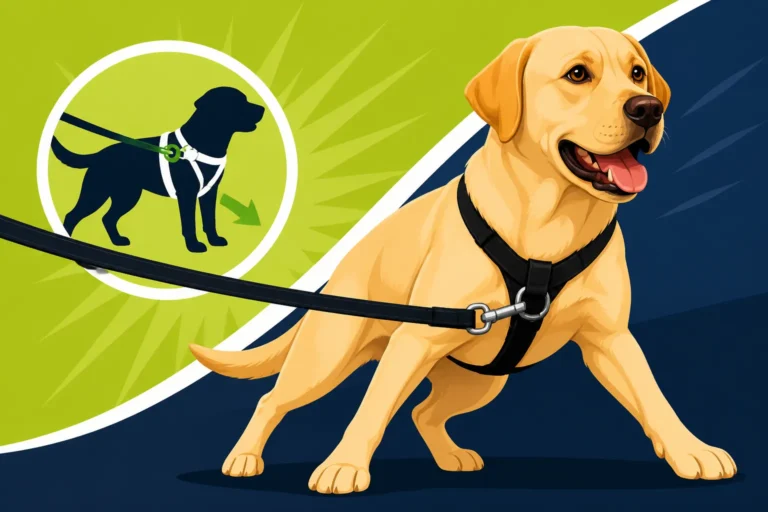
These dogs provide not only practical physical assistance but also a significant boost in confidence and independence. They are trained to respond to a wide range of commands and often work with specialized equipment designed to make their tasks easier, such as leashes with loops for pulling. Their steady presence and calm demeanor are also incredibly comforting for their handlers.
Medical Alert and Response Dogs
A growing and increasingly vital role for Labradors is in medical alert and response. These highly specialized dogs are trained to detect subtle changes in their handler's body chemistry or behavior, often before the handler themselves is aware of an impending medical event. This can include diabetic alert dogs who sense drops or spikes in blood sugar, or seizure alert/response dogs who can warn of an oncoming seizure or provide assistance during one.
The science behind how dogs detect these changes is still being fully understood, but it's believed to involve their incredibly keen sense of smell, picking up on minute volatile organic compounds released by the human body. Once alerted, the dog might nudge, bark, or perform a specific task to get their handler's attention or even retrieve medication. This early warning system can be life-saving, providing crucial time for intervention and preventing serious injury.
Therapy and Emotional Support Roles
While technically distinct from "service dogs" (which have specific public access rights under laws like the ADA), Labradors also excel as therapy and emotional support animals due to their naturally affectionate and empathetic nature. Therapy dogs visit hospitals, nursing homes, schools, and disaster sites, providing comfort, reducing stress, and bringing smiles to those in need. Their gentle presence can lower blood pressure, alleviate anxiety, and simply offer a moment of warmth and connection.
Emotional support animals, on the other hand, provide comfort to a specific individual with a diagnosed mental or emotional disability, often living with them. While they don't perform specific tasks, their presence helps manage symptoms like anxiety or depression. Labradors' calm, loving personalities make them perfectly suited to these roles, offering unconditional affection and a steady presence. It's truly amazing how a dog can help Building Confidence in a Timid Labrador in both humans and other canines.
Labradors in Detection and Scent Work
Beyond assisting individuals, Labradors are superstars in various detection roles, leveraging their unparalleled sense of smell for the good of society. Their natural drive to retrieve and their focused work ethic make them highly effective at sniffing out substances that humans simply cannot detect.
Explosives Detection Dogs (EDD)
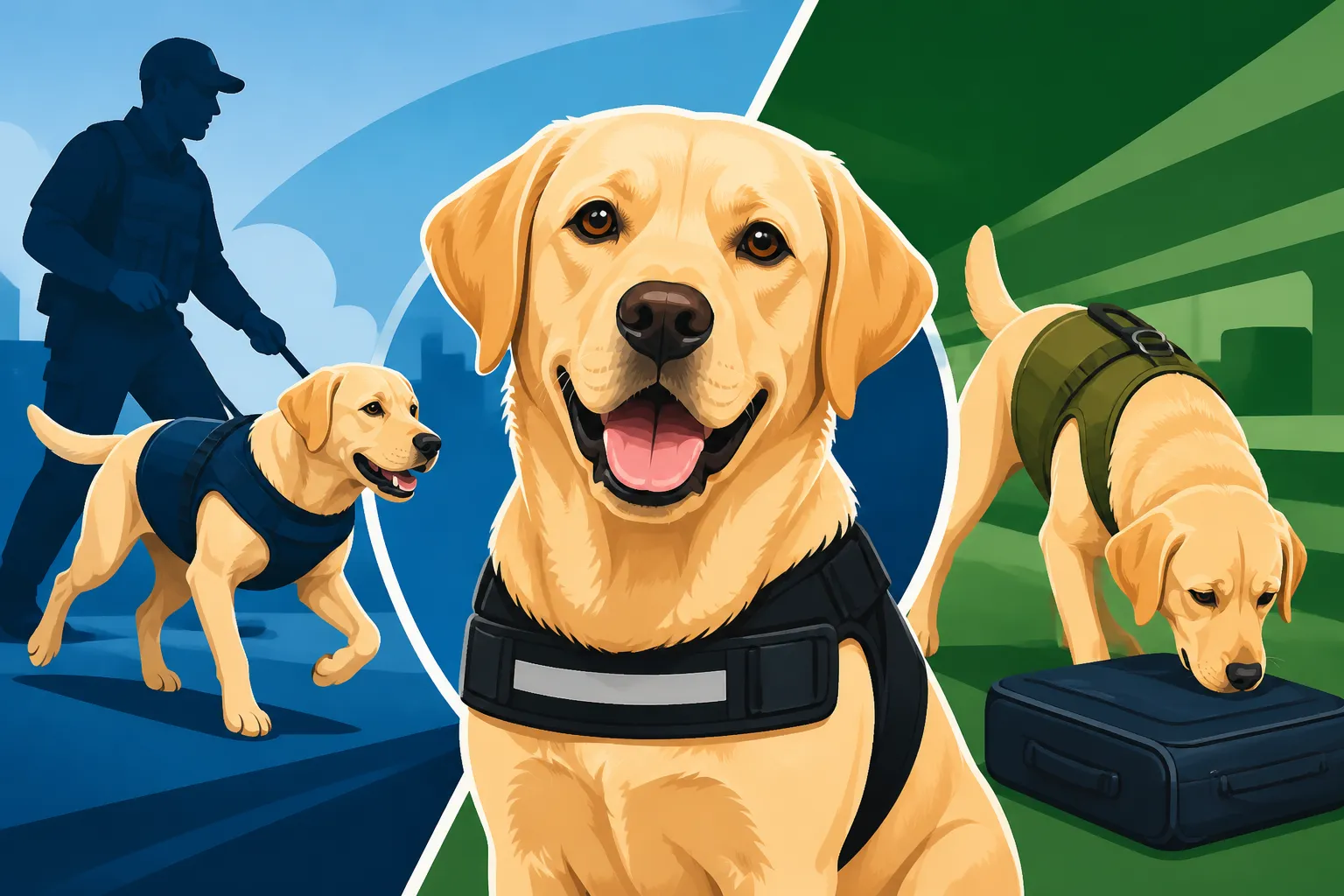
Explosives Detection Dogs, or EDDs, are deployed in critical areas like airports, public venues, and border crossings to safeguard against terrorist threats. Labradors are highly valued in this field for their meticulous scenting ability and their calm, steady demeanor even in high-pressure environments. They are trained to identify a wide range of explosive compounds, often ignoring other tempting scents, which requires incredible focus and discrimination.
Their training is incredibly rigorous, involving exposure to various explosive odors in controlled environments, and they learn to indicate a find using a passive alert, like sitting or lying down, to avoid disturbing a potentially dangerous device. The stakes are incredibly high in this work, and the reliability of a Labrador in detecting minute traces of these substances is literally life-saving. You can often see handlers using specialized gear, available on platforms like Amazon, to aid in their training and daily work.
Narcotics Detection Dogs
Narcotics detection is another area where Labradors shine. These dogs are trained to locate illegal drugs in various settings, from vehicles and luggage to buildings and open fields. Their powerful noses can pick up on the faintest odors of illicit substances, often hidden deep within containers or concealed compartments. This work is vital in combating drug trafficking and keeping dangerous substances off the streets.
The retrieve drive of a Labrador, often harnessed for Retrieving Games That Tire a Labrador, is channeled into the hunt for specific scents. They learn to associate specific odors with a reward, making the "work" feel like a highly engaging game. Their enthusiasm and persistence mean they won't give up until they've located the source of the scent, no matter how well it's hidden.
Search and Rescue (SAR) Dogs
When disaster strikes, or a person goes missing, Search and Rescue Labradors are often among the first responders. These dogs are trained to locate human scent, whether from survivors buried under rubble, individuals lost in vast wilderness areas, or even victims of drowning. Their stamina, agility, and keen sense of smell allow them to cover large areas quickly and efficiently, often in challenging terrain.
SAR Labradors can be specialized in different areas: live find (locating living individuals), cadaver detection (locating human remains), or water search (locating drowning victims). Their ability to work independently while still maintaining a strong bond with their handler is crucial. They bring hope to families in desperate situations, and their tireless efforts often make the difference between life and death.
Accelerant Detection Dogs (Arson Dogs)
Arson investigators often rely on the incredible noses of Labradors to help determine the cause of fires. Accelerant Detection Dogs are trained to sniff out ignitable liquids, such as gasoline or kerosene, that might have been used to start a fire. Even after a fire has been extinguished, minute traces of these chemicals can remain, undetectable to human senses but easily picked up by a Labrador.
These dogs work carefully through fire scenes, which can be dangerous and chaotic, indicating where accelerants might be present. This information guides investigators to collect crucial evidence that can help determine if a fire was accidental or intentionally set. Their precision in identifying these substances makes them invaluable tools in forensic investigations.
Agricultural Detection (Biosecurity)
Less commonly publicized but incredibly important, Labradors also play a role in agricultural detection and biosecurity. These dogs are trained to detect invasive species, prohibited plant materials, or pests at borders and checkpoints, preventing the spread of diseases or ecological damage. For example, they might sniff out fruit carrying fruit flies or plants that could introduce harmful pathogens to a local ecosystem.
This work helps protect vital agricultural industries and natural environments from devastating foreign contaminants. The dogs often work in busy ports or airports, requiring them to maintain focus amidst a flurry of activity, and their friendly demeanor helps reduce stress for travelers who might encounter them.
The Rigorous Training Journey for a Working Labrador
Becoming a service or detection dog is not an overnight process. It's a lengthy, intensive journey that begins in puppyhood and continues for many months, sometimes years, of dedicated training. This journey separates the truly exceptional from the merely well-behaved.
Early Socialization and Foundation Skills
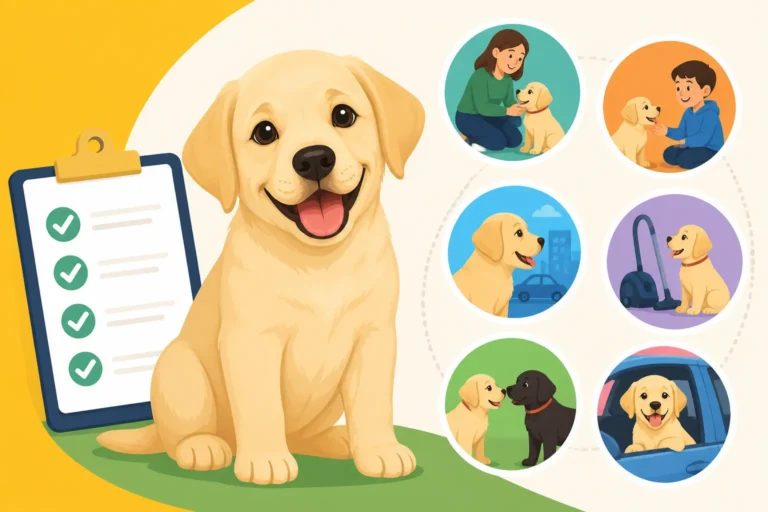
The training odyssey for a working Labrador starts long before they learn specific tasks. It begins with comprehensive early socialization. Exposure to a wide variety of sights, sounds, people, and environments from a young age is crucial for developing a confident, stable temperament. This prevents fear or reactivity in novel situations, which would be detrimental to a working dog. A good puppy program, like those offered by BAXTER & Bella, can lay an excellent foundation, even for dogs not destined for service work. Labrador Puppy Socialization Windows are critical for this phase.
Alongside socialization, foundation obedience skills are instilled. "Sit," "stay," "come," and polite leash manners are more than just commands; they are the language through which the dog and handler communicate. A strong recall, for instance, is vital for safety and control in any working environment. These early lessons build a solid framework for more advanced training.
Advanced Task-Specific Training
Once the foundation is firm, a Labrador transitions into specialized, task-specific training relevant to their future role. For a guide dog, this means learning complex navigational cues, stopping at elevations, and responding to environmental hazards. For a detection dog, it involves imprinting on specific scents and learning to provide a clear, consistent alert. This phase is highly individualized and requires expert trainers who understand the nuances of each working discipline.
This advanced training often involves thousands of repetitions, gradual increases in distraction levels, and careful shaping of behaviors. It’s not just about teaching a dog what to do, but how to do it reliably and flawlessly under pressure. The goal is to make these complex actions feel natural and instinctual to the dog, even when faced with novel scenarios.
Public Access and Distraction Proofing
One of the most challenging aspects of training for many service roles is public access. A service dog must be able to work calmly and effectively in any public setting, from crowded malls and bustling restaurants to quiet offices and public transportation. This requires immense focus and an ability to ignore constant distractions – people, other animals, tempting dropped food, loud noises, and unusual smells.
"Distraction proofing" involves systematically exposing the dog to increasingly challenging environments, ensuring they maintain their focus on their handler and their tasks. This stage is where many otherwise capable dogs might struggle, as the real world presents an unpredictable array of stimuli. A truly successful service dog has learned to filter out the noise and concentrate solely on their job.
Handler Training and Team Integration
It's not just the dog who undergoes intensive training; the human partner also receives comprehensive instruction. For service dogs, handlers must learn how to effectively communicate with their dog, understand their cues, and provide the correct guidance. This involves mastering specific commands, practicing routes, and learning how to maintain the dog's skills.
For detection work, handlers learn how to "read" their dog's body language, interpret alerts, and work as a cohesive unit during searches. The success of any working dog team hinges on the seamless integration of dog and handler, creating a partnership built on trust, understanding, and consistent communication. It's about becoming a truly symbiotic team.
Challenges and Washout Rates in Service Dog Training
While Labradors are incredibly suited for service and detection work, it's not a path every dog completes. The rigorous nature of the training, coupled with the high standards required, means that a significant percentage of dogs don't make it to active duty. This is often referred to as the "washout rate."
Temperament and Health Requirements
The primary reasons a Labrador might not complete service dog training often come down to temperament or health issues. Dogs need to be incredibly stable, confident, and resilient. Any sign of fear, aggression, or excessive shyness, especially towards strangers or in new environments, will typically disqualify a dog. Anxious behaviors, such as severe Separation Anxiety in Labrador Retrievers, can also be problematic. These dogs need to be unflappable.
Similarly, even minor health issues can lead to a dog being "washed out." Joint problems like hip or elbow dysplasia, common in large breeds, or chronic allergies can make a dog uncomfortable or unable to perform their duties for an extended period. Labrador Hip and Elbow Dysplasia are often screened for early on, as these conditions can lead to long-term pain and limit a dog's working life. Breeding programs for working dogs are meticulous about health clearances to minimize these risks.
The Difficulty of the Work Itself
The tasks required of service and detection dogs are incredibly complex and demanding. It's not just about being smart or obedient; it's about making independent decisions, demonstrating intelligent disobedience when necessary, and maintaining focus for extended periods in highly distracting environments. Some dogs, despite their best efforts, simply don't have the intrinsic drive, focus, or cognitive capacity to master all the necessary skills to the required standard.
The psychological demands are also immense. A dog that is easily stressed by novelty, noise, or prolonged periods of intense concentration might not thrive in a working role, even if they are perfectly happy as a pet. The constant pressure and the need for perfection can be too much for some individuals, highlighting that being a good family dog is different from being a working professional. More on this can be found in Washout Rates for Labrador Service Candidates.
Financial and Time Investment
The cost and time invested in training a service or detection dog are staggering. From breeding and veterinary care to specialized trainers, equipment, and thousands of hours of instruction, the investment in each dog is substantial. Organizations must be extremely selective, as pouring resources into a dog that ultimately cannot perform the work represents a significant loss. This means standards remain incredibly high.
Every step of the way, trainers are evaluating the dog's progress, aptitude, and long-term potential. If a dog isn't meeting milestones or is struggling consistently, the responsible decision might be to reassign them to a different role or a pet home, where they can still live a happy and fulfilling life.
Life Beyond Service: Retirement and Continued Care
Even the most dedicated working Labradors eventually reach a point where their bodies or minds are ready for a well-deserved retirement. This phase of their life is just as important as their working years, and ensuring a comfortable transition is a priority for their organizations and families.
Transitioning to Retirement
When a service or detection Labrador retires, it's often a gradual process. They might work fewer hours, take on less strenuous tasks, or finally hang up their harness completely. The decision to retire is usually made based on the dog's age, health, and ability to perform their duties effectively. Organizations often have guidelines for when a dog is eligible for retirement, but the individual dog's well-being is always the paramount concern.
Many retired service dogs stay with their handlers, transitioning from a working partner to a beloved family pet. This allows them to continue living in a familiar environment with the person they've spent their lives with, maintaining that deep bond. Others might go to a "forever home" with a new family, especially if their handler is preparing for a new service dog. These dogs have given so much, and their golden years should be filled with comfort and love. Information on Caring for a Senior Labrador is essential here.
Continued Health and Well-being
Retired working dogs, having often led physically demanding lives, require diligent health monitoring. Arthritis, common in older Labradors, can become more pronounced. Regular veterinary check-ups, appropriate pain management, and tailored exercise plans are crucial for maintaining their quality of life. Owners might consider joint supplements or even physical therapy to keep their retired hero comfortable.
Mental stimulation remains important too, even without a "job." Puzzle toys, gentle walks, and continued interaction with their family can keep their minds sharp and prevent boredom. While they've earned their rest, a Labrador's inherent drive for activity doesn't completely disappear. Labrador Arthritis in Middle Age can become a significant concern in retirement.
The Emotional Impact for Handlers
Retirement can be an emotional time for handlers, especially for those who relied on their service dog for independence and companionship. The bond formed between a working dog and their partner is incredibly deep, a profound connection built on trust, shared experiences, and mutual reliance. Saying goodbye to that working relationship, even if the dog remains in the home, can be a significant adjustment.
Organizations often provide support to handlers during this transition, helping them cope with the change and prepare for a potential new partner. It's a bittersweet moment, celebrating a lifetime of service while also acknowledging the end of a unique partnership. For some, it's the start of End-of-Life Care for a Labrador, a difficult but loving journey.
Choosing the Right Labrador for Service Potential
Not every Labrador is destined for service work, and selecting the right puppy or young adult is a critical step in setting them up for success. This isn't about pedigree alone; it's about looking for specific traits and early indicators that suggest a natural aptitude for the rigorous demands of a working life.
Assessing Temperament and Drive
When evaluating a Labrador for service potential, temperament is paramount. You're looking for a dog that is confident, curious, and resilient. They should be outgoing, happy to interact with people, and not easily startled by new sights or sounds. A puppy that shows excessive shyness, fear, or aggression, even in subtle ways, is typically not a good candidate. The Labrador Retriever Breed Explained details many of these desirable traits.
Beyond a stable temperament, a strong retrieve drive is a huge asset. Labradors were bred for retrieving, and this natural inclination can be channeled into many aspects of service and detection work. You also want a dog with good focus and a willingness to engage, showing interest in toys or interactions rather than being easily distracted or overly independent. For owners looking to build a strong foundation, online puppy programs like BAXTER & Bella can offer guidance on nurturing these drives from a young age.
Health Clearances and Genetic Testing
Given the physically demanding nature of service work, impeccable health is non-negotiable. Reputable breeders involved in producing working lines will conduct extensive health clearances on both parent dogs to minimize the risk of inherited conditions. This includes screenings for Labrador Hip and Elbow Dysplasia, eye conditions like Progressive Retinal Atrophy, and heart issues.
Genetic testing for known breed-specific conditions, such as Exercise-Induced Collapse (EIC) or Centronuclear Myopathy (CNM), is also crucial. A dog that carries or is affected by such conditions might not be able to safely perform their duties. Genetic Panels Worth Running on a Labrador can provide invaluable insights into a puppy's genetic predispositions.
Role of Reputable Breeders and Organizations
Sourcing a Labrador from a reputable breeder or a specialized service dog organization is vital. These entities carefully select breeding pairs based on health, temperament, and working lines, aiming to produce puppies with the highest likelihood of success. They often conduct extensive temperament testing on litters to identify puppies with the most suitable innate qualities.
Many service dog organizations have their own breeding programs specifically designed to produce dogs for their programs, or they work closely with select breeders. This careful selection process dramatically increases the chances of a puppy having the right genetic and temperamental makeup for service work, thereby optimizing the investment of time and resources. For those considering breeding, understanding Health Clearances a Labrador Breeder Must Show is a non-negotiable starting point.
Supporting Organizations and the Future of Working Labradors
The incredible work performed by Labradors in service and detection roles wouldn't be possible without the dedicated individuals and organizations that breed, train, and support these remarkable animals. Their commitment ensures the continued success and expansion of these vital partnerships.
The Network of Service Dog Providers
Across the globe, a vast network of non-profit organizations is dedicated to breeding, raising, and training service dogs. These organizations pour immense resources into each dog, from specialized puppy raisers who provide early socialization and basic training to professional trainers who teach advanced tasks. They match dogs with handlers, provide ongoing support, and ensure the partnership remains successful.
Many of these organizations rely heavily on volunteers and donations to carry out their mission. The cost of training a single service dog can be very high, and public support is crucial for allowing them to continue providing these life-changing companions to those in need.
Advances in Training Techniques and Technology
The field of service and detection dog training is constantly evolving. Advances in positive reinforcement methods, behavioral science, and even technology are helping to make training more efficient and effective. For example, remote scent training devices or specialized harnesses for mobility assistance are constantly being refined.
Researchers are also continuously studying canine olfaction and behavior to better understand how dogs detect subtle changes in human bodies or trace amounts of substances. This scientific inquiry helps refine training protocols and expand the types of detection work Labradors can perform. Exploring Why Labradors Read Human Cues So Well is one such area of ongoing research.
The Evolving Landscape of Working Roles
As our understanding of canine capabilities grows, so too does the range of roles Labradors undertake. We're seeing more specialized medical alert dogs, conservation detection dogs (sniffing out endangered species scat or invasive plants), and even dogs assisting in legal settings. The adaptability and intelligence of the Labrador mean they are likely to continue finding new and innovative ways to assist humanity.
Their natural Labrador Intelligence and Trainability makes them prime candidates for these emerging roles. As societal needs change and technology advances, the demand for highly trained working dogs, especially versatile breeds like the Labrador, will undoubtedly continue to grow. Their steadfast loyalty and incredible abilities ensure their place as true heroes in our world.
Here's a quick look at how Labradors fit into various working roles:
| Role Type | Primary Function | Key Labrador Traits Utilized | Typical Training Duration |
|---|---|---|---|
| Guide Dog | Navigate for visually impaired, obstacle avoidance | Intelligence, calm demeanor, intelligent disobedience, focus, handler bond | 18-24 months |
| Hearing Dog | Alert to specific sounds (alarms, doorbell) | Auditory discrimination, focus, gentle alert methods | 12-18 months |
| Mobility Assistance | Retrieve items, open doors, pull wheelchairs | Strength, dexterity, problem-solving, willingness to please | 18-24 months |
| Medical Alert | Detect blood sugar changes, seizures (scent-based) | Olfactory sensitivity, focus, passive alert, early warning | 18-36 months |
| Explosives Detection | Locate explosive compounds | Superior scenting ability, calm demeanor under pressure, passive alert, stamina | 12-18 months |
| Narcotics Detection | Locate illegal drugs | High retrieve drive, olfactory discrimination, persistence, stamina | 12-18 months |
| Search & Rescue | Locate missing persons (live or deceased) | Stamina, agility, scenting ability, independence, handler bond | 18-36+ months |
| Accelerant Detection | Sniff out ignitable liquids at fire scenes | Olfactory precision, focus, calm demeanor in chaotic environments | 12-18 months |
| Agricultural Detection | Identify invasive species/prohibited items | Olfactory sensitivity, focus, adaptability to varied environments | 12-18 months |
Disclaimer
This article is for general informational purposes only and does not constitute professional advice. Laws, prices and regulations vary by location and change over time. Consult a qualified professional for guidance on your specific situation.