Whether Board and Train Suits a Labrador
It’s a common scenario: you’ve got a spirited Labrador, full of life and boundless energy, but lately, some of their behaviors have become a real challenge. Maybe the leash pulling is intolerable, or the recall is non-existent, and you're feeling completely overwhelmed, wondering if there's any solution that can provide a quick, intensive fix. This guide is for you. We’re going to dive deep into board and train programs for Labradors, exploring whether this immersive approach truly suits our wonderful, often food-driven, and incredibly smart companions.
What is a Board and Train Program, Anyway?
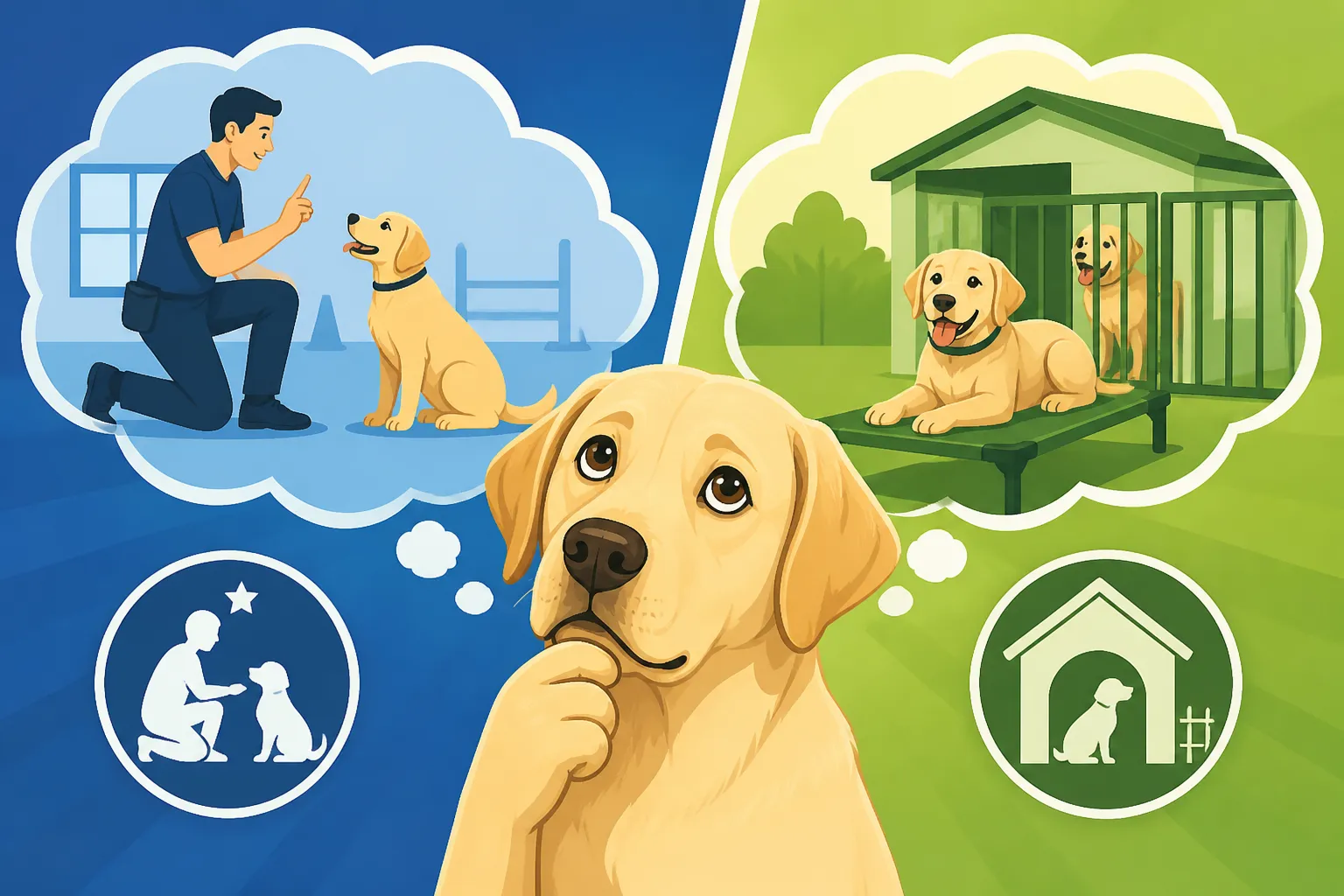
When you hear "board and train," it basically means your beloved Labrador goes on a bit of a working vacation. Instead of you taking them to weekly classes, your dog actually lives at a trainer's facility or in their home for a set period, typically a few weeks to a month or even longer. During this time, the trainer takes on the full responsibility for their daily care, routine, and, most importantly, their training. It’s an intensive, immersive experience designed to accelerate learning and address specific behavioral issues without the distractions of home life.
The Intensive, Immersive Environment
Imagine your Labrador living, breathing, and eating training. That's essentially what a board and train program offers. They are removed from their familiar environment, which, while potentially stressful for some dogs, can also remove a lot of the triggers and bad habits they've developed at home. For example, if your Labrador is a notorious counter surfer, taking them to a new environment where the counters are clear or immediately corrected for jumping up can break that habit much faster than trying to manage it in your own busy kitchen. The consistent, round-the-clock instruction from experienced professionals means your dog is always learning, always practicing, and always being reinforced for desired behaviors. This kind of uninterrupted focus is almost impossible for most busy owners to provide, making the appeal of board and train quite strong.
What You Can Expect a Labrador to Learn
Board and train programs typically focus on foundational obedience and manners. For a Labrador, this often means addressing common issues like pulling on the leash, jumping on guests, bolting out the door, or unreliable recall. Many programs will teach commands like "sit," "stay," "down," "come," and "heel." Some advanced programs might even work on specific issues like reactivity, mild separation anxiety, or more specialized tasks. The idea is that your Labrador will come back to you with a solid understanding of these commands and a much better grasp of appropriate behavior. However, it's crucial to remember that what they learn with the trainer, they still need to apply with you, which is where the "transfer" training comes in. This isn't just a magic bullet; it's a foundation that you must build upon.
The Potential Upsides of Board and Train for a Labrador
For many Labrador owners feeling at their wit's end, the idea of a board and train program can feel like a lifeline. There are indeed some compelling reasons why this intensive approach might be a good fit for certain Labradors and their families.
Addressing Stubborn or Deep-Seated Behaviors
Labradors, for all their charm, can sometimes be incredibly stubborn, especially when their food drive or retrieving instincts kick in. If you've been battling persistent behaviors like incessant barking at the postman, destructive chewing despite endless chew toys, or an absolute refusal to come when called, a board and train program might offer a breakthrough. A professional trainer has the experience and tools to consistently interrupt and redirect these ingrained habits. They can spend hours, not just a weekly session, working on these specific challenges in a controlled environment. For instance, if your Labrador is famous for Why a Labrador Ignores You Around Water, a trainer with access to a pond might be able to work on recall in a real-world, high-distraction setting, something that's difficult for many owners to replicate safely and effectively.
A Head Start on Foundation Skills
If you're a first-time Labrador owner, or you just brought home a new puppy and feel completely overwhelmed by the sheer exuberance and intelligence of your new family member, a board and train can give you a significant head start. Instead of struggling through basic obedience and potty training while also managing work and family life, your Labrador can return with a solid understanding of basic commands and house manners. This doesn't mean you skip your own involvement; it means the heavy lifting of establishing those initial rules is done, allowing you to focus on reinforcing those skills and building your bond. Imagine your Labrador coming home already understanding House Training a Labrador Retriever and First Commands to Teach a Labrador—what a relief!
Structured Environment for High-Energy Labs
Labradors are renowned for their high energy levels, especially during their puppyhood and adolescence. Surviving Labrador Adolescence can be a particularly trying time for owners, as their once-obedient puppy seems to forget everything they learned. A good board and train program offers a highly structured environment that can be incredibly beneficial for these energetic breeds. They typically have a consistent schedule of training sessions, exercise, rest, and playtime, all supervised by professionals. This routine, combined with dedicated mental and physical exertion, can help channel that boundless Labrador energy productively. Many facilities also offer engaging activities like scent work or retrieving games, providing the kind of mental stimulation that can tire a Labrador just as effectively as physical exercise, preventing boredom and potential destructive behaviors.
The Significant Downsides and Considerations
While the benefits can sound incredibly appealing, it's crucial to approach board and train programs with a realistic understanding of their potential drawbacks. They aren't a magical fix for every Labrador or every owner, and there are some serious factors to consider.
The Cost and Time Commitment
Let's be blunt: board and train programs are expensive. They involve a professional trainer dedicating significant time, resources, and expertise to your dog for an extended period. While I can't give specific figures, expect this to be a substantial investment, often significantly more than a series of private lessons or group classes. It's also a time commitment, not just for your dog being away, but for you before and after. Before your Labrador goes, you’ll spend time researching trainers, having consultations, and preparing your dog. After they return, you'll need to dedicate consistent time to "transfer" training, learning how to effectively use the commands and techniques your dog has learned. If you're considering this, budgeting for the program and the ongoing reinforcement is paramount. It’s also wise to compare these costs with alternatives like Labrador Training Class Costs or private in-home lessons.
The Importance of Handler Transfer
This is arguably the most critical and often overlooked aspect of board and train. Your Labrador will learn to respond to the trainer – their voice, their cues, their body language. When your dog comes home, you, the owner, need to learn how to effectively communicate and reinforce those same behaviors. A good program will include extensive "handler transfer" sessions where the trainer teaches you how to work with your newly trained Labrador. If these sessions are insufficient, or if you don't commit to practicing consistently, your dog might regress because they haven't learned to generalize their training to you and your home environment. It's not enough for your dog to be good for the trainer; they need to be good for you, too. This requires your active participation and dedication once they're back.
Potential Stress and Setbacks for Sensitive Labradors
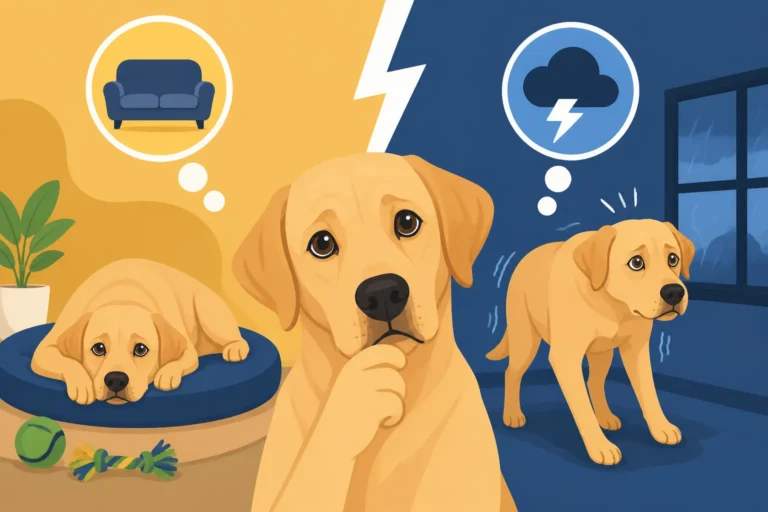
Not all Labradors are suited for the intensive environment of a board and train. While many Labs are resilient and adaptable, some can be quite sensitive or prone to anxiety. Being removed from their familiar family, routine, and home can be incredibly stressful for these dogs, potentially leading to anxiety, fear, or even a shutdown of their learning capabilities. For a Labrador already prone to Separation Anxiety in Labrador Retrievers, a board and train might exacerbate their issues rather than solve them. It's crucial to discuss your Labrador's individual temperament with any prospective trainer and understand their approach to managing stress and ensuring your dog feels safe and comfortable. If a trainer doesn't seem to prioritize your dog's emotional well-being, it's a red flag.
Missing Out on Early Bonding and Problem-Solving
One often-understated downside is the missed opportunity for early bonding and collaborative problem-solving between you and your Labrador. Training isn't just about teaching commands; it's about building a relationship based on trust, communication, and mutual understanding. When a professional handles the bulk of the initial training, you miss out on those crucial moments of figuring things out together, celebrating small victories, and strengthening your bond through shared experiences. Especially for puppies, the early weeks and months are vital for socialization and forming strong attachments. While board and train can be effective, consider if you're willing to outsource this critical developmental period, particularly if you're just starting Training a Labrador From Puppy to Adult.
Alternatives to Board and Train for Your Labrador
If a board and train program doesn't quite feel like the right fit for your Labrador or your family, don't despair! There are many fantastic, effective alternatives that allow you to be deeply involved in your dog's training journey.
Private In-Home Training and Coaching
One excellent alternative is private, in-home training. With this option, a professional trainer comes to your home, works with you and your Labrador in your familiar environment, and addresses the specific challenges you're facing. This allows for highly personalized instruction, directly tackling issues like Labrador Counter Surfing and Food Theft or Stopping a Labrador From Pulling on Leash right where they happen. The trainer can observe your Labrador's behavior in context, identify triggers unique to your home, and teach you the skills to manage and modify those behaviors. This approach prioritizes owner education and empowers you to become your Labrador's primary trainer, strengthening your bond and ensuring consistency. Websites like BAXTER & Bella offer comprehensive online training programs that can also simulate this personalized approach, guiding you step-by-step with video tutorials and direct support from the comfort of your home.
Group Classes and Community Learning
Group obedience classes are a time-honored tradition for a reason. They offer a structured curriculum, professional guidance, and, crucially, a built-in opportunity for socialization. Your Labrador gets to learn in the presence of other dogs and people, helping them generalize their commands to a variety of real-world distractions. This can be particularly beneficial for Socializing a Labrador Puppy or an adolescent Labrador who needs to practice Walking a Labrador Past Other Dogs Calmly. Group classes are typically more affordable than board and train or private lessons, and they foster a sense of community among dog owners. You'll often find resources for advanced classes, too, like agility or scent work, which can provide excellent Mental Work for a Bored Labrador long after basic obedience is mastered. Look for reputable local training clubs or pet stores that offer such programs.
Online Resources and Self-Paced Training
In our digital age, the amount of high-quality online training resources available is incredible. From comprehensive video courses to dedicated online communities, you can find expert guidance to train your Labrador at your own pace, right from your living room. Platforms like BAXTER & Bella provide structured curricula, often with live Q&A sessions and a supportive community, allowing you to learn and apply techniques as your schedule permits. For specific gear like specialized leashes, durable chew toys, or puzzle feeders, online retailers like Amazon offer a vast selection, making it easy to get the right tools for your self-directed training. This approach is often the most budget-friendly and allows you to build a strong bond with your Labrador through consistent, hands-on training, learning together every step of the way. While it requires significant self-discipline and commitment, it empowers you to be deeply involved in every aspect of your Labrador's development.
No matter which path you choose, remember that training is an ongoing journey with a Labrador. Consistency, patience, and positive reinforcement are always key.
| Training Method | Key Benefits | Potential Drawbacks | Owner Involvement | Cost Considerations | Best For |
|---|---|---|---|---|---|
| Board and Train | Intensive, fast progress, addresses deep issues | High cost, potential stress, critical transfer phase | Low during training, high after return | High | Specific behavioral issues, owners with limited time, solid foundation for puppies |
| Private In-Home | Personalized, addresses home-specific issues | Can be expensive, dependent on trainer availability | High & ongoing | Moderate to High | Specific behaviors, owners who need direct coaching, nervous dogs |
| Group Classes | Socialization, professional guidance, structured | Less personalized, potential for distractions | Moderate & ongoing | Low to Moderate | Basic obedience, socialization, budget-conscious owners |
| Online/Self-Paced | Flexible, affordable, empowers owners | Requires self-discipline, no direct trainer feedback | High & consistent | Low | Engaged owners, learning at own pace, supplementing other training |
Disclaimer
This article is for general informational purposes only and does not constitute professional advice. Laws, prices and regulations vary by location and change over time. Consult a qualified professional for guidance on your specific situation.